Advertisements and movies' clichéd and unrealistic portrayal of romance.
Hope you're finding these documentaries fascinating and eye-opening. It's just me, working hard behind the scenes to bring you this enriching content.
Running and maintaining a website like this takes time and resources. That's why I'm reaching out to you. If you appreciate what I do and would like to support my efforts, would you consider "buying me a coffee"?
BTC: bc1q8ldskxh4x9qnddhcrgcun8rtvddeldm2a07r2v
ETH: 0x5CCAAA1afc5c5D814129d99277dDb5A979672116
With your donation through , you can show your appreciation and help me keep this project going. Every contribution, no matter how small, makes a significant impact. It goes directly towards covering server costs.
How stereotypical programming paints our viewings of particular age groups.
2011 • Lifehack
How TV rubs our noses in other people's superior lifestyles.
S1E3 • How TV Ruined Your Life • 2011 • Lifehack
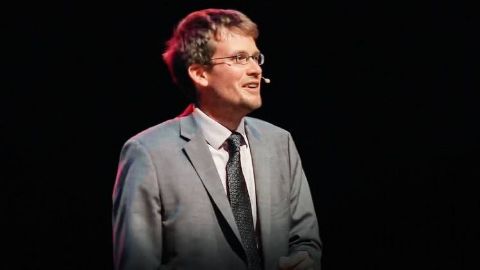
Some of us learn best in the classroom, and some of us ... well, we don't. But we still love to learn, to find out new things about the world and challenge our minds. We just need to find the right place to do it, and the right community to learn with. In this charming talk, author John Green shares the world of learning he found in online video.
Why do we sleep? And what does sleep have to do with memory, trauma, and our emotions? From fruit flies to whales, virtually every animal sleeps. But why? Why do we need to spend nearly a third of our lives in such a defenseless state? Scientists are peering more deeply into the sleeping brain than ever before, discovering just how powerful sleep can be, playing a role in everything from memory retention and emotional regulation to removing waste from our brains. So why are we getting so little of it?
The way TV pollutes our minds with the wrong kind of information.
S1E6 • How TV Ruined Your Life • 2011 • Lifehack
Dr Kevin Fong makes a personal journey through the moral questions about death that face not just the medical profession, but each and every one of us. The question of how we die is a question that all of us must face, and yet we avoid talking about it. Modern medicine is focused on saving lives. Amazing technical advances have increased doctors' ability to treat a wide range of life-threatening diseases, meaning many more people live longer lives. Life expectancy has surged, and we regard death as something to be battled. It is common for the medical system to throw everything into treating patients right to the very end. But in our attempts to defeat death, the question is this - are we over-medicalising death and the final years of life at the expense of providing better palliative care that would result in a better quality of life? Is it time to reset the system, and learn how to die a better death? Kevin meets medical professionals who are at the heart of these dilemmas, as well as people who are right now facing up to the question of how to die a better death.
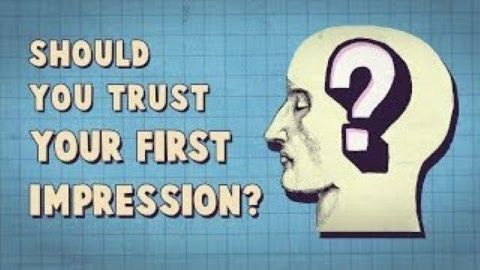
You can't help it; sometimes, you just get a bad feeling about someone that's hard to shake. So, what's happening in your brain when you make that critical (and often lasting) first judgment? Peter Mende-Siedlecki shares the social psychology of first impressions -- and why they may indicate that, deep down, people are basically good.