A visually stunning documentary that reflects human's relationship to other species on Earth as humanity becomes more and more isolated from Nature.
Hope you're finding these documentaries fascinating and eye-opening. It's just me, working hard behind the scenes to bring you this enriching content.
Running and maintaining a website like this takes time and resources. That's why I'm reaching out to you. If you appreciate what I do and would like to support my efforts, would you consider "buying me a coffee"?
BTC: bc1q8ldskxh4x9qnddhcrgcun8rtvddeldm2a07r2v
ETH: 0x5CCAAA1afc5c5D814129d99277dDb5A979672116
With your donation through , you can show your appreciation and help me keep this project going. Every contribution, no matter how small, makes a significant impact. It goes directly towards covering server costs.
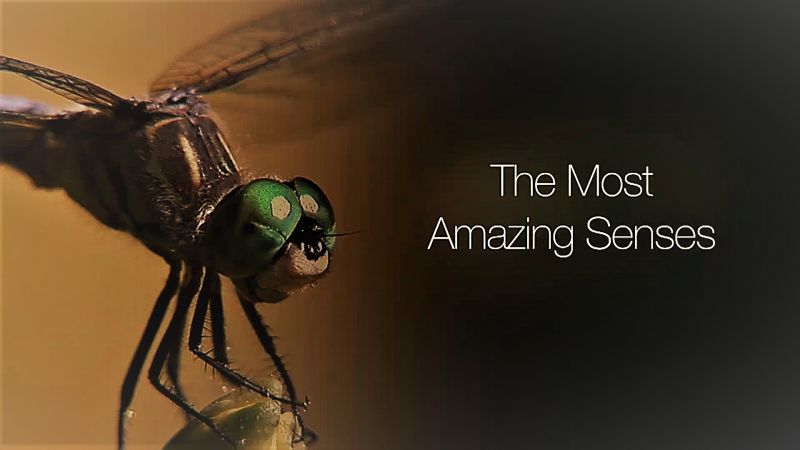
Sophie is joined in the theatre by chirping crickets, hissing cockroaches and groaning deer to reveal the very different ways that animals have adapted their bodies to send audible messages that are vital to their species. She also explores how and why the human voice evolved to become the most versatile sound producer in the natural world. She demonstrates what sound actually is and how it travels. Unpacking the power behind sound, she uses it to shatter glass and reveal how the human body can resonate in a way that amplifies our voices to send our messages further. She also explores how different species use very different frequencies to communicate and why humans can only hear a fraction of these animal messages. Finally, she investigates why we all have unique vocal prints, and how computers are learning to recognise these.
S1E1 • Royal Institution Christmas Lectures: The Language of Life • 2017 • Nature
David Gallo shows jaw-dropping footage of amazing sea creatures, including a color-shifting cuttlefish, a perfectly camouflaged octopus, and a Times Square's worth of neon light displays from fish who live in the blackest depths of the ocean.
Exploring the realm of the creatures to better understand how they have evolved. Travelling from the rain forests of French Guiana to the Arctic Ocean, scientists use traditional and cutting edge techniques to examine both modern insects and the fossil record in their search for a single common insect ancestor.
2024 • Nature
This programme surveys mammal herbivores and their predators. The herbivores began to populate the forests when the dinosaurs disappeared, and many took to gathering food at night. To prepare for winter, some store it in vast quantities, some hibernate and others make do as best they can. However, the carnivores joined them, and when a drying climate triggered the spread of grass, they followed their prey out on to the plains. Grass is not easily digestible and most animals that eat it have to regurgitate it and chew the cud. Out in the open, the leaf-eaters had to develop means of protection.
11/13 • Life on Earth • 1979 • Nature
A look at the survival techniques of creatures that endure the harsh conditions of the Arctic and Antarctic.
S1E4 • Blue Planet I • 2001 • Nature
How animals survive when the northern half of Asia is transformed by snow and ice each year. Featuring footage of Himalayan wolves hunting the fast-moving chiru antelope, red-crowned cranes learning to perform intricate mating dances, and Amur tigers in the forests where Russia, China, and North Korea meet - an area that is also home to the world's largest owls.