J. Robert Oppenheimer was a national hero, the brilliant scientist who during WWII led the scientific team that created the atomic bomb. But after the bomb brought the war to an end, in spite of his renown and his enormous achievement, America turned on him - humiliated and cast him aside. The question the film asks is, "Why?"
Hope you're finding these documentaries fascinating and eye-opening. It's just me, working hard behind the scenes to bring you this enriching content.
Running and maintaining a website like this takes time and resources. That's why I'm reaching out to you. If you appreciate what I do and would like to support my efforts, would you consider "buying me a coffee"?
BTC: bc1q8ldskxh4x9qnddhcrgcun8rtvddeldm2a07r2v
ETH: 0x5CCAAA1afc5c5D814129d99277dDb5A979672116
With your donation through , you can show your appreciation and help me keep this project going. Every contribution, no matter how small, makes a significant impact. It goes directly towards covering server costs.
The media have been talking about “genetically modified humans” and “designer babies.” But what they’re really talking about is germ-line engineering: a process that could help eliminate heritable diseases. So why do some scientists want to pause the research?
How do we learn properly so we can be right all the time? How can we know that we know, when we don't know what we don't know?
This Place • 2015 • Science
In this episode the volunteers are led to a realization about the nature of life itself.
Part 5 • Genius by Stephen Hawking • 2016 • Science
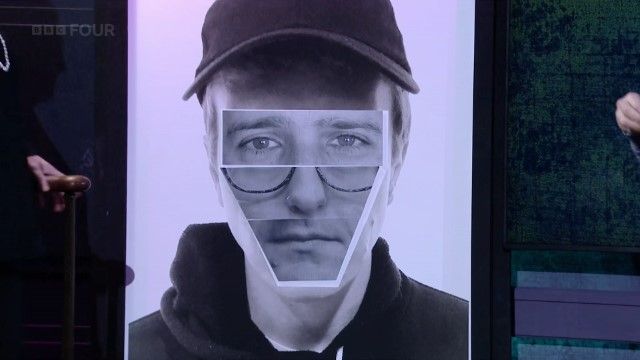
Science journalist Angela Saini and disability rights activist Adam Pearson, reveal that eugenics - the controversial idea that was a driving force behind the Nazi death camps - originated in the upper echelons of the British scientific community.
2019 • Science
Join scientists on the most ambitious Arctic research expedition of all time. Experts from over twenty different nations join the voyage of the massive Polarstern icebreaker as it’s gripped by the polar ice and drifts for nearly an entire year. From this unique research station, they can make long-term observations and perform experiments in unprecedented detail. Facing hungry polar bears, perilous sea ice cracks, and brutal cold, the team strives to understand the forces that are changing the region—and the world—forever
In the United States, some 10% of people who wish to have children struggle with infertility. It’s especially common in the African American community, and fertility preservation can be difficult for transgender individuals as well. But why is this? And what can be done about it? NOVA explores barriers to fertility, from the social to the biological, and the state of assisted reproductive technologies. Follow the journeys of people navigating challenges from structural inequalities and racism to falling sperm counts.