This BBC documentary brings the prehistoric world vividly to life using cutting-edge CGI and expert science. Walking with Dinosaurs (2025) recreates the Mesozoic era in stunning detail, showcasing the lives of dinosaurs as never before. From towering sauropods to ferocious predators, the series follows these ancient creatures through their habitats, revealing how they hunted, survived, and ultimately disappeared. A groundbreaking blend of visual effects and paleontological insight, it immerses viewers in Earth’s distant past.
Hope you're finding these documentaries fascinating and eye-opening. It's just me, working hard behind the scenes to bring you this enriching content.
Running and maintaining a website like this takes time and resources. That's why I'm reaching out to you. If you appreciate what I do and would like to support my efforts, would you consider "buying me a coffee"?
BTC: bc1q8ldskxh4x9qnddhcrgcun8rtvddeldm2a07r2v
ETH: 0x5CCAAA1afc5c5D814129d99277dDb5A979672116
With your donation through , you can show your appreciation and help me keep this project going. Every contribution, no matter how small, makes a significant impact. It goes directly towards covering server costs.
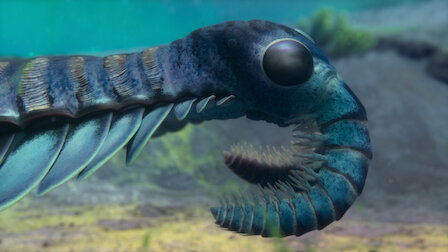
For billions of years, land on Earth was uninhabitable. But in the seas, predation allowed species to thrive before — and after — two mass extinctions.
S1E2 • Life on Our Planet • 2023 • Nature
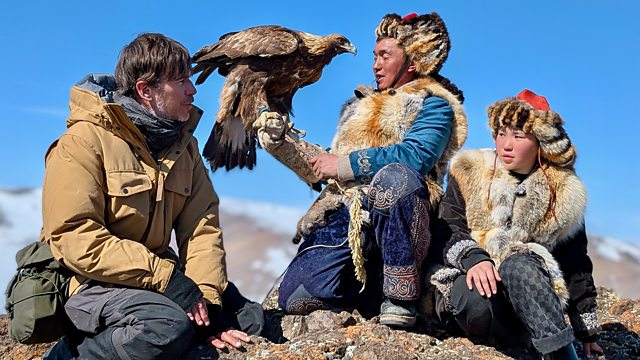
Simon Reeve embarks on a 3,000-mile journey across the deserts, plains and mountains of Mongolia in search of snow leopards and the nomadic people who hunt with golden eagles.
S2E4 • Wilderness with Simon Reeve • 2026 • Nature
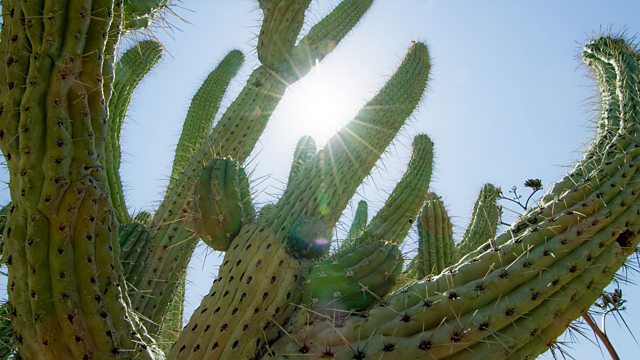
Desert plants spend decades in suspended animation waiting for rain, or they travel to find it. They survive using weapons, camouflage and surprising alliances with animals.
S1E4 • The Green Planet • 2022 • Nature
In this film Brian asks how a lifeless cosmos can produce a planet of such varied biology.
S1E3 • Wonders of Life • Nature
This episode describes the migration of most animals northwards (some from the Antarctic continent, others from the few islands surrounding it) as the continent and surrounding sea freeze over at the end of summer. It shows how young penguins often fall prey to Leopard Seals as they try to make their way across the already partially frozen water and how their stripped remains become food for isopods and meter-long nemerteans (ribbon worms). Before going to the sea, however, the adult penguins must shed their coats (molting).
S1E4 • Life in the Freezer • 2003 • Nature
Sixty-six million years ago, an asteroid wiped out the dinosaurs in a fiery global catastrophe. But we know little about how their successors, the mammals, recovered and took over the world. Now, hidden inside ordinary-looking rocks, an astonishing trove of fossils reveals a dramatic new picture of how rat-sized creatures ballooned in size and began to evolve into the vast array of species.