Webb Telescope: The Story So Far
In July 2022, the James Webb Space Telescope released its first images. They were visually stunning, and it was clear they provided more detail of stars, galaxies and planets than ever before. But for the scientists waiting on the data, this was just the beginning of their journey to discover what the new telescope would reveal. Since then, they have been working hard and publishing papers on all the data JWST has been sending back.
Two years ago, just after the first images were released, Chris Lintott set off on a road trip to meet some of the scientists that were excitedly waiting on the first data. He wanted to find out what they hoped it could reveal. To mark the second anniversary Chris, along with fellow presenters Maggie Aderin-Pocock and George Dransfield, headed off to meet scientists old and new, to find out what the Webb Telescope has told us so far.
Chris gives us a run-down of the highs and lows the Webb Telescope has been through and the other discoveries it has made. Maggie is off to Bristol University to revisit Dr Hannah Wakeford who has been using JWST data to reveal what interesting chemicals exoplanet atmospheres contain.
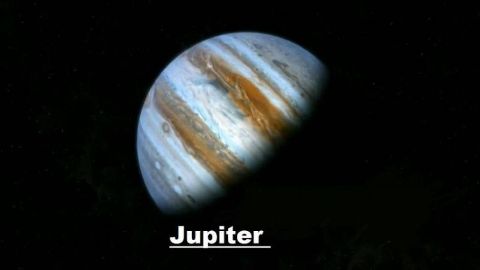
George meets Professor Leigh Fletcher at the University of Leicester. When Chris met him two years ago, only one JWST image of Jupiter had been released. Now, he has data from all four of the outer planets of the solar system, and they have all thrown up surprises. JWST has revealed new jet streams on Jupiter and provided a greater understanding of its Galilean moons. Seasonal changes on Saturn have now been documented, and Uranus and Neptune have thrown up quirks that need another few years of work to understand.
Chris also visits the University of Cambridge to meet Dr Sandro Tacchella, who has been part of a team looking back at some of the earliest galaxies. He explains what new light the JWST data can shed on ancient stars, and what that can reveal about how our cosmos formed after the Big Bang.
Finally, our resident astronomer Pete Lawrence guides us through what there is to see in this month’s night sky, and how you too can look at some of the same targets as the James Webb Space Telescope – just not quite in the same level of detail!
S68E4 •
BBC The Sky at Night •
2024 •
Astronomy