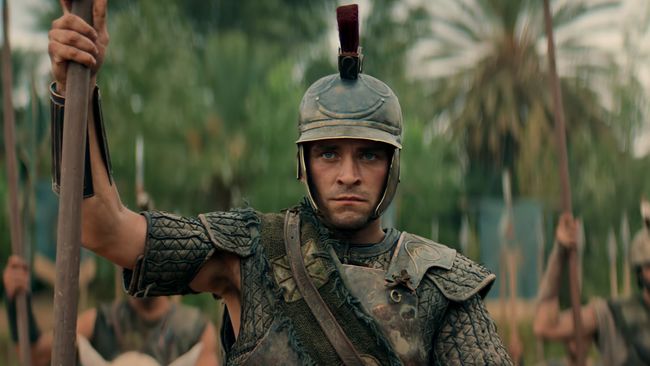
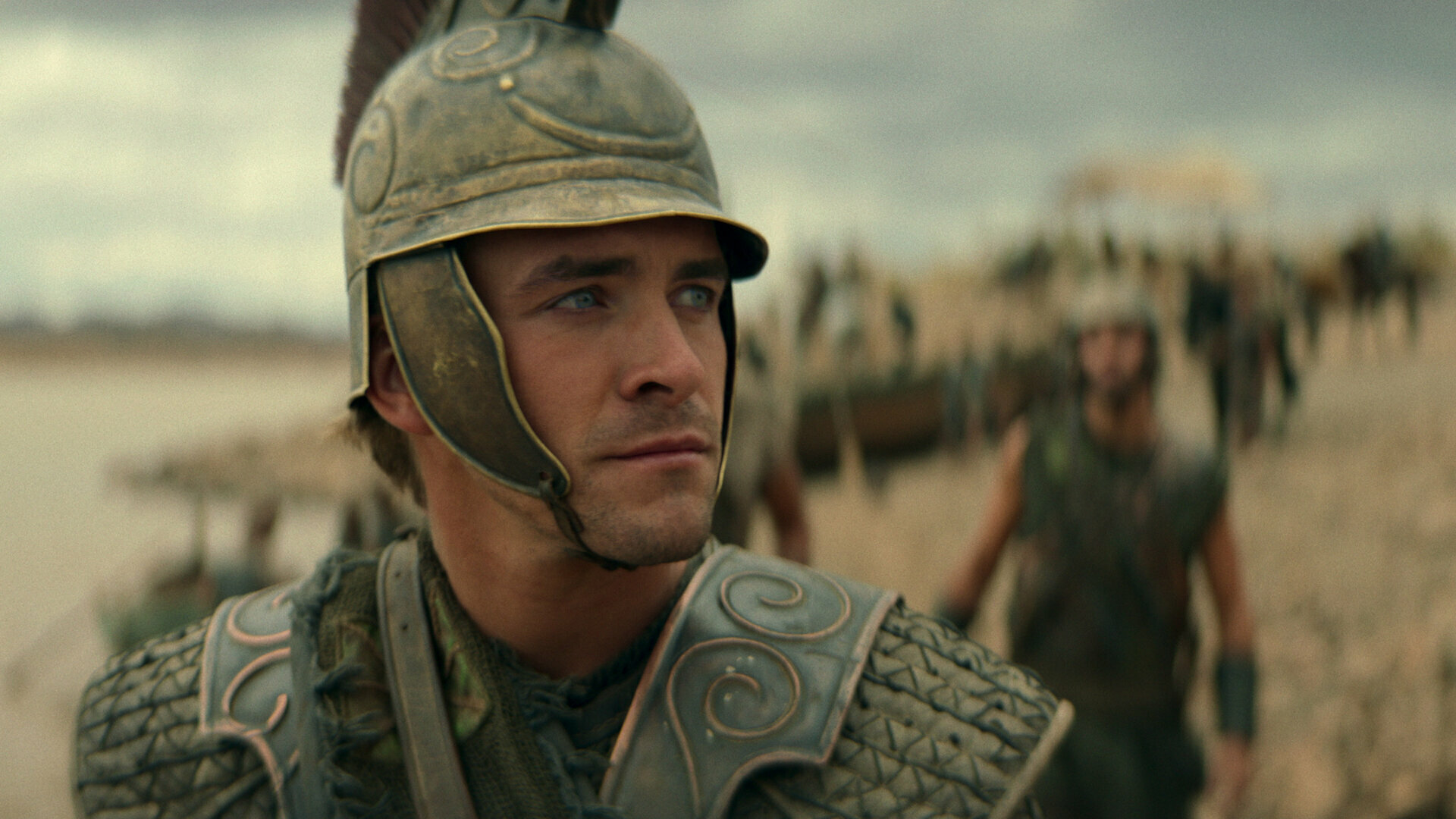
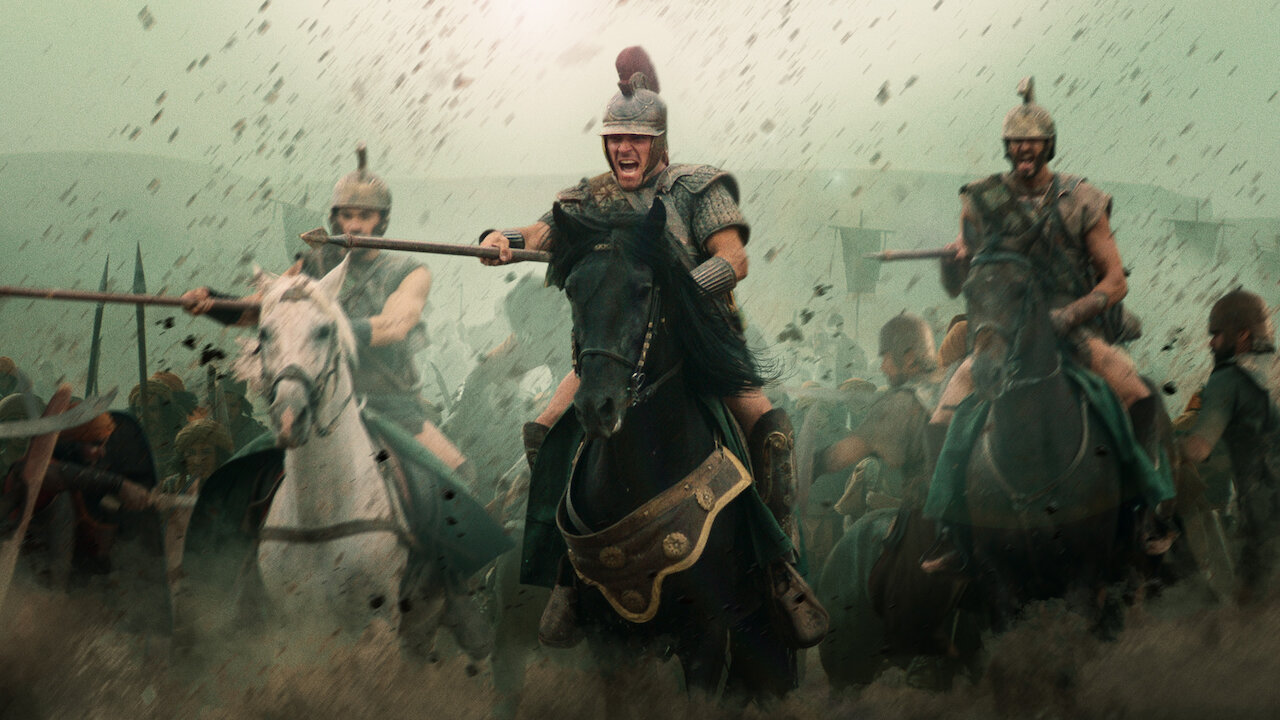
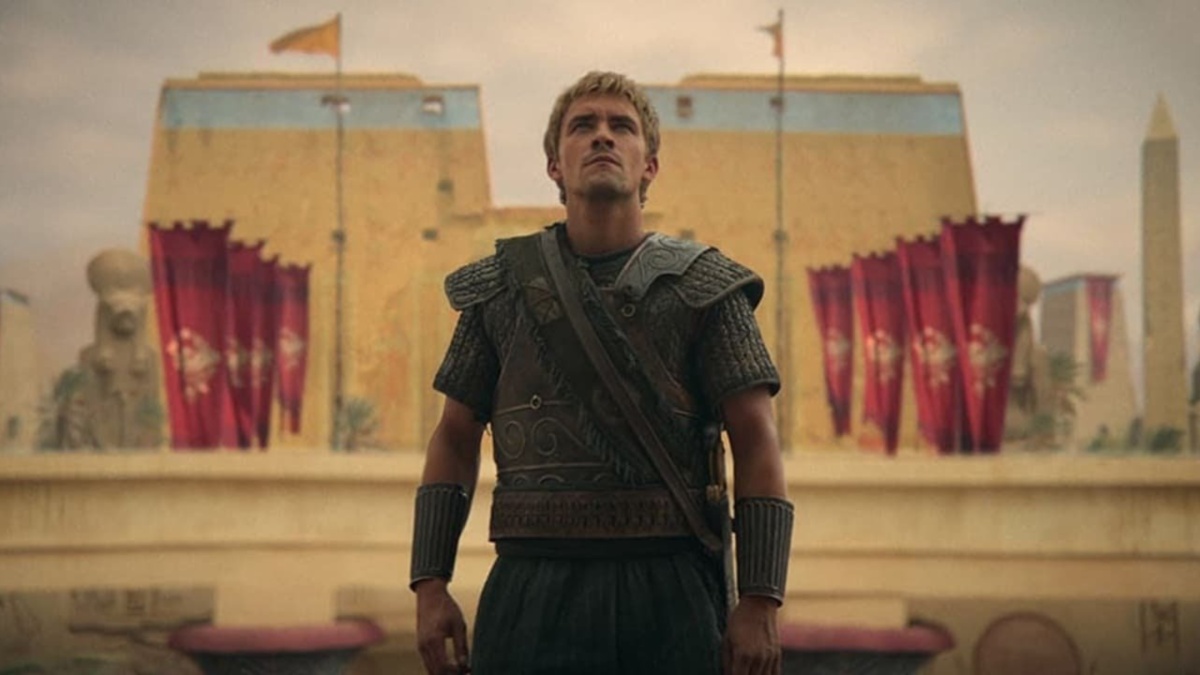
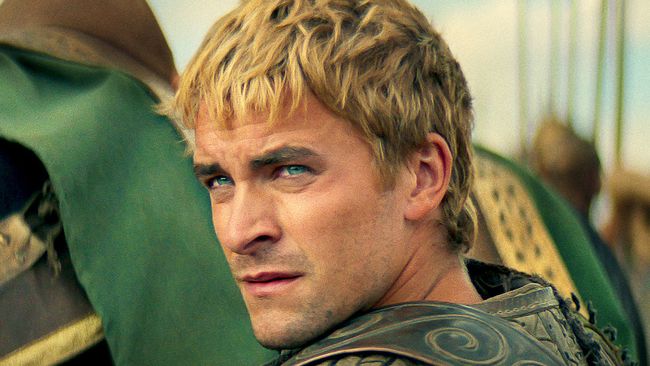
After a violent murder, a young Alexander ascends the throne of Macedonia and takes up arms against the mighty Persian Empire, ruled by Darius III.
Hope you're finding these documentaries fascinating and eye-opening. It's just me, working hard behind the scenes to bring you this enriching content.
Running and maintaining a website like this takes time and resources. That's why I'm reaching out to you. If you appreciate what I do and would like to support my efforts, would you consider "buying me a coffee"?
BTC: bc1q8ldskxh4x9qnddhcrgcun8rtvddeldm2a07r2v
ETH: 0x5CCAAA1afc5c5D814129d99277dDb5A979672116
With your donation through , you can show your appreciation and help me keep this project going. Every contribution, no matter how small, makes a significant impact. It goes directly towards covering server costs.
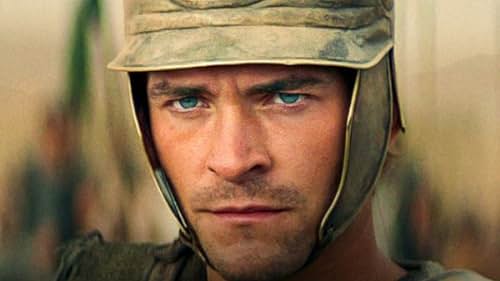
After a violent murder, a young Alexander ascends the throne of Macedonia and takes up arms against the mighty Persian Empire, ruled by Darius III.
2024 • History
Alexander leads army to victory in western Persia. Darius III reassesses opponent as tyrant inside Alexander starts to emerge.
2024 • History
After defeating Darius III at Battle of Issus against odds, Alexander falls back and sets sights on unexpected target: Egypt.
2024 • History
After Egypt brings new purpose, Alexander embarks on a dangerous quest to find an oracle and discover his identity.
2024 • History
Alexander faces his destiny leading his army into Persia's heart. Peace impossible, he heads for a final confrontation with Darius III.
2024 • History
The Persian Empire conquered, Alexander defeats Darius III. Still ambitious, he now seeks to control the entire world.
2024 • History
Simon explores the early years of the country, its emergence as the battleground of empires and its golden age under the Cordoba Caliphate.
S1E1 • Blood and Gold: The Making of Spain • 2015 • History
By assassinating nearly a third of Europe's workers in some countries, World War 1 reduced the militant mass to silence. But it was above all the repressive measures of the major democracies that, from deportations to executions, dealt a blow to the anarchist movement. In this fertile inter-war period, where capitalism gave birth to its two foul beasts, Stalinism and fascism, more than ever before, anarchism continued to be the only force of resistance for the people, in the face of the totalitarian hydra that was increasingly generalising theft and industrialising death. From Boston to Barcelona, from Tokyo to Paris, anarchism was to lead a struggle on all fronts. It was eventually in Spain, during the course of a war resembling a revolution that the movement finally came within reach of utopia.
S1E3 • No Gods, No Masters: A History of Anarchism • 2016 • History
The 'Barbarians' are often blamed for the collapse of the Roman Empire, but in reality they were fascinating civilisations that produced magnificent art. Focusing on the Huns, Vandals and Goths, Waldemar follows each tribe's journey across Europe and discovers the incredible art they produced along the way.
Part 2 • The Dark Ages: An Age of Light • 2012 • History
After four centuries of occupation and leadership, the Romans left Britain in 410 AD and the island’s fate was left hanging in the balance. History teaches that in the 5th century, the country descended into a tumultuous and violent period knows as the Dark Ages, leaving the nation vulnerable to invading Angle and Saxon hordes from northern Europe. With a nation divided, great leader known as King Arthur emerged, uniting the lawless lands to fight off invaders – or at least that’s what the fragmentary historical texts suggest. The truth is, no one really knows what happened, and this pivotal moment in history has been shrouded in mystery – until now. Professor Alice Roberts and a team of experts use new archaeological discoveries to decode Dark Ages myths and piece together a very different story of this turning point in Britain’s history that might also explain the legend of King Arthur.
Secrets of the Dead • 2019 • History
Bettany Hughes' series exploring the lives and teachings of influential ancient philosophers draws to a close with a profile of Confucius, who is credited as the first Chinese thinker to take a systematic philosophical approach to issues of social, political and ethical importance. Born during the chaotic Spring and Autumn period of Chinese history, Confucius believed that harmony could be promoted and achieved through the examples of sage rulers. He was also a innovative teacher, and tried to instill his principles of moral excellence in China's elite, but died without seeing his vision for his nation come to pass. However, his philosophies would eventually form the bedrock of Chinese culture, with many of his principles of tradition surviving to this day.
Part 3 • Genius of the Ancient World • 2015 • History
Europe's history has many dark sides, but its culture is more than a small gleam of hope, it radiates in many areas far out into the world. The old continent sets standards in art, literature, and science. Starting with the ancient Greeks, Europe produces a number of smart and creative minds.
S1E4 • The Story of Europe • 2018 • History