From Hunters to Farmers • 2017 • episode "S1E1" • Secrets of the Stone Age

Category: History | Torrent:

Around 12,000 years ago, humans began abandoning a nomadic existence for settled life. The episode follows the emergence of agriculture and animal husbandry, the growth of settlements, changing diets, and the remarkable discovery of Göbekli Tepe in southern Turkey—where hunter-gatherers erected massive decorated stone columns long before farming became widespread.

Make a donation

Buy a brother a hot coffee? Or a cold beer?

Hope you're finding these documentaries fascinating and eye-opening. It's just me, working hard behind the scenes to bring you this enriching content.

Running and maintaining a website like this takes time and resources. That's why I'm reaching out to you. If you appreciate what I do and would like to support my efforts, would you consider "buying me a coffee"?

Donation addresses

Buy Me a Coffee at ko-fi.com

patreon.com

BTC: bc1q8ldskxh4x9qnddhcrgcun8rtvddeldm2a07r2v

ETH: 0x5CCAAA1afc5c5D814129d99277dDb5A979672116

With your donation through , you can show your appreciation and help me keep this project going. Every contribution, no matter how small, makes a significant impact. It goes directly towards covering server costs.
Secrets of the Stone Age • 2017 • 2 episodes •

From Hunters to Farmers

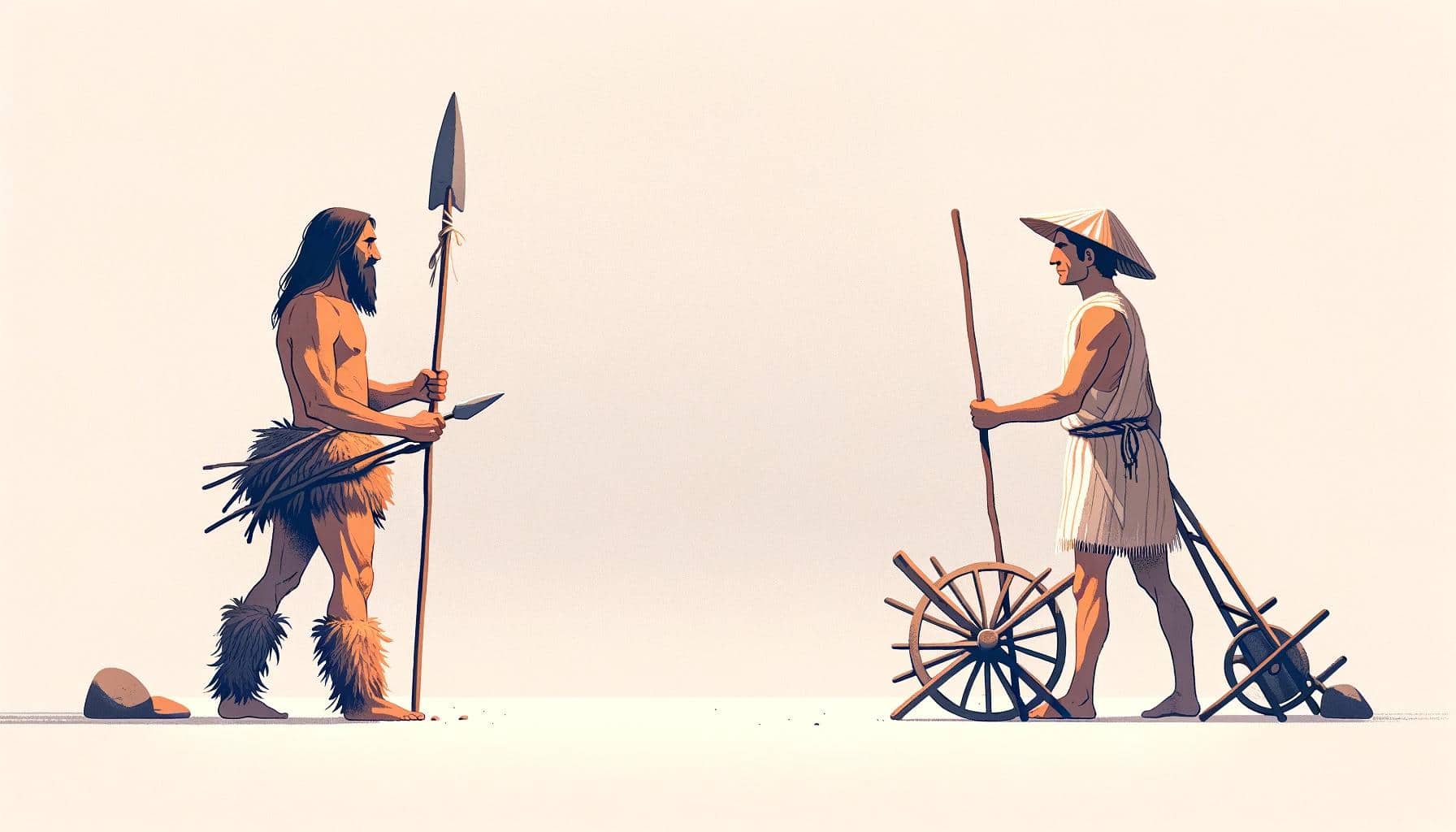
Around 12,000 years ago, humans began abandoning a nomadic existence for settled life. The episode follows the emergence of agriculture and animal husbandry, the growth of settlements, changing diets, and the remarkable discovery of Göbekli Tepe in southern Turkey—where hunter-gatherers erected massive decorated stone columns long before farming became widespread.

2017 • History

Witnesses for Eternity

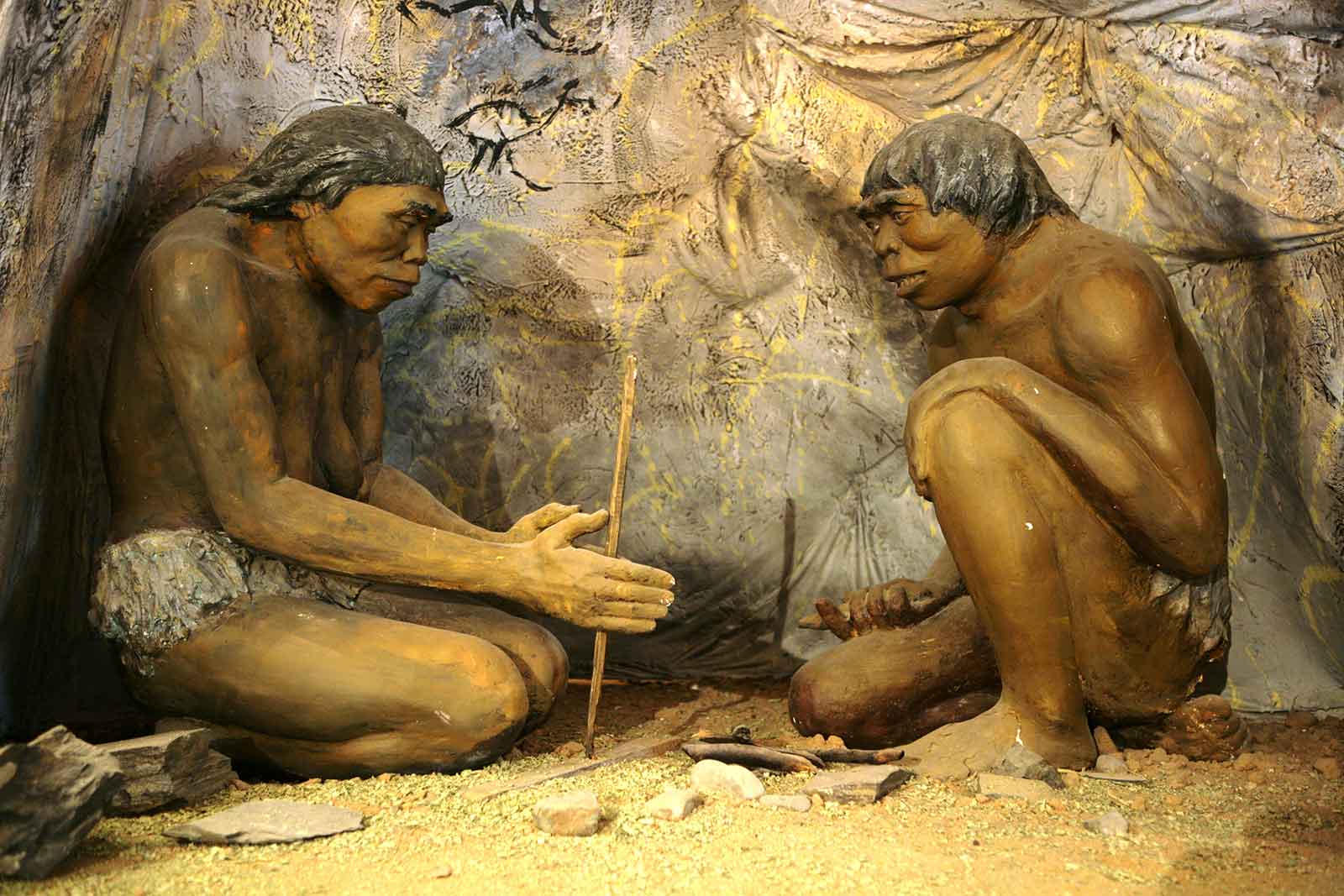
How did Stone Age communities build enormous burial mounds, stone circles, temples, and tombs with the limited technology available to them? This episode visits major archaeological sites in Scotland, Brittany, Austria, Malta, Turkey, and Jordan to investigate how massive stones were transported, what these monuments meant, and what they reveal about early social organization and beliefs.

2017 • History

You might also like

24 Hours after Hiroshima

The National Geographic Channel EXPLORER series takes on the August 6, 1945, U.S. Air Force atomic bombing of Hiroshima, Japan, in this chronological retelling of the 24 hours following the event. The atomic bombing of Hiroshima, on August 6, 1945, was a moment that changed the world. Power that fueled the stars had been unleashed and turned into a lethal technology. Now learn the second-by-second story of that defining moment through those hit hardest by that weapon--the survivors. On August 6th, 1945 a weapon unlike any other before was unleashed on the Japanese city of Hiroshima. Four days later, the Japanese surrendered having been subjected to horrors and devastation previously unknown and unimaginable. But beyond the horror and human toll, real scientific questions remained unanswered. In 1945, a team of scientists and experts from the Manhattan Project was ordered by President Truman to investigate the facts of what really happened when the atomic bomb exploded over Hiroshima. National Geographic reveals the incredible science behind what happened moment by moment in the 24 Hours After Hiroshima.

Explorer • 2010 • History

Death or Victory

Alexander leads army to victory in western Persia. Darius III reassesses opponent as tyrant inside Alexander starts to emerge.

S1E2 • Alexander: The Making of a God • 2024 • History

The Cold War: 1945-1950

The equation changes: specific month-by-month causes of the Cold War emerge and it is not entirely clear who started it. Highlights include Churchill's Iron Curtain speech, the civil war in Greece and the Red Scare that prompts the rise of Joseph McCarthy, the House Un-American Activities Committee and the FBI

S1E4 • Oliver Stone's Untold History of the United States • 2013 • History

Seeds of hunger: Ukraine 1933

Between 1931 and 1933, 4 million Ukrainians were to die of hunger. This famine was not preceded by any cataclysmic weather event, nor by a war. This was an ideological crime: decided by Stalin and approved by the Politburo, with the aim of punishing Ukrainian peasants who refused the collectivization of the countryside, cultivated a strong form of nationalism and showed resistance to communist ideology. The purpose of this famine, unprecedented in Soviet history, was to break all forms of opposition. How was it implemented? What was known at the time? What was said? What was seen? The most important event in pre-war Soviet history is taboo: all traces of it were immediately erased, and the evidence drowned in a flood of lies. And yet, within just two years, this famine killed twice as many Ukrainians as the gulag did Soviets in half a century. This state secret was particularly well-kept for more than fifty years and only revealed in its full magnitude after the disintegration of the USSR, when the archives were revealed. Drawing on previously unpublished material, on many Soviet films and on a number of particular points of view, including that of Welsh journalist and whistleblower Gareth Jones, this film retraces the story of that famine.

2022 • History

Rise of Civilization

In the region that includes the Mediterranean, the Aegean, Mesopotamia and Egypt, the Bronze Age arrived about 3000 BC and lasted nearly 2000 years. What singled out this period and the new societies and cities that emerged? The development of formal writing is one among several important factors.

S1E1 • Bronze Age • 2016 • History

Egypt's Great Pyramid: The New Evidence

Egypt's Great Pyramid may be humanity's greatest achievement: a skyscraper of stone built without computers or complex machinery. This super-sized tomb has fascinated historians and archaeologists for centuries, but exactly how the ancient Egyptians finished the monument and fitted its two and a half million blocks in a quarter of a century has long remained an enigma. Today the secrets of the pyramid are finally being revealed thanks to a series of new findings. At the foot of the monument, archaeologists are uncovering the last surviving relic of the pharaoh Khufu, whose tomb it is: a huge ceremonial boat buried in flat-pack form for more than 4500 years. It's a clue that points to the important role that ships and water could have played in the pyramids' construction. This documentary follows investigations that reveal how strong the link between pyramids and boats is. It's a story of more than how Egypt built a pyramid: it's about how the pyramid helped build the modern world.

2017 • History