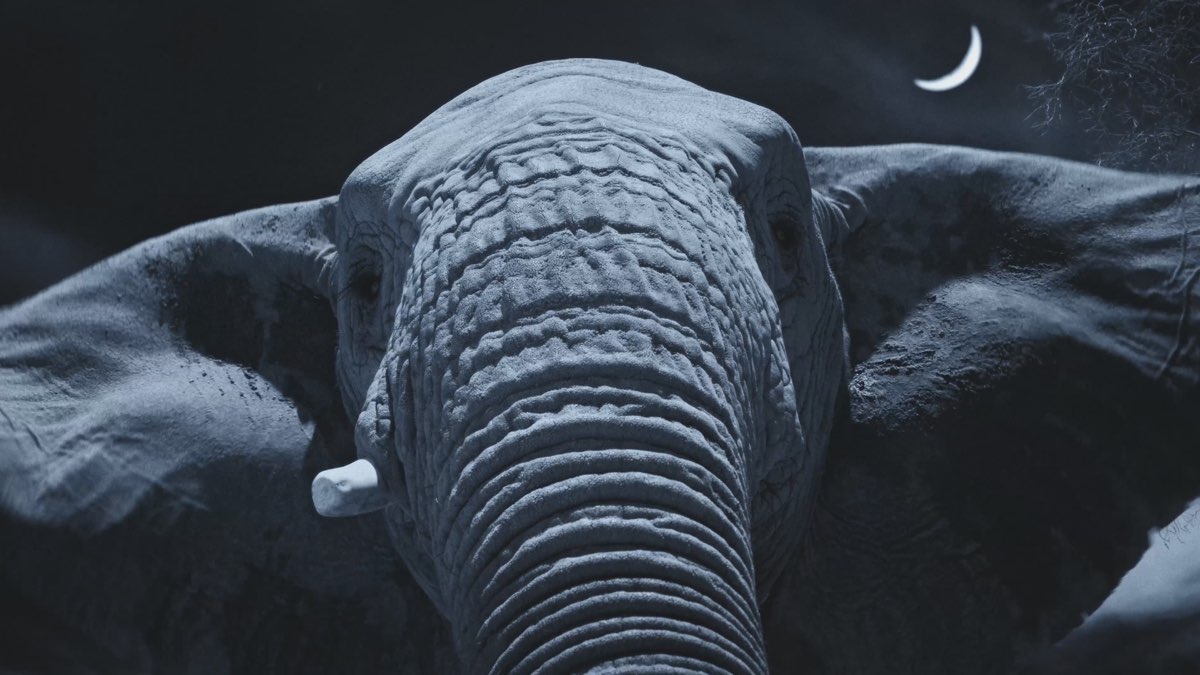
A look at how, across land, sea and sky, animals follow the Moon's hidden forces to navigate epic journeys across the planet.
Hope you're finding these documentaries fascinating and eye-opening. It's just me, working hard behind the scenes to bring you this enriching content.
Running and maintaining a website like this takes time and resources. That's why I'm reaching out to you. If you appreciate what I do and would like to support my efforts, would you consider "buying me a coffee"?
BTC: bc1q8ldskxh4x9qnddhcrgcun8rtvddeldm2a07r2v
ETH: 0x5CCAAA1afc5c5D814129d99277dDb5A979672116
With your donation through , you can show your appreciation and help me keep this project going. Every contribution, no matter how small, makes a significant impact. It goes directly towards covering server costs.
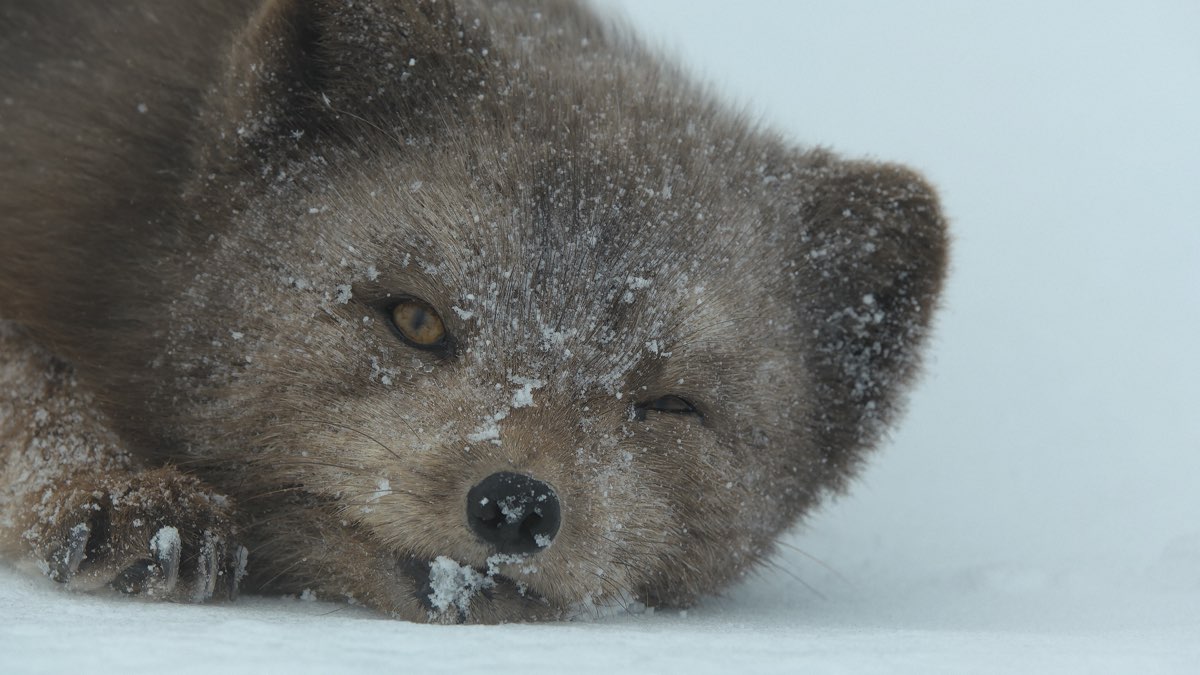
Predator and prey live and die by lunar rules, as moonlight reveals or conceals life's nightly battle for survival.
2025 • Nature
From frozen Arctic tundra to tropical seas, this edition explores how the Moon's rhythms ignite nature's most intimate, dazzling and life-giving love stories.
2025 • Nature
A look at how, across land, sea and sky, animals follow the Moon's hidden forces to navigate epic journeys across the planet.
2025 • Nature
With a million species at risk of extinction, Sir David Attenborough explores how this crisis of biodiversity has consequences for us all, threatening food and water security, undermining our ability to control our climate and even putting us at greater risk of pandemic diseases. Extinction is now happening up to 100 times faster than the natural evolutionary rate, but the issue is about more than the loss of individual species. Everything in the natural world is connected in networks that support the whole of life on earth, including us, and we are losing many of the benefits that nature provides to us. The loss of insects is threatening the pollination of crops, while the loss of biodiversity in the soil also threatens plants growth. Plants underpin many of the things that we need, and yet one in four is now threatened with extinction. Last year, a UN report identified the key drivers of biodiversity loss, including overfishing, climate change and pollution. But the single biggest driver of biodiversity loss is the destruction of natural habitats. Seventy-five per cent of Earth's land surface (where not covered by ice) has been changed by humans, much of it for agriculture, and as consumers we may unwittingly be contributing towards the loss of species through what we buy in the supermarket. Our destructive relationship with the natural world isn’t just putting the ecosystems that we rely on at risk. Human activities like the trade in animals and the destruction of habitats drive the emergence of diseases. Disease ecologists believe that if we continue on this pathway, this year’s pandemic will not be a one-off event.
2020 • Nature
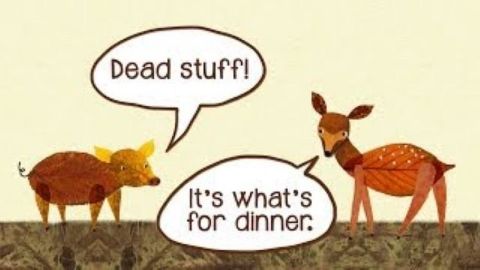
When you picture the lowest levels of the food chain, you might imagine herbivores happily munching on lush, living green plants. But this idyllic image leaves out a huge (and slightly less appetizing) source of nourishment: dead stuff. John C. Moore details the "brown food chain," explaining how such unlikely delicacies as pond scum and animal poop contribute enormous amounts of energy to our ecosystems.
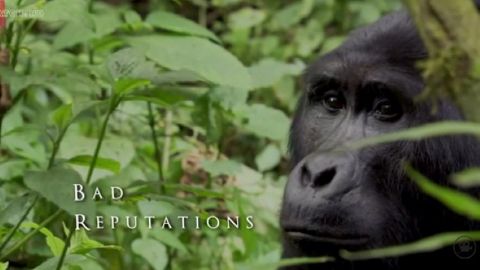
After initially gaining frightening reputations, it's now known that gorillas and bats are a lot gentler and considerate than their early reputations suggest.
S2E5 • Natural Curiosities • Nature
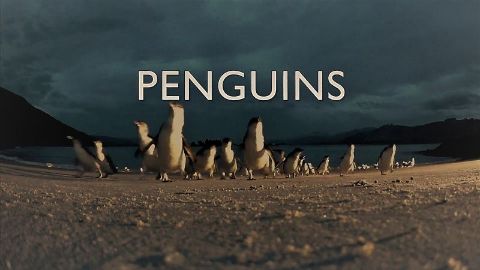
So, you think you know penguins? Experience life in "Penguin Paradise", on South Island, New Zealand, from which the first penguins are supposed to have evolved. Home to unusual penguins like the Little Penguin, and the forest-dwelling crested Fiordland Penguin - it is a penguin wonderland!
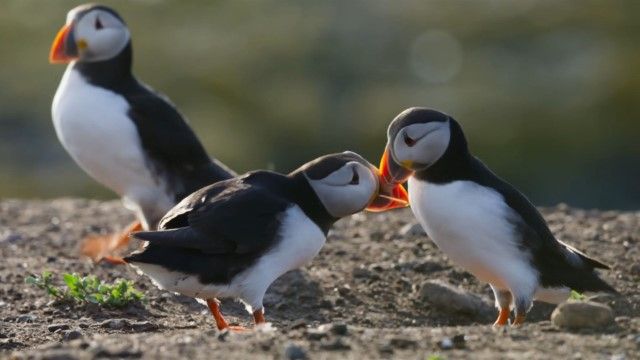
David Attenborough introduces the colourful underwater world of Britain and Ireland's oceans, including thousands of grey seals congregating on the Norfolk shoreline to give birth. Rich beds of sea grass act as important carbon storage areas, as well as providing home for seahorses, while on the shallow seabed, the spider crab undergoes a mass migration of epic scale.
S1E5 • Wild Isles • 2023 • Nature
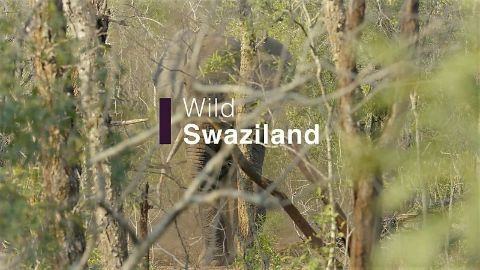
Journey deep into the heart of Swaziland--a wild kingdom of riverine forests and endless savanna. From dominant elephant herds to tiny dung beetles, a number of diverse keystone species are shaping a vibrant ecosystem.
S1E4 • Africa's Wild Horizons • 2017 • Nature