Hope you're finding these documentaries fascinating and eye-opening. It's just me, working hard behind the scenes to bring you this enriching content.
Running and maintaining a website like this takes time and resources. That's why I'm reaching out to you. If you appreciate what I do and would like to support my efforts, would you consider "buying me a coffee"?
BTC: bc1q8ldskxh4x9qnddhcrgcun8rtvddeldm2a07r2v
ETH: 0x5CCAAA1afc5c5D814129d99277dDb5A979672116
With your donation through , you can show your appreciation and help me keep this project going. Every contribution, no matter how small, makes a significant impact. It goes directly towards covering server costs.
In Episode 1: A Changing World, we see the changes that are upsetting the scientific predictions of the impact of climate change on the Arctic. Now, one sobering forecast is that the Arctic Ocean will be seasonally ice free by the summer of 2013. This possibility is what drives environmentalists to identify ways to minimize the changes affecting this snowy land. But for prospectors like Gordon McCreary, climate change brings new opportunities. He is part of the rush to claim the riches beneath the Arctic's ice: deposits of metals, gold, diamonds, and oil and gas.
S48E15 • The Nature of Things • 2009 • Environment
Their beauty has captivated us for millennia. Their cost can be extraordinary–some are even considered priceless. Precious gems like diamonds, rubies, emeralds, opal, and jade are the ultimate treasures of the earth, and each one is made from a specific–and often torturous–recipe of chemistry, pressure, and heat. The secrets to their sparkle, color, and even strength lie deep inside the gems themselves, but could they also hold clues to one of the most enduring mysteries in the field of geology? From Tiffany’s workshop in New York to the sapphire mines of Sri Lanka, from North Carolina’s emerald fields to the jade-laden Forbidden City of China.
Part 1 • Treasures of the Earth • 2016 • Environment
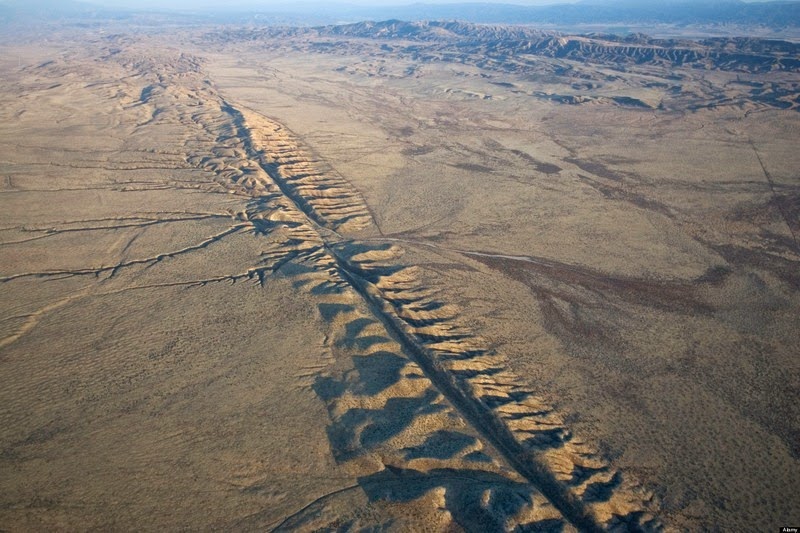
The discovery of the San Andreas Fault and efforts to understand it are described.
S1E1 • How the Earth Was Made • 2009 • Environment
A look at what is being done to preserve the South Pacific and its wildlife.
S1E6 • South Pacific • Environment
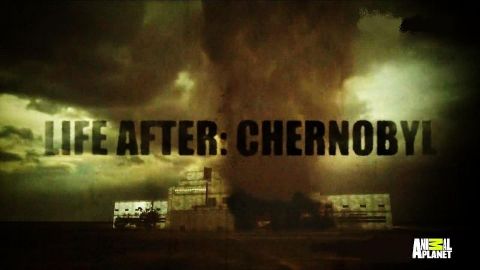
The disaster began during a routine systems test at reactor number four of the Chernobyl plant located near the town of Pripyat, on April 26, 1986. After a power surge, an emergency shutdown was attempted and after a subsequent power spike, there was a reactor vessel rupture and a series of steam explosions. The cascading course of events led to exposing the graphite moderator of the reactor to the air, causing it to catch fire. This sent a plume of highly radioactive fallout into the atmosphere. The fallout from Chernobyl prompted mass evacuations as it drifted over an extensive geographical area, including the western Soviet Union and Europe. Over 350,000 people were resettled from contaminated areas of Belarus, Russia, and the Ukraine. Thirty-one deaths are directly attributed to the accident, and all the deaths were among reactor staff and emergency workers. This is the kind of atmosphere Nelson and Ochota are investigating on Life After: Chernobyl as they attempt to determine how the radiation continues to impact the affected areas. They are allowed to stay for as long as they need to in order to conduct their ground-breaking research, but the duo must also be sure to take the necessary safety precautions. Broadway World noted in their Life After: Chernobyl article that by staying in the area for too long, the radiation exposure could reach dangerously high levels in their bodies, and they must always monitor the radiation levels.
2014 • Environment
Witness the birth, growth and death of an island in the greatest ocean on Earth.
S1E4 • South Pacific • Environment