Part 1 • 2021 • episode "S1E1" • Life at the Waterhole

Category: Nature | Torrent: | Subtitle:

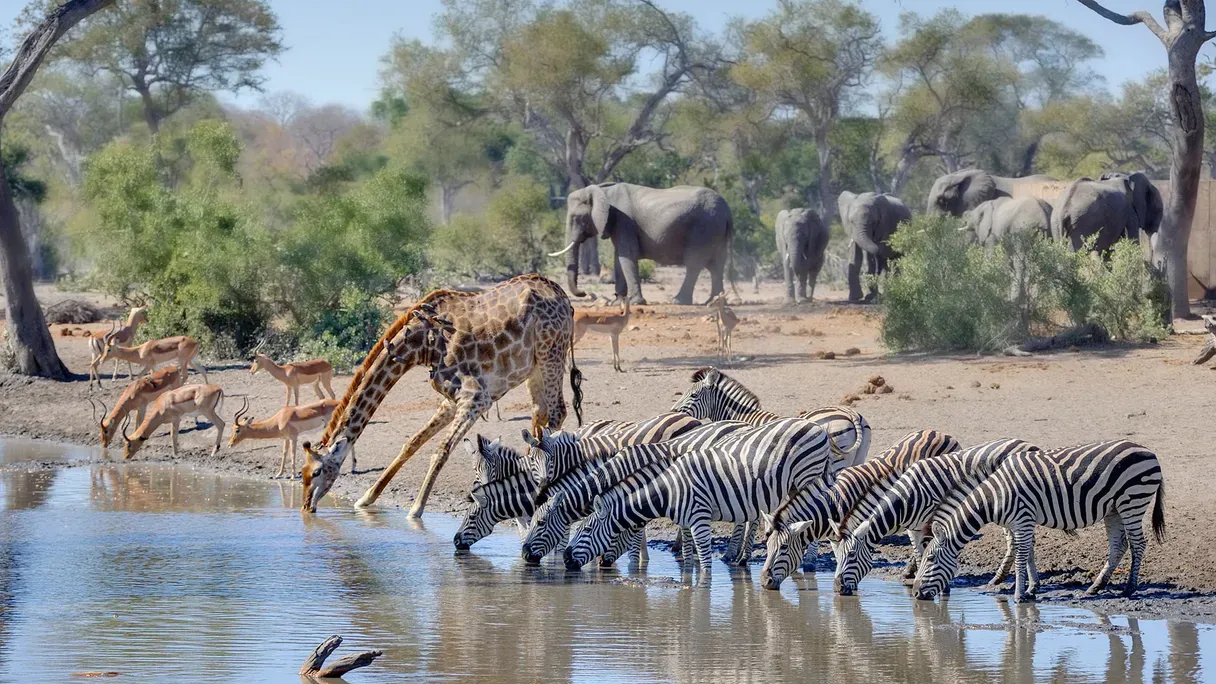
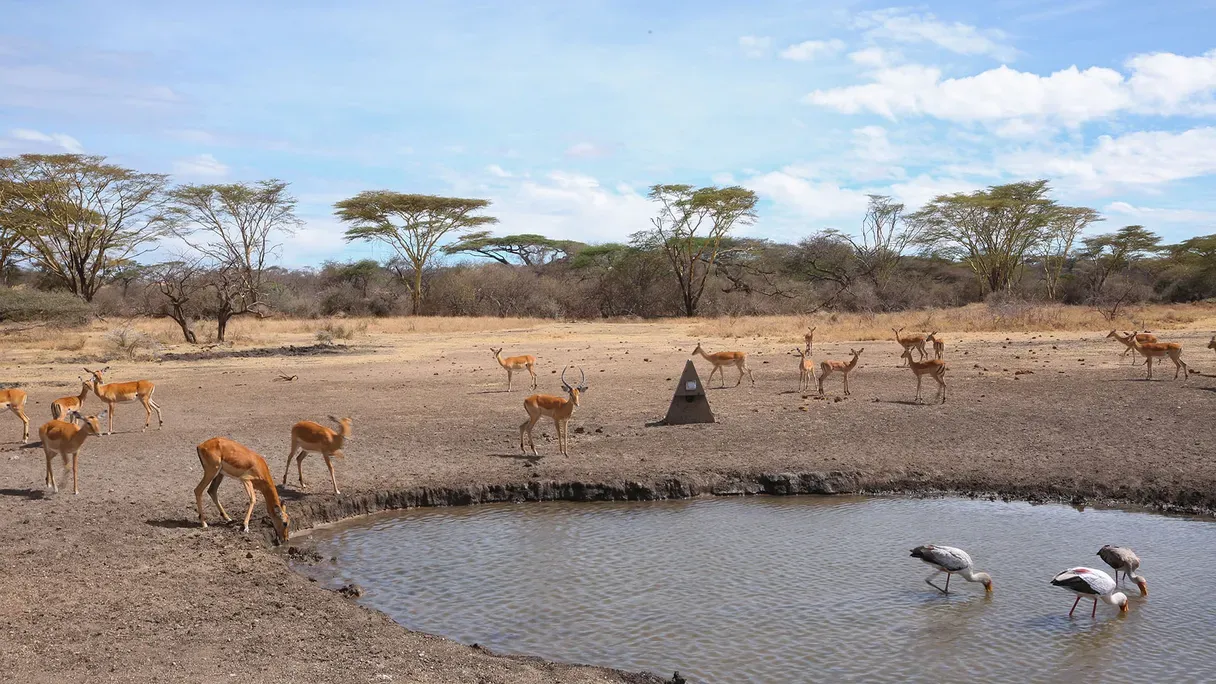
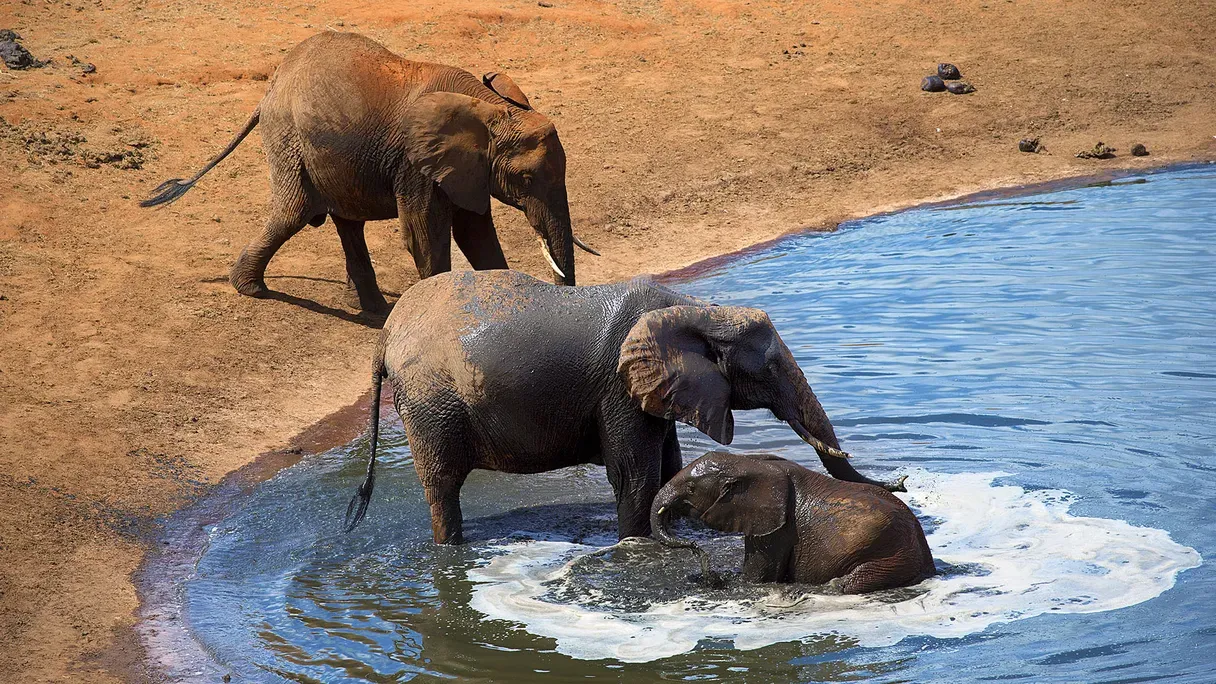
Meet the first animal visitors to a new manmade waterhole in the African savannah. Using state-of-the-art cameras, scientists watch as warthogs and elephants discover the new oasis. But things become dangerous when leopards and lions close in.

Make a donation

Buy a brother a hot coffee? Or a cold beer?

Hope you're finding these documentaries fascinating and eye-opening. It's just me, working hard behind the scenes to bring you this enriching content.

Running and maintaining a website like this takes time and resources. That's why I'm reaching out to you. If you appreciate what I do and would like to support my efforts, would you consider "buying me a coffee"?

Donation addresses

Buy Me a Coffee at ko-fi.com

patreon.com

BTC: bc1q8ldskxh4x9qnddhcrgcun8rtvddeldm2a07r2v

ETH: 0x5CCAAA1afc5c5D814129d99277dDb5A979672116

With your donation through , you can show your appreciation and help me keep this project going. Every contribution, no matter how small, makes a significant impact. It goes directly towards covering server costs.
Life at the Waterhole • 2021 • 3 episodes •

Part 1

Meet the first animal visitors to a new manmade waterhole in the African savannah. Using state-of-the-art cameras, scientists watch as warthogs and elephants discover the new oasis. But things become dangerous when leopards and lions close in.

2021 • Nature

Part 2

Discover how hotter weather impacts the animals, as the waterhole becomes busier in the evening cool. Nocturnal activity brings a new predator out of the shadows: hyena, creatures so elusive it’s hard to know the size of the clan.

2021 • Nature

Part 3

Learn how rain transforms the area into a lush grazing pasture, creating an abundance of food. Moderate weather makes it harder for predators, as prey can migrate further. With plenty of food available, mating and birthing seasons have arrived.

2021 • Nature

You might also like

Trek of the Titans

The leatherback sea turtle is a magnificent creature that can be found in Atlantic, Pacific, and Indian Oceans. This ancient species swims faster, travels further, and dives deeper than any other reptile on the planet. In the Atlantic, they migrate every year from their nesting grounds in the Caribbean to the chilly waters off the east coast of Canada where they feast on jellyfish. This epic annual journey – at a staggering 12,000 km – is the longest for any reptile in the world.

S53E13 • The Nature of Things • 2014 • Nature

Finding Food

The search for food in the animal world. With leaves defended by poisons and seeds clad in thorns, animals fight back in very innovative ways.

3/12 • Trials of Life • 1990 • Nature

Animal Espionage

How do you study an animal you can't even get close to? Camera traps and drones are revolutionizing wildlife biology by recording the secret lives of animals—from whales and tigers to elusive giant armadillos—all without disturbing them.

NOVA PBS • 2019 • Nature

Continuing the Line

A look at the many and varied ways in which animals procreate in order to ensure that their genes are passed on to the next generation.

12/12 • Trials of Life • 1990 • Nature

Footprints in the Snow

This episode discusses the human exploration of Antarctica, in particular the mission led by Captain Robert Falcon Scott, whose team died on the way back from the South Pole. It shows the scientific work in the modern human bases in Antarctica, especially Mawson Base and its observation of Adelie Penguins (partially through tracking devices).

Life in the Freezer • 2003 • Nature

Snowball

In Snowball, Chris Packham tells the story of the astonishing moment in Earth’s distant past, when almost the entire planet froze – a glistening ‘Snowball Earth’ in the dark void of space. With ice wrapped around the planet to the equator, the chances of life surviving hang in the balance. Earth’s terrifying journey into the deep freeze started with fire, not ice. 800 million years ago, long before the age of the dinosaurs, before there was even animal life, the giant supercontinent Rodinia broke up. Earth’s vast powerful tectonic forces ripped the land apart, kicking off a series of events that resulted in huge amounts of carbon dioxide being sucked from the atmosphere and sending global temperatures plummeting. This plunge into the deep freeze couldn’t have come at a worse time. The very first forms of complex life - the ancestors to the amazing life we see around us today - were evolving but, as the planet froze to the equator, it looked like their days were numbered. Happily, Chris discovers that after 50 million years locked in ice, volcanic eruptions drove a great thaw. Life broke free from the ice and soon made a giant leap, from the microscopic, to the first animals big enough to see and touch.

S1E2 • Earth: One Planet, Many Lives • 2023 • Nature