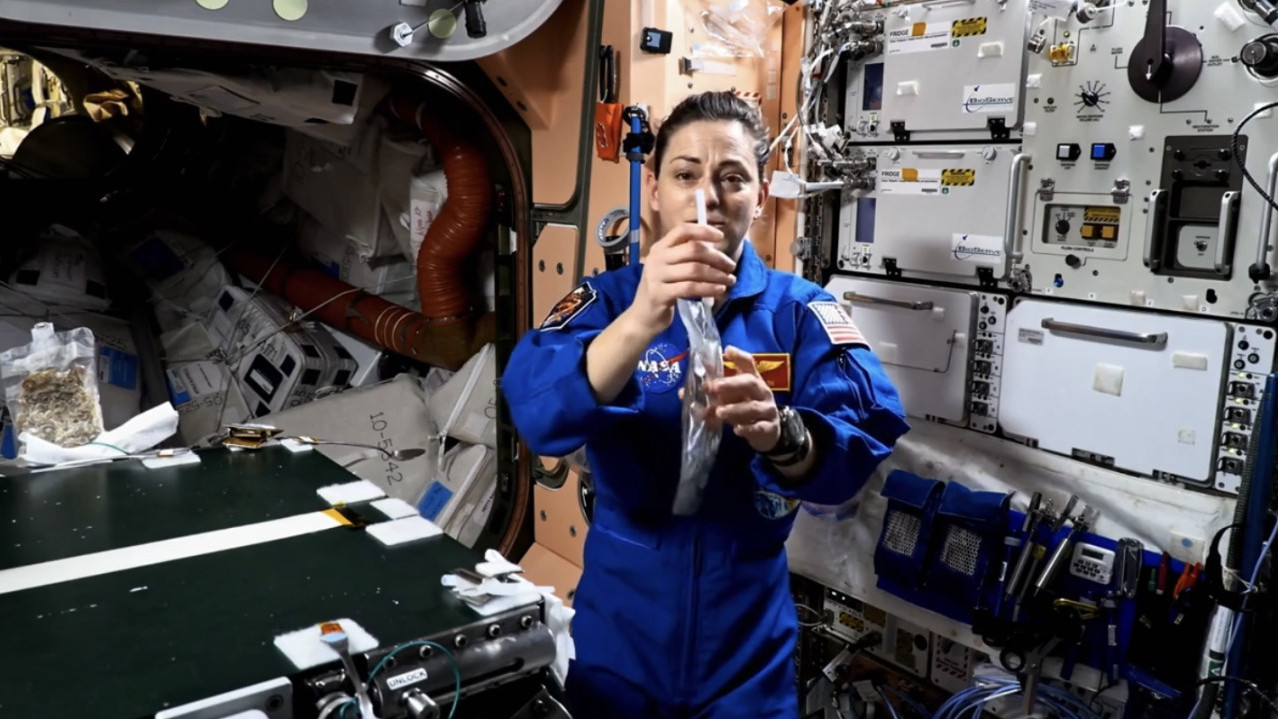
Explores the ever-present dangers faced by astronauts on the ISS, ranging from meteor strikes and docking disasters to the entire station backflipping out of control.
Hope you're finding these documentaries fascinating and eye-opening. It's just me, working hard behind the scenes to bring you this enriching content.
Running and maintaining a website like this takes time and resources. That's why I'm reaching out to you. If you appreciate what I do and would like to support my efforts, would you consider "buying me a coffee"?
BTC: bc1q8ldskxh4x9qnddhcrgcun8rtvddeldm2a07r2v
ETH: 0x5CCAAA1afc5c5D814129d99277dDb5A979672116
With your donation through , you can show your appreciation and help me keep this project going. Every contribution, no matter how small, makes a significant impact. It goes directly towards covering server costs.
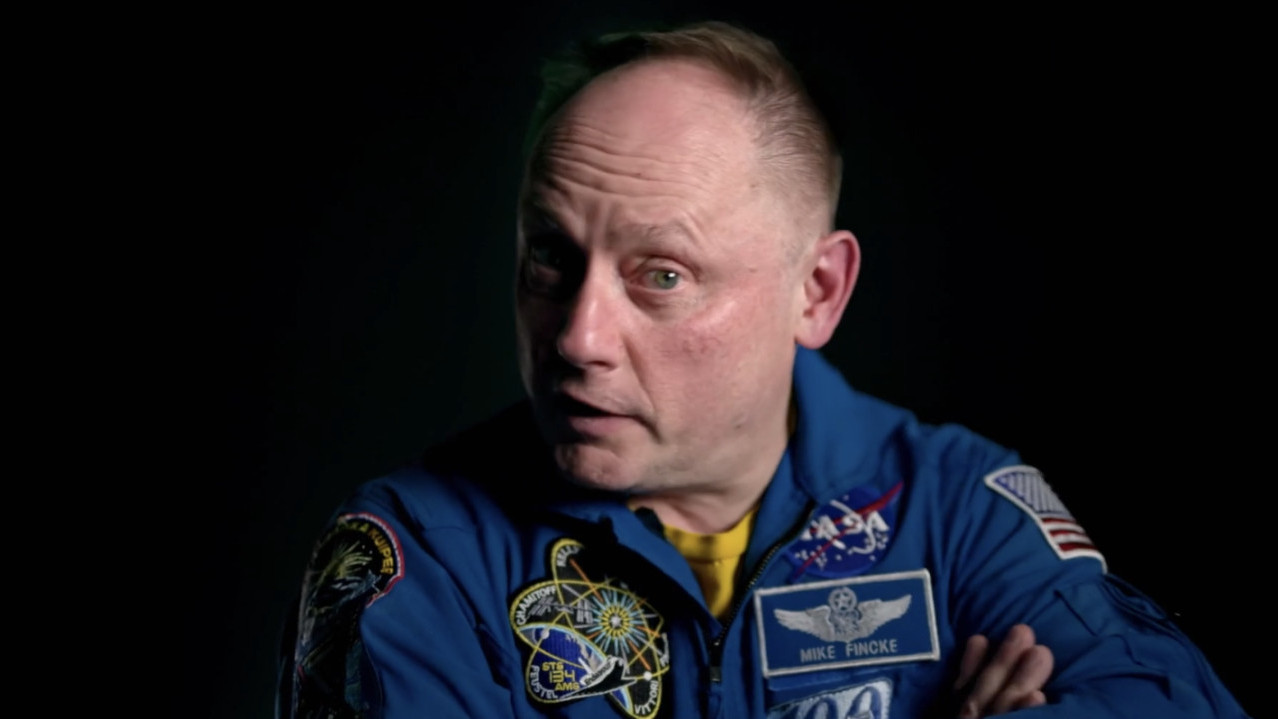
Explores the danger and ambition of building the International Space Station in space, where a single mistake could prove fatal.
2025 • Astronomy
Explores the ever-present dangers faced by astronauts on the ISS, ranging from meteor strikes and docking disasters to the entire station backflipping out of control.
2025 • Astronomy
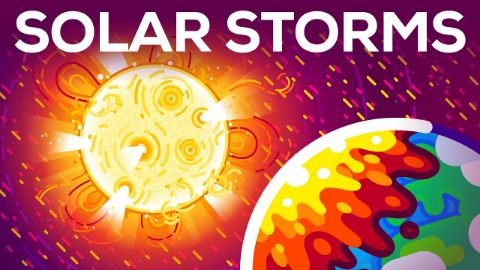
The sun. Smooth and round and peaceful. Except when it suddenly vomits radiation and plasma in random directions. These solar flares and coronal mass ejections, or CMEs can hit earth and have serious consequences for humanity.
In a Nutshell • 2020 • Astronomy
Artificial selection is one example, eyes another, of the well-documented and inescapable process of evolution--change in a population of species over time--by natural selection. These are some of the things that molecules do.
S1E2 • Cosmos: A Spacetime Odyssey • 2014 • Astronomy
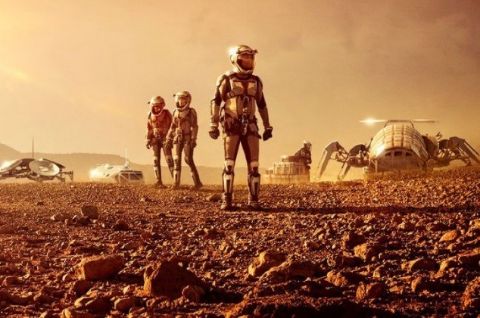
The story is told in a documentary way, looking at the present day. The future mission is filmed as a movie. In this episode scenes are changing in these timeframes.
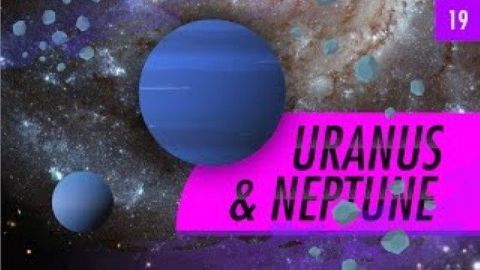
Today we’re rounding out our planetary tour with ice giants Uranus and Neptune. Both have small rocky cores, thick mantles of ammonia, water, and methane, and atmospheres that make them look greenish and blue. Uranus has a truly weird rotation and relatively dull weather, while Neptune has clouds and storms whipped by tremendous winds. Both have rings and moons, with Neptune’s Triton probably being a captured iceball that has active geology.
19 • Crash Course Astronomy • Astronomy
In order to understand how we study the universe, we need to talk a little bit about light. Light is a form of energy. Its wavelength tells us its energy and color. Spectroscopy allows us to analyze those colors and determine an object’s temperature, density, spin, motion, and chemical composition.
24 • Crash Course Astronomy • 2015 • Astronomy
Did you know that we could start building a Lunar Base today?
In a Nutshell • 2018 • Astronomy