Wild Seas • 2015 • episode "S1E5" Arctic Secrets

Category: Nature

North Atlantic bowhead whales have the largest mouths of any living creature and can live up to 200 years. In fact, some still carry harpoon fragments from a century ago. Join two intrepid Inuit tribesmen as they venture into the harsh Arctic region known as Ninginganiq to witness a gathering of these mysterious and awe-inspiring giants.

Make a donation

Buy a brother a hot coffee? Or a cold beer?

Hope you're finding these documentaries fascinating and eye-opening. It's just me, working hard behind the scenes to bring you this enriching content.

Running and maintaining a website like this takes time and resources. That's why I'm reaching out to you. If you appreciate what I do and would like to support my efforts, would you consider "buying me a coffee"?

Donation addresses

Buy Me a Coffee at ko-fi.com

patreon.com

BTC: bc1q8ldskxh4x9qnddhcrgcun8rtvddeldm2a07r2v

ETH: 0x5CCAAA1afc5c5D814129d99277dDb5A979672116

With your donation through , you can show your appreciation and help me keep this project going. Every contribution, no matter how small, makes a significant impact. It goes directly towards covering server costs.
Arctic Secrets • 2015 • 8 episodes •

Land of Extremes

The American Dipper can plunge its head into freezing Arctic water up to 60 times a minute. In the summer, ferocious mosquitoes can draw up to a pint of blood a day from caribou. Take a fascinating look into the Arctic seasons and the impact that rising sea levels have on local wildlife, and, ultimately, our own world.

2015 • Nature

Devon Island: Land of Ice

Canada's Devon Island is the largest uninhabited island in the world--and with good reason. Temperatures below freezing for nine months of the year and an annual rainfall comparable to the Gobi Desert leave the icy landscape so barren that NASA uses it to simulate conditions on Mars. Take an exhilarating expedition into a land where only the most experienced Inuit hunters dare set foot.

2015 • Nature

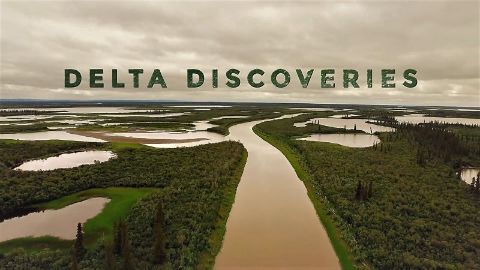
Delta Discoveries

The Mackenzie Delta is an Arctic network of channels and islands at the mouth of Canada's largest river. It's home to the ancient Inuit, as well as a variety of highly specialized wildlife, including the sonorous sandhill and majestic peregrine falcon. Follow them as they contend with a rapidly changing climate.

2015 • Nature

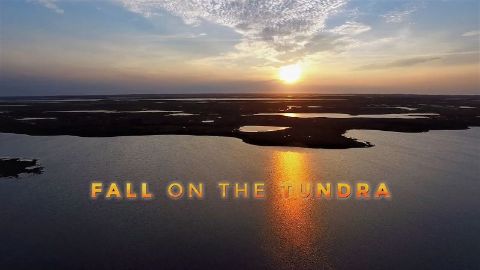
Fall on the Tundra

As the days shorten and the temperature drops, the inhabitants of Nunavik, Quebec prepare to face the approaching arctic winter. Watch as muskoxen fatten up, ptarmigans hunt for berries, and Inuit make use of the last warm days of the year.

2015 • Nature

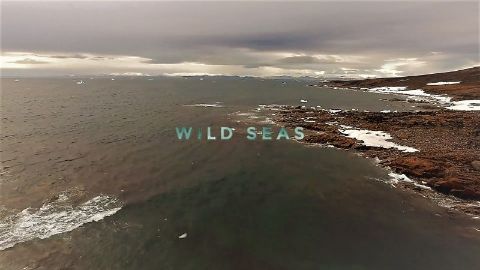
Wild Seas

North Atlantic bowhead whales have the largest mouths of any living creature and can live up to 200 years. In fact, some still carry harpoon fragments from a century ago. Join two intrepid Inuit tribesmen as they venture into the harsh Arctic region known as Ninginganiq to witness a gathering of these mysterious and awe-inspiring giants.

2015 • Nature

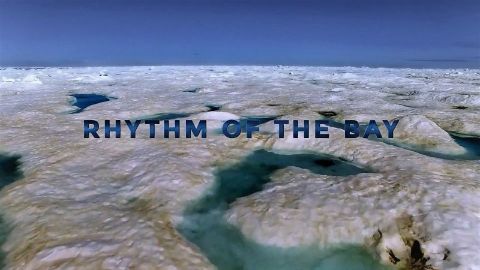
Rhithm of the Bay

Every summer, the frozen waters of Hudson Bay partially thaw for a few short months. For migrating beluga whales, it's a seasonal window of feeding and breeding opportunities, but for polar bears, it's a famine-filled test of their survival. Explore the shifting fortunes of a vibrant Arctic world.

2015 • Nature

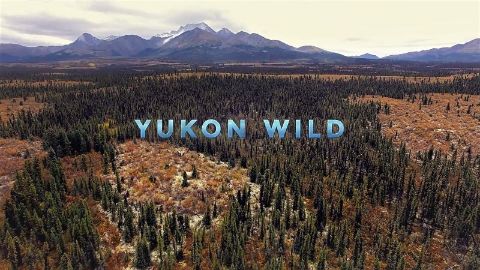
Yukon Wild

Every year, thousands of salmon make their way upstream along the nearly 2000-mile-long mighty Yukon River, desperate to reach spawning beds. Eagerly checking their progress is a host of hungry predators, from grizzly bears to bald eagles-all desperate to stock up on protein before the long winter months ahead.

2015 • Nature

Waiting for Winter

A polar bear mother keeps watch over her cub as they wait for the coming winter and the plentiful feeding opportunities it brings. But there are threats abound: from cannibalistic male bears, to the devastating impact of climate change, which has delayed the seasonal freeze and put them at risk of starvation.

2015 • Nature

You might also like

Polar Worlds

In subzero conditions, emperor penguins use custom calls to find their families. After dark, the northern lights make mesmerizing music.

S1E6Earth Sounds • 2024 • Nature

Jungles

Jungles provide the richest habitats on the planet - mysterious worlds of high drama where extraordinary animals attempt to survive in the most competitive place on earth. Flooded forests are home to caiman-hunting jaguars and strange dolphins that swim amongst the tree tops, while in the dense underworld, ninja frogs fight off wasps and flying dragons soar between trees. Acrobatic indri leap through the forests of Madagascar, while the jungle night conceals strange fungi and glow-in-the-dark creatures never filmed before.

S1E3Planet Earth II • 2016 • Nature

Meet the Moose Family

In the wilds of the Canadian Rocky Mountains, a mother moose tends to her newborn calf. Spring is in full swing, but this far north, winter is never far away and, with hungry bears and wolves for neighbours, many challenges lie ahead. Local cameraman Hugo Kitching knows this only too well, but he is determined to follow the mother and calf through the four seasons. What unfolds is a very intimate story, and when Hugo finds a second moose calf born late in the year, things take an unexpected and dramatic turn.

Natural World • 2016 • Nature

Understanding

Explore how a new understanding of nature is helping us find surprising ways to fix it. From the Pacific Northwest to Yellowstone to Scotland, scientists, citizens and activists are restoring the environment, benefiting humans and animals alike.

S1E2The Age of Nature • 2020 • Nature

Attenborough's Life that Glows

Luminous beings, creatures with their own internal light, enchant and astonish us. Anyone who has seen a firefly or a glow-worm cannot help but fall under their spell. The sea at night sparkles as millions of luminous plankton reveal the shapes of dolphins in a truly magical light show. But why do animals produce living light? For centuries we could only marvel at the beauty and the mystery, but now for the first time we can begin to reveal the amazing truth about living lights. It has taken three crucial technological breakthroughs. Firstly, colour cameras have improved dramatically; they are now over 4,000 times more sensitive than a decade ago. The cameras are so sensitive they are revealing startling discoveries that until now we could not see. Secondly, scientists have entered the unknown world of the boundless deep open ocean with the help of a new generation of submersibles and robots. Thirdly, Ammonite Films have invented and built a series of unique cameras that can capture the faintest ephemeral glow of luminous life. By combining these three innovations, this film shows creatures and behaviours never seen before. Sir David Attenborough is our guide as we venture into a new hitherto unseen world. Bioluminescence is everywhere: in the soil, on the land and throughout the oceans. Join Sir David Attenborough and a team of the world's leading scientists and deep sea explorers on a quest to reveal the secrets of living lights.

2016 • Nature

Last Killers

The third episode looks at the last generation of killer dinosaurs - carnivores that took killing to a new level. By the end of the cretaceous period - 75 millions years ago - these gigantic and specialised hunter-killers had spread throughout the globe. In the southern continents it was the powerful and muscular abelisaurids that reigned supreme but it was the famous tyrannosaurids (or tyrant dinosaurs) that dominated in the north. Whilst the northern daspletosaurus hunted in gangs, using its highly developed smell and hearing to take down opponents like the horned rhino-sized beast, chasmosaurus, in the Southern hemisphere the small-skulled majungasaurus reigned. And though the sharp toothed majungasaurus was an efficient killer of the much smaller feathered rahonavis that did not stop it from occasionally turning cannibal and hunting its own.

S1E3Planet Dinosaur • 2011 • Nature