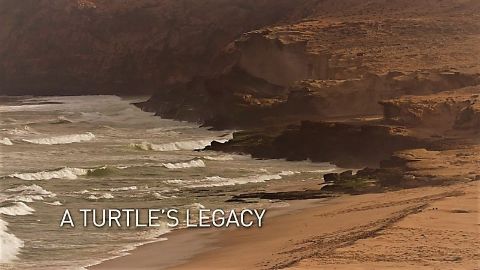
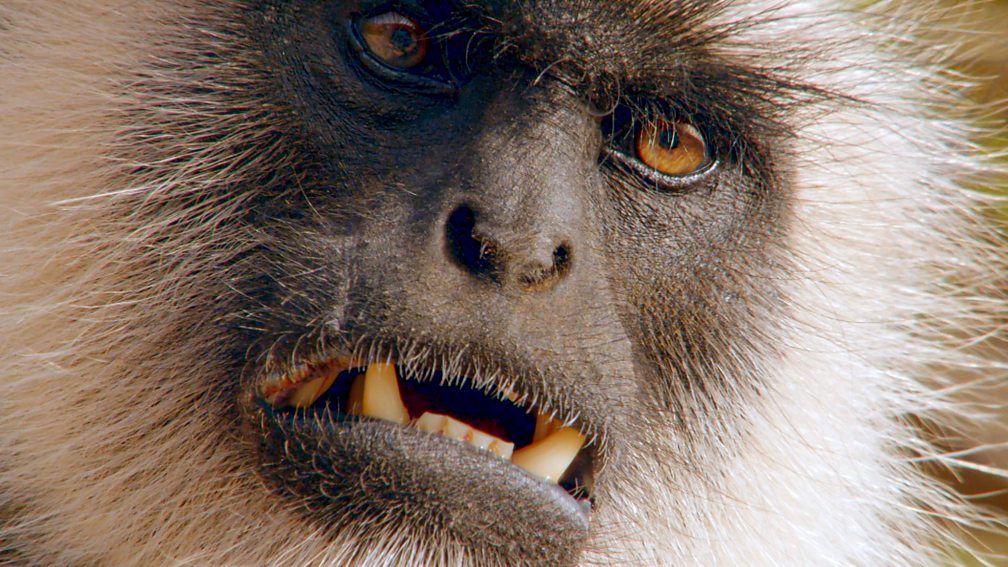
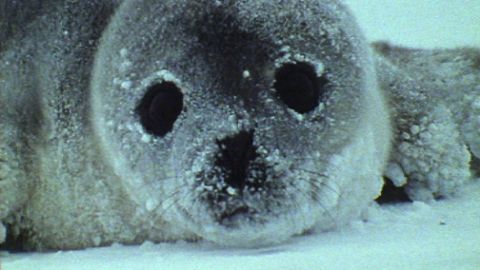
The sea turtle is one of the oldest animals on Earth. These ancient mariners pre-date the dinosaurs and have existed for over 100 million years, but now all seven of the surviving species are endangered.
Hope you're finding these documentaries fascinating and eye-opening. It's just me, working hard behind the scenes to bring you this enriching content.
Running and maintaining a website like this takes time and resources. That's why I'm reaching out to you. If you appreciate what I do and would like to support my efforts, would you consider "buying me a coffee"?
BTC: bc1q8ldskxh4x9qnddhcrgcun8rtvddeldm2a07r2v
ETH: 0x5CCAAA1afc5c5D814129d99277dDb5A979672116
With your donation through , you can show your appreciation and help me keep this project going. Every contribution, no matter how small, makes a significant impact. It goes directly towards covering server costs.
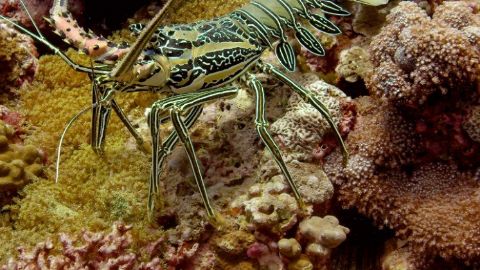
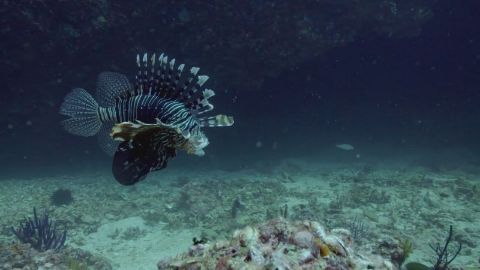
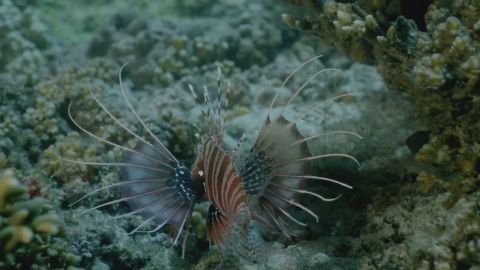
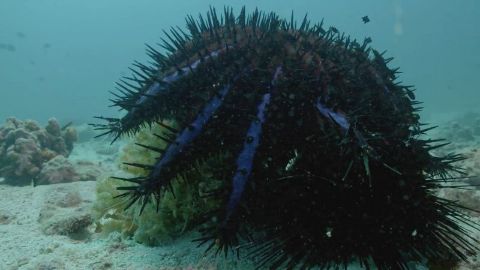
Nine miles off the coast of Oman, a zebra shark scans the ocean floor for crustaceans, while a menacing giant stingray floats by. Soon, night becomes day and new killers emerge, from toxic scorpion fish to crown-of-thorns starfish, both bringing coral devastation. Dive among these deadly marine carnivores.
2018 • Nature
A seahorse blends perfectly into its coral surroundings, while a male day octopus hides to avoid the female's cannibalistic impulses. Meanwhile, cuttlefish change color to both attract mates and ward off rivals. Explore the Gulf of Oman, a kaleidoscope of color coordination, starring the dazzling masqueraders of the Arabian Sea.
2018 • Nature
Despite the scorching heat, a cold upwelling of nutrients in the Gulf of Oman creates favorable conditions for a host of marine migrants. The behemoth whale shark, hawksbill turtle, and millions of tiny, exotic fish settle in to feast. Take a plunge into the algae-cloaked coral reefs of this underwater tapestry.
2018 • Nature
In the Gulf of Oman, survival is all about defense. Some species of sea urchins and sea slugs rely on toxins to keep predators at bay, while guitarfish use their size and armored bodies to stay off the menu. Peek into a little-known reef where fortune favors the bold and the well-prepared.
2018 • Nature
The sea turtle is one of the oldest animals on Earth. These ancient mariners pre-date the dinosaurs and have existed for over 100 million years, but now all seven of the surviving species are endangered.
2018 • Nature
Professor Brian Cox follows Earth's epic journey through space. He takes to the air in a top-secret fighter jet to race the spin of the planet and reverse the passage of the day. In Brazil, a monstrous wave that surges up the Amazon River provides an epic ride of a different kind - chased by a top surfer through the rainforest, this tidal wave marks Earth's constant dance with the Moon. Greenland experiences some of the biggest swings in seasons in the world, but despite the deep freeze, the harsh winter brings opportunity to the Inuit people who live there. All this spectacle here on Earth signals that we are thundering through the universe at breakneck speed. Brian explains why we can't feel it and how understanding motion brings us to understanding the nature of space and time itself, leading to the astonishing conclusion that the past, present and future all exist right now.
Part 2 • Forces of Nature With Brian Cox • 2016 • Nature
Professor Richard Fortey delves into the fascinating and normally-hidden kingdom of fungi. From their spectacular birth, through their secretive underground life to their final explosive death, Richard reveals a remarkable world that few of us understand or even realise exists - yet all life on Earth depends on it. In a specially-built mushroom lab, with the help of mycologist Dr Patrick Hickey and some state-of-the-art technology, Richard brings to life the secret world of mushrooms as never seen before and reveals the spectacular abilities of fungi to break down waste and sustain new plant life, keeping our planet alive. Beyond the lab, Richard travels across Britain and beyond to show us the biggest, fastest and most deadly organisms on the planet - all of them fungi. He reveals their almost magical powers that have world-changing potential - opening up new frontiers in science, medicine and technology.
2014 • Nature
Professor Richard Fortey journeys high in the Rocky Mountains to explore a 520-million-year-old fossilised seabed containing bizarre and experimental lifeforms that have revolutionised our understanding about the beginnings of complex life. Among the amazing finds he uncovers are marine creatures with five eyes and a proboscis; filter-feeders shaped like tulips; worm-like scavengers covered in spikes but with no identifiable head or anus; and a metre-long predator resembling a giant shrimp.
S1E1 • Fossil Wonderlands: Nature's Hidden Treasures • 2014 • Nature
Sir David Attenborough chooses his favourite recordings from the natural world that have revolutionised our understanding of song. Each one - from the song of the largest lemur to the song of the humpback whale to the song of the lyrebird - was recorded in his lifetime. When Sir David was born, the science of song had already been transformed by Charles Darwin’s theory of sexual selection: singing is dangerous as it reveals the singer’s location to predators, but it also offers the male a huge reward, the chance to attract a female and pass on genes to the next generation. Hence males sing and females don't. Today, new science in the field of birdsong is transforming those long-held ideas. Scientists are discovering that, in fact, in the majority of all songbird species, females sing - and it is only now they are being properly heard. Through this revelation and others, we can understand that animal songs are marvelous examples of the spectacular survival strategies that species have developed in order to stay alive.
2021 • Nature
In which John Green and Hank Green teach you about how human primates moved out of Africa and turned Earth into a real-life Planet of the Apes. And the apes are people! John and Hank teach you about how humans evolved, and the sort of tricks they picked up along the way like complex tool use, big brains, and fighting. Learn more: http://www.bighistoryproject.com