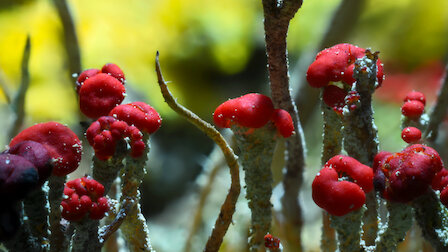
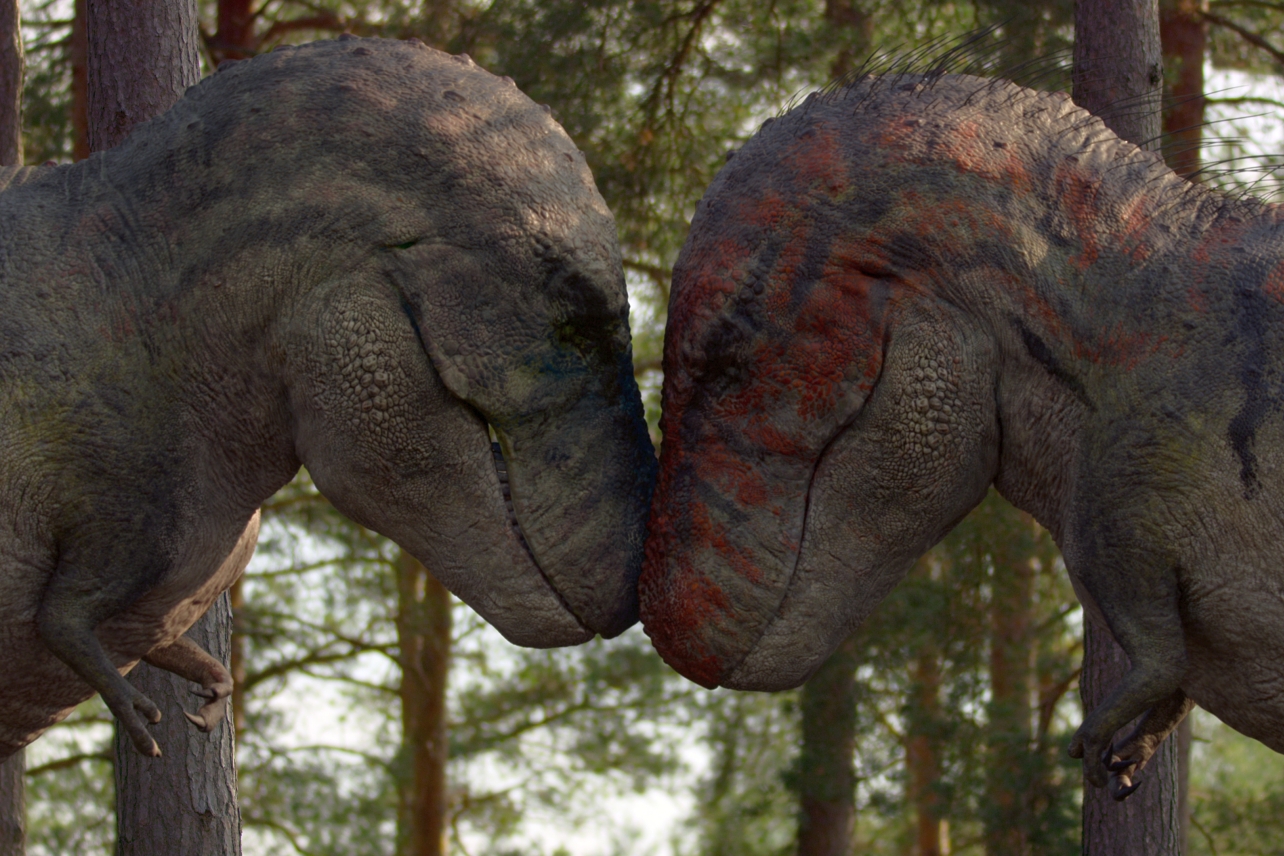
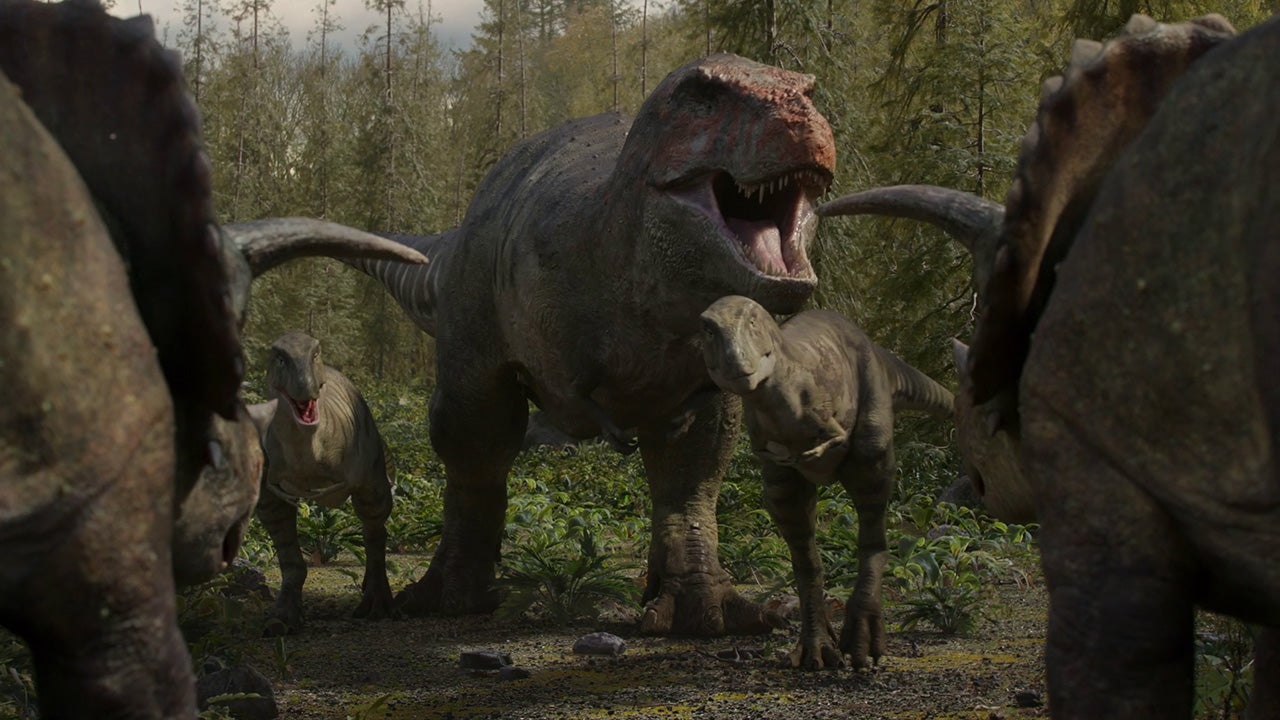
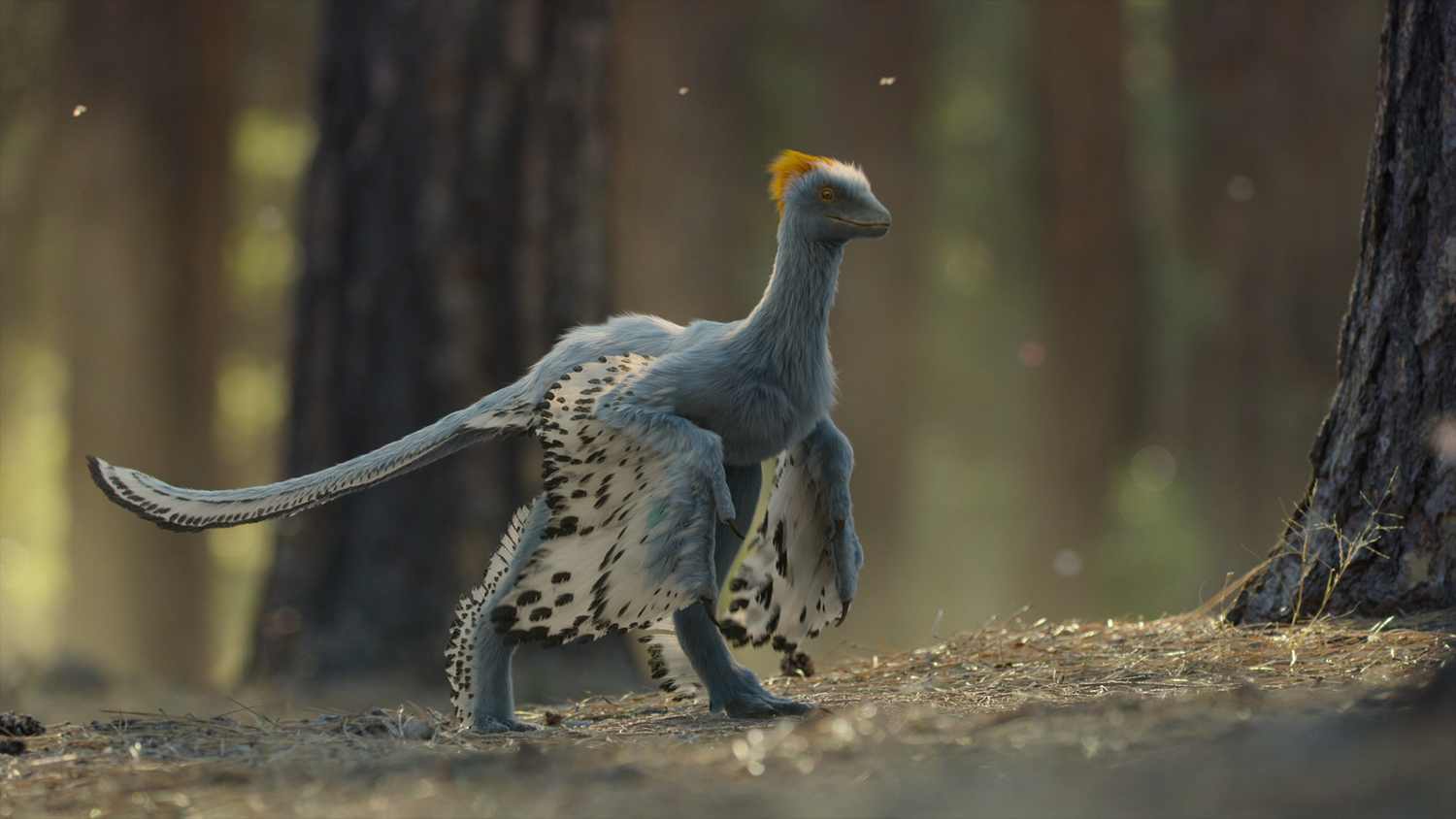
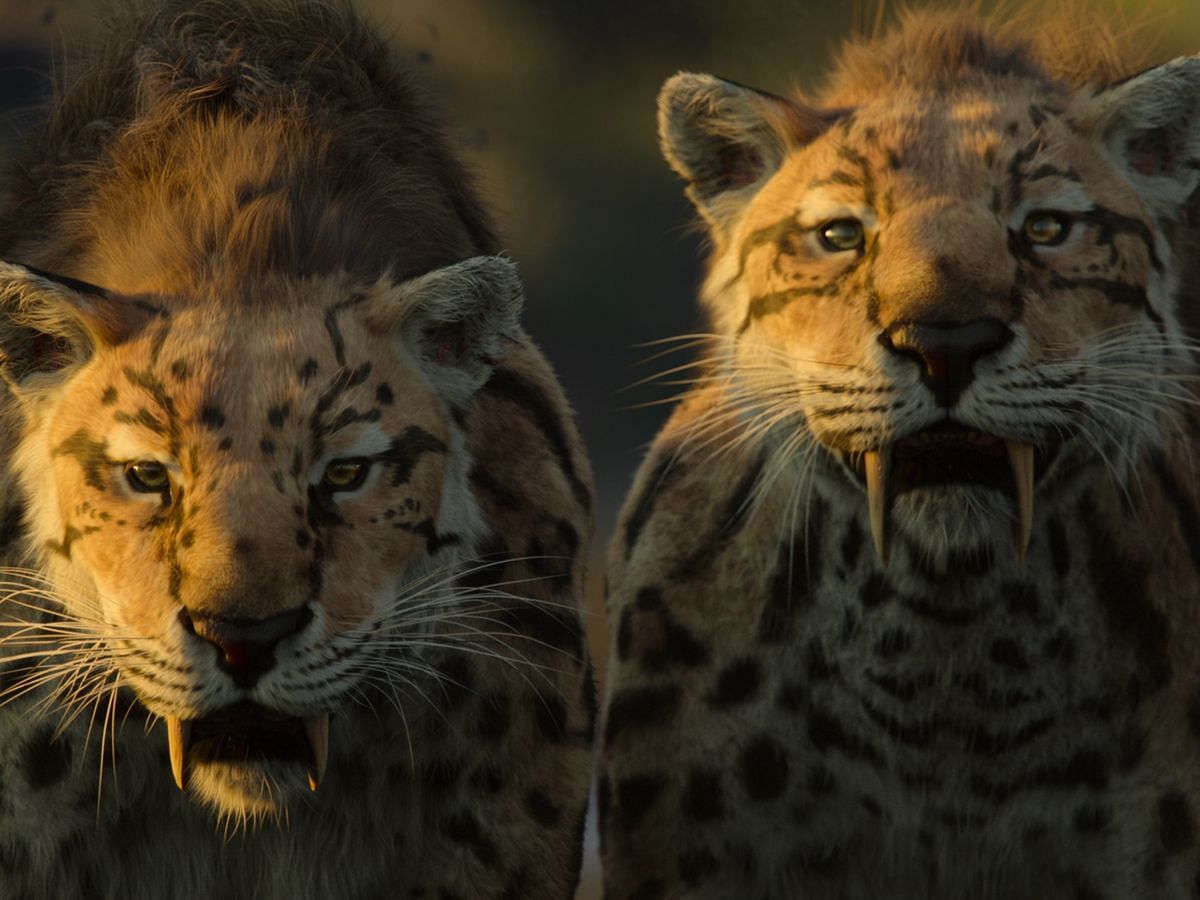
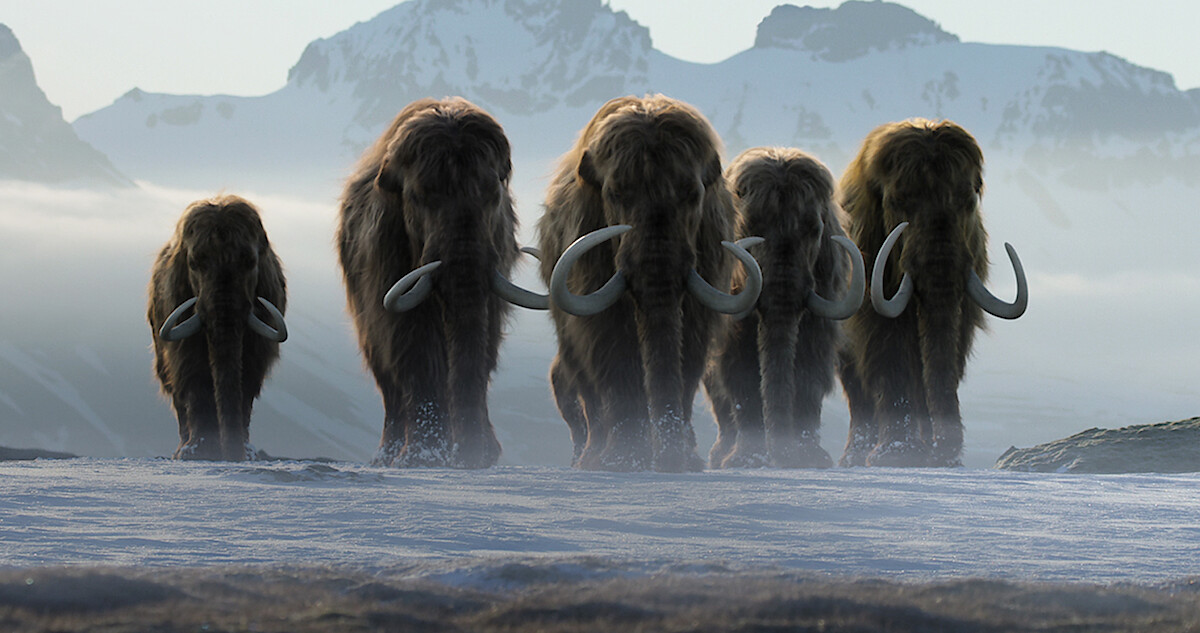
As the Ice Age thawed, humans rose above the rest. But the possibility of a sixth mass extinction now looms: Has our ingenuity caused our downfall?
Hope you're finding these documentaries fascinating and eye-opening. It's just me, working hard behind the scenes to bring you this enriching content.
Running and maintaining a website like this takes time and resources. That's why I'm reaching out to you. If you appreciate what I do and would like to support my efforts, would you consider "buying me a coffee"?
BTC: bc1q8ldskxh4x9qnddhcrgcun8rtvddeldm2a07r2v
ETH: 0x5CCAAA1afc5c5D814129d99277dDb5A979672116
With your donation through , you can show your appreciation and help me keep this project going. Every contribution, no matter how small, makes a significant impact. It goes directly towards covering server costs.
Evolution. Competition. Mass extinction. Three fundamental rules have driven the rise and fall of life on Earth for over four billion years.
2023 • Nature
For billions of years, land on Earth was uninhabitable. But in the seas, predation allowed species to thrive before — and after — two mass extinctions.
2023 • Nature
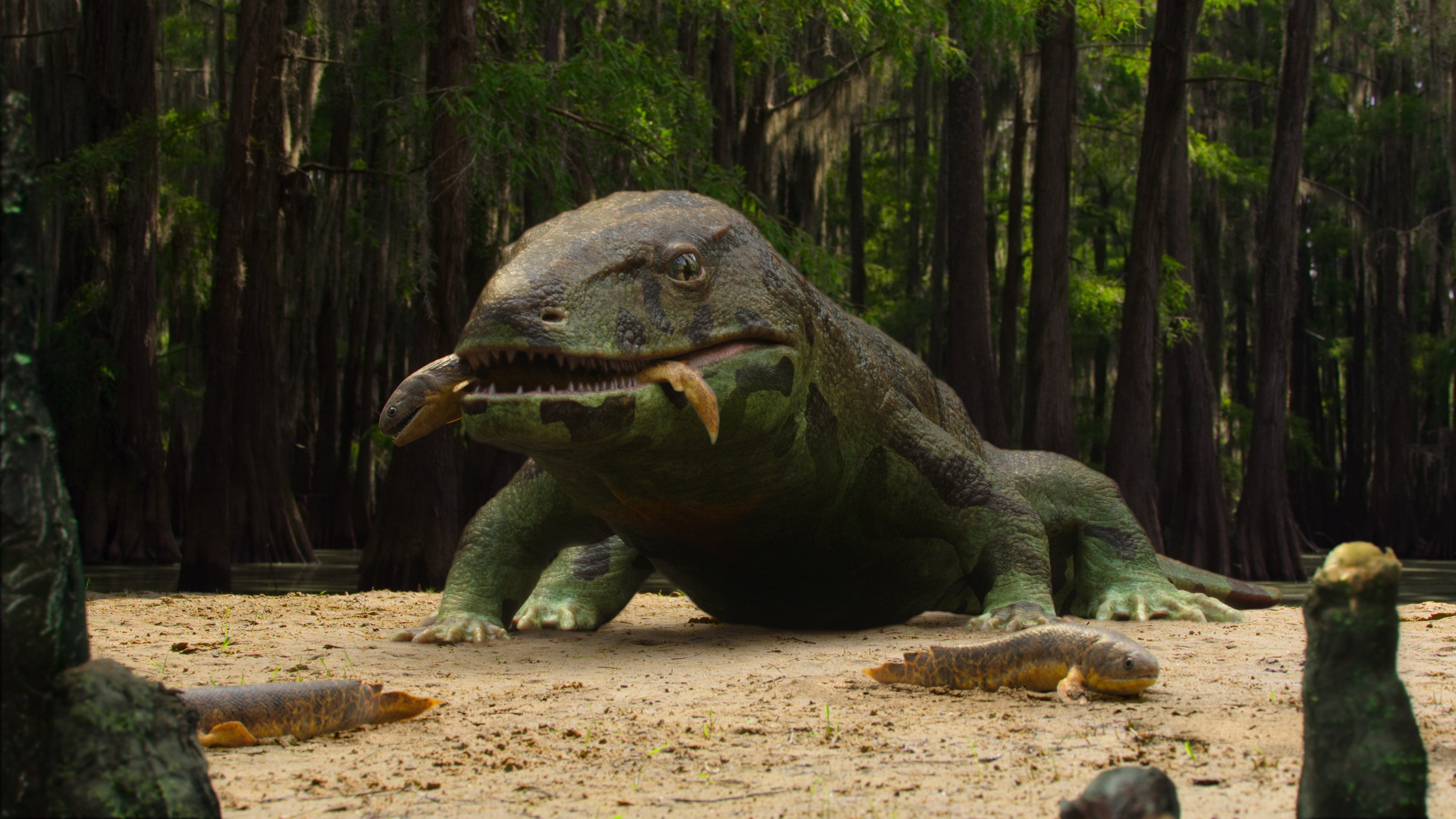
Sprawling moss, towering trees, flying insects, limbed amphibians: Early species vied for domination as the land went from hostile to hospitable.
2023 • Nature
After Earth's third mass extinction, mammals' surviving ancestors ruled the supercontinent Pangea. But lizards soon ushered in the age of reptiles.
2023 • Nature
The formation of continents with varied environments allowed for an explosion of biodiversity — and turbo-charged the evolution of mighty dinosaurs.
2023 • Nature
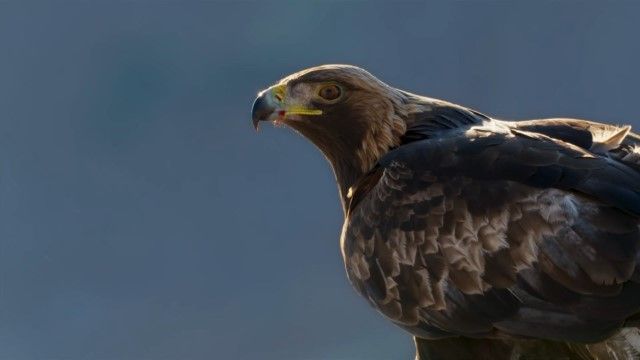
The dinosaurs met their end with a cataclysmic asteroid impact. Rising from the ashes, birds reinvented themselves into a dynasty 10,000 species strong.
2023 • Nature
Emerging from the dinosaurs' shadows, mammals went from underdogs to global power, with game-changing adaptations that would conquer land, air and sea.
2023 • Nature
As the Ice Age thawed, humans rose above the rest. But the possibility of a sixth mass extinction now looms: Has our ingenuity caused our downfall?
2023 • Nature
This documentary follows a spectacular pioneering story of nature preservation. Engadin was created 100 years ago and the wildlife left without human interference to re-populate the Alps first nature reserve. Now ibex, lynx and wolves are thriving in this pristine area.
2015 • Nature
Reveals how baby animals, even before birth, use sound to call for help, find food, and make themselves heard for survival.
S1E3 • Secret World of Sound with David Attenborough • 2024 • Nature
Chobe is Botswana's first national park, as well as the name of the mighty river that runs through it. Explore how its iconic species, like elephants, baboons, and lions, pass on their secrets of survival to the youngest members of their families.
S1E6 • Great Parks of Africa • 2017 • Nature
The Rockies stretch 3,000 miles up the length of North America, and are one of the great mountain ranges of the world. These mountains are home not just to cougars, wolverines, wolves, and grizzly bears, but also daredevil wingsuit flyers, which jump from high peaks, and Native Americans, competing in breakneck horse races.
S1E1 • Kingdoms of the Sky • 2021 • Nature
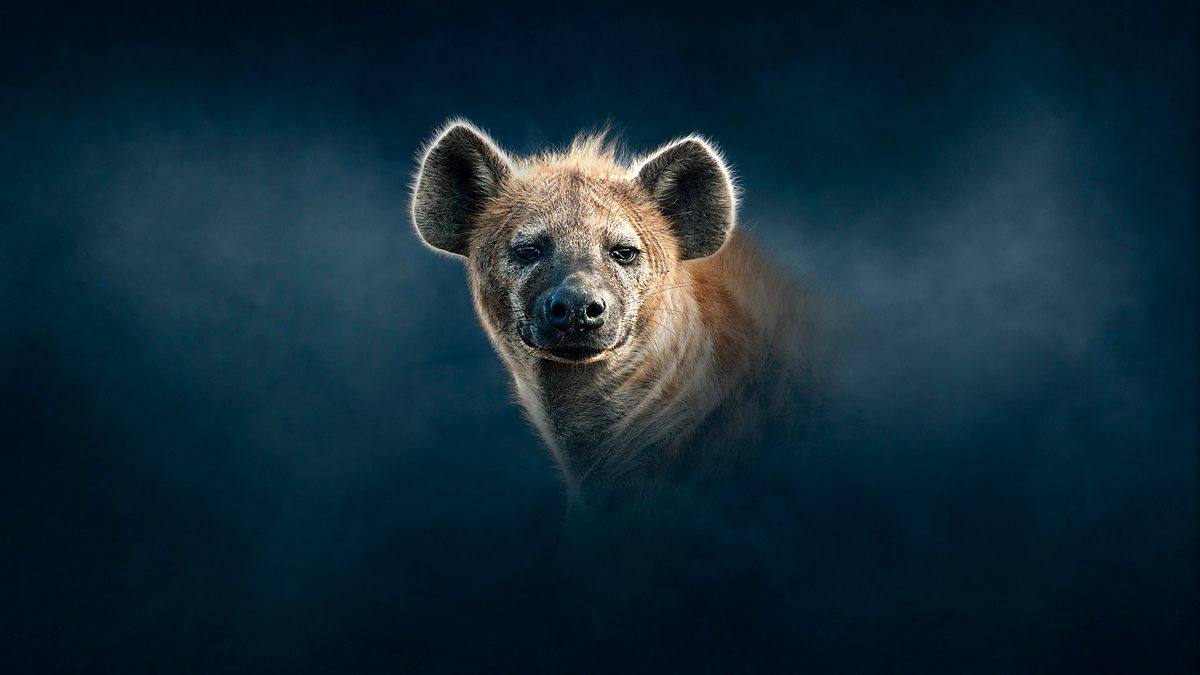
Discover how hotter weather impacts the animals, as the waterhole becomes busier in the evening cool. Nocturnal activity brings a new predator out of the shadows: hyena, creatures so elusive it’s hard to know the size of the clan.
S1E2 • Life at the Waterhole • 2021 • Nature
For 10,000 years or more, humans created new plant varieties for food by trial and error and a touch of serendipity. Then 150 years ago, a new era began. Pioneer botanists unlocked the patterns found in different types of plants and opened the door to a new branch of science - plant genetics. They discovered what controlled the random colours of snapdragon petals and the strange colours found in wild maize. This was vital information. Some botanists even gave their lives to protect their collection of seeds. American wheat farmer Norman Borlaug was awarded the Nobel peace prize after he bred a new strain of wheat that lifted millions of people around the world out of starvation. Today, botanists believe advances in plant genetics hold the key to feeding the world's growing population.
S1E3 • Botany: A Blooming History • 2011 • Nature