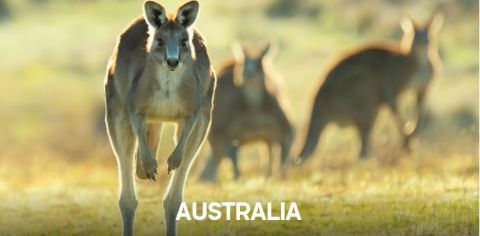
Australia, a land cast adrift at the time of the dinosaurs. Isolated for millions of years, the weird and wonderful animals marooned here are like nowhere else on Earth. In its jungles a cassowary - one of the most dangerous birds in the world – stands six feet tall. Inland, kangaroos and wombats brave snowstorms and gum tree forests are filled with never-before-seen predators. In its red desert heart, reptiles drink through their skin and huge flocks of wild budgerigars swirl in search of water. On secret islands Tasmanian devils roam and offshore, thousands of sharks gather for a rare event.
Hope you're finding these documentaries fascinating and eye-opening. It's just me, working hard behind the scenes to bring you this enriching content.
Running and maintaining a website like this takes time and resources. That's why I'm reaching out to you. If you appreciate what I do and would like to support my efforts, would you consider "buying me a coffee"?
BTC: bc1q8ldskxh4x9qnddhcrgcun8rtvddeldm2a07r2v
ETH: 0x5CCAAA1afc5c5D814129d99277dDb5A979672116
With your donation through , you can show your appreciation and help me keep this project going. Every contribution, no matter how small, makes a significant impact. It goes directly towards covering server costs.
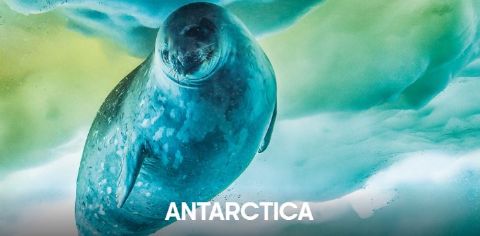
Antarctica - the coldest, windiest, most hostile continent. Only the toughest can survive here. From Weddell seals that grind back the ice with their teeth, to colourful starfish carpeting the seabed beneath the ice. Huge colonies of king penguins crowd any ice-free land, and four tonne elephant seals fight for territory on the beach. Life comes here because the ocean that surrounds the continent is incredibly rich. Thousands of penguins, seals, albatross, and over a hundred great whales feast on krill baitballs. However, the ocean here is warming and with that comes an uncertain future. (Number of days filming: 236)
2019 • Nature
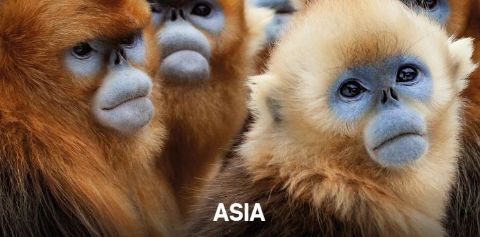
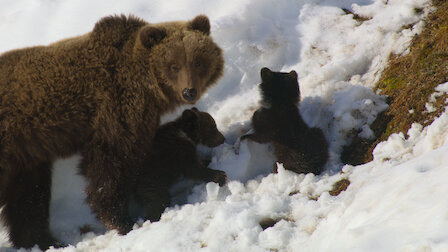
Asia - the most varied and extreme continent - stretching from the Arctic Circle to the equator. Walrus gather in huge numbers in the frozen north and brown bears roam remote Russian volcanoes. This is a world of the rarely seen, from yeti-like monkeys in the mountain forests of China to the most bizarre predator in the baking deserts of Iran. Asia is the largest of all continents but it seems there’s not enough space for wildlife. The deep jungles provide sanctuary for the last few Sumatran rhino.
2019 • Nature
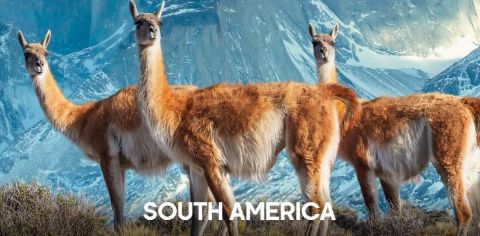
South America - the most species rich continent on Earth. From the volcanoes of the Andes to the world’s largest rainforest, the Amazon, animals here must specialise to carve out a niche. In Patagonia, a puma mother draws on a lifetime’s experience to catch prey three times her weight. In the cloud forest, rarely seen Andean bears clamber thirty metres into the canopy to find elusive fruit. Poison dart frogs use ingenious methods to keep their tadpoles safe, whilst anacondas stalk capuchin monkeys. At Igauzu, swifts make death-defying flights through one of the biggest waterfalls on Earth.
2019 • Nature
Australia, a land cast adrift at the time of the dinosaurs. Isolated for millions of years, the weird and wonderful animals marooned here are like nowhere else on Earth. In its jungles a cassowary - one of the most dangerous birds in the world – stands six feet tall. Inland, kangaroos and wombats brave snowstorms and gum tree forests are filled with never-before-seen predators. In its red desert heart, reptiles drink through their skin and huge flocks of wild budgerigars swirl in search of water. On secret islands Tasmanian devils roam and offshore, thousands of sharks gather for a rare event.
2019 • Nature
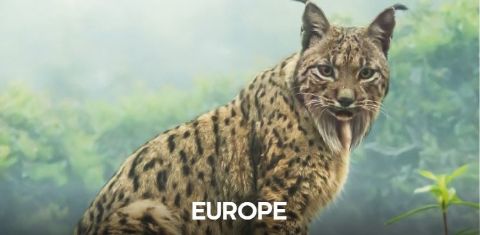
This crowded continent hides the most surprising animals in pockets of wilderness. Above Gibraltar, Europe’s only primate lives a life of kidnapping and high drama, whilst in the cemeteries of Vienna grave robbing European hamsters do battle with each other. Come nightfall, the Italian mountain villages are the hunting grounds for rarely seen wolves, whilst lynx lurk in the forests of Spain. Deep underground in Slovenia’s caves, baby dragons live for up to a hundred years. Meanwhile, on the surface the continent has been developed beyond recognition.
2019 • Nature
Land-based African chameleons and coastal cuttlefish both change color and pattern to hide or to advertise their mood. Both fight to win their mate and shoot out tongues or tentacles to snare their prey.
S1E2 • Greece: The Wild Side • 2021 • Nature
To survive, animals need somewhere to live, a place that provides the necessities of life, shelter from the elements and a refuge from enemies. Good homes are rare and competition can be intense – finding a home is one thing, but defending it is quite another.
S1E3 • Life Story • 2014 • Nature
In this episode of Animal Super Senses, we find out more about the animals that live in the shadows and the adaptations they need to survive... Nocturnal animals have taken to this dark world for good reason but to navigate life in the dark, you need some special abilities.
S1E10 • Animal Super Senses • 2020 • Nature
From frozen Arctic tundra to tropical seas, this edition explores how the Moon's rhythms ignite nature's most intimate, dazzling and life-giving love stories.
S1E2 • Moon: Nature's Secret Force • 2025 • Nature
Blue Planet II explores parts of the ocean that nobody has ever visited, encountered extraordinary animals, and discovered new insights into life beneath the waves. In Our Blue Planet, Sir David Attenborough examines the impact of human life on life in the ocean. In this final episode, we uncover the impact that our modern lives are having on our best-loved characters from across the series, including devoted albatross parents unwittingly feeding their chicks discarded plastic and mother dolphins potentially exposing their newborn calves to pollutants through their contaminated milk. Scientists have even discovered that increasing noise levels may stop baby clownfish finding their way home.
S1E7 • Blue Planet II • 2017 • Nature