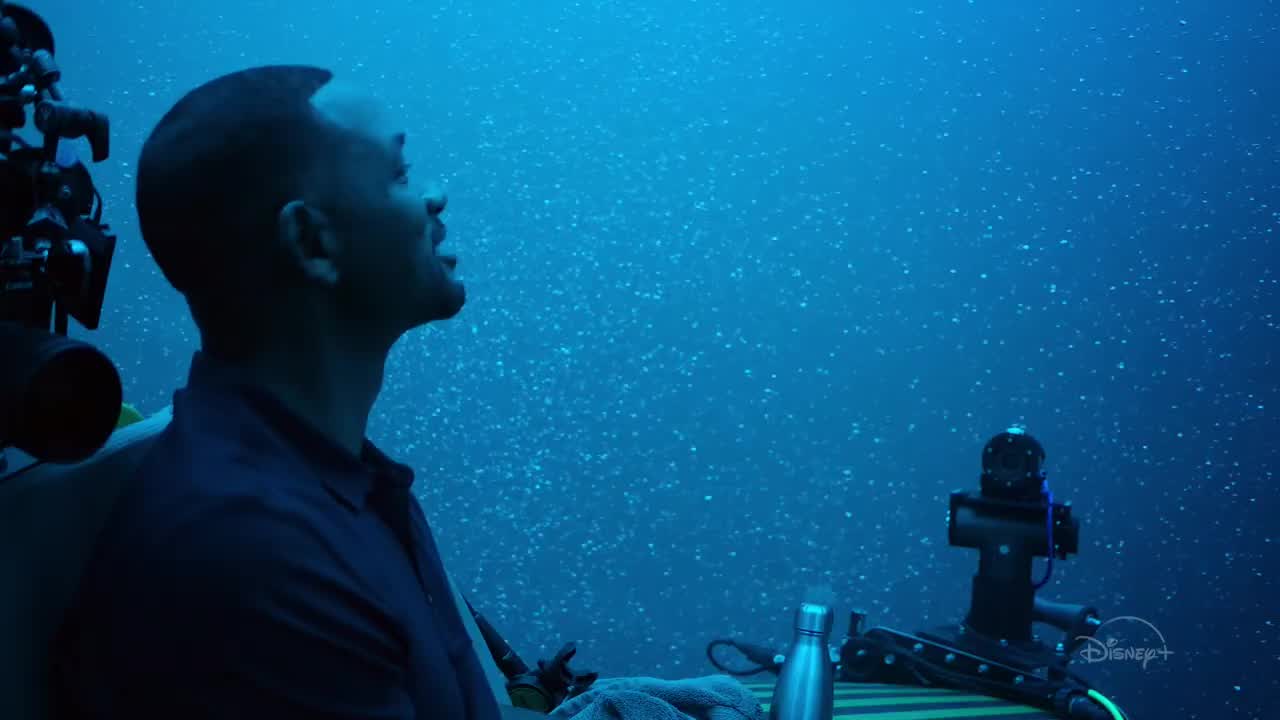
Will Smith heads to the bottom of the ocean to discover a world of color in the dark.
Hope you're finding these documentaries fascinating and eye-opening. It's just me, working hard behind the scenes to bring you this enriching content.
Running and maintaining a website like this takes time and resources. That's why I'm reaching out to you. If you appreciate what I do and would like to support my efforts, would you consider "buying me a coffee"?
BTC: bc1q8ldskxh4x9qnddhcrgcun8rtvddeldm2a07r2v
ETH: 0x5CCAAA1afc5c5D814129d99277dDb5A979672116
With your donation through , you can show your appreciation and help me keep this project going. Every contribution, no matter how small, makes a significant impact. It goes directly towards covering server costs.
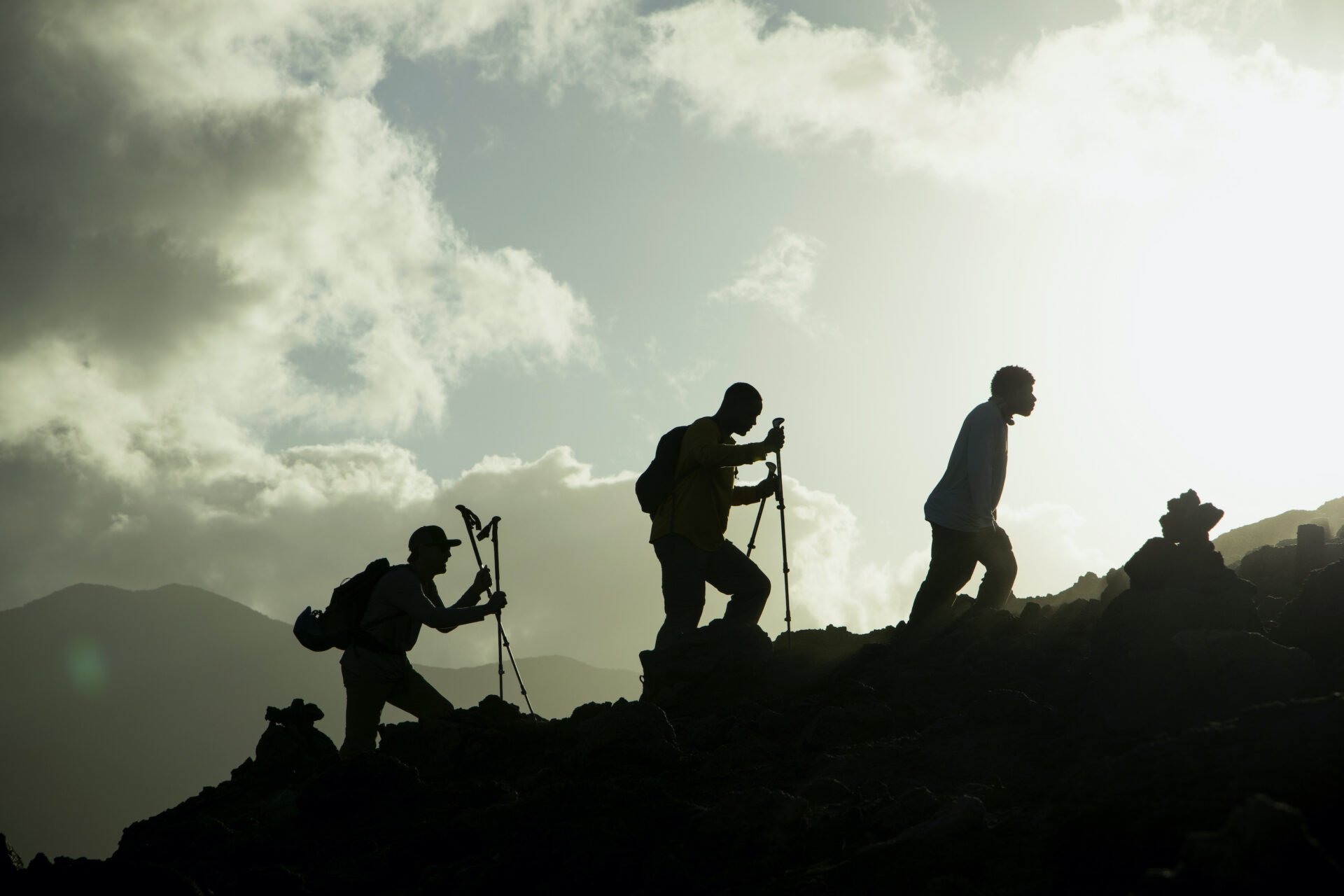
Will Smith discovers a whole new world of sound inside a live volcano.
2021 • Environment
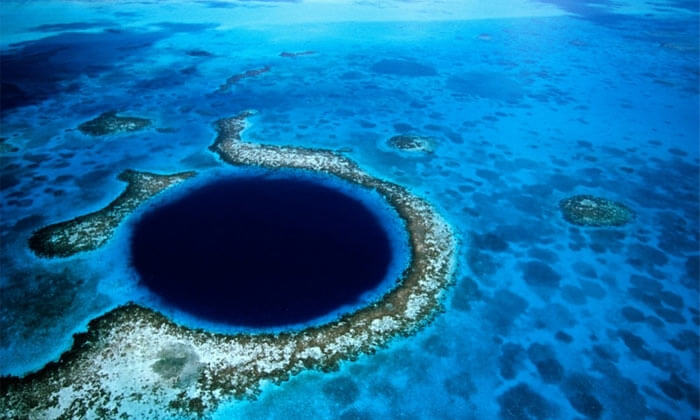
Will Smith heads to the bottom of the ocean to discover a world of color in the dark.
2021 • Environment
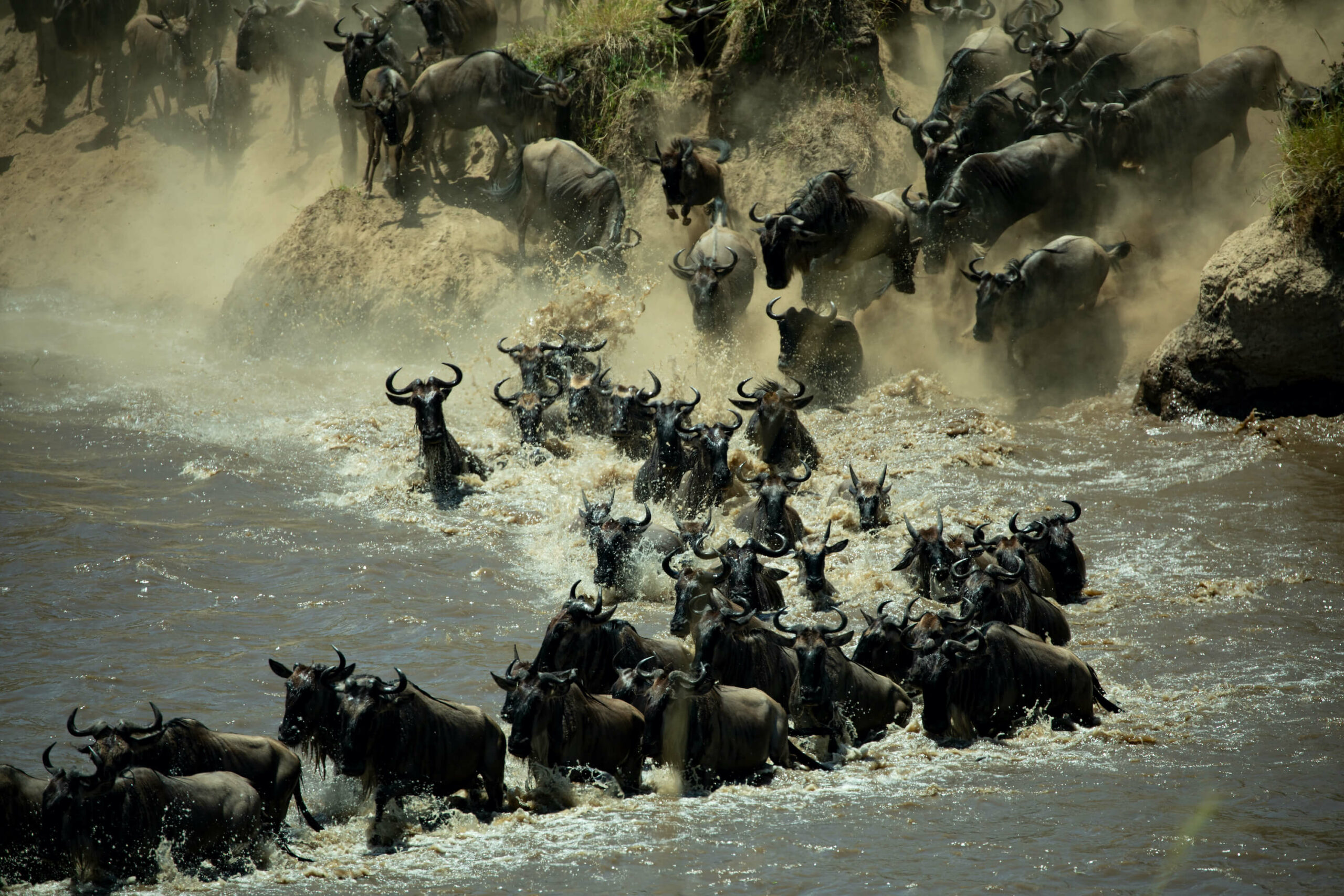
Will Smith heads to the Serengeti to catch a glimpse of one of Earth's greatest migrations.
2021 • Nature
Will Smith pursues tiger sharks in the Pacific and explores the power of smell in the process.
2021 • Nature
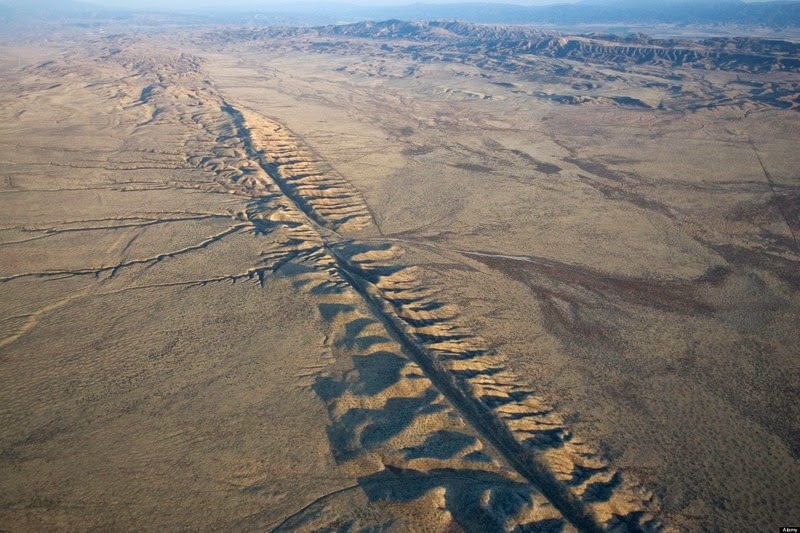
Will Smith discovers hidden worlds in the middle of the planet's oldest desert.
2021 • Nature
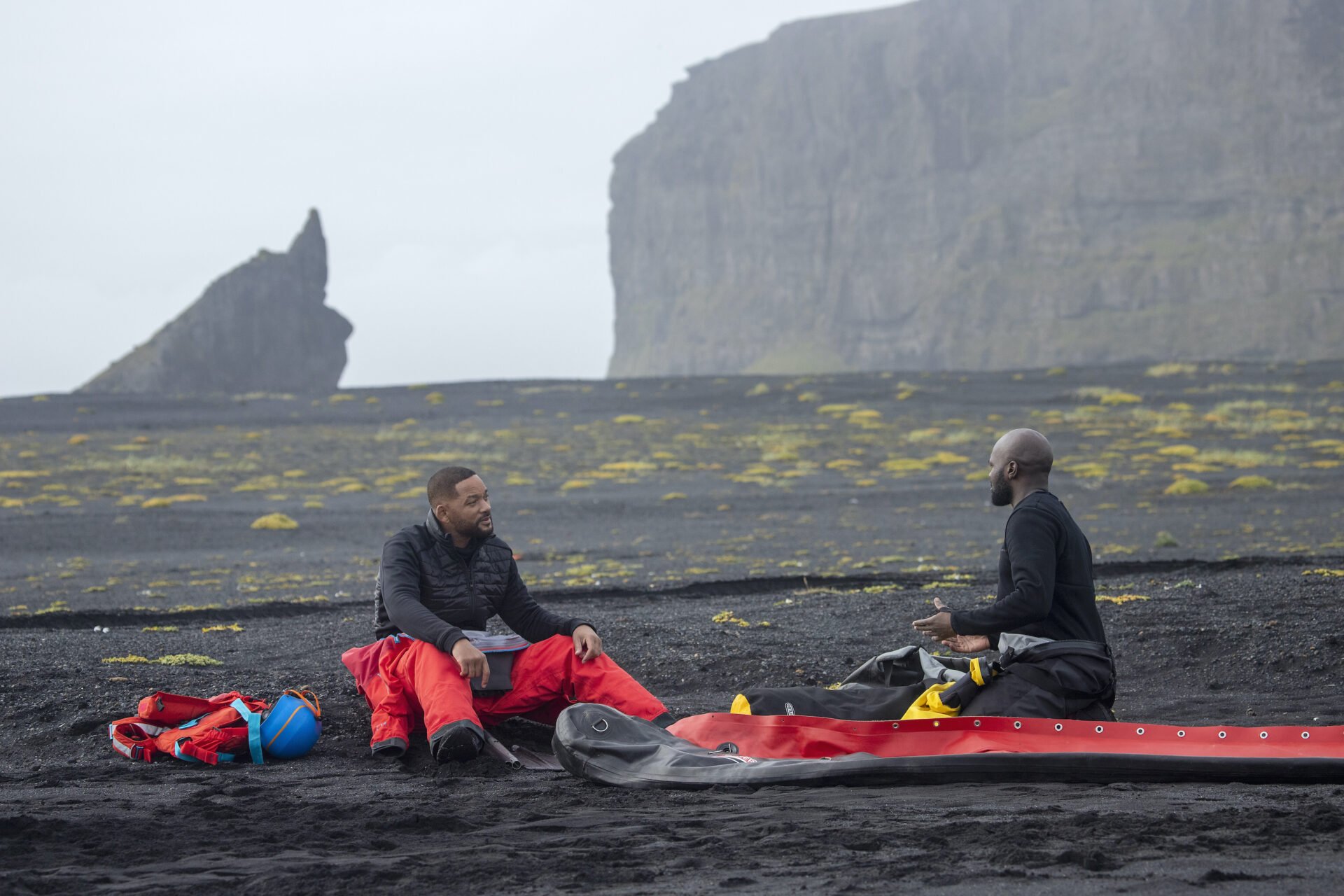
Will Smith heads to the powerful white-water rapids of Iceland to confront his fears.
2021 • Environment
When a gamma ray burst from two colliding stars hits the atmosphere, the deadly radiation delivers agonizing death and immediately wipes out half the planet. How will the last remaining humans survive?
S1E7 • Doomsday: 10 Ways the World Will End • 2016 • Environment
This special report looks at the domino effect of environmental and atmospheric factors that drive the globe to wetter, hotter, drier and colder extremes.
7/10 • Catalyst: Season 1 • 2015 • Environment
Ben Fogle and Victoria Pendleton are guided by professional mountaineer Kenton Cool, a veteran of twelve Everest summits. As they head up the mountain, into the notorious "death zone", physical exhaustion, extreme conditions and misfortune will test the pair to their limits, 65 years after Edmund Hillary and Tenzing Norgay became the first climbers known to have reached the summit. Since that day in 1953, more than 4000 people have successfully climbed Everest but nearly 300 climbers have died on her icy slopes. As Ben and Victoria begin their expedition and face their fears, they know Everest will be life-changing.
2018 • Environment
The disaster began during a routine systems test at reactor number four of the Chernobyl plant located near the town of Pripyat, on April 26, 1986. After a power surge, an emergency shutdown was attempted and after a subsequent power spike, there was a reactor vessel rupture and a series of steam explosions. The cascading course of events led to exposing the graphite moderator of the reactor to the air, causing it to catch fire. This sent a plume of highly radioactive fallout into the atmosphere. The fallout from Chernobyl prompted mass evacuations as it drifted over an extensive geographical area, including the western Soviet Union and Europe. Over 350,000 people were resettled from contaminated areas of Belarus, Russia, and the Ukraine. Thirty-one deaths are directly attributed to the accident, and all the deaths were among reactor staff and emergency workers. This is the kind of atmosphere Nelson and Ochota are investigating on Life After: Chernobyl as they attempt to determine how the radiation continues to impact the affected areas. They are allowed to stay for as long as they need to in order to conduct their ground-breaking research, but the duo must also be sure to take the necessary safety precautions. Broadway World noted in their Life After: Chernobyl article that by staying in the area for too long, the radiation exposure could reach dangerously high levels in their bodies, and they must always monitor the radiation levels.
2014 • Environment
This feature documentary tells the story of the story of the pioneers who founded Greenpeace and defined the modern green movement. In 1971 a brave group of young activists set sail from Vancouver in an old fishing boat. Their mission: to stop Nixon's atomic bomb tests in Amchitka, a tiny island off the west coast of Alaska. It was from these humble but courageous beginnings that the global organisation that we now know as Greenpeace was born. Chronicling the fascinating untold story behind the modern environmental movement and with access to dramatic footage that has not been seen for over 40 years, this gripping new film tells the story of eco-hero Robert Hunter and how he, alongside a group of like-minded and idealistic young friends in the '70s, would be instrumental in altering the way we now look at the world and our place within it. These campaigning pioneers captured their daring and sometimes jaw-dropping actions on a range of film cameras and Greenpeace granted acclaimed director Jerry Rothwell access to this vivid archive to make his thrilling, sometimes terrifying film. Greenpeace was born in 1971 when a ragtag group of journalists, hippies, and scientists living in Vancouver tried to stop a US atomic test. Fortunately, they were media savvy from the beginning, capturing their seat-of-their pants activist adventures on film. The youthful energy is palpable in action-packed scenes, including one in which activists confront a Russian whaling ship in a tiny Zodiac dingy. Soon, though, idealism comes up against reality, compromise, human nature, and the complexities of managing a growing organization. This insightful film is also a vibrant, moving reflection about the ongoing struggle to balance the political and the personal.
2015 • Environment