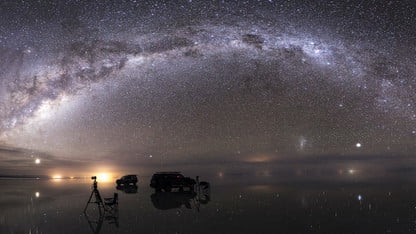
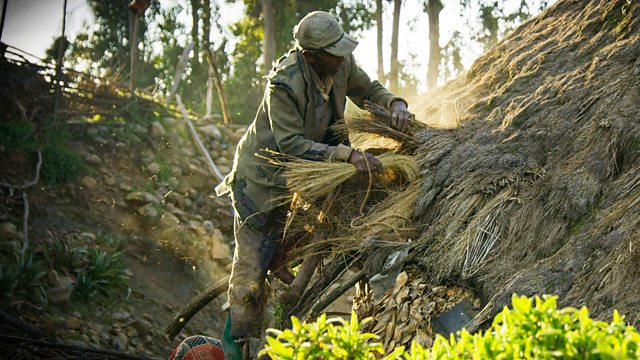
Will Smith discovers hidden worlds in the middle of the planet's oldest desert.
Hope you're finding these documentaries fascinating and eye-opening. It's just me, working hard behind the scenes to bring you this enriching content.
Running and maintaining a website like this takes time and resources. That's why I'm reaching out to you. If you appreciate what I do and would like to support my efforts, would you consider "buying me a coffee"?
BTC: bc1q8ldskxh4x9qnddhcrgcun8rtvddeldm2a07r2v
ETH: 0x5CCAAA1afc5c5D814129d99277dDb5A979672116
With your donation through , you can show your appreciation and help me keep this project going. Every contribution, no matter how small, makes a significant impact. It goes directly towards covering server costs.
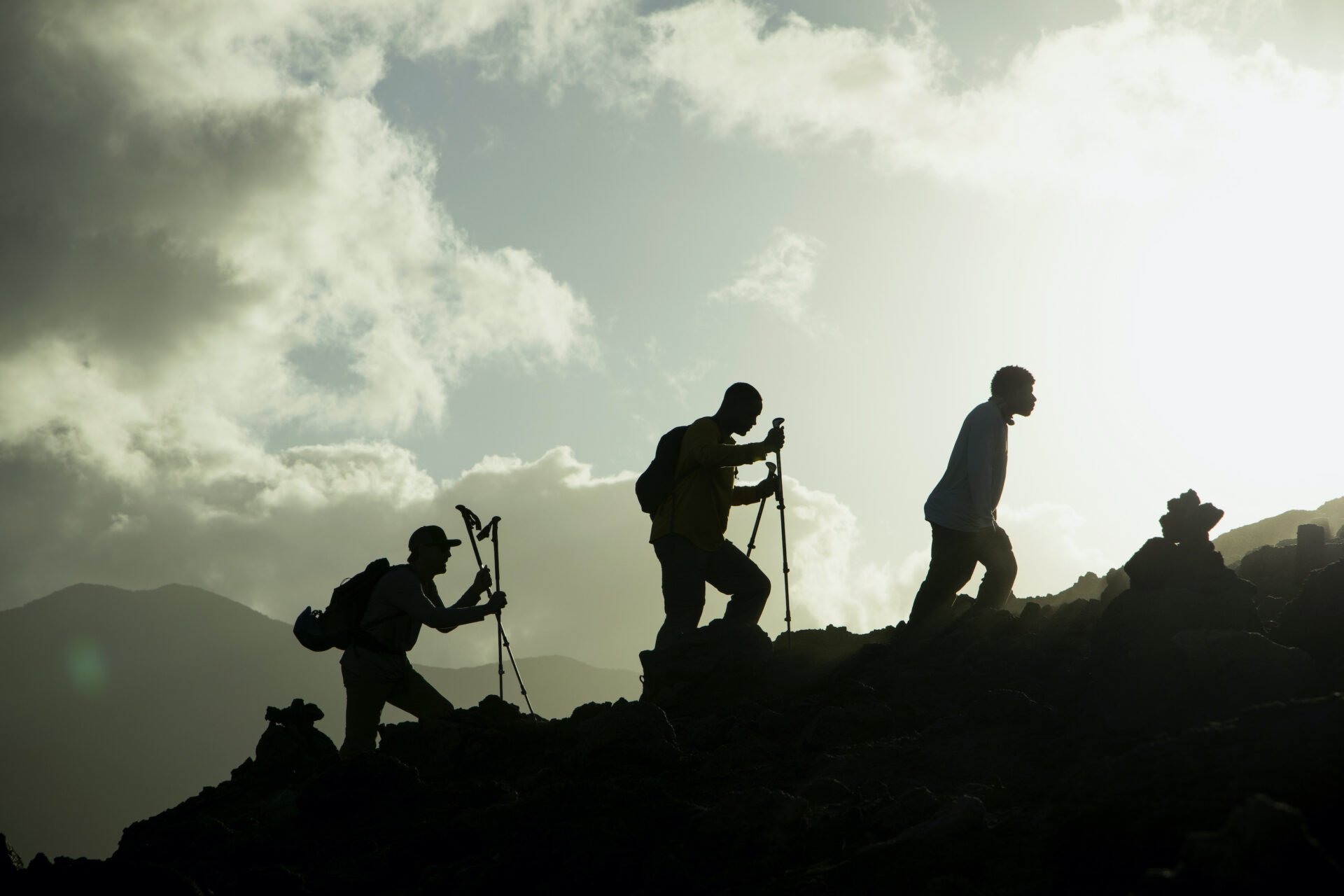
Will Smith discovers a whole new world of sound inside a live volcano.
2021 • Environment
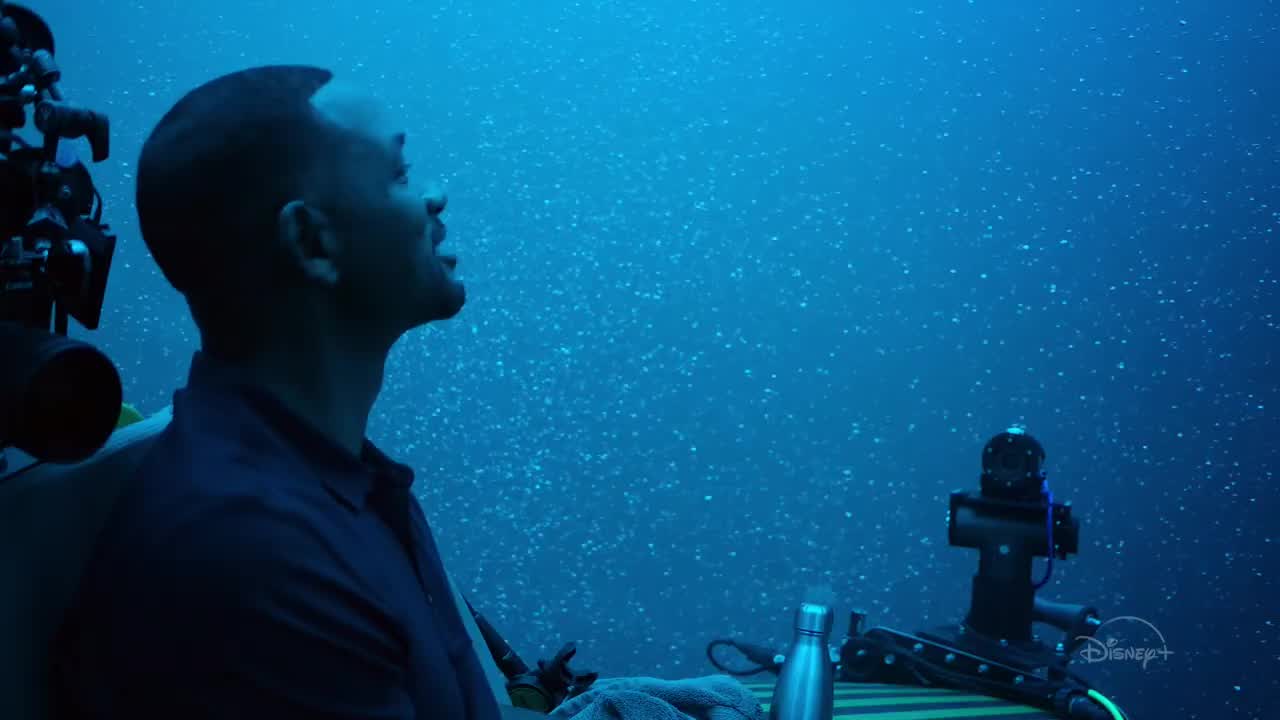
Will Smith heads to the bottom of the ocean to discover a world of color in the dark.
2021 • Environment
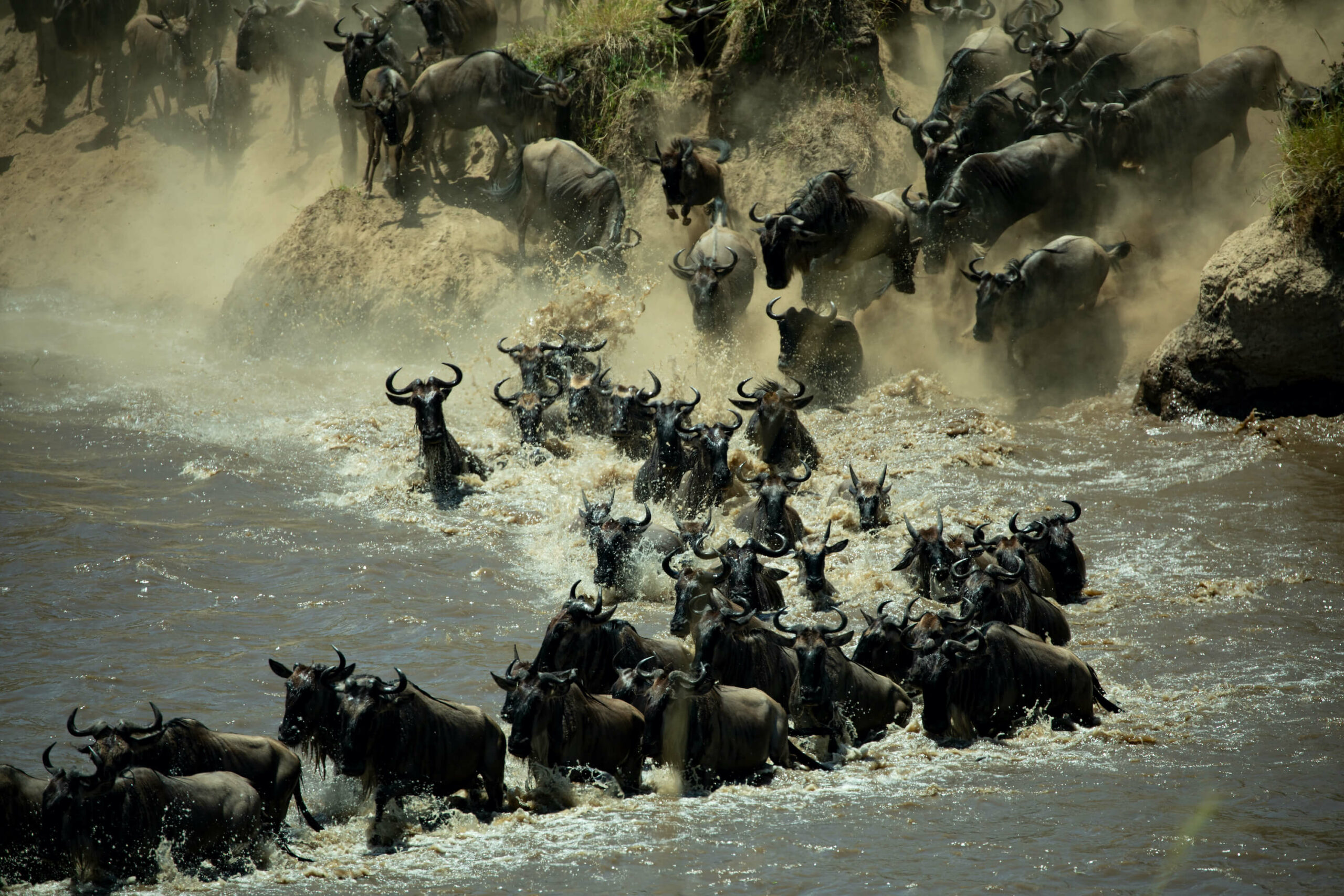
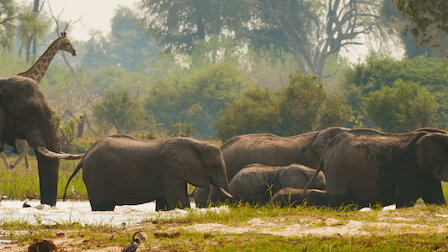
Will Smith heads to the Serengeti to catch a glimpse of one of Earth's greatest migrations.
2021 • Nature
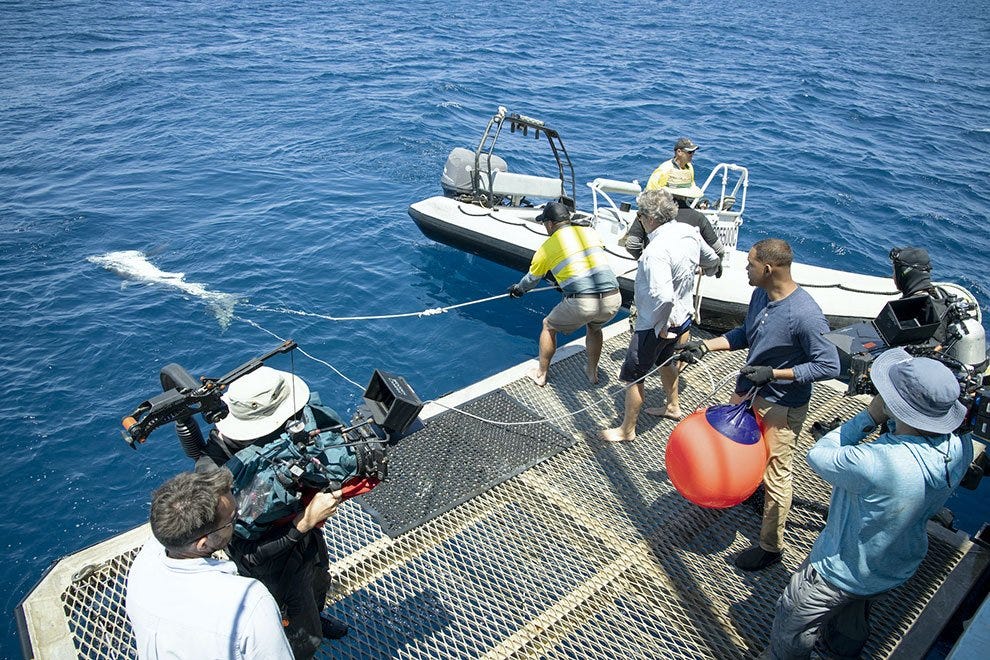
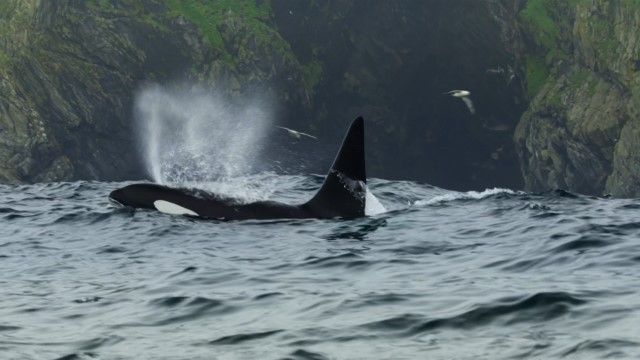
Will Smith pursues tiger sharks in the Pacific and explores the power of smell in the process.
2021 • Nature
Will Smith discovers hidden worlds in the middle of the planet's oldest desert.
2021 • Nature
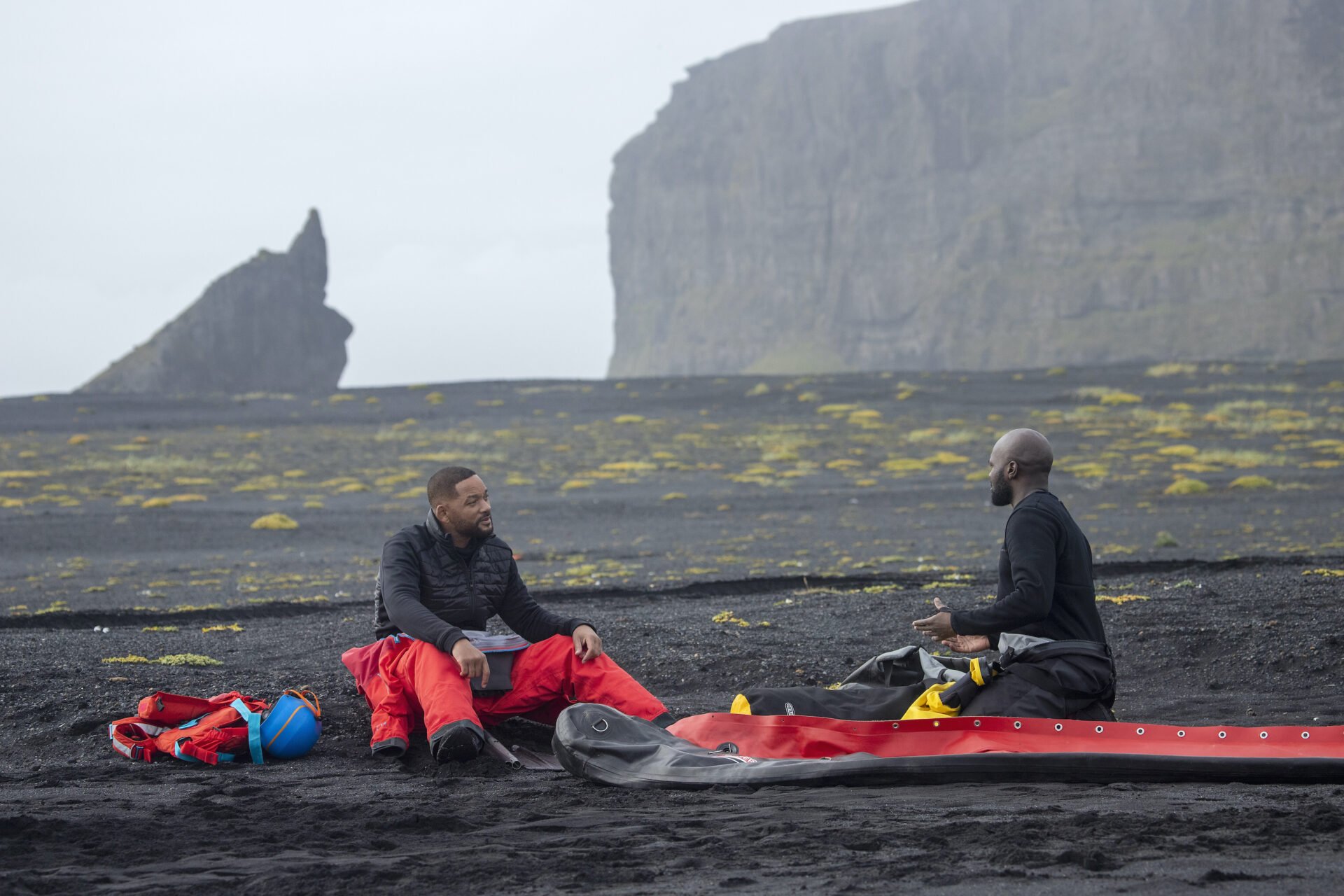
Will Smith heads to the powerful white-water rapids of Iceland to confront his fears.
2021 • Environment
Trudging through a scorching desert, two young Tarchia find relief at an oasis and encounter an adult twice their size, ready to lay claim.
S2E2 • Prehistoric Planet • 2023 • Nature
Cameras follow Japanese macaques in the snow-covered mountains of Japan, as they gather at steaming hot thermal pools to bathe and socialise. Elsewhere in the cool mountains of Mexico, cameras capture a spectacular gathering of billions of monarch butterflies, and in Bavaria, Germany, Spy Beaver gains unique access to the secretive world of the beaver.
S2E2 • Spy in the Wild • 2020 • Nature
The next programme explores the various sea-living invertebrates. In Morocco, the limestones are 600 million years old, and contain many invertebrate fossils. They fall broadly into three categories: shells, crinoids and segmented shells. The evolution of shelled creatures is demonstrated with the flatworm, which eventually changed its body shape when burrowing became a necessity for either food or safety. It then evolved shielded tentacles and the casings eventually enveloped the entire body: these creatures are the brachiopods. The most successful shelled animals are the molluscs, of which there are some 80,000 different species.
2/13 • Life on Earth • 1979 • Nature
An ancient bear cult that has survived deep in the Transylvanian forests, where Europe's greatest land predator is a symbol of rebirth.
2023 • Nature
As temperatures peak, animals must endure extreme heat and scarcity, pushing their survival strategies to the limit.
S1E3 • A Wild Year on Earth • 2020 • Nature
The series starts in North Africa, where two of the world's biggest predators once battled for supremacy. At 13m and seven tonnes, the carcharodontosaurus was a huge beast, a gigantic lizard-like carnivore with shark-like teeth over six inches long. It was an efficient hunter that would slash at its prey until it bled to death. But the discovery of an upper jaw in Morocco revealed an even bigger carnivorous killer - spinosaurus. Four metres longer than Tyrannosaurus rex, spinosaurus is thought to have been one of the biggest killers to ever walk the Earth. But unlike the meat-eating carcharodontosaurus, spinosaurus mainly ate fish, living and hunting almost exclusively in the water. Like all predators that share an environment, the two may once have had to compete for food. Planet Dinosaur takes a look at what one such deadly battle may have looked like and finds out which giant beast would have been most likely to survive a fight to the death.
S1E1 • Planet Dinosaur • 2011 • Nature