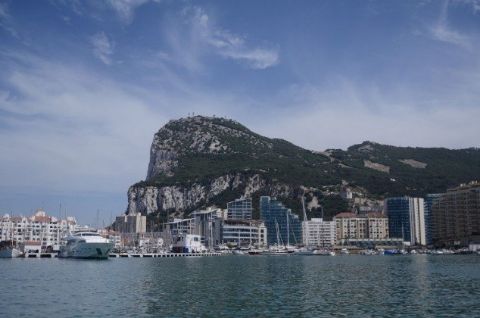
Every year, just above our heads, Eleonora’s falcon undertakes a mysterious migration. This discreet journey covers thousands of kilometers and triggers puzzles that scientists are still trying to understand today. Thanks to cutting-edge technology, we will track the falcons on their journey.
Hope you're finding these documentaries fascinating and eye-opening. It's just me, working hard behind the scenes to bring you this enriching content.
Running and maintaining a website like this takes time and resources. That's why I'm reaching out to you. If you appreciate what I do and would like to support my efforts, would you consider "buying me a coffee"?
BTC: bc1q8ldskxh4x9qnddhcrgcun8rtvddeldm2a07r2v
ETH: 0x5CCAAA1afc5c5D814129d99277dDb5A979672116
With your donation through , you can show your appreciation and help me keep this project going. Every contribution, no matter how small, makes a significant impact. It goes directly towards covering server costs.
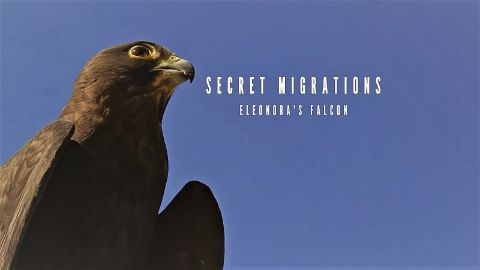
Every year, just above our heads, Eleonora’s falcon undertakes a mysterious migration. This discreet journey covers thousands of kilometers and triggers puzzles that scientists are still trying to understand today. Thanks to cutting-edge technology, we will track the falcons on their journey.
2019 • Nature
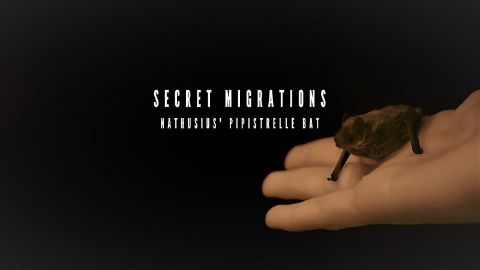
Every year, the pipistrelle bat undertakes a mysterious migration. This discreet journey covers thousands of kilometers and triggers puzzles that scientists are still trying to understand today. Thanks to cutting-edge technology, we will track the bats on their journey.
2019 • Nature
Every year the black cap warbler undertakes a mysterious migration. This discreet journey covers thousands of kilometers and triggers puzzles that scientists are still trying to understand today. Thanks to cutting-edge technology, we will track the black caps on their journey.
2019 • Nature
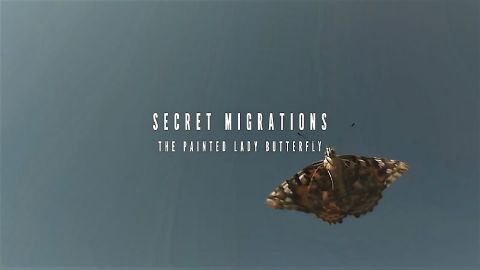
Every year, the painted lady butterflies undertake a mysterious migration. This discreet journey covers thousands of kilometers and triggers puzzles that scientists are still trying to understand today. Thanks to cutting-edge technology, we will track the butterflies on their journey.
2019 • Nature
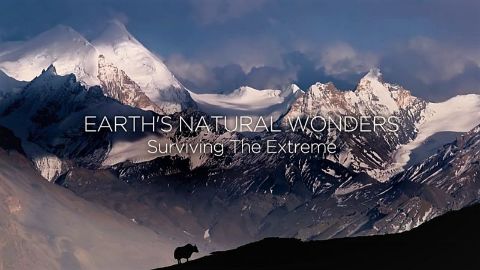
In the high Himalaya, yak-herder Thokmay Lowa and his small group steer his herd through one of the region's extreme mountain passes. For several months of the year, In the Canadian Arctic, traditional Inuit communities still forage for much of their food. 63-year-old Minnie Nappaaluk and her granddaughter Eva embark on one of the most hazardous expeditions for food Some Natural Wonders are threatened as never before - nowhere more so than the Brazilian Amazon. In the Mato Grosso, as a result of deforestation, the region's microclimate has changed. Now fires rage out of control in the dry season.
S1E1 • Earth's Natural Wonders: Series 2 • 2018 • Nature
Climb to the top of erupting volcanoes and relive the devastation caused by earthquakes to discover how they created the Europe we know today.
S1E2 • Birth of Europe • 2011 • Nature
The series begins with an in-depth look at flightless birds around the world.
S1E1 • The Life of Birds • 1998 • Nature
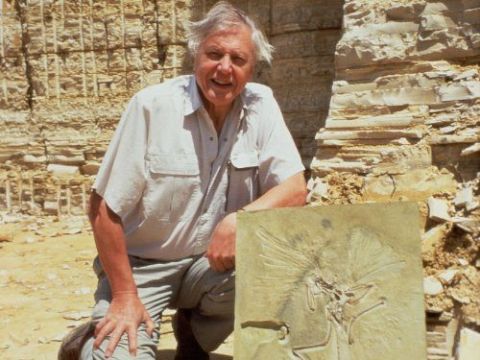
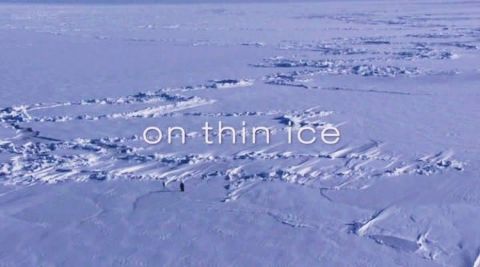
David Attenborough journeys to both Polar Regions to investigate what rising temperatures will mean for the people and wildlife that live there and for the rest of the planet. David starts out at the North Pole, standing on sea ice several metres thick, but which scientists predict could be Open Ocean within the next few decades. The Arctic has been warming at twice the global average, so David heads out with a Norwegian team to see what this means for polar bears. He comes face-to-face with a tranquilised female, and discovers that mothers and cubs are going hungry as the sea ice on which they hunt disappears. In Canada, Inuit hunters have seen with their own eyes what scientists have seen from space; the Arctic Ocean has lost 30% of its summer ice cover over the last 30 years. For some, the melting sea ice will allow access to trillions of dollars worth of oil, gas and minerals. For the rest of us, it means the planet will get warmer, as sea ice is important to reflect back the sun's energy. Next David travels to see what's happening to the ice on land: in Greenland, we follow intrepid ice scientists as they study giant waterfalls of meltwater, which are accelerating iceberg calving events, and ultimately leading to a rise in global sea level. Temperatures have also risen in the Antarctic - David returns to glaciers photographed by the Shackleton expedition and reveals a dramatic retreat over the past century. It's not just the ice that is changing - ice-loving adelie penguins are disappearing, and more temperate gentoo penguins are moving in. Finally, we see the first ever images of the largest recent natural event on our planet - the break up of the Wilkins Ice Shelf, an ice sheet the size of Jamaica, which shattered into hundreds of icebergs in 2009.
S1E7 • Frozen Planet • 2011 • Nature
We can all trace our lives back to a beginning. But what defines the beginning? Is it the moment when two cells unite? Or does something have to know it is alive before its life can begin?
S4E02 • Through the Wormhole • Nature
Jungles contain up to 90% of the world’s plant and animal species: flowering plants, trees, birds, fungi, reptiles, fish – their range and beauty is absolutely staggering. It is becoming clear that what affects the rainforest affects us all deeply.
2020 • Nature