Youth may be wasted on the young, but luckily, you can buy it back. People are using everything from face-lifts to second skin tech to keep their youthful advantage. However, with so many unproven therapies on the market, how many actually work?
Hope you're finding these documentaries fascinating and eye-opening. It's just me, working hard behind the scenes to bring you this enriching content.
Running and maintaining a website like this takes time and resources. That's why I'm reaching out to you. If you appreciate what I do and would like to support my efforts, would you consider "buying me a coffee"?
BTC: bc1q8ldskxh4x9qnddhcrgcun8rtvddeldm2a07r2v
ETH: 0x5CCAAA1afc5c5D814129d99277dDb5A979672116
With your donation through , you can show your appreciation and help me keep this project going. Every contribution, no matter how small, makes a significant impact. It goes directly towards covering server costs.
Youth may be wasted on the young, but luckily, you can buy it back. People are using everything from face-lifts to second skin tech to keep their youthful advantage. However, with so many unproven therapies on the market, how many actually work?
2017 • Health
DNA testing is becoming more and more common. People are making important health and life decisions based off this data, despite these tests being largely inaccurate.
2017 • Health
Obesity is one of America's biggest public health concerns. Two thirds of Americans are overweight or obese. The pressure to lose weight is intense and many are turning to surgical means to achieve results.
2017 • Health
Growing distrust in GMOs, pharmaceuticals and non-natural solutions has pushed families to seek more 'natural' approaches to medical issues - sometimes with fatal consequences.
2017 • Health
Series Final. For those suffering from a chronic illness or degenerative disease, our rapidly evolving world is offering more promise for a cure than ever before. But with so many treatment options and so much conflicting information available, it's also becoming more difficult for those suffering to make critical treatment decisions.
2017 • Health
For hundreds of years, psychiatry has treated voices and hallucinations as an enemy - regarding them as 'insanity' or 'madness' and seeing them as something to be quashed and even frightened of. But today, new scientific and psychological insights into how the brain works are leading to a radical rethink on what such experiences are - and how they should be treated. Horizon follows three people living with voices, hallucinations and paranoia, to explore what causes this kind of phenomena. Providing a rare first-hand insight into these experiences, they reveal just what it is like to live with them day to day. They examine the impact of social, biological and environmental influences on conditions traditionally associated with insanity, such as schizophrenia and psychosis, and within the film they look at how new ways of understanding the brain are leading to a dramatic change in treatments and approaches, and examine whether targeting the root causes of psychosis can lead to recovery. Above all, they try to uncover why it happened to them - and whether it could happen to you.
Track the importance of data mapping and analysis in the quest to improve public health. The painstaking work of past data detectives made us aware of epidemic "curves" as well as the extent of health inequalities among different U.S. communities.
S1E3 • Extra Life: A Short History of Living Longer • 2021 • Health
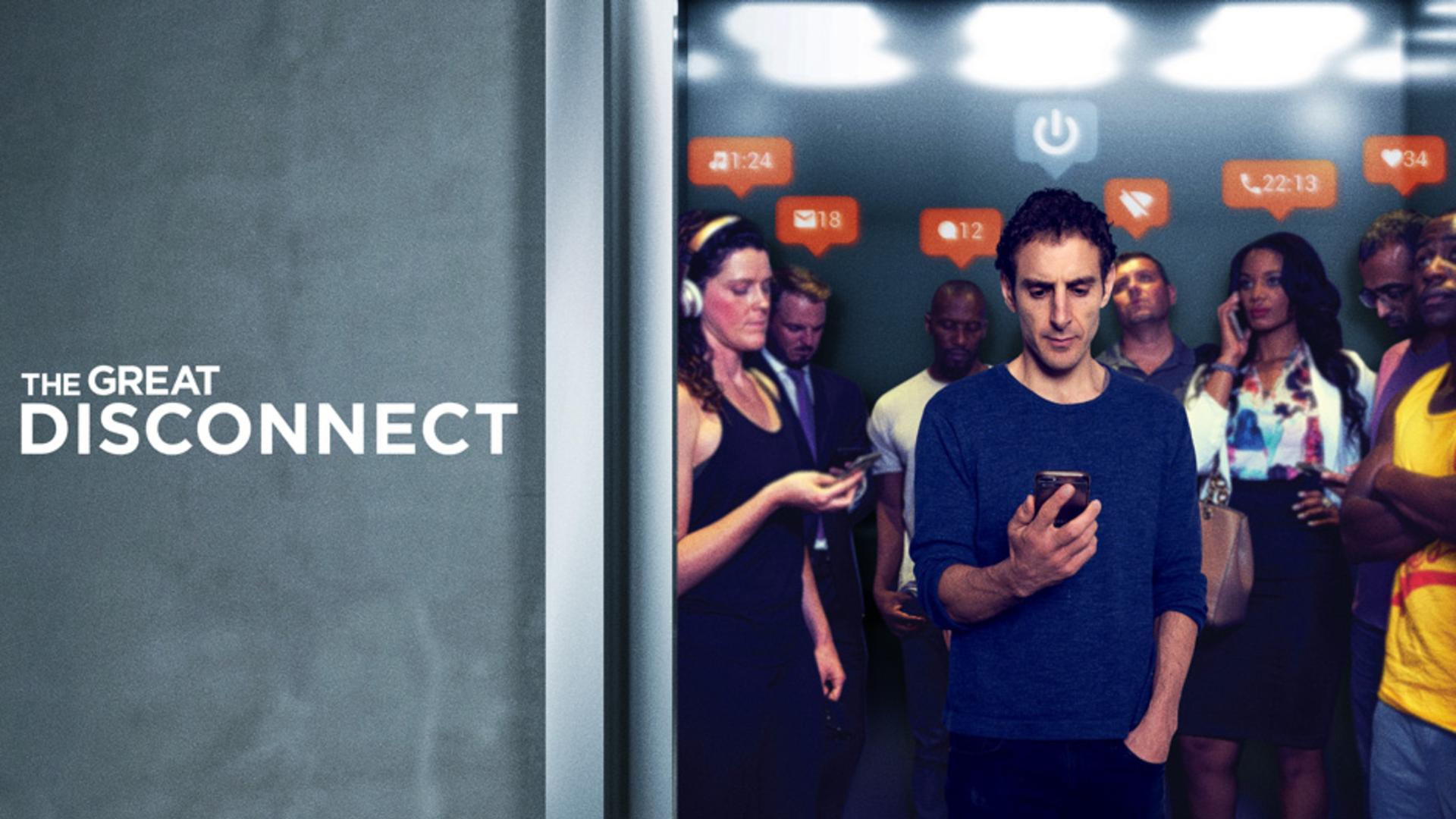
We are living in a time that has been described as the age of loneliness. Statistics reveal that over the last few decades, the number of admittedly lonely people has doubled. Many individuals report they have trouble making friends and finding others to confide in. Despite advances in technology, living conditions, education and healthcare, it's apparent that we are feeling more alone than ever before. While it's true that this isolation impacts us psychologically and emotionally, what many of us don't realize is the negative impact it has on every aspect of our health and well-being. So what's caused this? How have we become so Disconnected? Wellness expert Tamer Soliman attempts to answer these questions by visiting cities across North America. Through interviews with local citizens, community activists, and leading authorities on social, economic and urban design, Tamer discovers the reasons behind this loneliness epidemic and the true cost it has on our lives. This fascinating documentary invites us to reflect on our relationships with those around us and raises the question: Is it possible to overcome our modern day culture of disconnectedness and rediscover how essential we are to each other?
2020 • Health
COVID-19 is far from the first pandemic to wreak havoc in the world. A long line of infectious diseases have devastated and in some cases destroyed entire societies. Almost all of them started in animals and made the jump to humans. We are terrified of pandemics. And with good reason. Infectious diseases have cost the lives of countless people over the centuries, devastating families, towns, and even societies. The Black Death spread across Europe and Asia in the 14th century leaving millions dead in its wake. Between the 15th and 18th centuries, European colonists brought smallpox to the Americas, the Pacific region and to Australia. In Europe, the 17th century saw a series of major epidemics. And at the end of the First World War, more people died of the Spanish flu than on the battlefield. This documentary examines the causes of these epidemics - whether it be lack of hygiene, interaction with animals, overcrowding, or the growth of cities - and how people travelling helped to spread disease and promote pandemics. It also sheds a light on the impact these infectious diseases have had on politics and societal change. Today, the world is facing COVID-19. Measures such as quarantine and lockdowns are being rolled out in an effort to control the spread of the virus; and, just as our ancestors did before us, some are questioning how effective they are. Over the centuries, scientists managed to develop treatments and medicines to help control or even eradicate infectious diseases. Virologists are facing that task again with the coronavirus, as the world frantically searches for ways to overcome a pandemic which threatens our modern way of life.
2020 • Health
In this third Horizon special, Dr Chris Van Tulleken is joined by his brother Xand and Dr Guddi Singh to take us through the latest developments and answer current concerns. Though the effect of the coronavirus pandemic has been devastating to many, the team reveal the breakthroughs in genetics, medicine and modelling that have provided a way out of this situation and given hope and confidence that, in the event of a future pandemic, we can take it on and win.
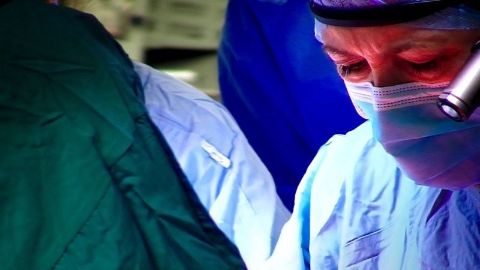
Two procedures so formidable, they would not have been attempted even a few years ago. Surgical teams at the Queen Elizabeth are constantly pushing the limits of what is possible. But despite state-of-the-art diagnostic scanning, sometimes cancer surgeons don't know exactly what they are up against until they open the patient up on the operating table. Even with the most meticulous planning, sometimes they must resort to taking critical decisions live in the theatre. 74-year-old Jasmine Harkness has been referred to the specialist sarcoma unit with a vast tumour in her abdomen, weighing more than three stone - a third of her total body weight. It is consuming her, displacing organs including her stomach and liver. Unless it can be removed, she has just four weeks to live. Sarcoma specialists Sam Ford and Professor David Gourevitch can't be sure whether they will be able to save Jasmine until they open her up and inspect her anatomy. Such is the risk of this surgery - five years ago they would not have embarked on this intervention. Sue Sinclair, lead anaesthetist and matriarch of theatre, keeps the others in check - working alongside them as they battle to detach the tumour from Jasmine's organs and blood vessels, and remove it intact. Whenever it presses heavily on vital blood vessels, Jasmine's blood pressure plummets, placing her life in grave danger. It will take unwavering focus to keep her alive. The tumour has grown so invasively that it has crushed and displaced Jasmine's internal organs. Sam and David have a puzzle on their hands to identify what and where everything is. At times, dark humour is the only way to release the tension as they grapple with blood, guts and mind-boggling complexity.
S1E2 • Surgeons: At the Edge of Life • 2018 • Health