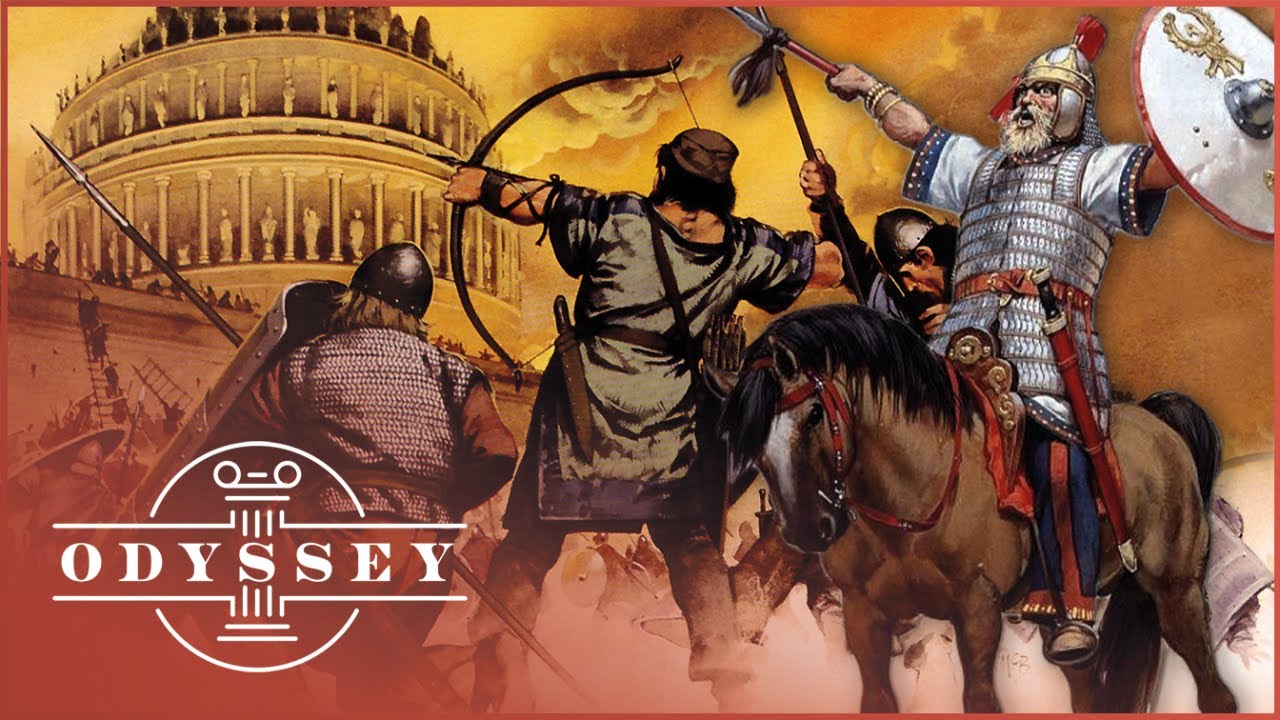
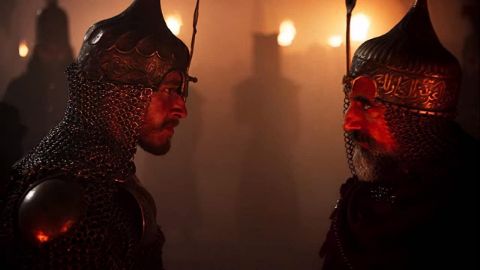
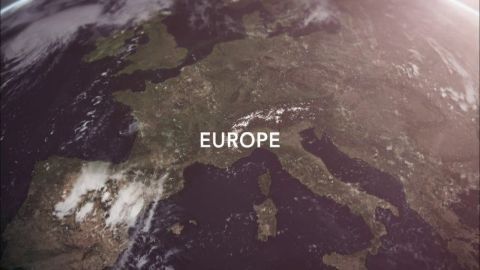
For the people of the ancient world, the Huns were "the most feared of all warriors". Never before had people experienced such brutal fighting. The power of the mounted nomads became a threat to Rome, but other tribes were also on the move and headed to the center of a weakened empire.
Hope you're finding these documentaries fascinating and eye-opening. It's just me, working hard behind the scenes to bring you this enriching content.
Running and maintaining a website like this takes time and resources. That's why I'm reaching out to you. If you appreciate what I do and would like to support my efforts, would you consider "buying me a coffee"?
BTC: bc1q8ldskxh4x9qnddhcrgcun8rtvddeldm2a07r2v
ETH: 0x5CCAAA1afc5c5D814129d99277dDb5A979672116
With your donation through , you can show your appreciation and help me keep this project going. Every contribution, no matter how small, makes a significant impact. It goes directly towards covering server costs.
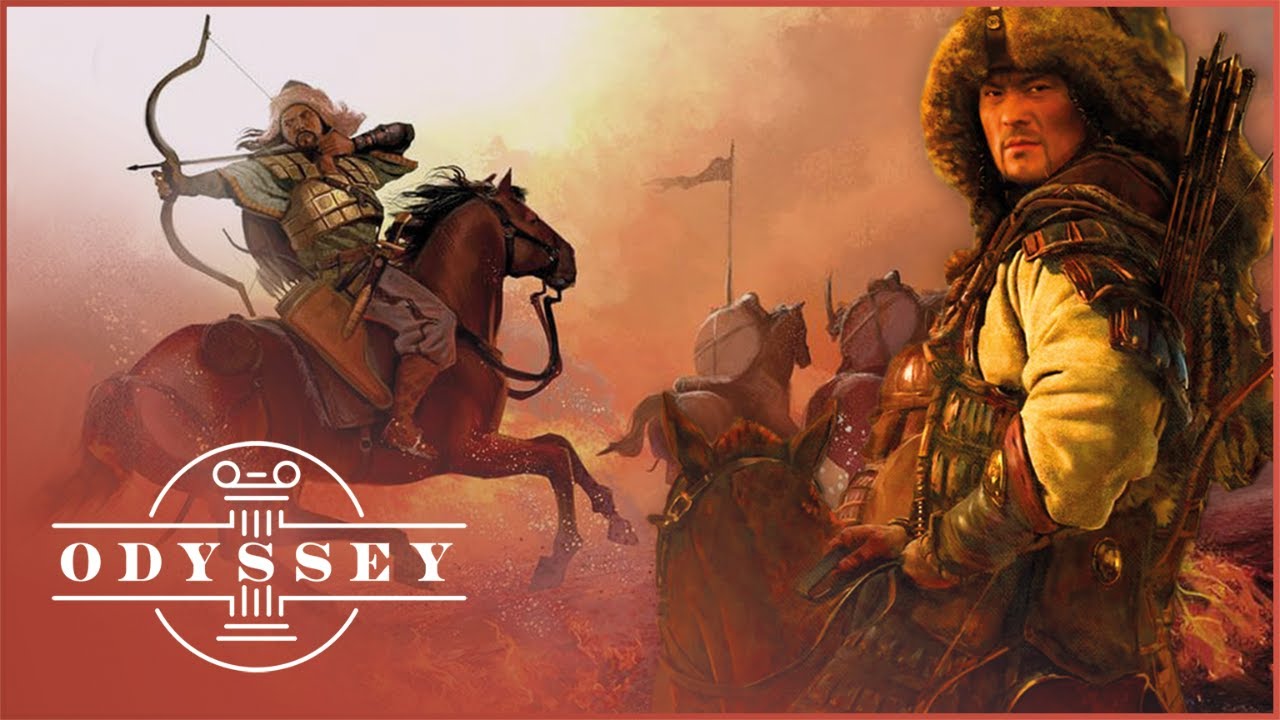
For the people of the ancient world, the Huns were "the most feared of all warriors". Never before had people experienced such brutal fighting. The power of the mounted nomads became a threat to Rome, but other tribes were also on the move and headed to the center of a weakened empire.
2021 • History
The Goths rocked the Roman Empire and wrote themselves into history. Who were these tribes from the north that ended the rule of Rome?
2021 • History
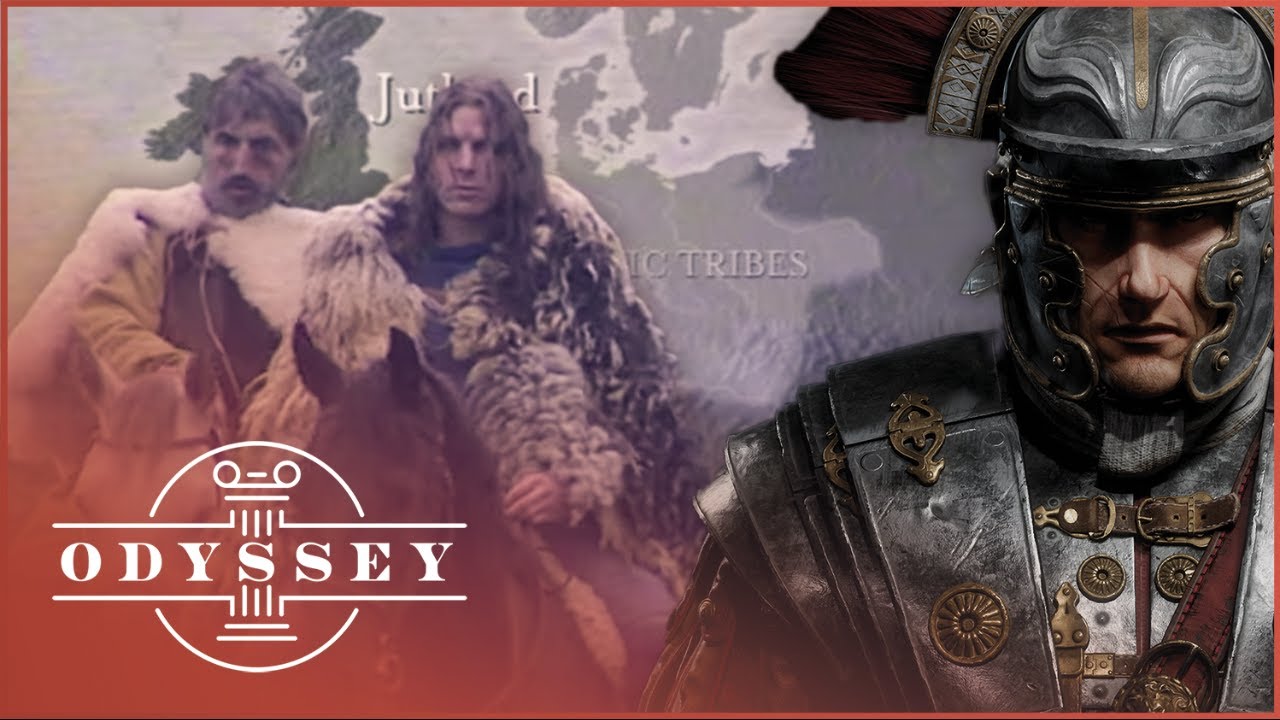
To Roman eyes, the tribe they called the Cimbri, the Cimbrians, lived at the edge of the inhabited world, in Jutland. In 120 B. C., they and other Germanic tribes began a mass migration. Now through excavations, we learn about these ancient tribes and their lives.
2021 • History
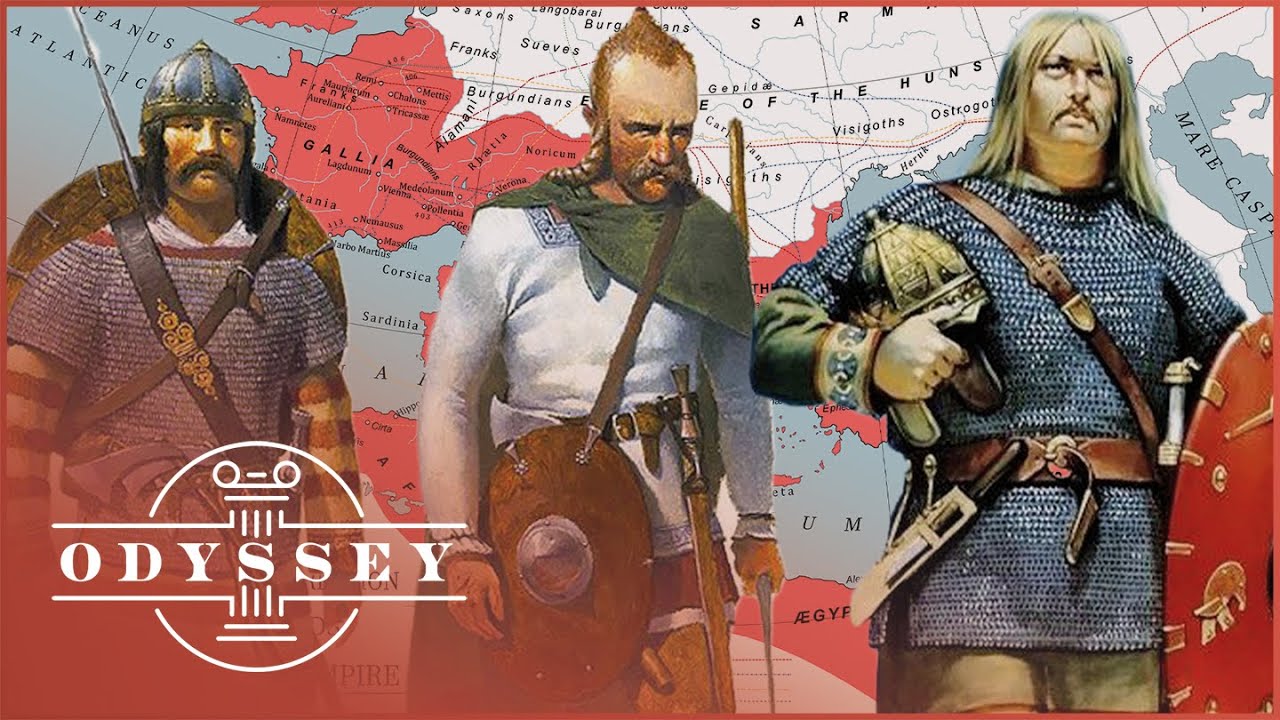
Starting in the 5th century AD, the Franks migrated to France, the Anglo-Saxons to Britain, and the Goths to Spain and Italy. Europe and the Christian west grew out of their empires.
2021 • History
This documentary offers a unique perspective on World War II by examining the conflict from the viewpoint of the German military.
The Armchair Historian • 2023 • History
An ancient murder mystery plays out like an episode of C.S.I. When human bones are found hidden under the floor of an old army barracks, a homicide detective is called in to examine the evidence. Preliminary observations indicate the victim may have been bound and killed with blunt force trauma to the skull. The culprit must be found and brought to justice. But there is one key problem: The victim died nearly 1,800 years ago. British investigators discover bones hidden under the floor of an old army barracks near the Scotland border. Solving the mystery of who murdered a 10-year old child in 213 AD, Murder in the Roman Empire delves into the life of an ancient Roman garrison using forensics, archaeology, and criminal investigation. Could an individual soldier have taken advantage of deserted barracks to hide his crime? Or was there collusion among a group of soldiers?
2011 • History
Richard Miles explores the power and the paradox of the 'Greek Thing' - a blossoming in art, philosophy and science that went hand in hand with political discord, social injustice and endless war. He paints a fascinating picture of the internal and external pressures that fuelled this unique political and social experiment, one that would pioneer many of the political systems that we still live with today, from oligarchy to tyranny, from totalitarianism to democracy.
S1E3 • Ancient Worlds • 2010 • History
The rise of Protestantism is dividing Europe. This is the beginning of the Wars of Religion. While celebrating an alliance treaty, Henry II dies during a jousting tournament. Espionage, conspiracies, treason - his son, the sickly Francis II, sees his life and his reign threatened by the Protestants.
S2E2 • The Real War of Thrones: The True History of Europe • 2018 • History
When did World War II begin? This film answers that question in a way most audiences will find surprising. Americans might say December 7th 1941... The day the Japanese Imperial Navy attacked the American naval base at Pearl Harbor, Hawaii. For Europeans, it was September 1st 1939... When Nazi Germany invaded Poland. But in China, people will tell you a different date, August 13th 1937. That day, after a century of humiliation, and six years of repeated "Incidents" initiated by the Japanese military, China at last "stood up." This act of defiance took place in Shanghai, the most international city in Asia. It was headline news around the world. Today, the story is largely forgotten… except in China. The Battle of Shanghai has been described as the last battle of World War I, and the first battle of World War II. It was a warning to the world, a warning that was ignored. And it was the place where the destiny of modern China was set in motion.
2018 • History
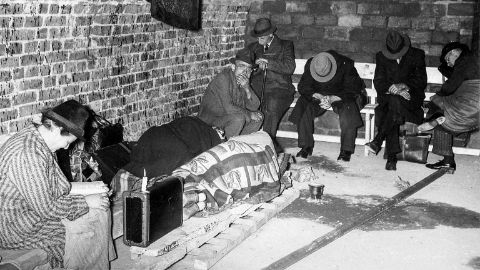
The British, French and Americans are waiting to enter Berlin. In the meantime, the Soviets appoint mayors, organise the food supply and go on the hunt for war criminals. The Jewish community, among whom there are few survivors, regroup. The fate of the city is determined at the Potsdam Conference. Life returns to the ruins, theatres reopen and orchestras play in the open air. By the end of 1945, the bond that held the Allies together is torn apart - and the Cold War begins.
S1E3 • Berlin 1945: Diary of a Metropolis • 2020 • History