Human (BBC, 2025) is a landmark documentary exploring the extraordinary story of Homo sapiens — how we evolved, adapted, and spread across the globe. Using cutting-edge science, stunning visuals, and expert insights, the series unravels the mysteries of our species’ survival, from early human ancestors to the complex societies we live in today. It’s a powerful journey through time that reveals what makes us truly human. Chapters: 1: The First of Us 2: Into the Unknown 3: Last Humans Standing 4: Discovering the Americas 5: A Great Gamble
Hope you're finding these documentaries fascinating and eye-opening. It's just me, working hard behind the scenes to bring you this enriching content.
Running and maintaining a website like this takes time and resources. That's why I'm reaching out to you. If you appreciate what I do and would like to support my efforts, would you consider "buying me a coffee"?
BTC: bc1q8ldskxh4x9qnddhcrgcun8rtvddeldm2a07r2v
ETH: 0x5CCAAA1afc5c5D814129d99277dDb5A979672116
With your donation through , you can show your appreciation and help me keep this project going. Every contribution, no matter how small, makes a significant impact. It goes directly towards covering server costs.
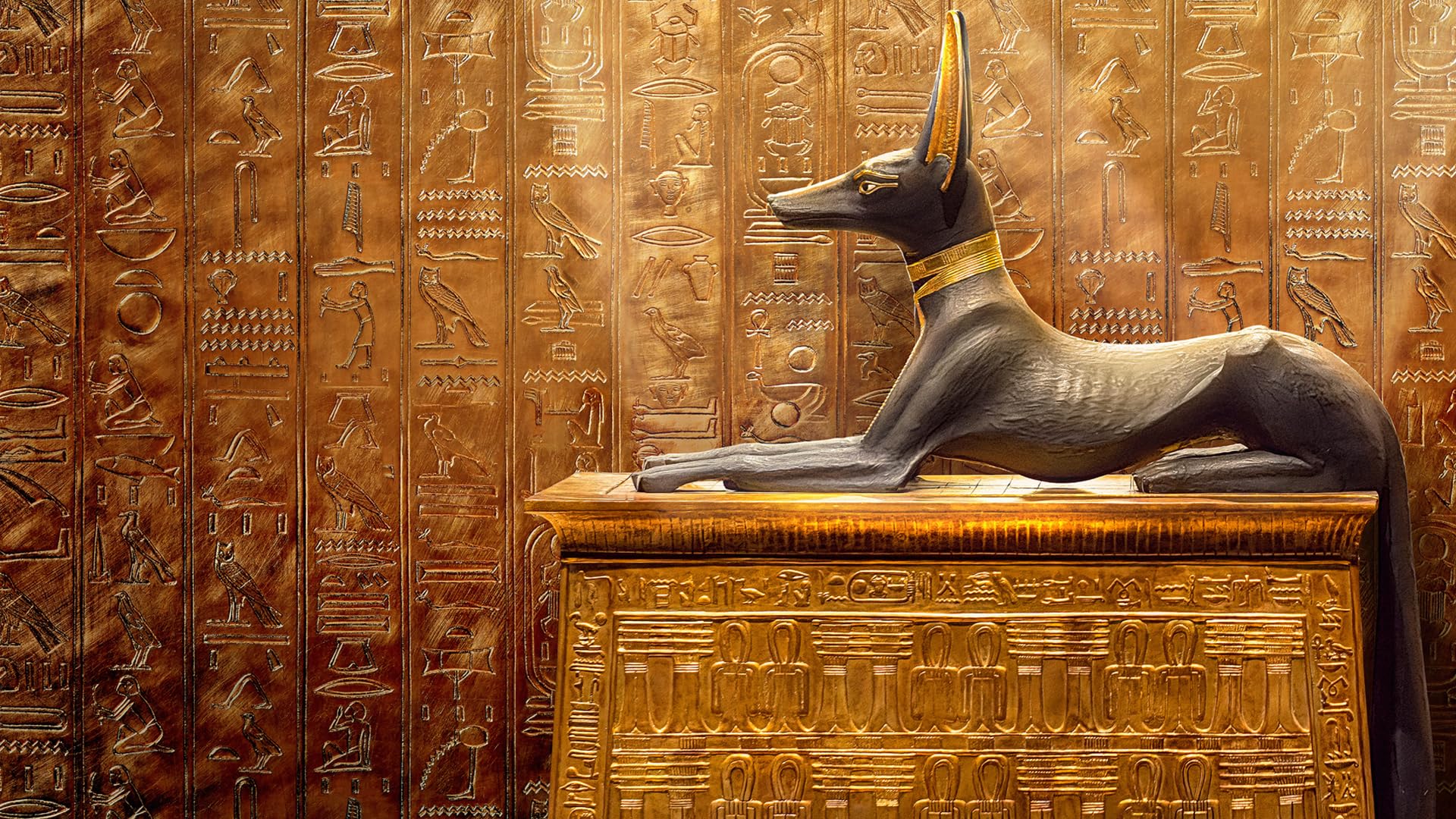
Archaeologists decode the afterlife's secrets in an elaborate tomb and unearth a rare burial chamber revealing evidence of grave robbing.
Part 6 • Lost Treasures of Egypt • 2019 • History
The National Geographic Channel EXPLORER series takes on the August 6, 1945, U.S. Air Force atomic bombing of Hiroshima, Japan, in this chronological retelling of the 24 hours following the event. The atomic bombing of Hiroshima, on August 6, 1945, was a moment that changed the world. Power that fueled the stars had been unleashed and turned into a lethal technology. Now learn the second-by-second story of that defining moment through those hit hardest by that weapon--the survivors. On August 6th, 1945 a weapon unlike any other before was unleashed on the Japanese city of Hiroshima. Four days later, the Japanese surrendered having been subjected to horrors and devastation previously unknown and unimaginable. But beyond the horror and human toll, real scientific questions remained unanswered. In 1945, a team of scientists and experts from the Manhattan Project was ordered by President Truman to investigate the facts of what really happened when the atomic bomb exploded over Hiroshima. National Geographic reveals the incredible science behind what happened moment by moment in the 24 Hours After Hiroshima.
To Roman eyes, the tribe they called the Cimbri, the Cimbrians, lived at the edge of the inhabited world, in Jutland. In 120 B. C., they and other Germanic tribes began a mass migration. Now through excavations, we learn about these ancient tribes and their lives.
Eisenhower and John Foster Dulles replace Truman. Stalin dies but relations with the Soviet Union turn colder. The H-bomb and the doctrine of nuclear annihilation are explored, as are the Korean War and U.S. rearmament. McCarthyism grows and so does the ruthlessness of U.S. policy towards a Third World. Eisenhower emerges as a game changer.
S1E5 • Oliver Stone's Untold History of the United States • 2013 • History
Constantinople was a part of the Roman Empire, then became the seat of the Byzantine Empire and then was the imperial city of the Ottoman Empire. Here is the story of the fabled city and its history of power and conflict through the ages.
S2E1 • Butterfly Effect • 2018 • History
Jeremy Paxman continues his personal account of Britain's empire, looking at how the empire began as a pirates' treasure hunt, grew into an informal empire based on trade and developed into a global financial network. He travels from Jamaica, where sugar made plantation owners rich on the backs of African slaves, to Calcutta, where British traders became the new princes of India. Jeremy then heads to Hong Kong, where British-supplied opium threatened to turn the Chinese into a nation of drug addicts - leading to the brutal opium wars, in which Britain triumphed and took the island of Hong Kong as booty. Unfair trading helped spark the independence movement in India, led by Mahatma Gandhi; in a former cotton spinning town in Lancashire, Jeremy meets two women who remember Gandhi's extraordinary visit in 1931.