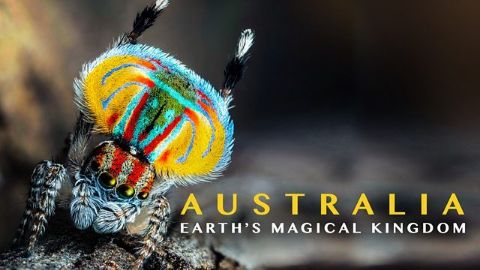
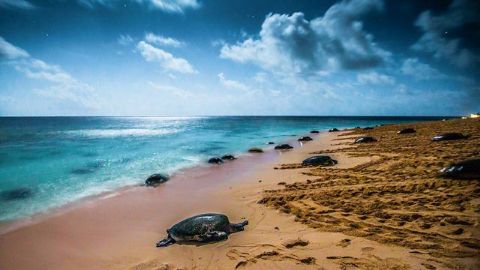
A look at one of the most magical lands on the planet. Its unique wildlife includes tree-dwelling kangaroos, spiders that survives under water and a bird that spreads fire.
Hope you're finding these documentaries fascinating and eye-opening. It's just me, working hard behind the scenes to bring you this enriching content.
Running and maintaining a website like this takes time and resources. That's why I'm reaching out to you. If you appreciate what I do and would like to support my efforts, would you consider "buying me a coffee"?
BTC: bc1q8ldskxh4x9qnddhcrgcun8rtvddeldm2a07r2v
ETH: 0x5CCAAA1afc5c5D814129d99277dDb5A979672116
With your donation through , you can show your appreciation and help me keep this project going. Every contribution, no matter how small, makes a significant impact. It goes directly towards covering server costs.
Discover how humans have partnered with the horse throughout the centuries, creating more than 350 breeds found all around the world.
S1E2 • Equus Story of the Horse • 2019 • Nature
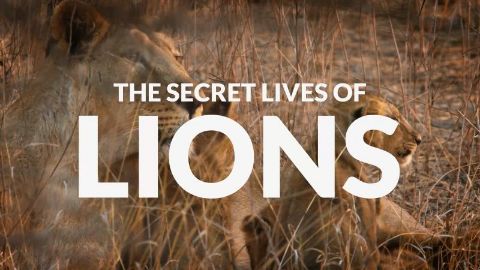
Lions differ from all other cats in that they are highly social, forming prides of up to 35 animals. There are now thought to be fewer than 15,000 lions remaining in Kenya's Masai Mara, a drop of 75% in 50 years.
S1E4 • The Secret Lives of Big Cats • 2019 • Nature
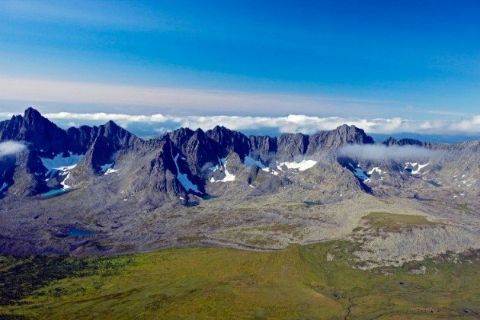
Take a journey through majestic primeval forests of the Urals. These protected sites are known for their extremes, where the fine side by side, and giant deer, and giant leviathan, weighing half a ton, and tiny animals. This also, in search of food, make their seasonal raiding Eurasian elk. Unlike other types of elk Eurasian elk live alone, so for the pregnant female elk stress of meeting with other animals usually leads to a fight. As soon as the snow begins to melt in the woods, baring the ground, a lone wolf set out in search of food, not disdaining the frozen remains of animals
S1E6 • Wild Russia • 2009 • Nature
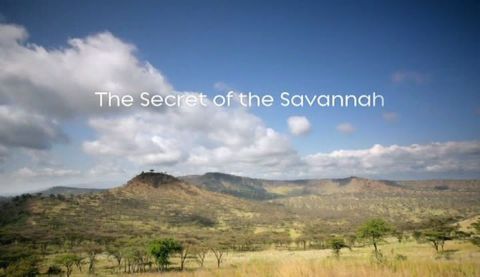
In this episode, Chris reveals how the world's most spectacular grasslands flourish, despite being short of one essential nutrient - nitrogen. As it turns out, the secret lies with the animals. There are the white rhinos of Kenya that create nitrogen hotspots by trimming and fertilising the grass. They are drawn to these particular points by communal toilets or 'fecal facebooks', where they meet and greet each other. In the whistling acacia grasslands of Kenya, Chris reveals the amazing relationships between termites, geckos, ants, monkeys and giraffes that make these places so rich in wildlife
S1E2 • Secrets of Our Living Planet • 2012 • Nature
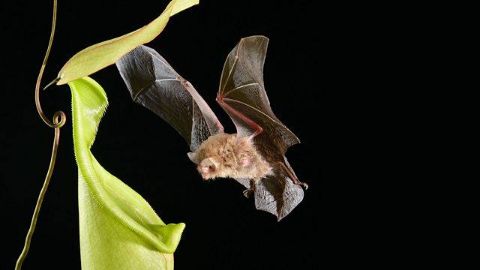
In the heart of south-east Asia lies the tropical island of Borneo. Twice the size of the British Isles, it is the third largest island on earth and home to possibly the greatest diversity of life of any island. Its huge variety of habitats, from bustling coral reefs and ancient jungles to towering mountains, have given rise to more than 60,000 species of plants and animals - many found nowhere else on Earth. This documentary covers Borneo's rich abundance of wildlife, from frogs to orang-utans.
S1E2 • Earth's Tropical Islands • 2020 • Nature
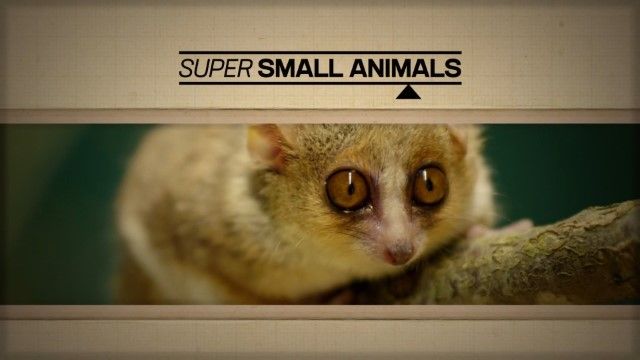
From a primate that's no bigger than a mouse, to a chameleon that can fit on your fingertip, the natural world is full of fantastically small animals. Biologist Patrick Aryee explores the fascinating secrets behind these miniature marvels and shows that they're not the underdogs you might think they are. Super Small Animals follows him as he meets the leading experts on these pint sized superstars, and finds out what makes them some of the most successful on the planet. First up, he reveals the huge benefits that being small can bring. There's the little lemur whose diminutive frame helps it to exploit a unique gap in the eco-system, the tiny hummingbird that uses its size to out-manoeuvre the competition, and the world's smallest seahorse that never has to leave home. He also explores why small animals are proportionally the strongest in the world, and introduces a peanut-sized beetle that can pull over a thousand times its own weight. Next he explores the challenges that animals face when they shrink in size, and the ingenious ways they overcome them. We find out how the smallest armadillo in the world manages to control its temperature in the searing desert sun, and the how the world's smallest fish can survive in nothing more than a puddle, because it never really grows up. Patrick meets a secretive hippo that lives in the dense jungle, and looks like it's been shrunk in the wash, and some of the world's smallest snakes that give birth to enormous babies. He also meets a scientist that studies how really tiny spiders have a surprising trick that enables them to travel an incredible 40 miles per day, using almost no energy. Then there are the animals that refuse to be pigeon holed as small, and manage to punch way above their weight. He puts some astonishing invertebrates to the test, to see how they work together to become much bigger than the sum of their parts and meets a pint-sized predator that takes on some of the largest and most dangerous creatures on the planet, getting hands on to discover how its build helps it to be brave. Finally he uncovers the incredible lengths that deep sea anglerfish go to in order to be big and small at the same time, and has an endearing encounter with a tiny carnivore that manages to be small in just one direction. Whether their size helps them to hunt, hide or survive, all these remarkable animals prove that good things really do come in small packages.
2017 • Nature