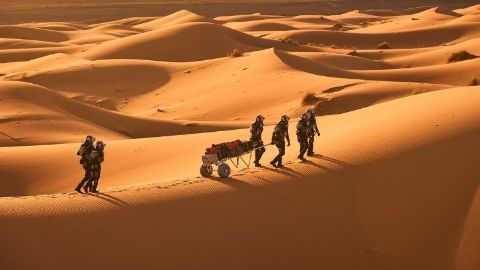
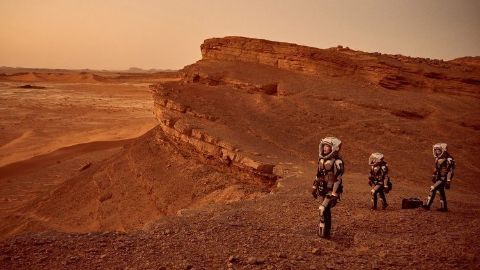
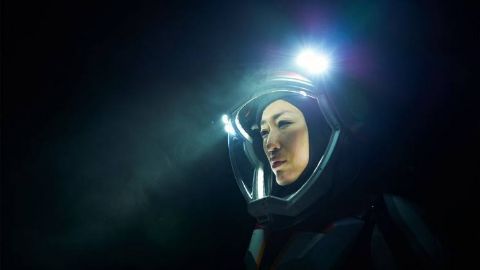
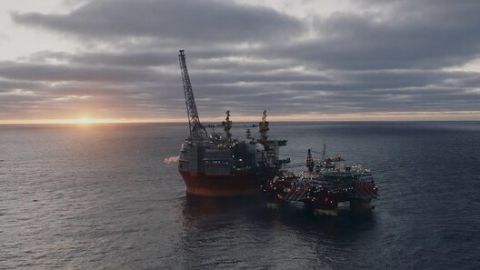
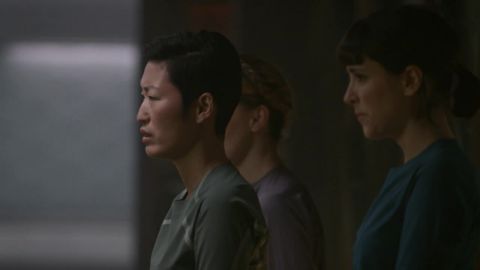
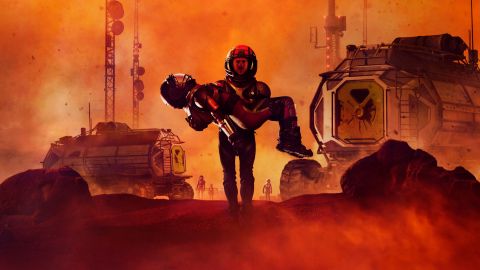
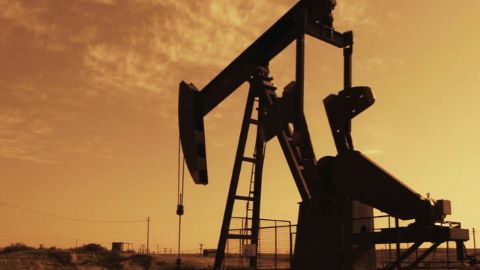
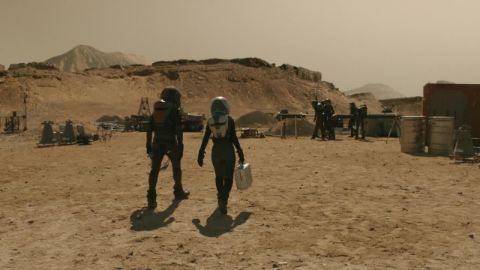
Lukrum strikes a deal with Russia for exclusive mining rights. In the present day on Earth, ecosystems and indigenous lifestyles need protection from corporations.
Hope you're finding these documentaries fascinating and eye-opening. It's just me, working hard behind the scenes to bring you this enriching content.
Running and maintaining a website like this takes time and resources. That's why I'm reaching out to you. If you appreciate what I do and would like to support my efforts, would you consider "buying me a coffee"?
BTC: bc1q8ldskxh4x9qnddhcrgcun8rtvddeldm2a07r2v
ETH: 0x5CCAAA1afc5c5D814129d99277dDb5A979672116
With your donation through , you can show your appreciation and help me keep this project going. Every contribution, no matter how small, makes a significant impact. It goes directly towards covering server costs.
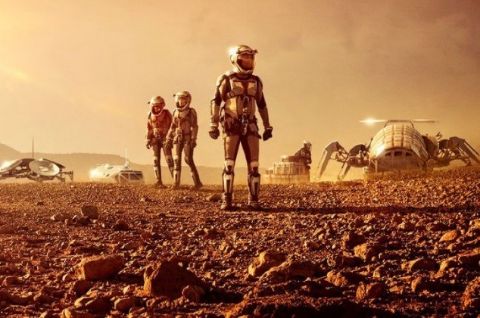
The story is told in a documentary way, looking at the present day. The future mission is filmed as a movie. In this episode scenes are changing in these timeframes.
2016 • Astronomy
In 2033, the Daedalus crew struggles to find permanent shelter. Currently, the European Space Agency and Roscosmos partner to launch an orbiter.
2016 • Astronomy
In 2037, a devastating tragedy in the colony forces everyone to question the mission. In the present, SpaceX attempts another pioneering launch.
2017 • Astronomy
After a decade on Mars, scientists await the arrival of miners from a for-profit corporation, causing tensions to rise between science and industry.
2018 • Astronomy
IMSF and Lukrum establish a tenuous coexistence with a common water source. In the present day on Earth, activists protest Arctic oil drilling.
2018 • Astronomy
When a solar flare strikes the planet and knocks out all communications, the Olympus Town team races against the clock to locate Marta.
2018 • Astronomy
Lukrum strikes a deal with Russia for exclusive mining rights. In the present day on Earth, ecosystems and indigenous lifestyles need protection from corporations.
2018 • Astronomy
Lukrum pushes its corporate interest too far and jeopardizes the colonies. In the present day on Earth, human activity has destabilized the natural world.
2018 • Astronomy
"This film documents an event that has never taken place – man's first encounter with intelligent life from space". We've been fantasizing about an extraterrestrial visit for decades, but what would happen if it actually took place? How would we cope? Should we be afraid? These and many other questions are addressed in this philosophical film about a hypothetical initial contact with aliens. Scientists and space affairs specialists at the UN and NASA and in the British government cooperate in this cinematic simulation of the undoubtedly exciting meeting between extraterrestrial life and humanity. The interviewees speak directly to the unknown entities as if they've already arrived. From their own fields – politics, theology, sociology, biology or space science – they ask probing questions. What are you doing here? Do you have a sense of right and wrong? Do you carry bacteria that could make us sick? Are we hazardous to your immune system? Information specialists in the British government show how a first summit in this situation could go. How do you inform the public? Will countries work together? Is there a danger involved? Above all, the alien visit raises questions about the relation between our own history of exploration, colonization and warfare, and the expectations with which we approach the unknown. This is a journey beyond terrestrial perspective, revealing the fears, hopes, and rituals of a species forced not only to confront alien life forms, but also its own self image.
2015 • Astronomy
Volcanoes have long helped shape the Earth. But what is less well known is that there are volcanoes on other planets and moons that are even more extraordinary than those on our own home planet. Horizon follows an international team of volcanologists in Iceland as they draw fascinating parallels between the volcanoes on Earth and those elsewhere in the solar system. Through the team's research, we discover that the largest volcano in the solar system - Olympus Mons on Mars - has been formed in a similar way to those of Iceland, how a small moon of Jupiter - Io - has the most violent eruptions anywhere, and that a moon of Saturn called Enceladus erupts icy geysers from a hidden ocean. Computer graphics combined with original NASA material reveal the spectacular sights of these amazing volcanoes. Along the way, we learn that volcanoes are not just a destructive force, but have been essential to the formation of atmospheres and even life. And through these volcanoes of the solar system, scientists have discovered far more about our own planet, Earth - what it was like when Earth first formed, and even what will happen to our planet in the future.
Venus is a hellish alien world believed to be impossible to extraterrestrial life; but new discoveries reveal shocking evidence within its deadly atmosphere and on its strange surface, all pointing to a possible future for planet Earth.
S1E4 • Mysteries of our Universe: Our Solar System • 2020 • Astronomy
Now that we’ve finished our tour of the planets, we’re headed back to the asteroid belt. Asteroids are chunks of rock, metal, or both that were once part of smallish planets but were destroyed after collisions. Most orbit the Sun between Mars and Jupiter, but some get near the Earth. The biggest, Ceres is far smaller than the Moon but still big enough to be round and have undergone differentiation.
20 • Crash Course Astronomy • Astronomy
We have traveled into space and looked deep into the universe’s depths, but the world beneath our feet remains unexplored and unseen. Now, that’s about to change. For the first time in one epic unbroken shot, we embark on an impossible mission – using spectacular computer generated imagery to smash through three thousand miles of solid rock, and venture from our world into the underworld and on to the core of the Earth itself.
2012 • Astronomy