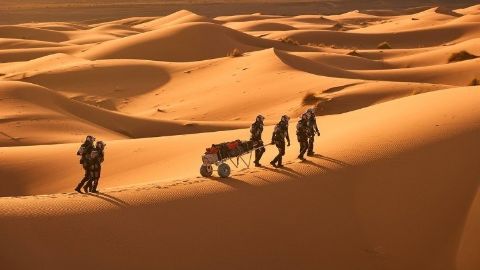
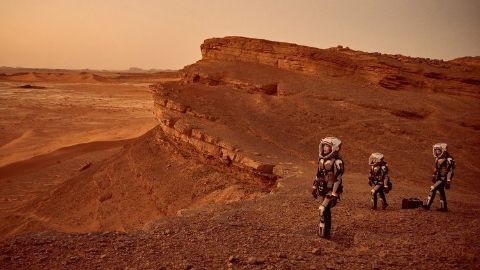
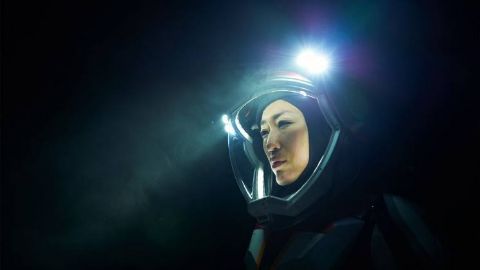
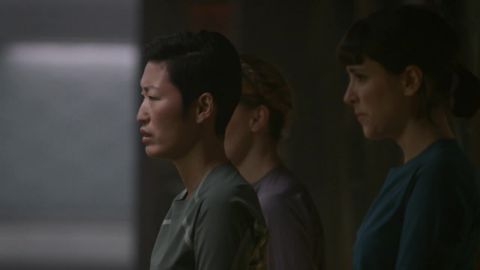
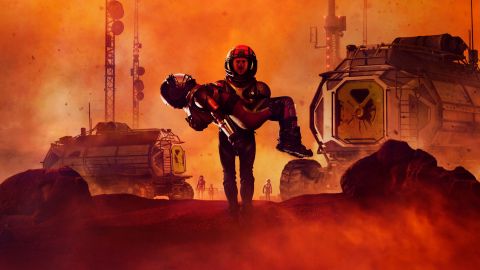
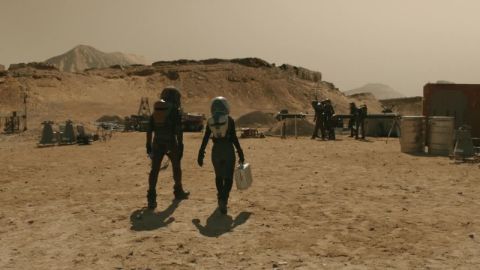
In 2033, the Daedalus crew struggles to find permanent shelter. Currently, the European Space Agency and Roscosmos partner to launch an orbiter.
Hope you're finding these documentaries fascinating and eye-opening. It's just me, working hard behind the scenes to bring you this enriching content.
Running and maintaining a website like this takes time and resources. That's why I'm reaching out to you. If you appreciate what I do and would like to support my efforts, would you consider "buying me a coffee"?
BTC: bc1q8ldskxh4x9qnddhcrgcun8rtvddeldm2a07r2v
ETH: 0x5CCAAA1afc5c5D814129d99277dDb5A979672116
With your donation through , you can show your appreciation and help me keep this project going. Every contribution, no matter how small, makes a significant impact. It goes directly towards covering server costs.
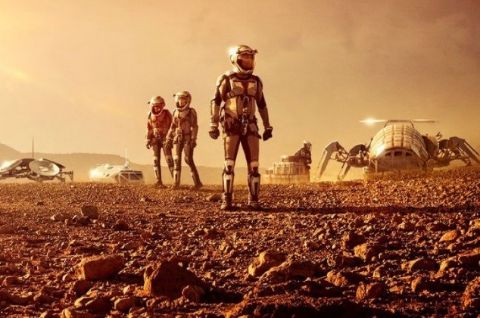
The story is told in a documentary way, looking at the present day. The future mission is filmed as a movie. In this episode scenes are changing in these timeframes.
2016 • Astronomy
In 2033, the Daedalus crew struggles to find permanent shelter. Currently, the European Space Agency and Roscosmos partner to launch an orbiter.
2016 • Astronomy
In 2037, a devastating tragedy in the colony forces everyone to question the mission. In the present, SpaceX attempts another pioneering launch.
2017 • Astronomy
After a decade on Mars, scientists await the arrival of miners from a for-profit corporation, causing tensions to rise between science and industry.
2018 • Astronomy
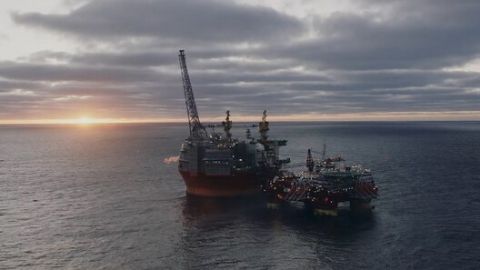
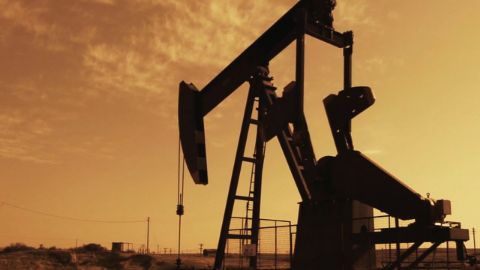
IMSF and Lukrum establish a tenuous coexistence with a common water source. In the present day on Earth, activists protest Arctic oil drilling.
2018 • Astronomy
When a solar flare strikes the planet and knocks out all communications, the Olympus Town team races against the clock to locate Marta.
2018 • Astronomy
Lukrum strikes a deal with Russia for exclusive mining rights. In the present day on Earth, ecosystems and indigenous lifestyles need protection from corporations.
2018 • Astronomy
Lukrum pushes its corporate interest too far and jeopardizes the colonies. In the present day on Earth, human activity has destabilized the natural world.
2018 • Astronomy
Follow Dr. Ben Longmier and his team into the rugged Alaskan wilderness on a quest to build a whole new type of rocket engine. Their goal is to test sensitive components by launching them into radiation-filled environments of space aboard helium balloons. Their goal is to revolutionize space travel and exploration by harnessing the energy contained in the dynamic fourth state of matter: plasma.
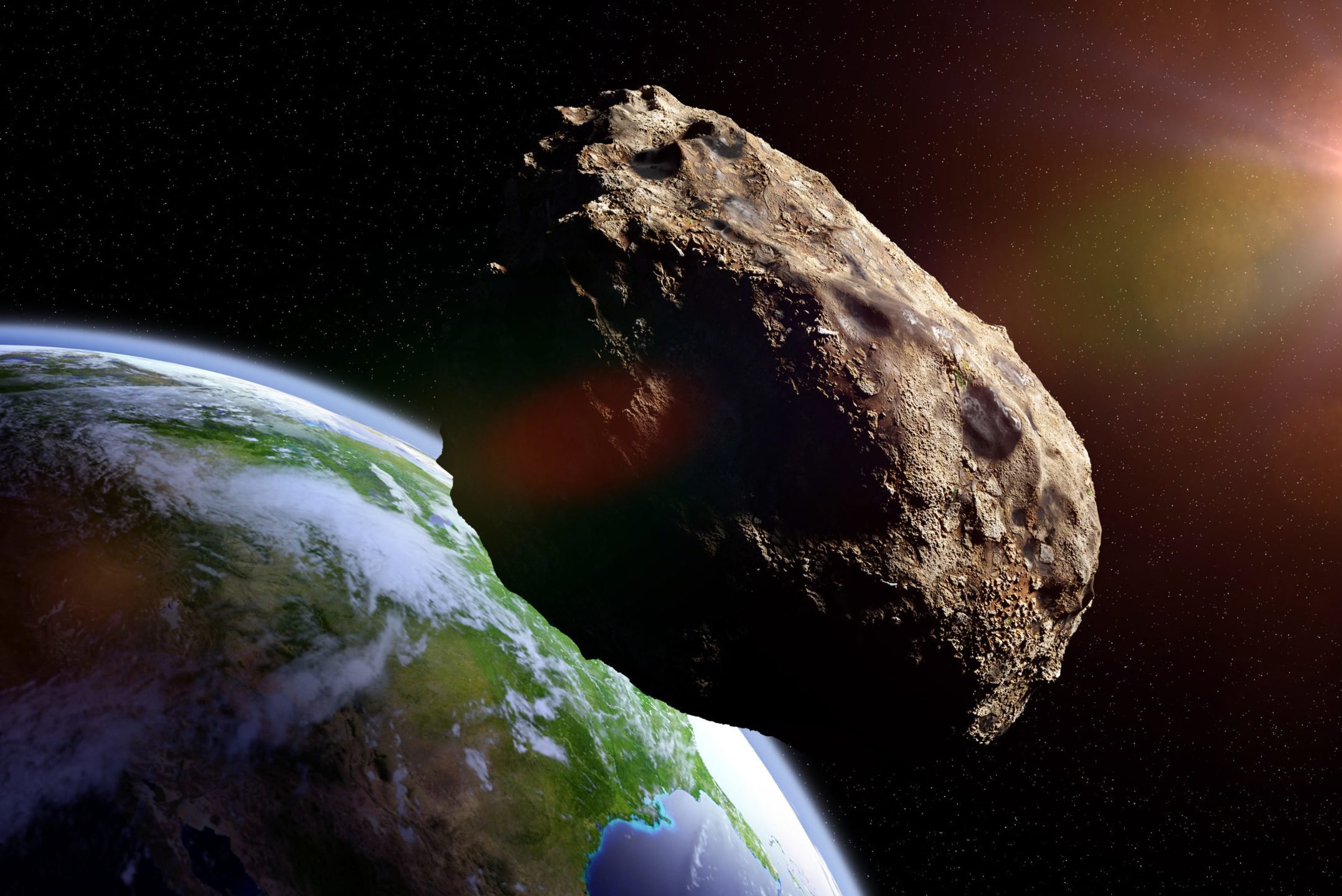
Most major geological processes require millions of year to become noticeable. Meteor impacts are exceptions which can cause comparable changes in seconds.
S1E10 • How the Earth Was Made • 2009 • Astronomy
Sagan discusses the story of the Heike crab and artificial selection of crabs resembling samurai warriors, as an opening into a larger discussion of evolution through natural selection (and the pitfalls of intelligent design). Among the topics are the development of life on the Cosmic Calendar and the Cambrian explosion; the function of DNA in growth; genetic replication, repairs, and mutation; the common biochemistry of terrestrial organisms; the creation of the molecules of life in the Miller-Urey experiment; and speculation on alien life (such as life in Jupiter's clouds). In the Cosmos Update ten years later, Sagan remarks on RNA also controlling chemical reactions and reproducing itself and the different roles of comets (potentially carrying organic molecules or causing the Cretaceous–Paleogene extinction event).
2/13 • Cosmos: A Personal Voyage • 1980 • Astronomy
Explores how light, time and gravity affects our perception of the universe.
S1E4 • Cosmos: A Spacetime Odyssey • 2014 • Astronomy
This week we build on our naked eye observations from last week and take a look at the cyclical phenomena that we can see at work in the universe.
#3 • Crash Course Astronomy • Astronomy
Saturn is the crown jewel of the solar system, beautiful and fascinating. It is a gas giant, and has a broad set of rings made of ice particles. Moons create gaps in the rings via their gravity. Saturn has dozens of moons, including Titan, which is as big as Mercury and has a thick atmosphere and lakes of methane; and Enceladus which has an undersurface ocean and eruptions of water geysers. While we are still uncertain, it is entirely possible that either or both moons may support life.
18 • Crash Course Astronomy • Astronomy