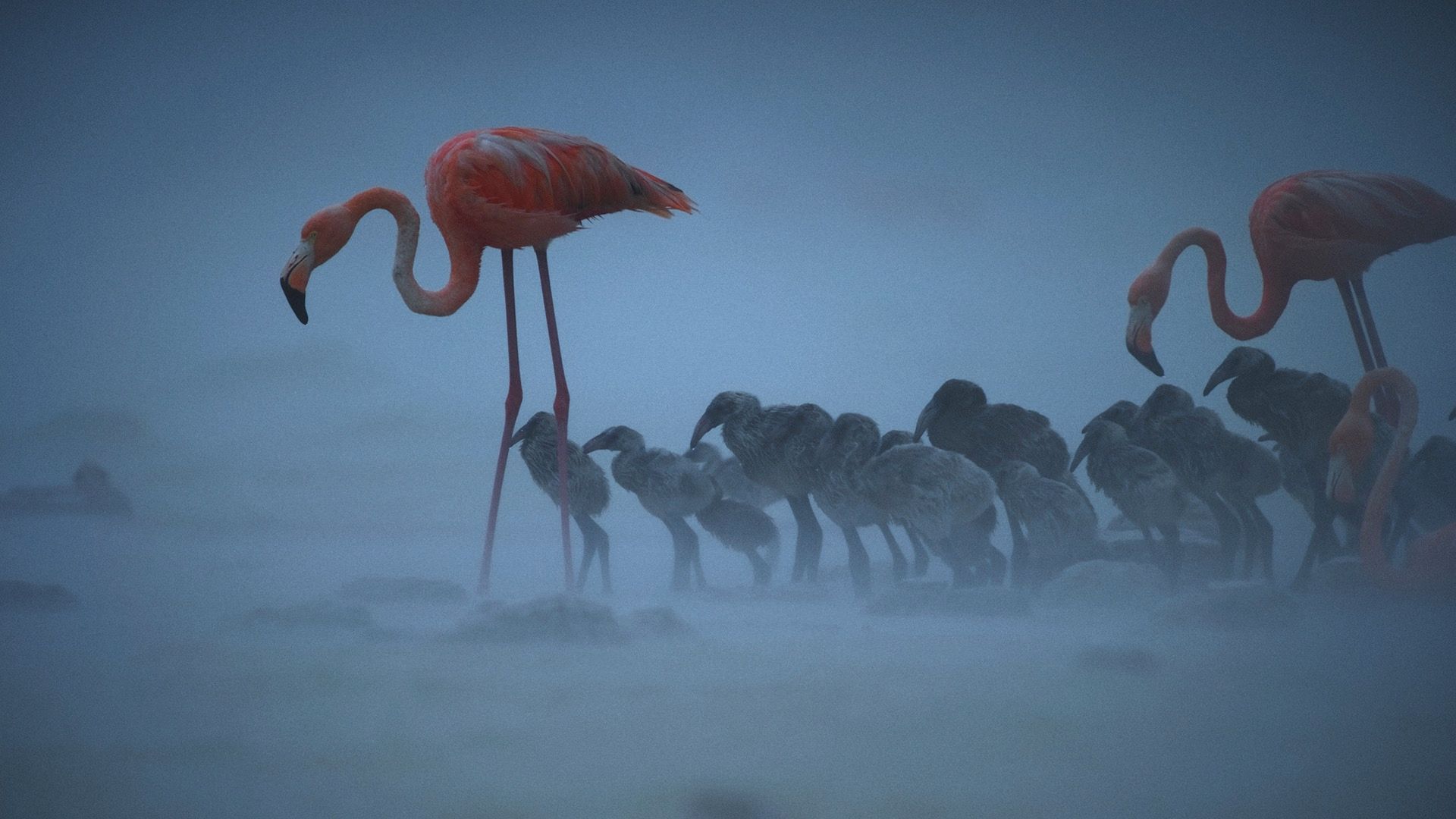
The world's coastal regions have always been an extreme environment to raise a family, but warming seas are exacerbating the challenges of parenthood. A hurricane hits a flamingo colony while chicks are still on the nest, a sea otter faces a huge winter storm in California, a clownfish on the Great Barrier Reef sees its anemone home bleached, and a little anole lizard clings on during a hurricane.
Hope you're finding these documentaries fascinating and eye-opening. It's just me, working hard behind the scenes to bring you this enriching content.
Running and maintaining a website like this takes time and resources. That's why I'm reaching out to you. If you appreciate what I do and would like to support my efforts, would you consider "buying me a coffee"?
BTC: bc1q8ldskxh4x9qnddhcrgcun8rtvddeldm2a07r2v
ETH: 0x5CCAAA1afc5c5D814129d99277dDb5A979672116
With your donation through , you can show your appreciation and help me keep this project going. Every contribution, no matter how small, makes a significant impact. It goes directly towards covering server costs.
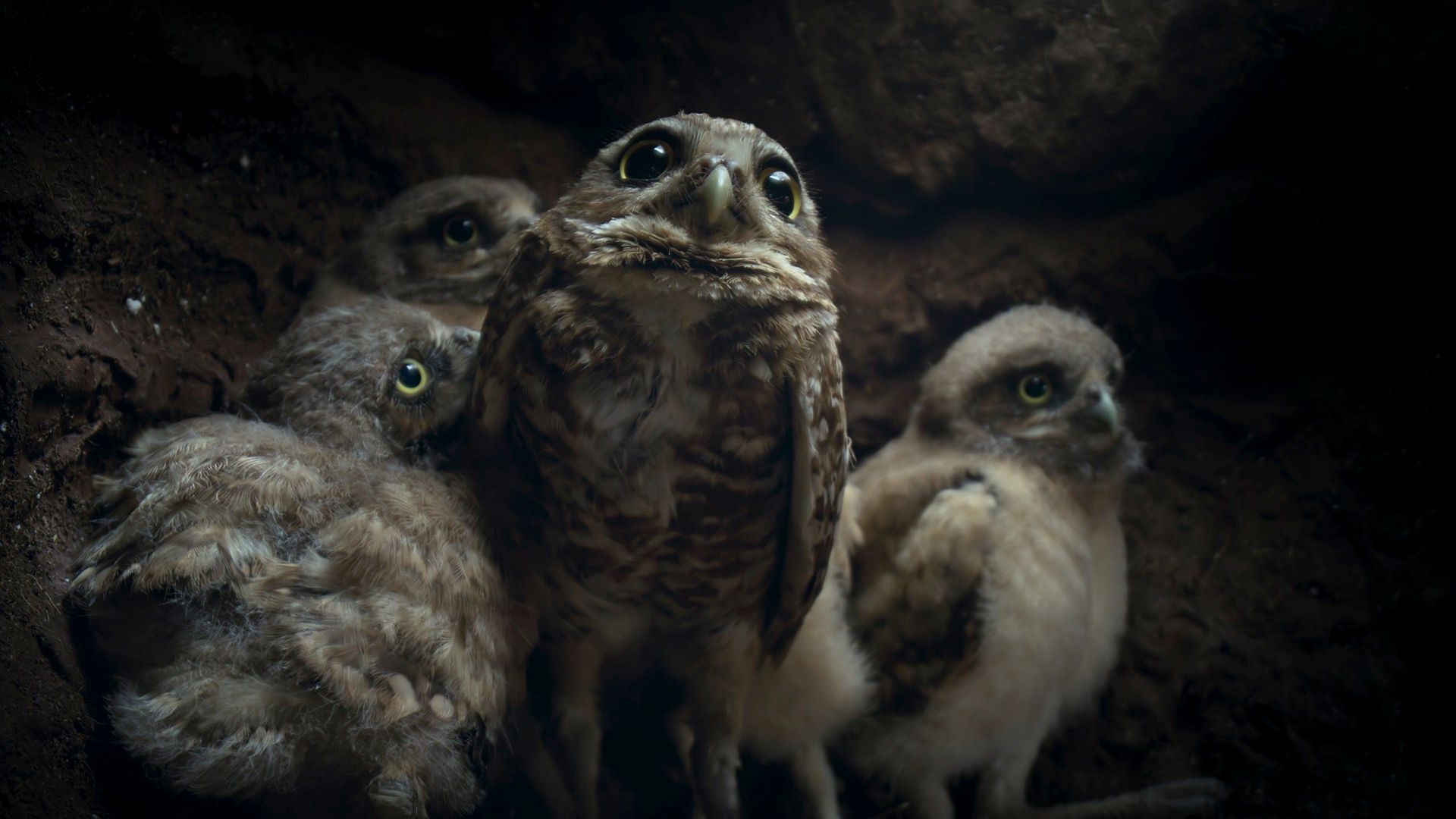
An owl protects its chicks underground, cheetahs struggle through record floods in Kenya, and a polar bear searches for disappearing Arctic sea ice as extreme weather intensifies across the planet.
2026 • Nature
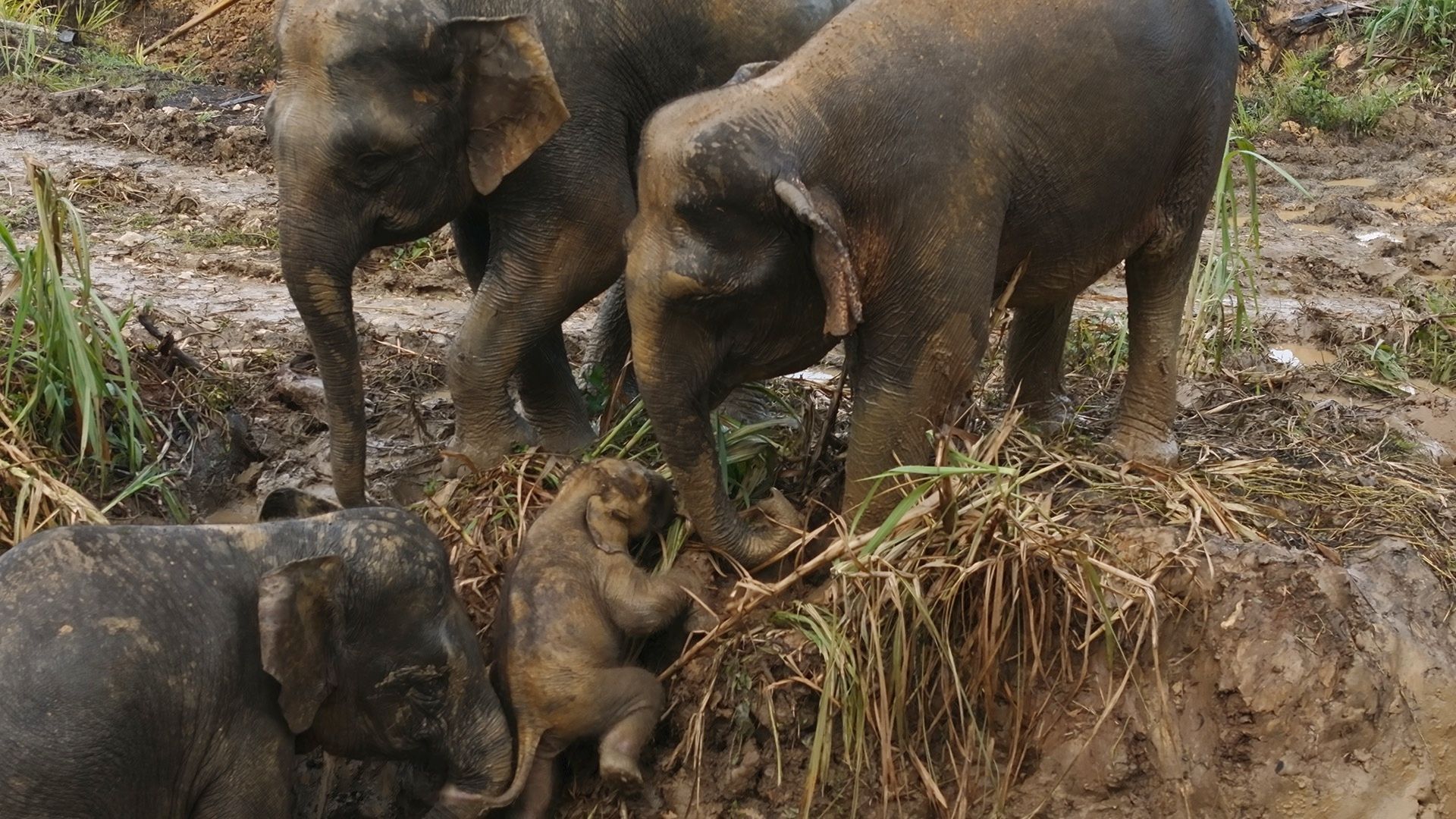
As the planet's shifting rain patterns rewrite the rules, survival is no longer about strength alone. From the desert to the jungle, three mothers face the ultimate test of survival as monsoon floodwaters tear through pygmy elephant territory in Borneo, a female platypus in Australia watches a flash flood destroy her home river, and a flood in Africa brings prey to a lone lioness. Andrew Lincoln narrates.
2026 • Nature
The world's coastal regions have always been an extreme environment to raise a family, but warming seas are exacerbating the challenges of parenthood. A hurricane hits a flamingo colony while chicks are still on the nest, a sea otter faces a huge winter storm in California, a clownfish on the Great Barrier Reef sees its anemone home bleached, and a little anole lizard clings on during a hurricane.
2026 • Nature
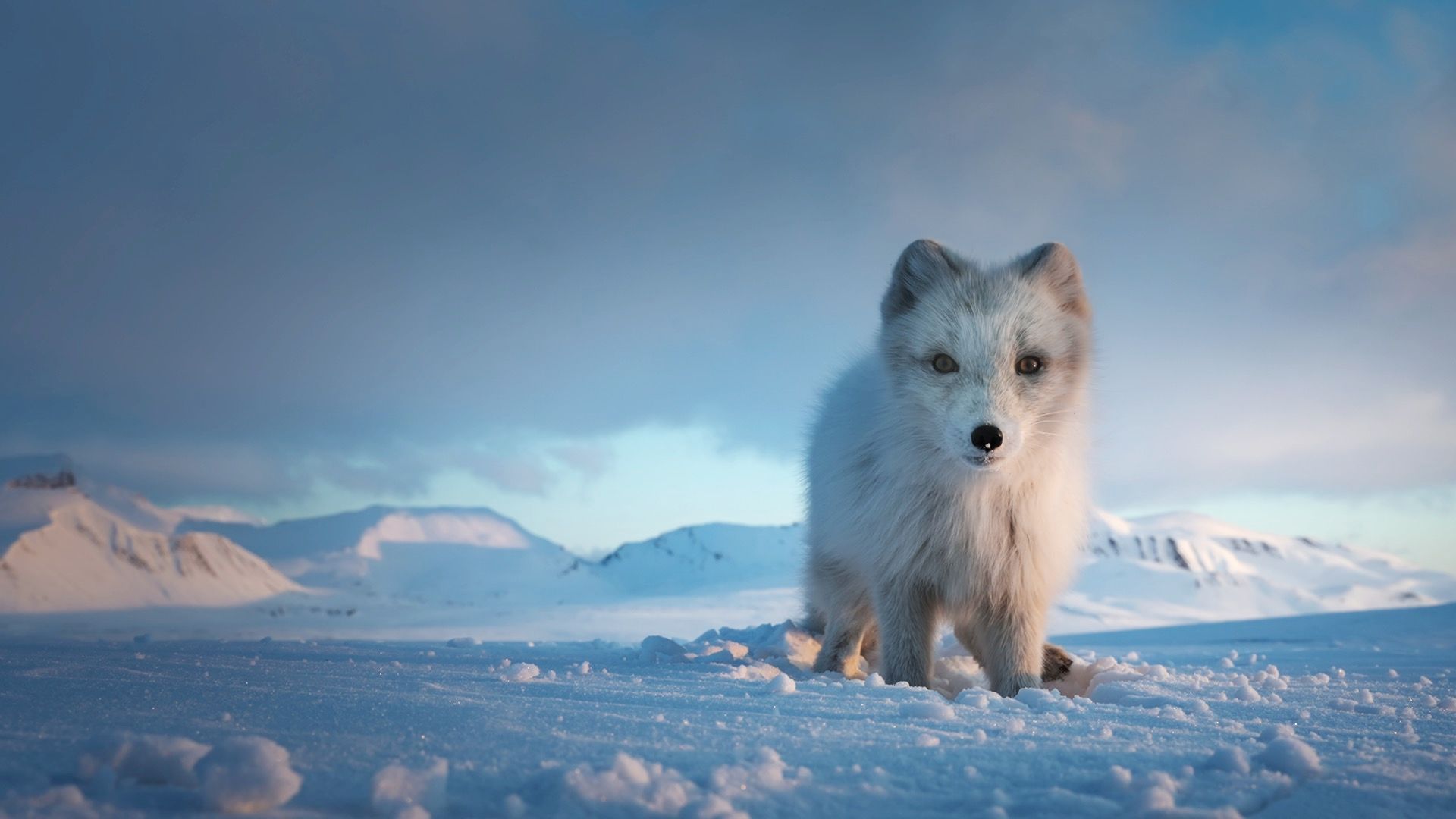
Andrew Lincoln narrates a look at how animals adapted to the cold are struggling in a warming world. A snow leopard in the peaks of the Indian Himalayas is forced from his home by a rival male, while an Arctic ground squirrel in Alaska undertakes the coldest migration of any mammal, and a young Arctic fox in Svalbard must face her first winter alone.
2026 • Nature
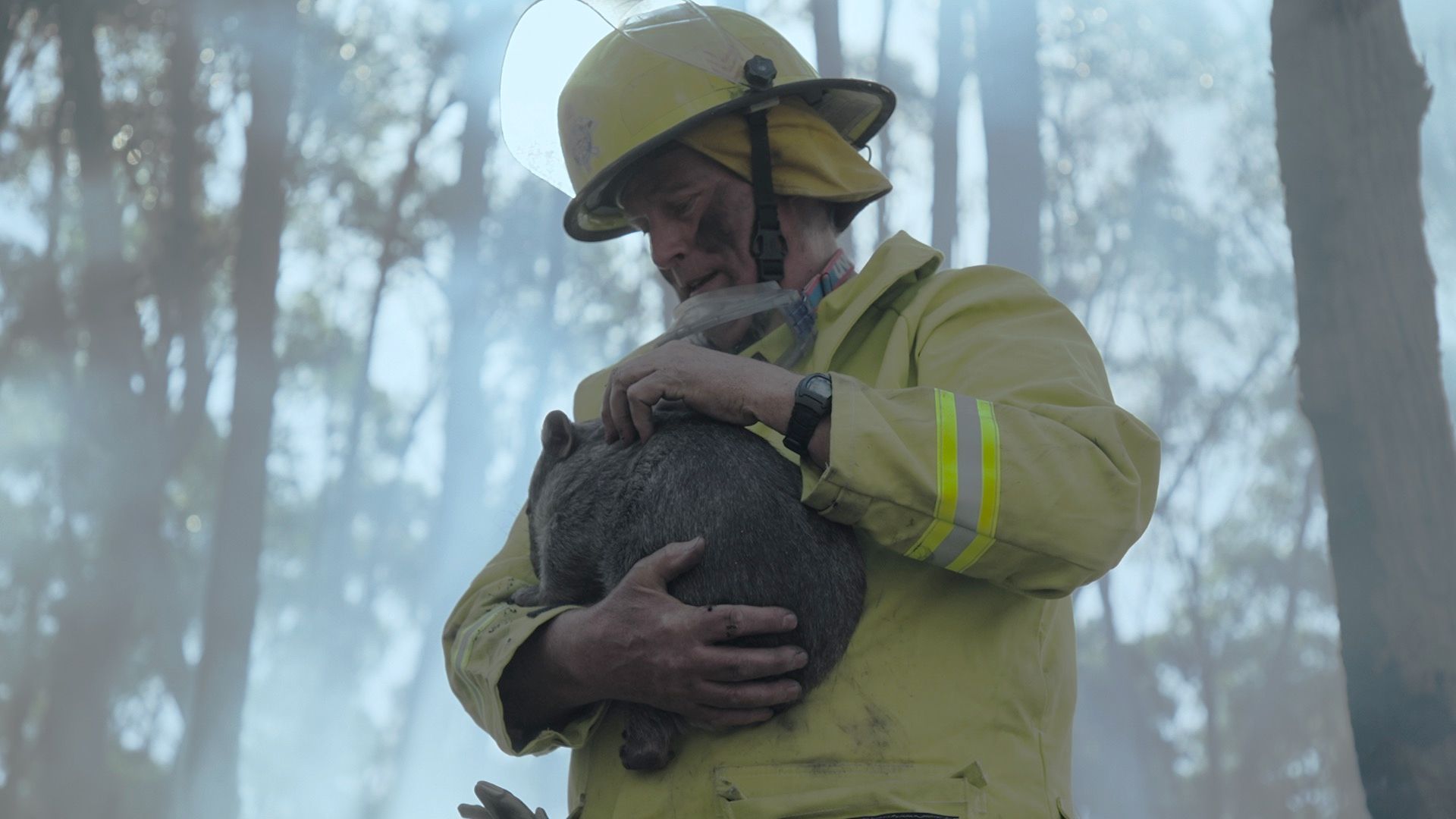
New extremes of heat and drought are pushing the extraordinary behavioural and physical adaptations of wombats, leopards and kangaroo rats to their very limits.
2026 • Nature
We turn the camera on the extraordinary people who are dedicating their lives to helping the animals cope with today's extreme weather.
2026 • Nature
Across the world we are seeing the emergence of bacteria that have gone rogue. These are the superbugs, dangerous bacteria that are becoming resistant to our only defence: antibiotics. Horizon meets the scientists who are tracking the spread of these potential killers around the globe, and discovers the new techniques researchers are developing to help defeat these superbugs.
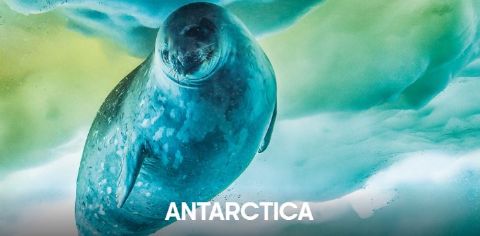
Antarctica - the coldest, windiest, most hostile continent. Only the toughest can survive here. From Weddell seals that grind back the ice with their teeth, to colourful starfish carpeting the seabed beneath the ice. Huge colonies of king penguins crowd any ice-free land, and four tonne elephant seals fight for territory on the beach. Life comes here because the ocean that surrounds the continent is incredibly rich. Thousands of penguins, seals, albatross, and over a hundred great whales feast on krill baitballs. However, the ocean here is warming and with that comes an uncertain future. (Number of days filming: 236)
S1E1 • Seven Worlds, One Planet • 2019 • Nature
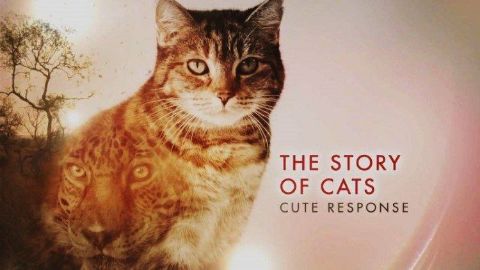
The second episode; tells the story of how wild predators became such popular pets. Kittens trigger an emotional reaction in us. Their baby-like features make us want to nurture them. Its part of the reason we brought cats into our homes. Viewers will discover how the animal’s amazing senses and mouse-catching prowess brought man and cat together ten thousand years ago. And how domestic cats are still evolving and will in the future become less wild, and more mild.
S1E2 • The Story of Cats • 2016 • Nature
A captivating world of creepy crawlies exists all around us. And they are the biggest group of animals in the world, outnumbering humans 200 million to one. Thanks to millions of years of evolution, these invertebrates not only survive in almost every landscape known to man, but also thrive by means of fascinating, and sometimes bizarre adaptations. There's the Bombardier beetle that squirts a boiling hot liquid from its anus, the Assassin bug that turns its victims into soup, and the Parasitic wasp that lays her eggs inside her victims, until her young are ready to eat their way out. We end off with the biggest bugs on the planet: the Atlas moth with a wingspan of over 20 centimetres, the Hercules beetle that can carry 850 times its own weight, and the Giant centipede - big enough to catch flying bats from midair!
2015 • Nature
The Maldives are the lowest country in the world-and getting lower, due to rising sea levels. Especially at risk is the island's reef system, the biggest in the Indian Ocean, with over 200 types of coral and thousands of tropical fish species. Witness the race to preserve this marine paradise from the ravages of climate change.
13 • Great Blue Wild • 2017 • Nature
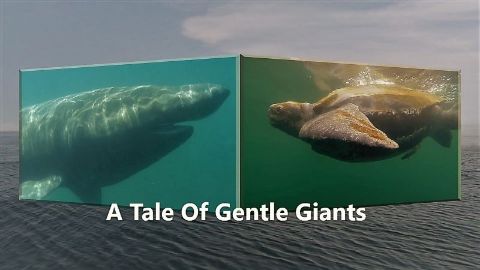
During summer, the Atlantic coast of the northeastern United States attracts huge amounts of fish and wildlife. Particularly interesting are the basking sharks, the world’s second-largest fish, and the leatherback sea turtles, which weigh one ton and are the world’s largest reptile.