New extremes of heat and drought are pushing the extraordinary behavioural and physical adaptations of wombats, leopards and kangaroo rats to their very limits.
Hope you're finding these documentaries fascinating and eye-opening. It's just me, working hard behind the scenes to bring you this enriching content.
Running and maintaining a website like this takes time and resources. That's why I'm reaching out to you. If you appreciate what I do and would like to support my efforts, would you consider "buying me a coffee"?
BTC: bc1q8ldskxh4x9qnddhcrgcun8rtvddeldm2a07r2v
ETH: 0x5CCAAA1afc5c5D814129d99277dDb5A979672116
With your donation through , you can show your appreciation and help me keep this project going. Every contribution, no matter how small, makes a significant impact. It goes directly towards covering server costs.
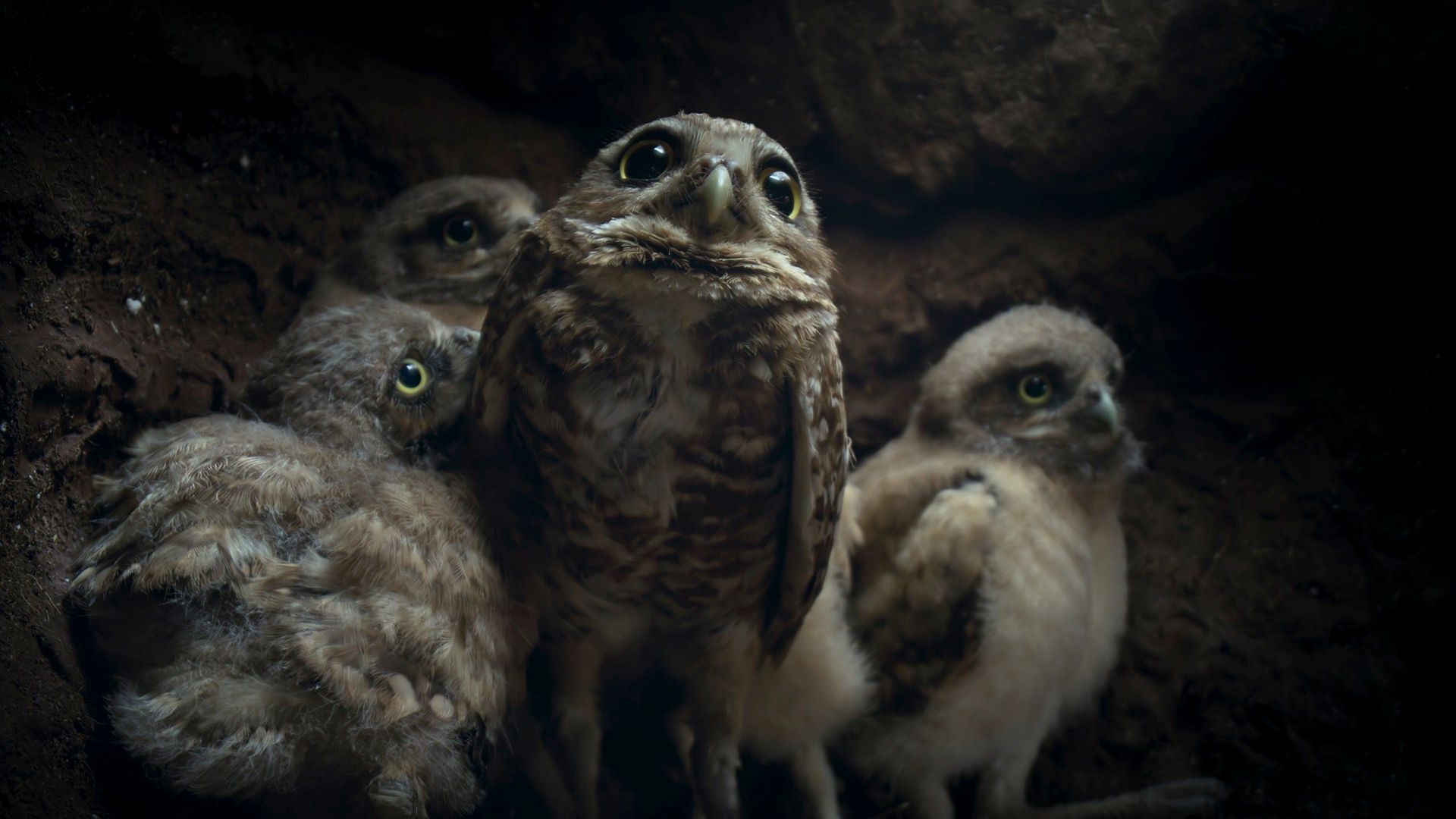
An owl protects its chicks underground, cheetahs struggle through record floods in Kenya, and a polar bear searches for disappearing Arctic sea ice as extreme weather intensifies across the planet.
2026 • Nature
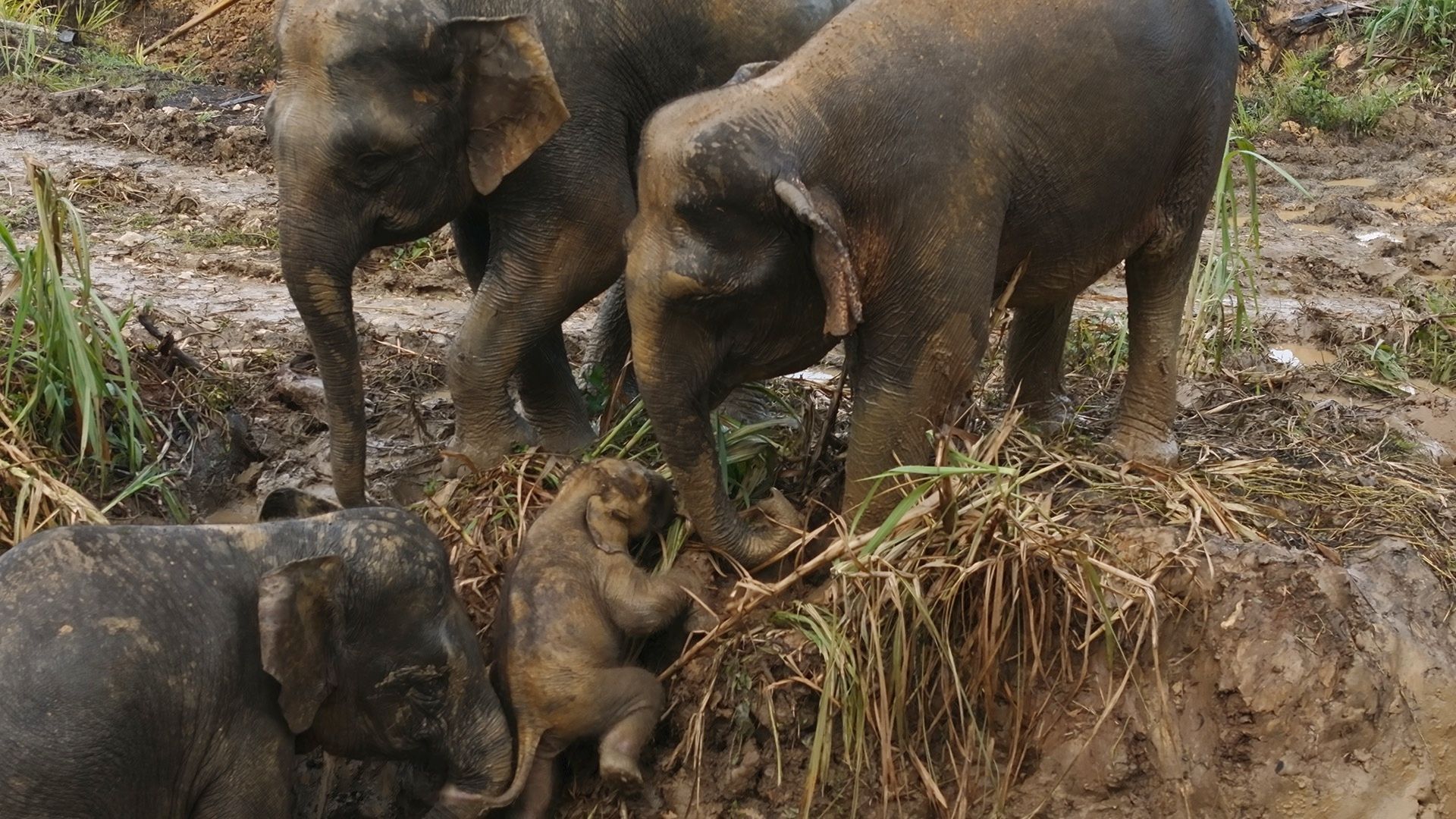
As the planet's shifting rain patterns rewrite the rules, survival is no longer about strength alone. From the desert to the jungle, three mothers face the ultimate test of survival as monsoon floodwaters tear through pygmy elephant territory in Borneo, a female platypus in Australia watches a flash flood destroy her home river, and a flood in Africa brings prey to a lone lioness. Andrew Lincoln narrates.
2026 • Nature
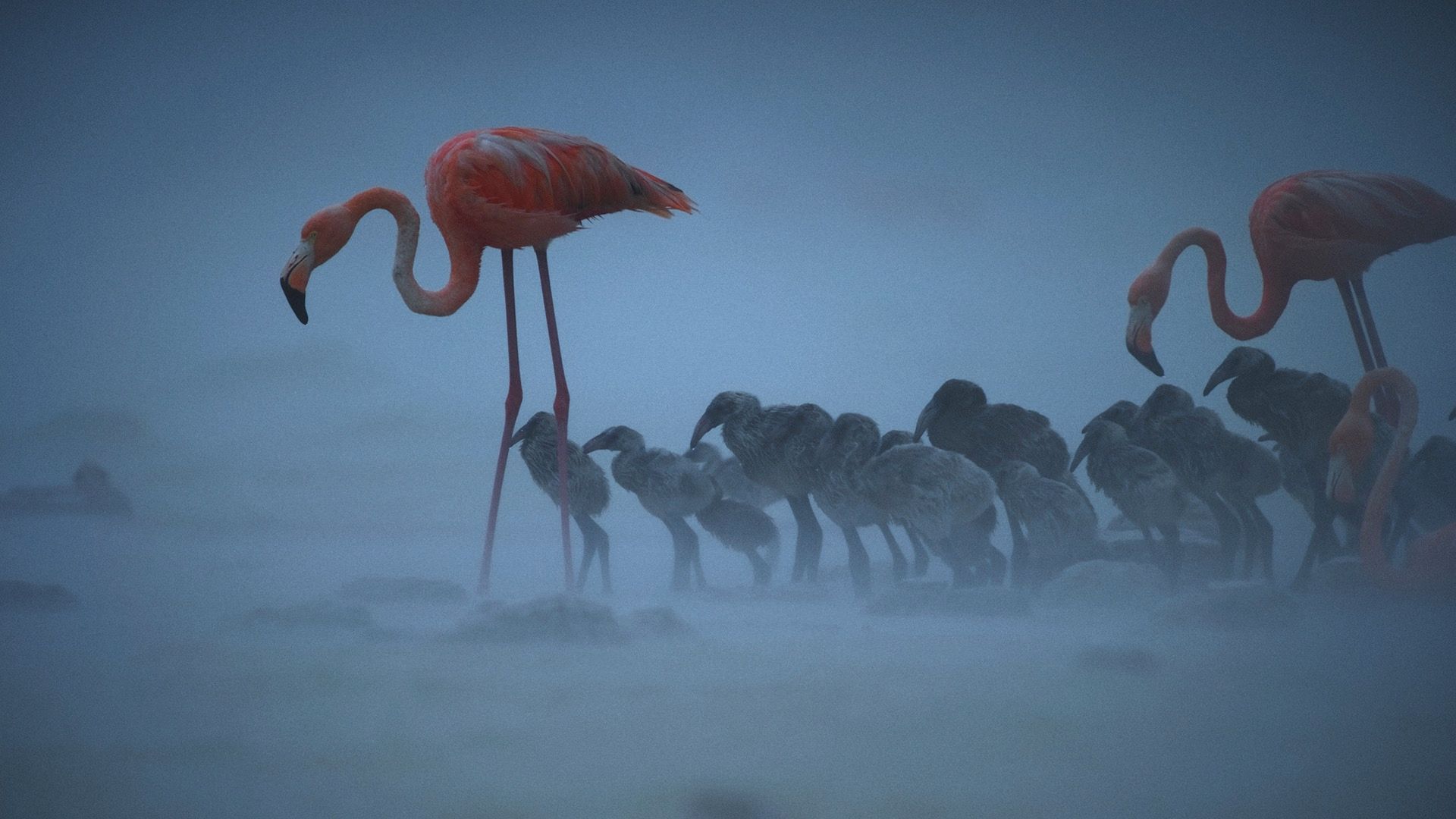
The world's coastal regions have always been an extreme environment to raise a family, but warming seas are exacerbating the challenges of parenthood. A hurricane hits a flamingo colony while chicks are still on the nest, a sea otter faces a huge winter storm in California, a clownfish on the Great Barrier Reef sees its anemone home bleached, and a little anole lizard clings on during a hurricane.
2026 • Nature
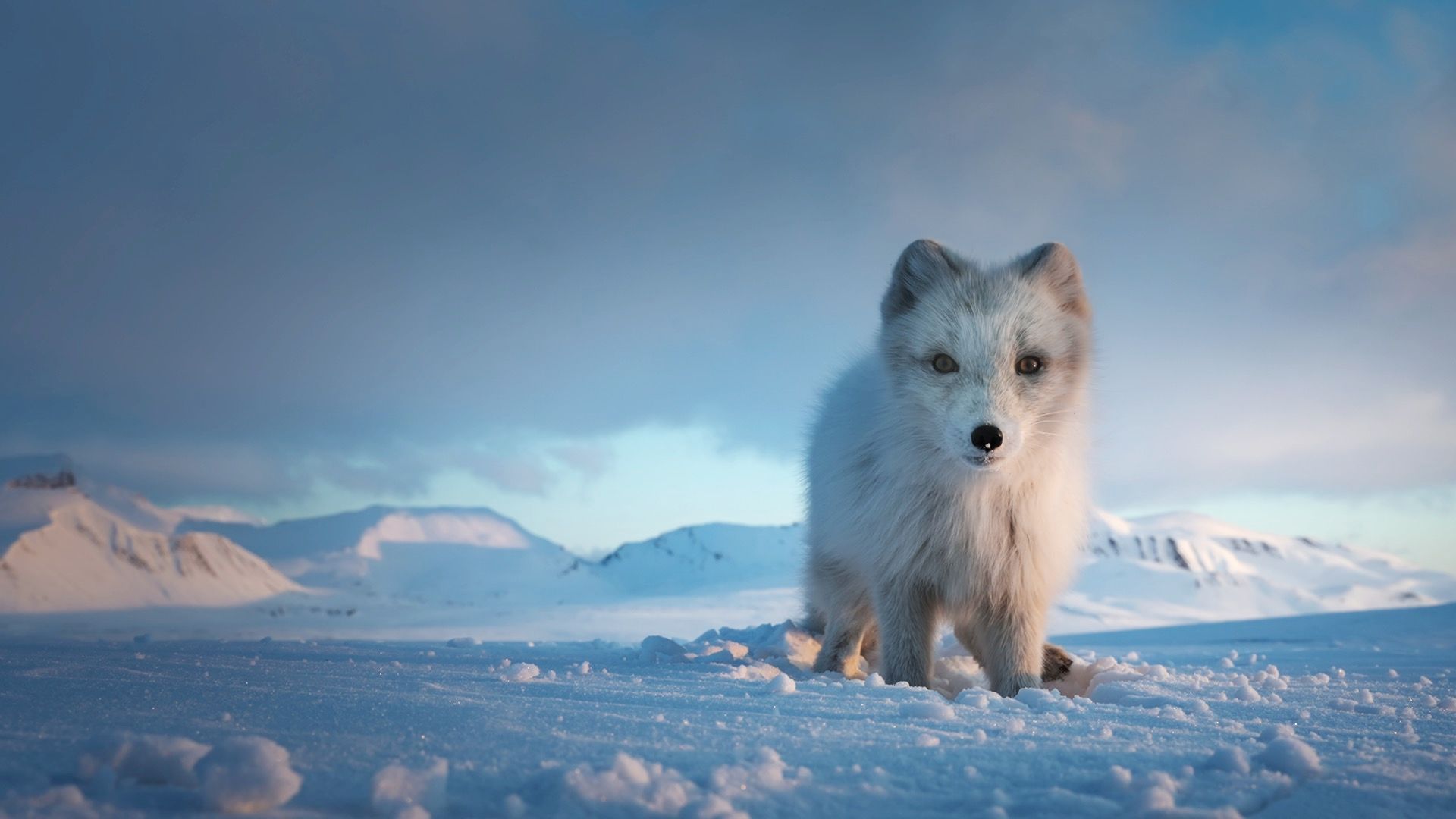
Andrew Lincoln narrates a look at how animals adapted to the cold are struggling in a warming world. A snow leopard in the peaks of the Indian Himalayas is forced from his home by a rival male, while an Arctic ground squirrel in Alaska undertakes the coldest migration of any mammal, and a young Arctic fox in Svalbard must face her first winter alone.
2026 • Nature
New extremes of heat and drought are pushing the extraordinary behavioural and physical adaptations of wombats, leopards and kangaroo rats to their very limits.
2026 • Nature
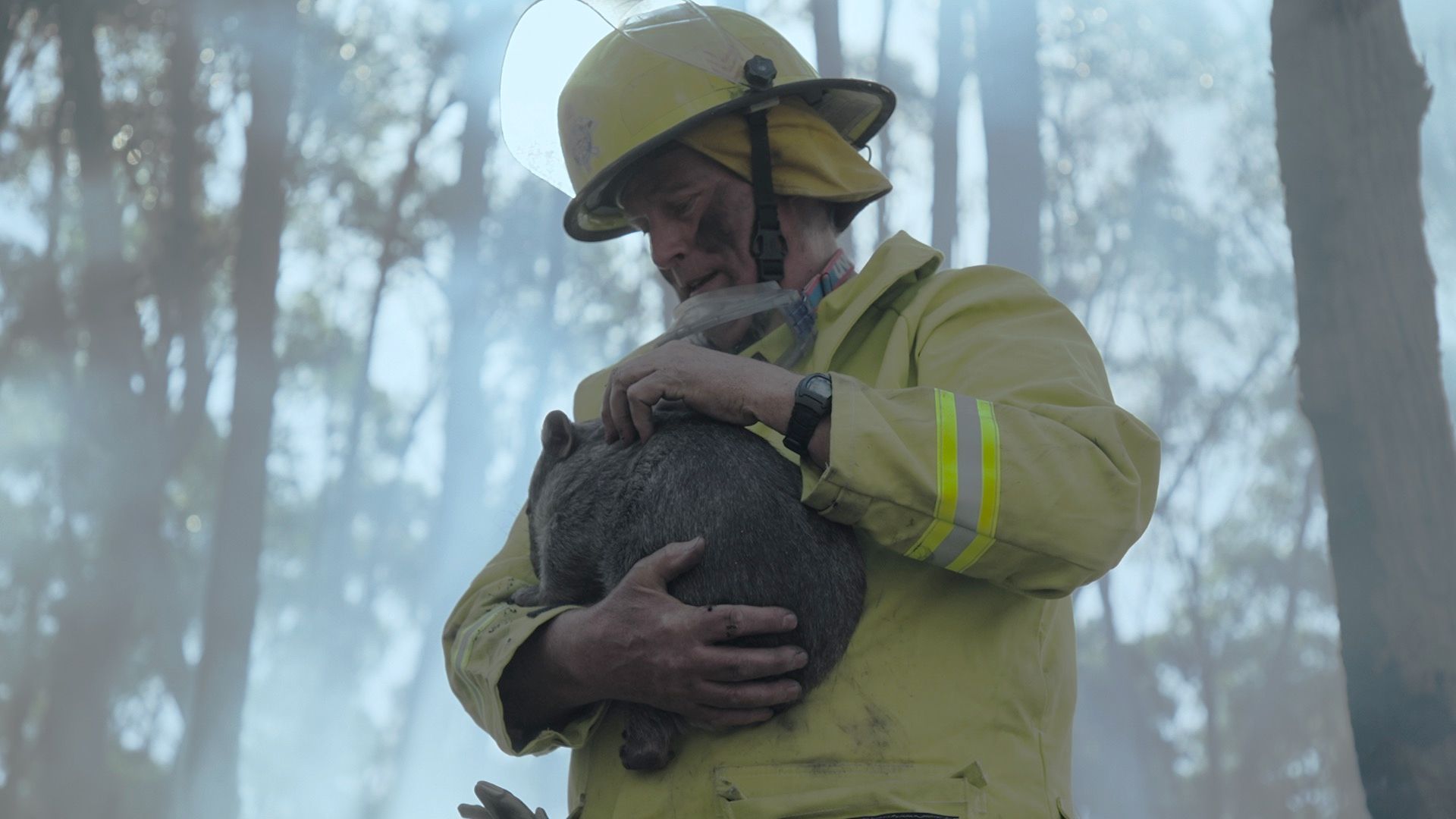
We turn the camera on the extraordinary people who are dedicating their lives to helping the animals cope with today's extreme weather.
2026 • Nature
The Luangwa Valley in Zambia experiences one of the toughest dry seasons imaginable. Seven months with no rain and spiralling temperatures. And with this year’s El Nino conditions the drought is threatening to be even more intense than usual.
S1E1 • The Big Dry • 2017 • Nature
What can the struggles of sturgeons and muskrats, two key Great Lakes species, tell us about the impact of upstream dams on the local ecosystem? Join conservationists as they assess the threats to the habitats of these animals and weigh options to counteract the damage before it's too late.
S1E6 • Great Lakes Wild • 2017 • Nature
The latest archaeology and genetics answer the biggest questions about dogs. Where did they come from? How can they all look so different? Why do they make such perfect companions?
S1E1 • How We Tamed the Cat and Dog • 2020 • Nature
Sami reindeer herders and modern conservationists are teaming up in a bid to save one of Europe’s wildest frontiers. Through ice and snow, the link between man and wild is being reforged.
S1E3 • Europe's New Wild • 2021 • Nature
David Attenborough journeys to both Polar Regions to investigate what rising temperatures will mean for the people and wildlife that live there and for the rest of the planet. David starts out at the North Pole, standing on sea ice several metres thick, but which scientists predict could be Open Ocean within the next few decades. The Arctic has been warming at twice the global average, so David heads out with a Norwegian team to see what this means for polar bears. He comes face-to-face with a tranquilised female, and discovers that mothers and cubs are going hungry as the sea ice on which they hunt disappears. In Canada, Inuit hunters have seen with their own eyes what scientists have seen from space; the Arctic Ocean has lost 30% of its summer ice cover over the last 30 years. For some, the melting sea ice will allow access to trillions of dollars worth of oil, gas and minerals. For the rest of us, it means the planet will get warmer, as sea ice is important to reflect back the sun's energy. Next David travels to see what's happening to the ice on land: in Greenland, we follow intrepid ice scientists as they study giant waterfalls of meltwater, which are accelerating iceberg calving events, and ultimately leading to a rise in global sea level. Temperatures have also risen in the Antarctic - David returns to glaciers photographed by the Shackleton expedition and reveals a dramatic retreat over the past century. It's not just the ice that is changing - ice-loving adelie penguins are disappearing, and more temperate gentoo penguins are moving in. Finally, we see the first ever images of the largest recent natural event on our planet - the break up of the Wilkins Ice Shelf, an ice sheet the size of Jamaica, which shattered into hundreds of icebergs in 2009.
S1E7 • Frozen Planet • 2011 • Nature
Two out of five wild plants are threatened with extinction. Today people are finding remarkable ways to help them, and so make our world a little greener and a little wilder.
S1E5 • The Green Planet • 2022 • Nature