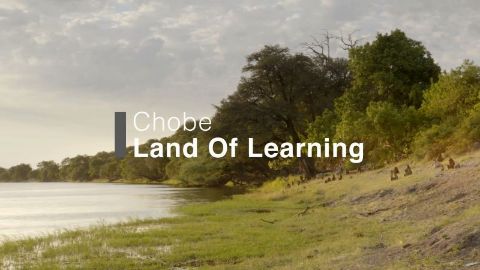
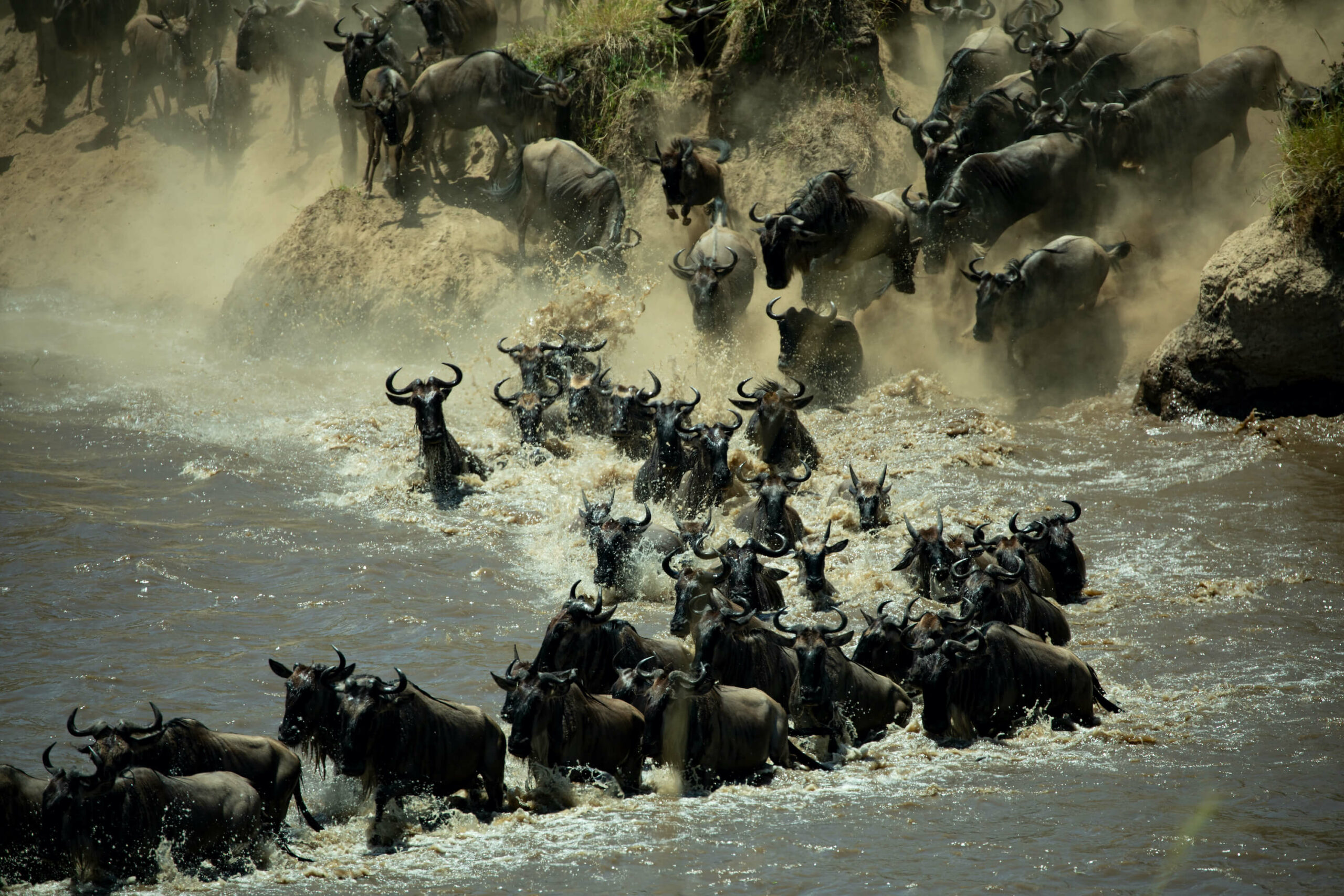
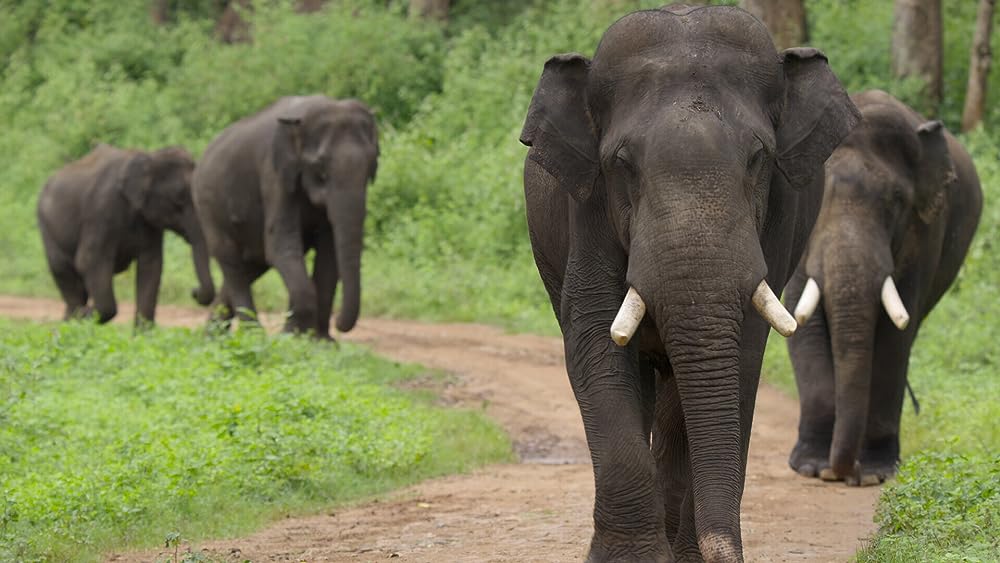
Chobe is Botswana's first national park, as well as the name of the mighty river that runs through it. Explore how its iconic species, like elephants, baboons, and lions, pass on their secrets of survival to the youngest members of their families.
Hope you're finding these documentaries fascinating and eye-opening. It's just me, working hard behind the scenes to bring you this enriching content.
Running and maintaining a website like this takes time and resources. That's why I'm reaching out to you. If you appreciate what I do and would like to support my efforts, would you consider "buying me a coffee"?
BTC: bc1q8ldskxh4x9qnddhcrgcun8rtvddeldm2a07r2v
ETH: 0x5CCAAA1afc5c5D814129d99277dDb5A979672116
With your donation through , you can show your appreciation and help me keep this project going. Every contribution, no matter how small, makes a significant impact. It goes directly towards covering server costs.
The vast plains of Addo Elephant National Park stretch more than 600 square miles into South Africa's interior. Embark on a thrilling journey through this unique wilderness sanctuary and meet its most endangered resident: the African elephant.
2017 • Nature
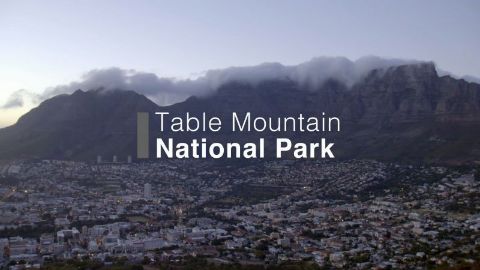
Nicknamed "Cape of Storms," Table Mountain National Park teems with life despite its unforgiving weather conditions. Dive into the contrasts of this harsh world and learn about the life it harbors, including the fynbos--plant life that demands brush fire in order to spread its seeds and rejuvenate.
2017 • Nature
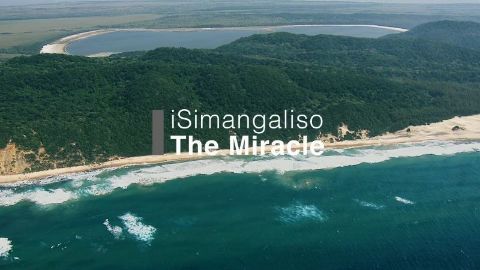
The name iSimangaliso means "Miracle" in Zulu--and the sheer number of species sustained by this diverse haven live up to this name. Explore this rare sanctuary, home to some of the world's most striking and iconic creatures, including the black rhino and the giant leatherback turtle.
2017 • Nature
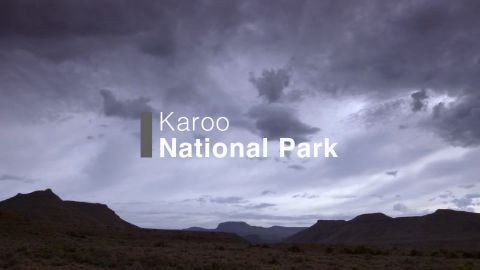
From mountain zebras to shy and secretive caracals, Karoo National Park showcases a diversity of creatures who have adapted to demanding environmental conditions. Scale the varying altitudes of this nature reserve's vast landscape.
2017 • Nature
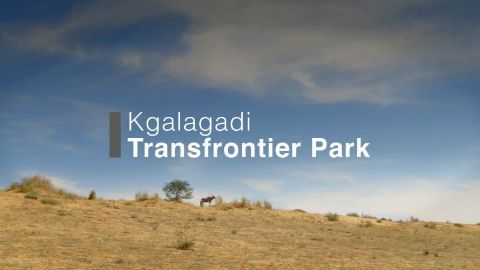
The riverbeds that carve their way through the Kgalagadi Transfrontier Park offer a tantalizing promise of life, as well as a fierce test of survival. Explore the hidden lifelines that create a fragile link for the creatures that inhabit this unwelcoming wilderness.
2017 • Nature
Chobe is Botswana's first national park, as well as the name of the mighty river that runs through it. Explore how its iconic species, like elephants, baboons, and lions, pass on their secrets of survival to the youngest members of their families.
2017 • Nature
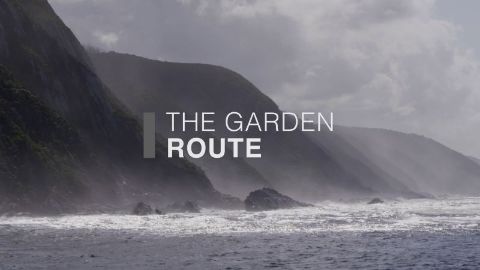
Garden Route National Park is a patchwork of protected areas that safeguard a range of land and marine habitats in southern Africa. Take a tour of this conservationist paradise offering hope for creatures as varied as the humpback whale, the blue duiker antelope, and the Knysna seahorse--the only endangered seahorse in the world.
2017 • Nature
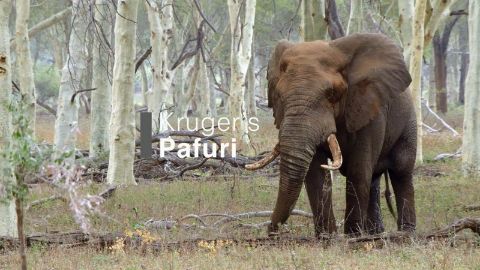
Sandwiched between the Limpopo and Luvuvhu rivers in South Africa lies Pafuri, a multi-habitat area with astonishingly biodiverse animal and plant life--including the famous fever tree, rumored to cause illness to anyone who lives near it. Dive into this secret corner of Kruger National Park.
2017 • Nature
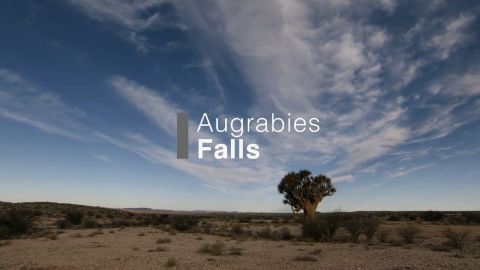
The Orange River travels almost two-thirds the length of South Africa to reach its most scenic checkpoint: The mighty Augrabies Falls. Widely regarded as one of the six great waterfalls on Earth, it is also an interminable source of hydration and food for the wildlife that live near its waters.
2017 • Nature
The members of the Nsefu pride take a huge risk: they're leaving their home turf, and crossing the Luangwa River in search of prey. Navigating croc-infested waters is a challenge, especially for the pride's yearling, dubbed the Misfit. It's a foolhardy gamble, but hunger has forced their hand. If they're to succeed, they'll need the Misfit to come of age-their very survival depends on it.
2018 • Nature
In Snowball, Chris Packham tells the story of the astonishing moment in Earth’s distant past, when almost the entire planet froze – a glistening ‘Snowball Earth’ in the dark void of space. With ice wrapped around the planet to the equator, the chances of life surviving hang in the balance. Earth’s terrifying journey into the deep freeze started with fire, not ice. 800 million years ago, long before the age of the dinosaurs, before there was even animal life, the giant supercontinent Rodinia broke up. Earth’s vast powerful tectonic forces ripped the land apart, kicking off a series of events that resulted in huge amounts of carbon dioxide being sucked from the atmosphere and sending global temperatures plummeting. This plunge into the deep freeze couldn’t have come at a worse time. The very first forms of complex life - the ancestors to the amazing life we see around us today - were evolving but, as the planet froze to the equator, it looked like their days were numbered. Happily, Chris discovers that after 50 million years locked in ice, volcanic eruptions drove a great thaw. Life broke free from the ice and soon made a giant leap, from the microscopic, to the first animals big enough to see and touch.
S1E2 • Earth: One Planet, Many Lives • 2023 • Nature
David Attenborough examines creatures that have baffled us for centuries. This episode looks at two animals that use tools, orangutans and crows.
S3E2 • Natural Curiosities • Nature
In this episode of Animal Super Senses, we find out more about the animals that live in the shadows and the adaptations they need to survive... Nocturnal animals have taken to this dark world for good reason but to navigate life in the dark, you need some special abilities.
S1E10 • Animal Super Senses • 2020 • Nature
For many endangered baby animals, the right zoo can mean hope for the entire species. Watch an endangered red panda cub get a warm welcome at Cornwall's Newquay Zoo, a rare baby macaque receive care from parents and keepers alike at the Dudley Zoological Gardens, and more.
S2E3 • Baby Animals • 2016 • Nature
Naturalist and explorer Steve Backshall leads a team on a mission to summit a remote and unclimbed mountain deep in Greenland’s Arctic wilderness.
Luminous beings, creatures with their own internal light, enchant and astonish us. Anyone who has seen a firefly or a glow-worm cannot help but fall under their spell. The sea at night sparkles as millions of luminous plankton reveal the shapes of dolphins in a truly magical light show. But why do animals produce living light? For centuries we could only marvel at the beauty and the mystery, but now for the first time we can begin to reveal the amazing truth about living lights. It has taken three crucial technological breakthroughs. Firstly, colour cameras have improved dramatically; they are now over 4,000 times more sensitive than a decade ago. The cameras are so sensitive they are revealing startling discoveries that until now we could not see. Secondly, scientists have entered the unknown world of the boundless deep open ocean with the help of a new generation of submersibles and robots. Thirdly, Ammonite Films have invented and built a series of unique cameras that can capture the faintest ephemeral glow of luminous life. By combining these three innovations, this film shows creatures and behaviours never seen before. Sir David Attenborough is our guide as we venture into a new hitherto unseen world. Bioluminescence is everywhere: in the soil, on the land and throughout the oceans. Join Sir David Attenborough and a team of the world's leading scientists and deep sea explorers on a quest to reveal the secrets of living lights.
2016 • Nature