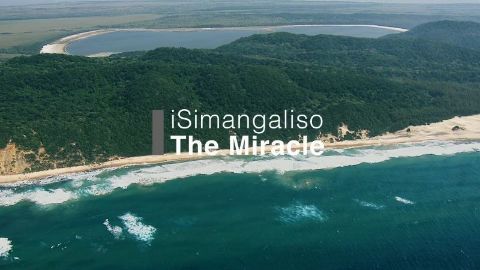
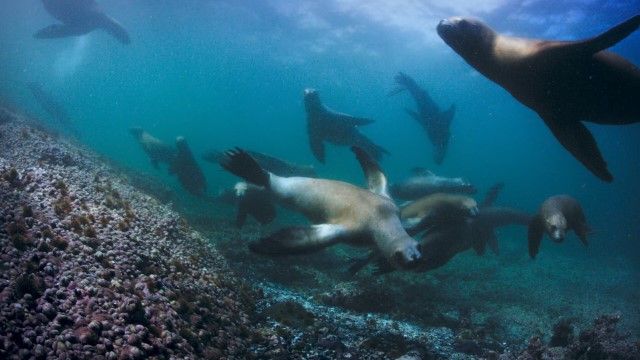
The name iSimangaliso means "Miracle" in Zulu--and the sheer number of species sustained by this diverse haven live up to this name. Explore this rare sanctuary, home to some of the world's most striking and iconic creatures, including the black rhino and the giant leatherback turtle.
Hope you're finding these documentaries fascinating and eye-opening. It's just me, working hard behind the scenes to bring you this enriching content.
Running and maintaining a website like this takes time and resources. That's why I'm reaching out to you. If you appreciate what I do and would like to support my efforts, would you consider "buying me a coffee"?
BTC: bc1q8ldskxh4x9qnddhcrgcun8rtvddeldm2a07r2v
ETH: 0x5CCAAA1afc5c5D814129d99277dDb5A979672116
With your donation through , you can show your appreciation and help me keep this project going. Every contribution, no matter how small, makes a significant impact. It goes directly towards covering server costs.
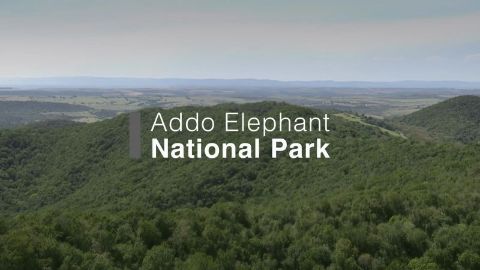
The vast plains of Addo Elephant National Park stretch more than 600 square miles into South Africa's interior. Embark on a thrilling journey through this unique wilderness sanctuary and meet its most endangered resident: the African elephant.
2017 • Nature
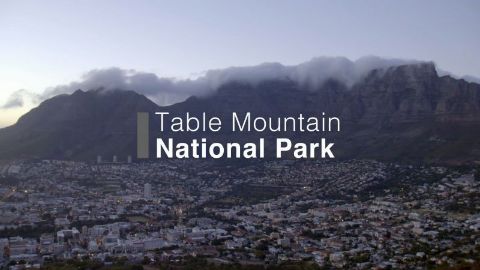
Nicknamed "Cape of Storms," Table Mountain National Park teems with life despite its unforgiving weather conditions. Dive into the contrasts of this harsh world and learn about the life it harbors, including the fynbos--plant life that demands brush fire in order to spread its seeds and rejuvenate.
2017 • Nature
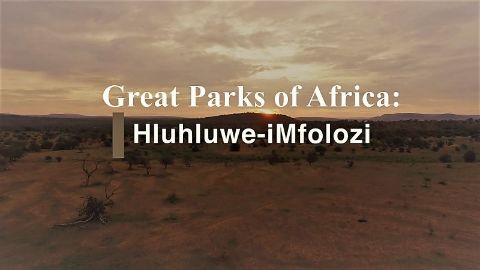
The name iSimangaliso means "Miracle" in Zulu--and the sheer number of species sustained by this diverse haven live up to this name. Explore this rare sanctuary, home to some of the world's most striking and iconic creatures, including the black rhino and the giant leatherback turtle.
2017 • Nature
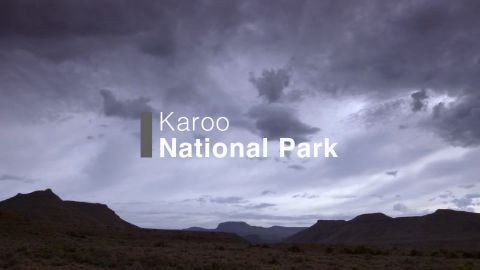
From mountain zebras to shy and secretive caracals, Karoo National Park showcases a diversity of creatures who have adapted to demanding environmental conditions. Scale the varying altitudes of this nature reserve's vast landscape.
2017 • Nature
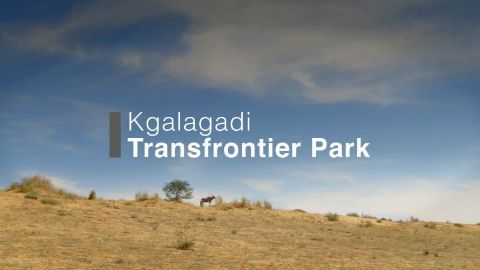
The riverbeds that carve their way through the Kgalagadi Transfrontier Park offer a tantalizing promise of life, as well as a fierce test of survival. Explore the hidden lifelines that create a fragile link for the creatures that inhabit this unwelcoming wilderness.
2017 • Nature
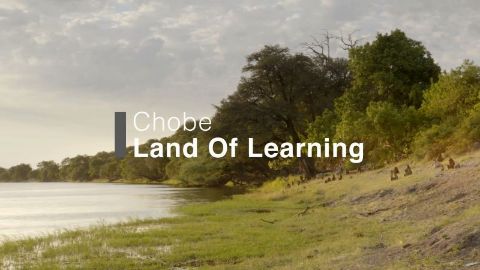
Chobe is Botswana's first national park, as well as the name of the mighty river that runs through it. Explore how its iconic species, like elephants, baboons, and lions, pass on their secrets of survival to the youngest members of their families.
2017 • Nature
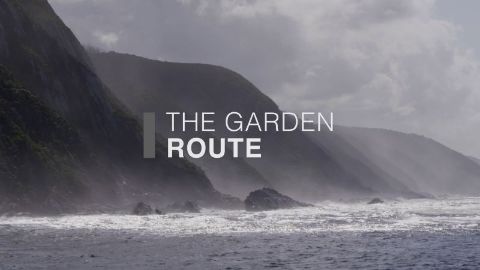
Garden Route National Park is a patchwork of protected areas that safeguard a range of land and marine habitats in southern Africa. Take a tour of this conservationist paradise offering hope for creatures as varied as the humpback whale, the blue duiker antelope, and the Knysna seahorse--the only endangered seahorse in the world.
2017 • Nature
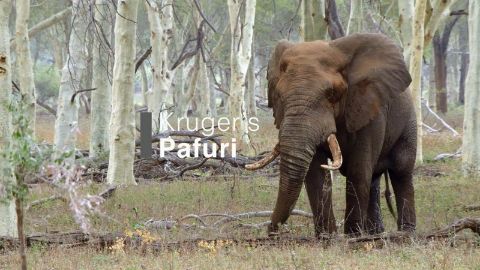
Sandwiched between the Limpopo and Luvuvhu rivers in South Africa lies Pafuri, a multi-habitat area with astonishingly biodiverse animal and plant life--including the famous fever tree, rumored to cause illness to anyone who lives near it. Dive into this secret corner of Kruger National Park.
2017 • Nature
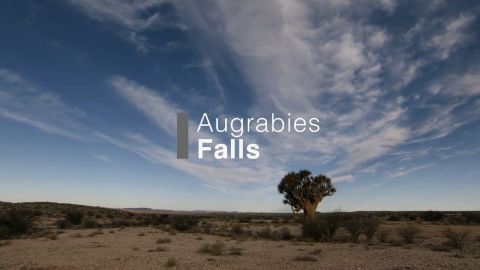
The Orange River travels almost two-thirds the length of South Africa to reach its most scenic checkpoint: The mighty Augrabies Falls. Widely regarded as one of the six great waterfalls on Earth, it is also an interminable source of hydration and food for the wildlife that live near its waters.
2017 • Nature
The members of the Nsefu pride take a huge risk: they're leaving their home turf, and crossing the Luangwa River in search of prey. Navigating croc-infested waters is a challenge, especially for the pride's yearling, dubbed the Misfit. It's a foolhardy gamble, but hunger has forced their hand. If they're to succeed, they'll need the Misfit to come of age-their very survival depends on it.
2018 • Nature
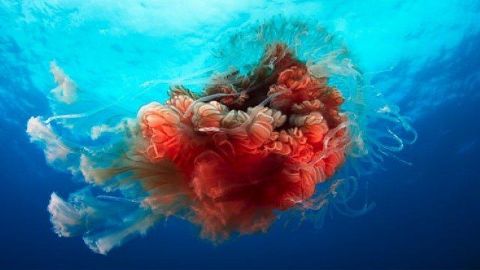
The big blue is the world's greatest wilderness, far from shore and many kilometres deep. It's a vast marine desert where there is little to eat and nowhere to hide. Yet it's home to some of the biggest and most spectacular creatures on earth. This episode reveals what it takes to survive in this savage and forbidding world. We witness feats of incredible endurance, moments of high drama and extraordinary acts of heart-wrenching self-sacrifice. Every animal in the big blue must find their own unique way to survive.
S1E4 • Blue Planet II • 2017 • Nature
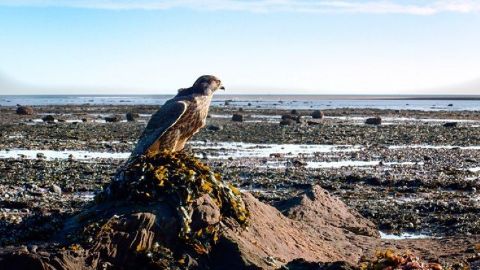
Predators hunt on the dynamic border between land and sea, where chances are brief.
Ascends a kapok in the South American tropical rainforest to observe "the greatest proliferation of life that you can find anywhere on the surface of the Earth. There are two main causes for this: warmth and wetness. As this climate is constant, there are no seasons, so trees vary greatly in their flowering cycles.
4/12 • The Living Planet • 1984 • Nature
Along Patagonia's Pacific coast are the deep, sheltered fjords. These beautiful, flooded valleys were carved out by ice over millennial.
S1E2 • Patagonia: Life on the Edge of the World • 2022 • Nature
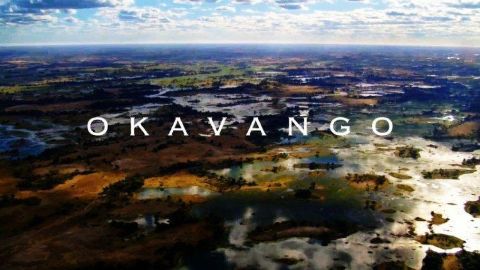
The Okavango Delta is one of the world's largest inland deltas - and supports a variety of life as rich as any you will see in Africa. Yet this lush wetland of islands and lagoons lies in the middle of the vast, featureless Kalahari Desert. This is the story of how it happens. Following groups of wildlife, including hippos, baboons, catfish, kingfishers, leopards, warthogs and elephants, the film reveals how the yearly flood transforms the landscape and impacts their lives. But more surprisingly, it reveals how, with the help of termites and hippos, the flood actually creates this extraordinary delta in the first place.
S1E3 • Earth's Greatest Spectacles • 2016 • Nature
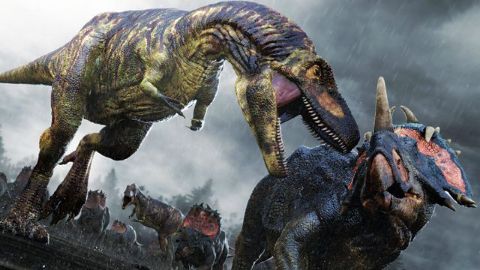
The third episode looks at the last generation of killer dinosaurs - carnivores that took killing to a new level. By the end of the cretaceous period - 75 millions years ago - these gigantic and specialised hunter-killers had spread throughout the globe. In the southern continents it was the powerful and muscular abelisaurids that reigned supreme but it was the famous tyrannosaurids (or tyrant dinosaurs) that dominated in the north. Whilst the northern daspletosaurus hunted in gangs, using its highly developed smell and hearing to take down opponents like the horned rhino-sized beast, chasmosaurus, in the Southern hemisphere the small-skulled majungasaurus reigned. And though the sharp toothed majungasaurus was an efficient killer of the much smaller feathered rahonavis that did not stop it from occasionally turning cannibal and hunting its own.
S1E3 • Planet Dinosaur • 2011 • Nature