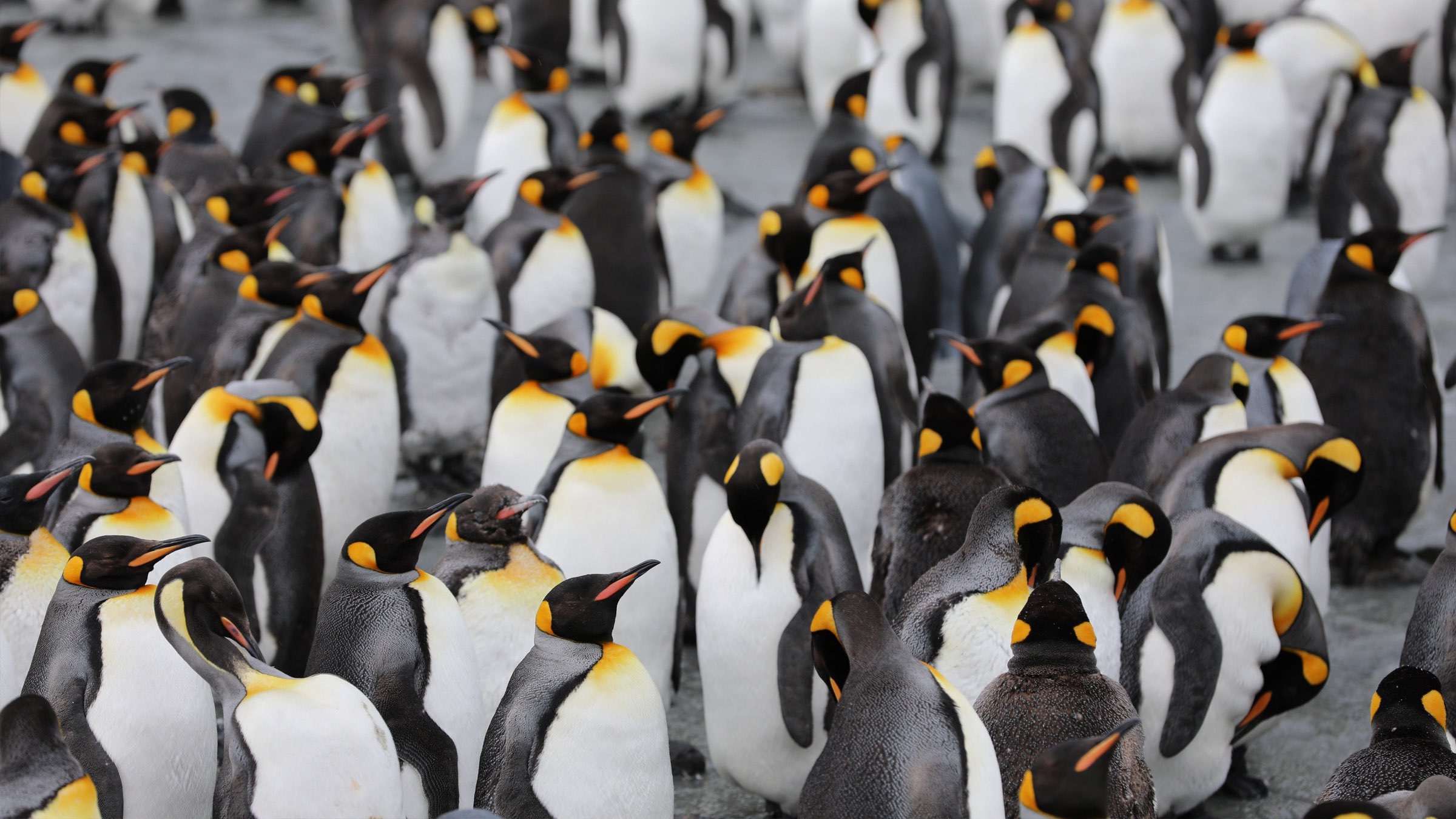
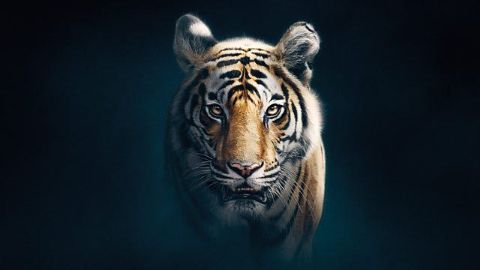
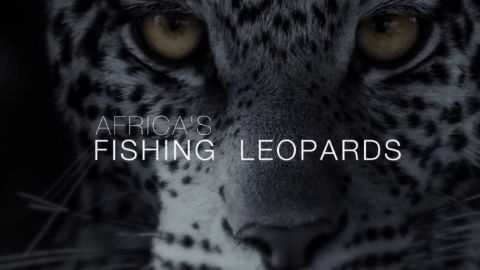
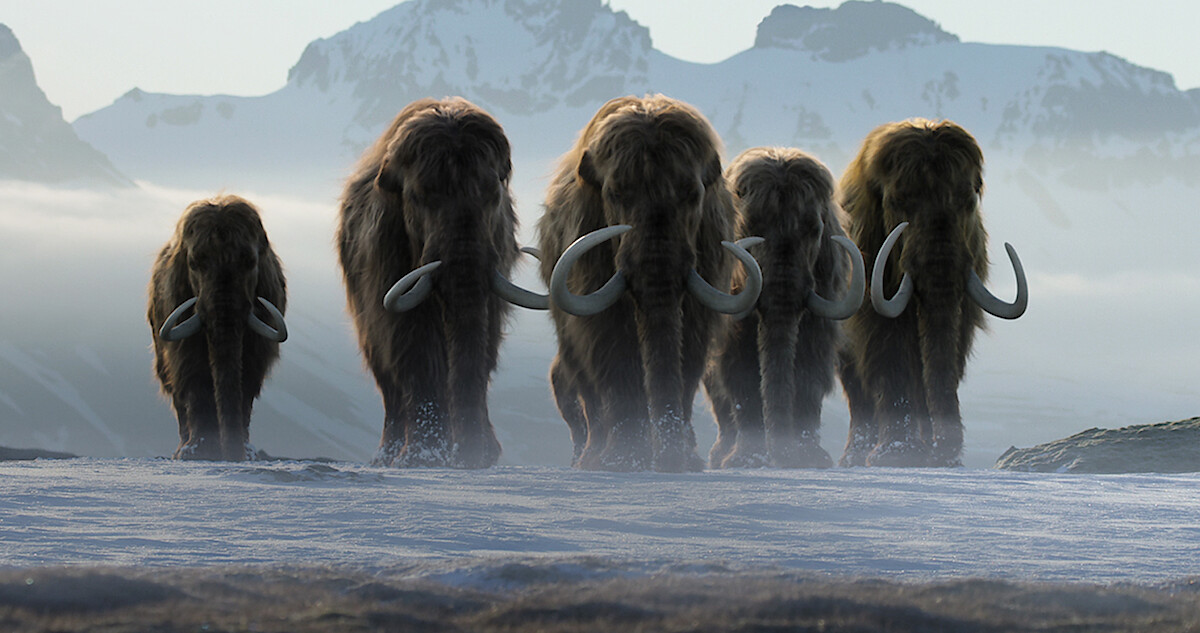
Winter brings brutal conditions, and only the toughest animals endure freezing temperatures and limited resources.
Hope you're finding these documentaries fascinating and eye-opening. It's just me, working hard behind the scenes to bring you this enriching content.
Running and maintaining a website like this takes time and resources. That's why I'm reaching out to you. If you appreciate what I do and would like to support my efforts, would you consider "buying me a coffee"?
BTC: bc1q8ldskxh4x9qnddhcrgcun8rtvddeldm2a07r2v
ETH: 0x5CCAAA1afc5c5D814129d99277dDb5A979672116
With your donation through , you can show your appreciation and help me keep this project going. Every contribution, no matter how small, makes a significant impact. It goes directly towards covering server costs.
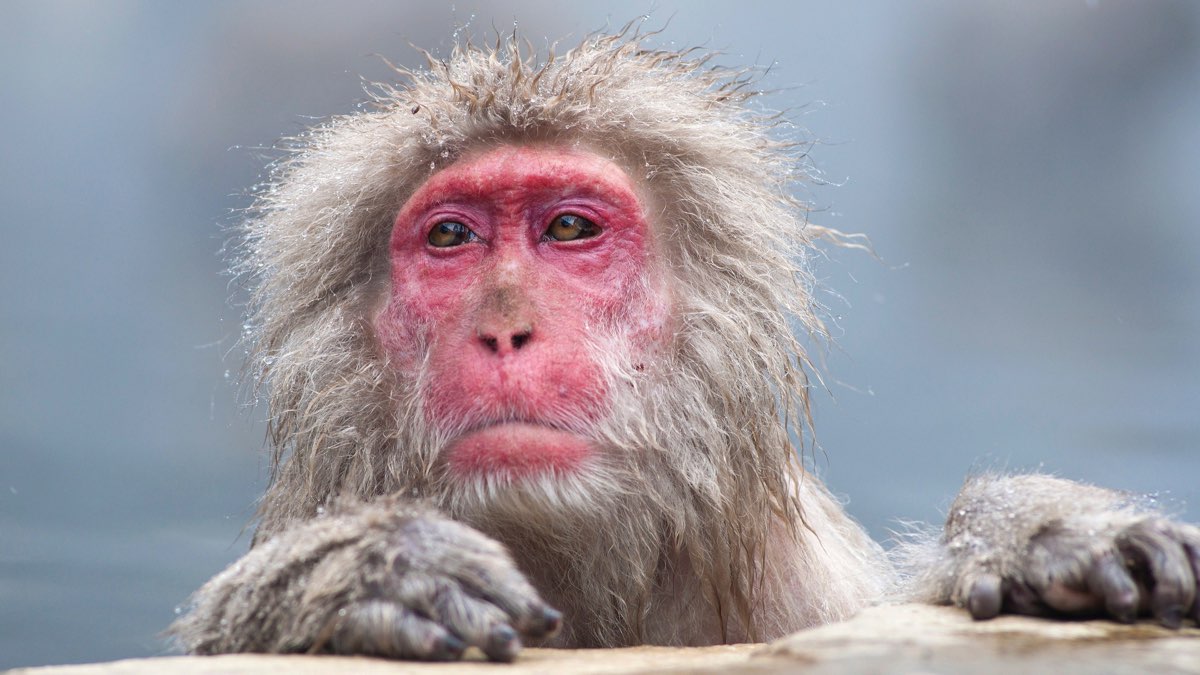
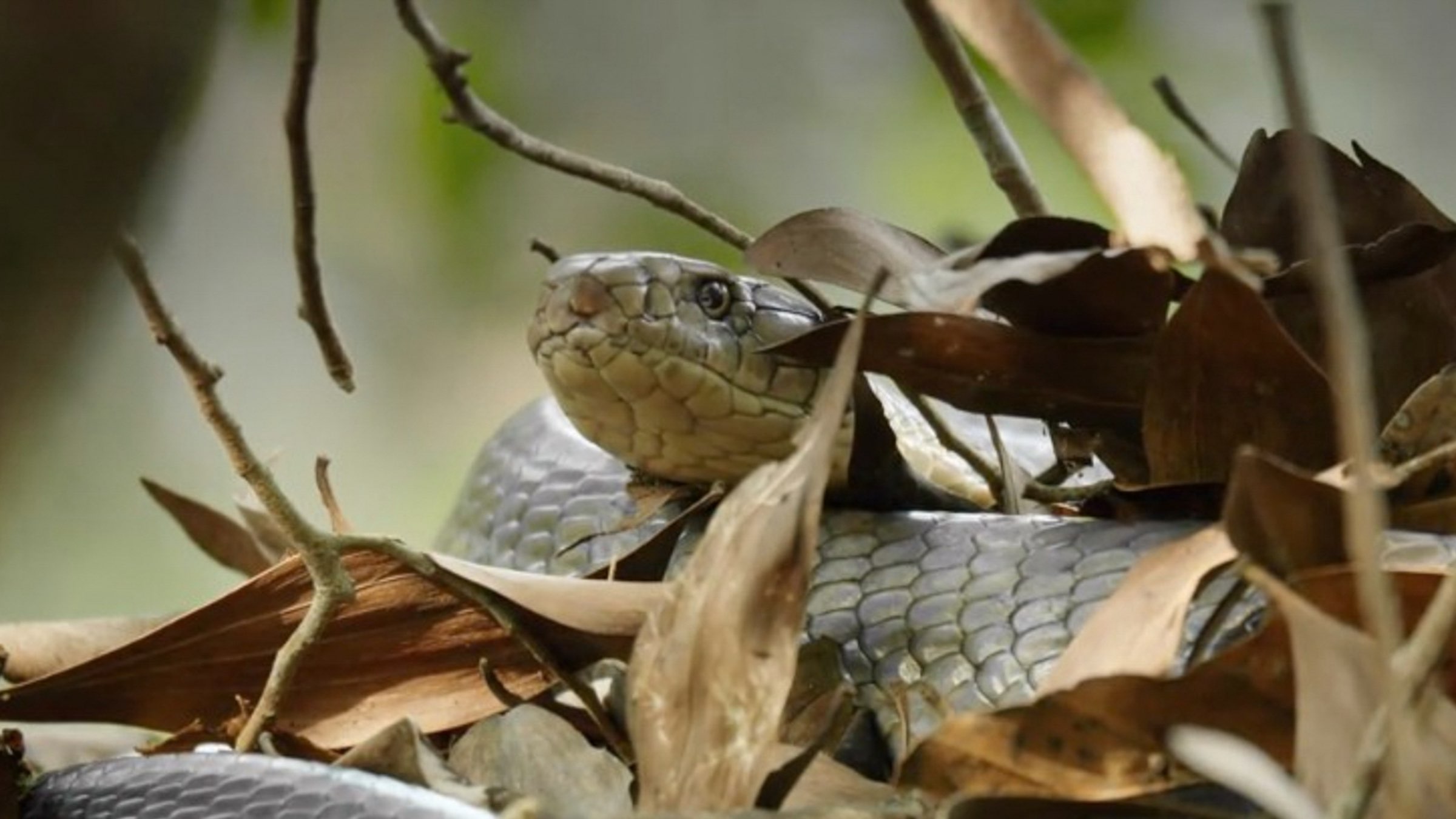
As spring arrives, animals across the planet begin new life cycles, from births to migrations, taking advantage of fresh opportunities in a warming world.
2020 • Nature
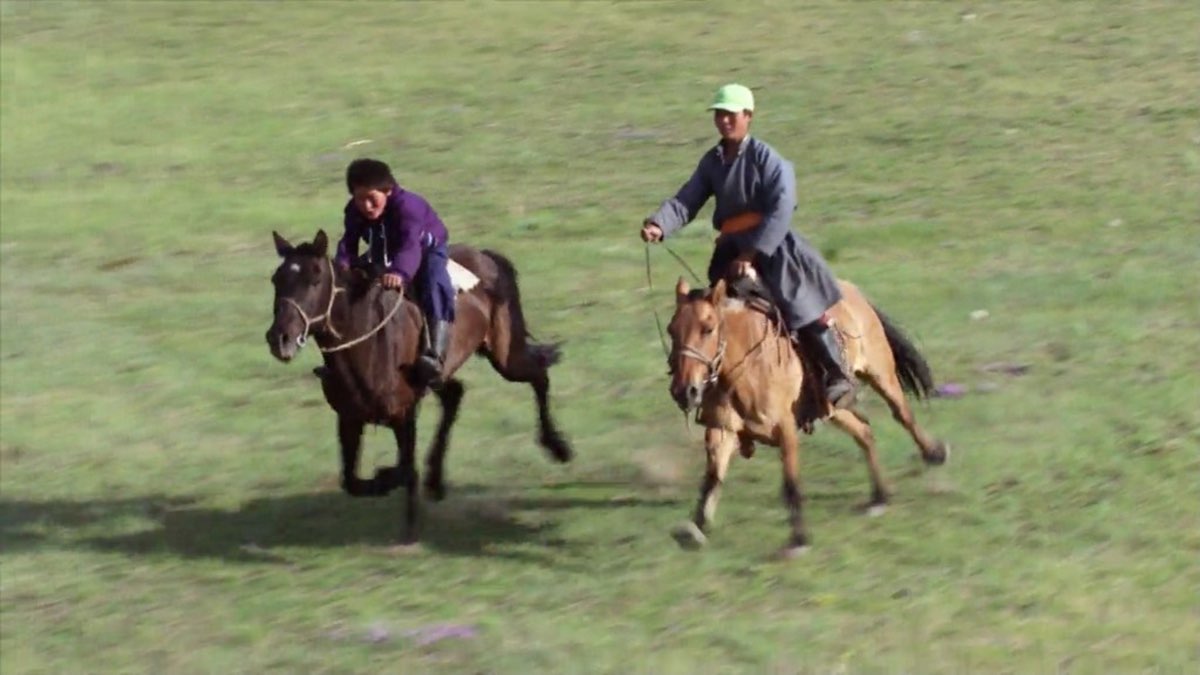
Young animals face the harsh realities of survival as they grow, learning essential skills in a competitive and rapidly changing environment.
2020 • Nature
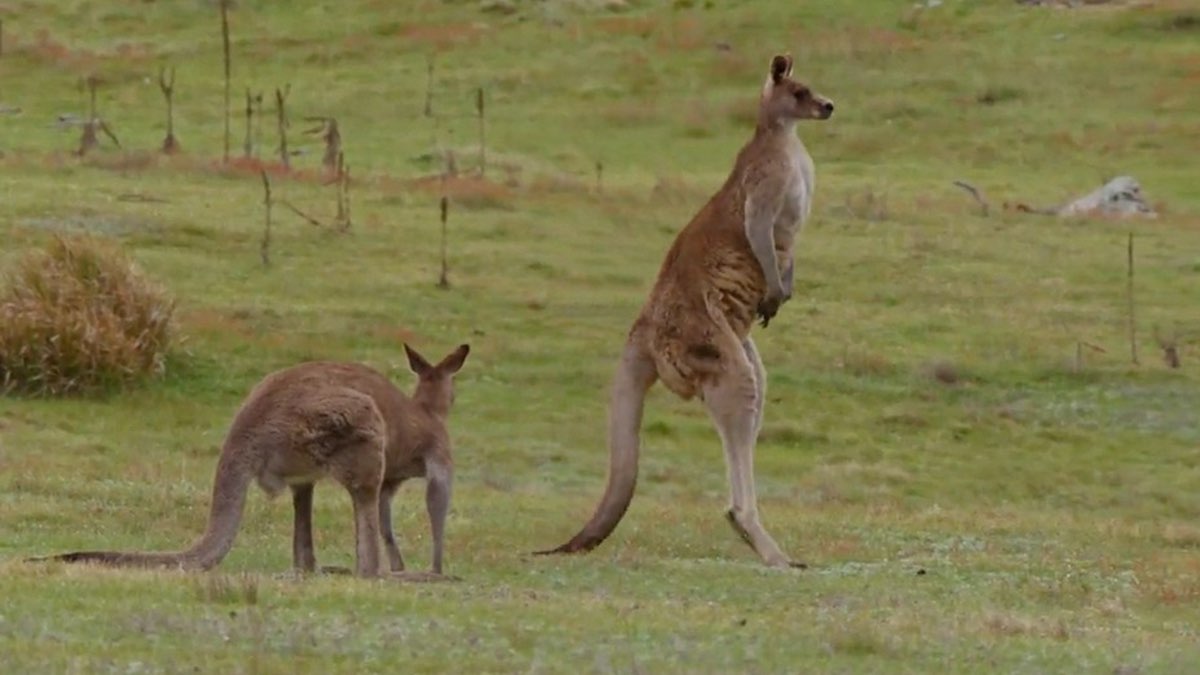
As temperatures peak, animals must endure extreme heat and scarcity, pushing their survival strategies to the limit.
2020 • Nature
With winter approaching, animals race to gather food, migrate, or prepare shelters in a critical fight for survival.
2020 • Nature
As the cycle completes, life begins anew, showing how resilience and adaptation sustain Earth’s wildlife year after year.
2020 • Nature
The documentary series reveals the extraordinary riches and wonders of the Polar Regions that have kept people visiting them for thousands of years. Today, their survival relies on a combination of ancient wisdom and cutting-edge science. Most Arctic people live in Siberia, either in cities like Norilsk - the coldest city on earth - or out on the tundra, where tribes like the Dogan survive by herding reindeer, using them to drag their homes behind them. On the coast, traditional people still hunt walrus from open boats - it is dangerous work, but one big walrus will feed a family for weeks. Settlers are drawn to the Arctic by its abundant minerals; the Danish Armed Forces maintain their claim to Greenland's mineral wealth with an epic dog sled patrol, covering 2,000 miles through the winter. Above, the spectacular northern lights can disrupt power supplies so scientists monitor it constantly, firing rockets into it to release a cloud of glowing smoke 100 kilometres high. In contrast, Antarctica is so remote and cold that it was only a century ago that the first people explored the continent. Captain Scott's hut still stands as a memorial to these men. Science is now the only significant human activity allowed; robot submarines are sent deep beneath the ice in search of new life-forms, which may also be found in a labyrinth of ice caves high up on an active volcano. Above, colossal balloons are launched into the purest air on earth to detect cosmic rays. At the South Pole there is a research base designed to withstand the world's most extreme winters. Cut off from the outside world for six months, the base is totally self-sufficient, even boasting a greenhouse.
S1E6 • Frozen Planet • 2011 • Nature
Dr Helen Czerski looks at the anatomy of an avalanche. From shocking eyewitness footage from within an avalanche, to detailed CT scans showing the microscopic changes that cause them, we can now capture exactly what happens as snow transforms into a deadly and unpredictable danger.
Part 1 • Dangerous Earth • 2016 • Nature
The Andes is the longest mountain range in the world and home to astonishing hidden worlds, extraordinary animals and remarkable people. A female puma and her three cubs hunt in the mountains of the frozen south. Spectacled bears search for water on scorched mountain forests and the descendants of the Inca gather in an ancient ceremony to build a bridge made from woven grass. High in the cloud forest, a newly discovered shape-shifting frog baffles scientists with its superpowers and in the Atacama desert - the driest place in the world - strange reptiles battle for access to precious water. This is the mountain range of surprise and wonder.
S1E3 • Mountain Life at the Extreme • 2017 • Nature
David Attenborough takes a breathtaking journey through the vast and diverse continent of Africa as it has never been seen before. Part 1: Kalahari In Africa's ancient south west corner, two extraordinary deserts sit side by side. Water is in short supply, yet these deserts are somehow full of life because the creatures that live here have turned the rules of survival on their head. This film celebrates nature's ingenuity, no matter how tough it gets. In the Kalahari scrublands, clever meerkats are outsmarted by a wily bird, solitary and belligerent black rhinos get together to party and giant insects stalk huge flocks of birds. Rain almost never falls in the Namib - instead it must make do with vaporous, vanishing fog. The creatures in this, the world's oldest desert, have gone to the extremes, as spiders wheel to escape and a desert giraffe fights to defend his scant resources in the greatest giraffe battle ever filmed.
How do polar predators face the challenges of hunting in the most seasonal place on Earth?
David Attenborough examines creatures that have fascinated us for centuries. This episode looks at the expandable bodies of anacondas and camels.
S3E3 • Natural Curiosities • Nature