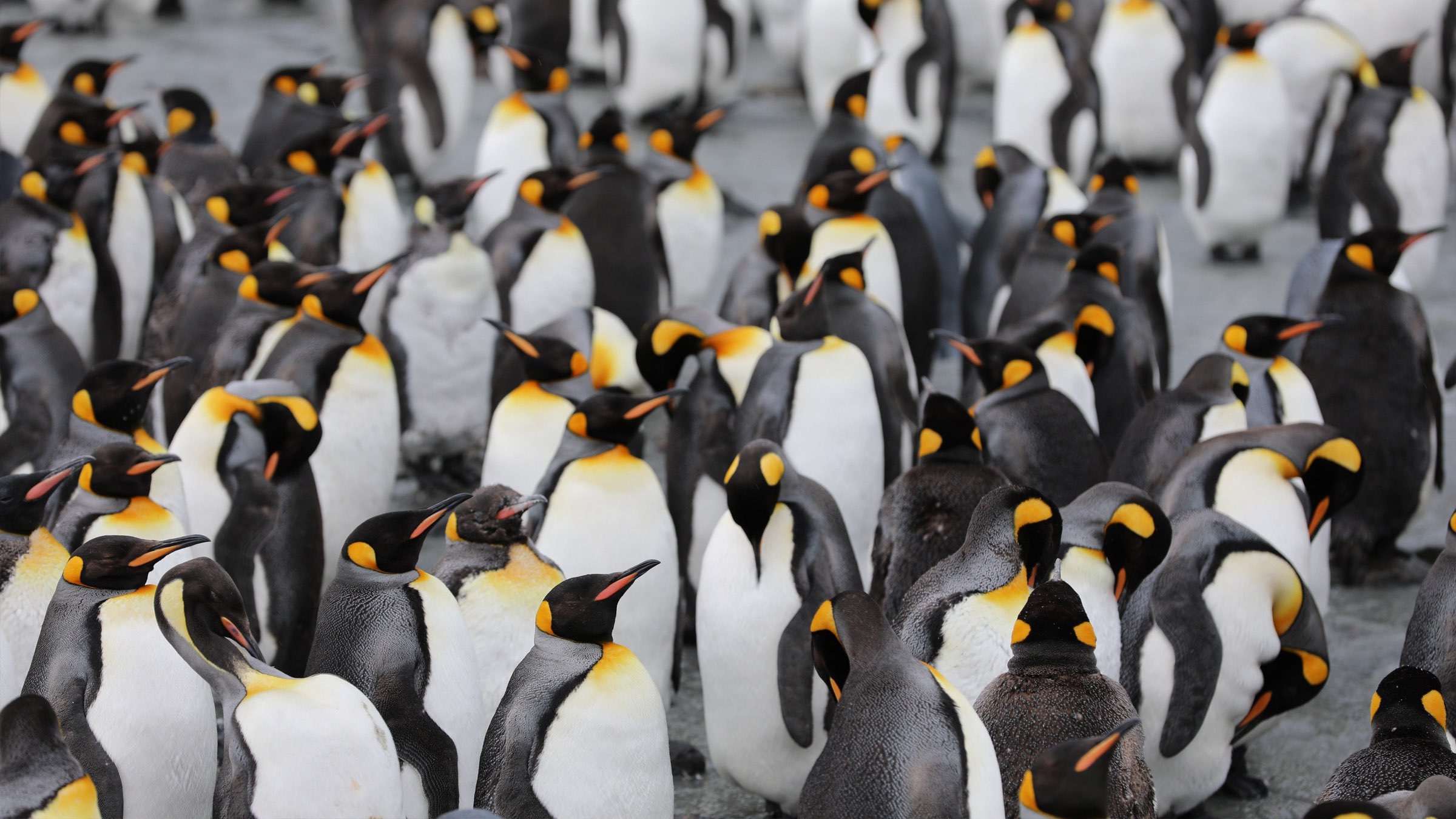
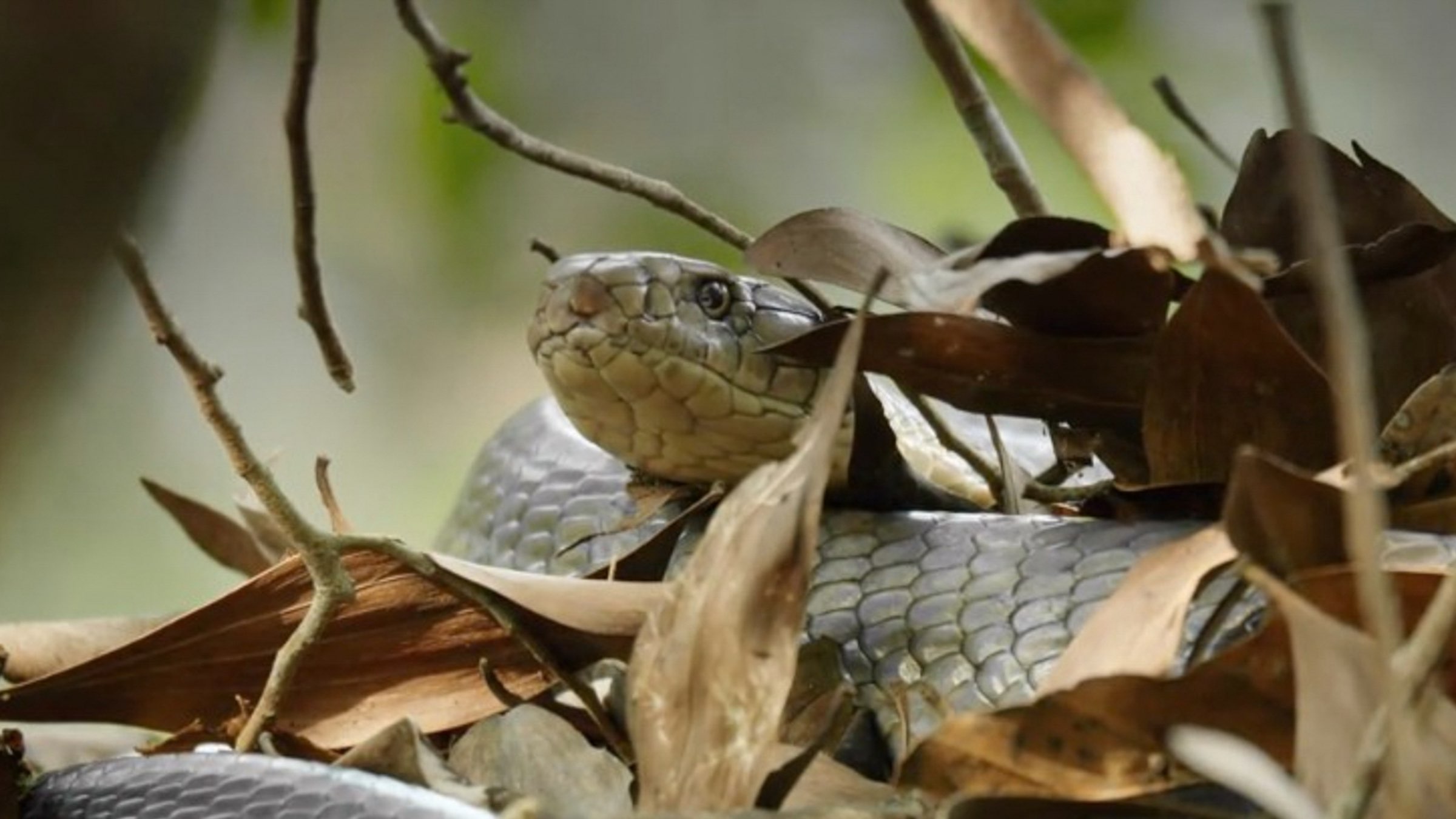
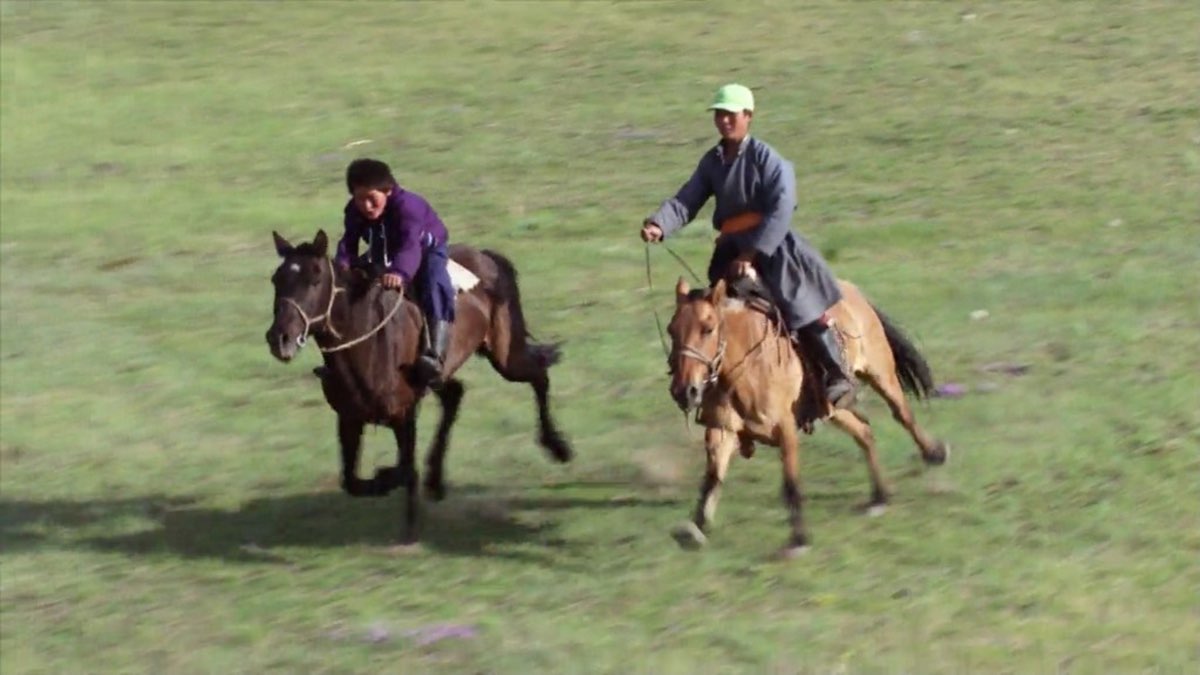
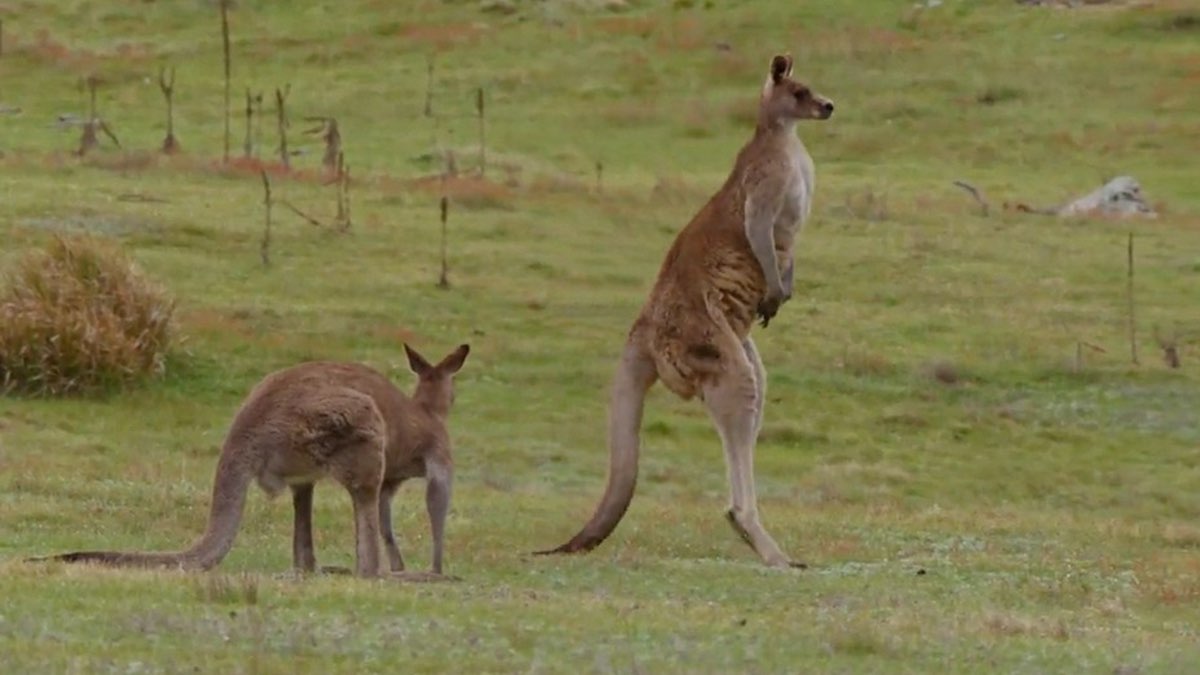
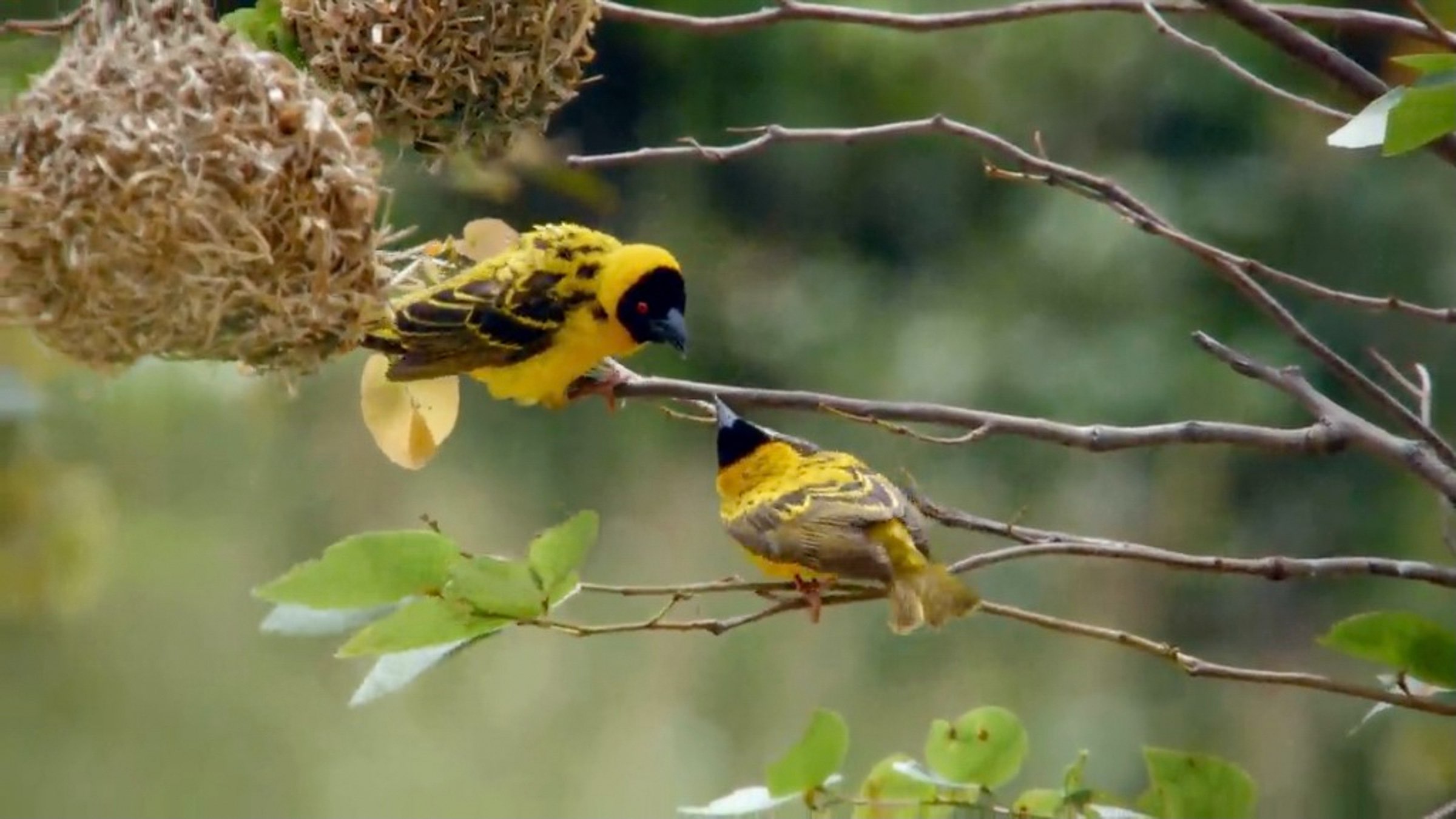
Young animals face the harsh realities of survival as they grow, learning essential skills in a competitive and rapidly changing environment.
Hope you're finding these documentaries fascinating and eye-opening. It's just me, working hard behind the scenes to bring you this enriching content.
Running and maintaining a website like this takes time and resources. That's why I'm reaching out to you. If you appreciate what I do and would like to support my efforts, would you consider "buying me a coffee"?
BTC: bc1q8ldskxh4x9qnddhcrgcun8rtvddeldm2a07r2v
ETH: 0x5CCAAA1afc5c5D814129d99277dDb5A979672116
With your donation through , you can show your appreciation and help me keep this project going. Every contribution, no matter how small, makes a significant impact. It goes directly towards covering server costs.
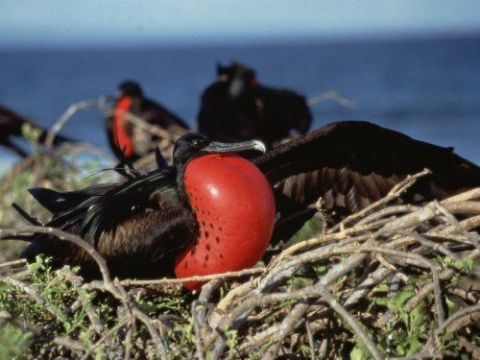
As spring arrives, animals across the planet begin new life cycles, from births to migrations, taking advantage of fresh opportunities in a warming world.
2020 • Nature
Young animals face the harsh realities of survival as they grow, learning essential skills in a competitive and rapidly changing environment.
2020 • Nature
As temperatures peak, animals must endure extreme heat and scarcity, pushing their survival strategies to the limit.
2020 • Nature
With winter approaching, animals race to gather food, migrate, or prepare shelters in a critical fight for survival.
2020 • Nature
As the cycle completes, life begins anew, showing how resilience and adaptation sustain Earth’s wildlife year after year.
2020 • Nature
Following the success of Helen Macdonald's bestselling novel of the same name, H is for Hawk: A New Chapter is an intimate and personal journey. After the loss of her father, Helen trained the hardest bird in falconry, a goshawk. The cathartic experience helped her to grieve and now she is ready to do it again, but this time she hopes it will be her wings to somewhere new. In this beautiful and moving film, Helen trains a new bird and follows a wild goshawk family at the nest, getting closer than ever before to these fiery eyed birds of prey.
Natural World • 2017 • Nature
Siberian tigers are the largest of all cats. In historic times, the tiger's range was vast, covering much of Asia. Over the last century, they've experienced an almost total population crash, and at least 97% of those tigers have gone.
S1E1 • The Secret Lives of Big Cats • 2019 • Nature
While the immense ecosystem of the Kalahari is characterized by its harsh conditions, it also offers a wealth of resources to the native wildlife. From the burrows of nocturnal bat-eared foxes to the massive colonies of harvester ants, the region provides habitats for a vast array of life.
S1E5 • Africa's Wild Horizons • 2017 • Nature
First transmitted in 1965. David Attenborough continues his journey along the Zambezi River. This episode begins at Victoria Falls, the largest waterfall in the world. At the foot of the falls, with its moist climate, a wealth of plants and animals can be found, such as hyraxes. To coax the hyraxes out of hiding, David Attenborough illustrates why taking a dog whistle with you while on an African adventure is a very good idea indeed. Other highlights encountered on the way include an estivating lungfish and a herd of elephants washing and dust bathing at a water hole.Further along his journey David Attenborough explores a Portuguese fortress at Tete, believed to have been built over 400 years ago, and assesses the impact of the then newly constructed Kariba Dam, one of the largest dams in the world, on the displaced Tonga people and surrounding countryside.
Without water, a human can only survive for about 100 hours. But there’s a creature so resilient that it can go without it for decades. This 1-millimeter animal can survive both the hottest and coldest environments on earth, and can even withstand high levels of radiation. Thomas Boothby introduces us to the tardigrade, one of the toughest creatures on Earth.
If you traced your family tree back 185 million generations, you wouldn't be looking at a human, a primate, or even a mammal. You'd be looking at a fish. So where along that line does the first human show up? The answer may surprise you.