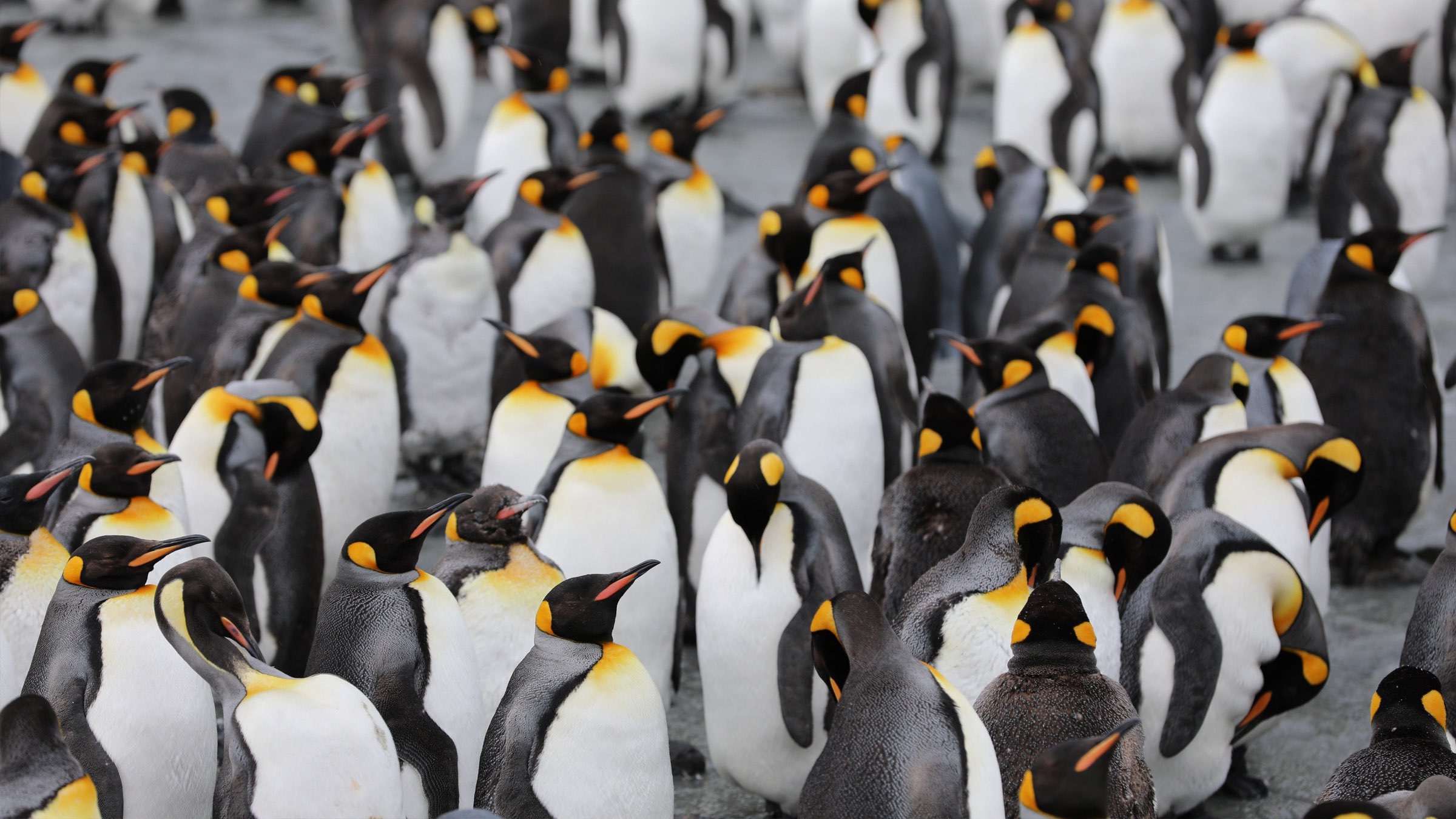
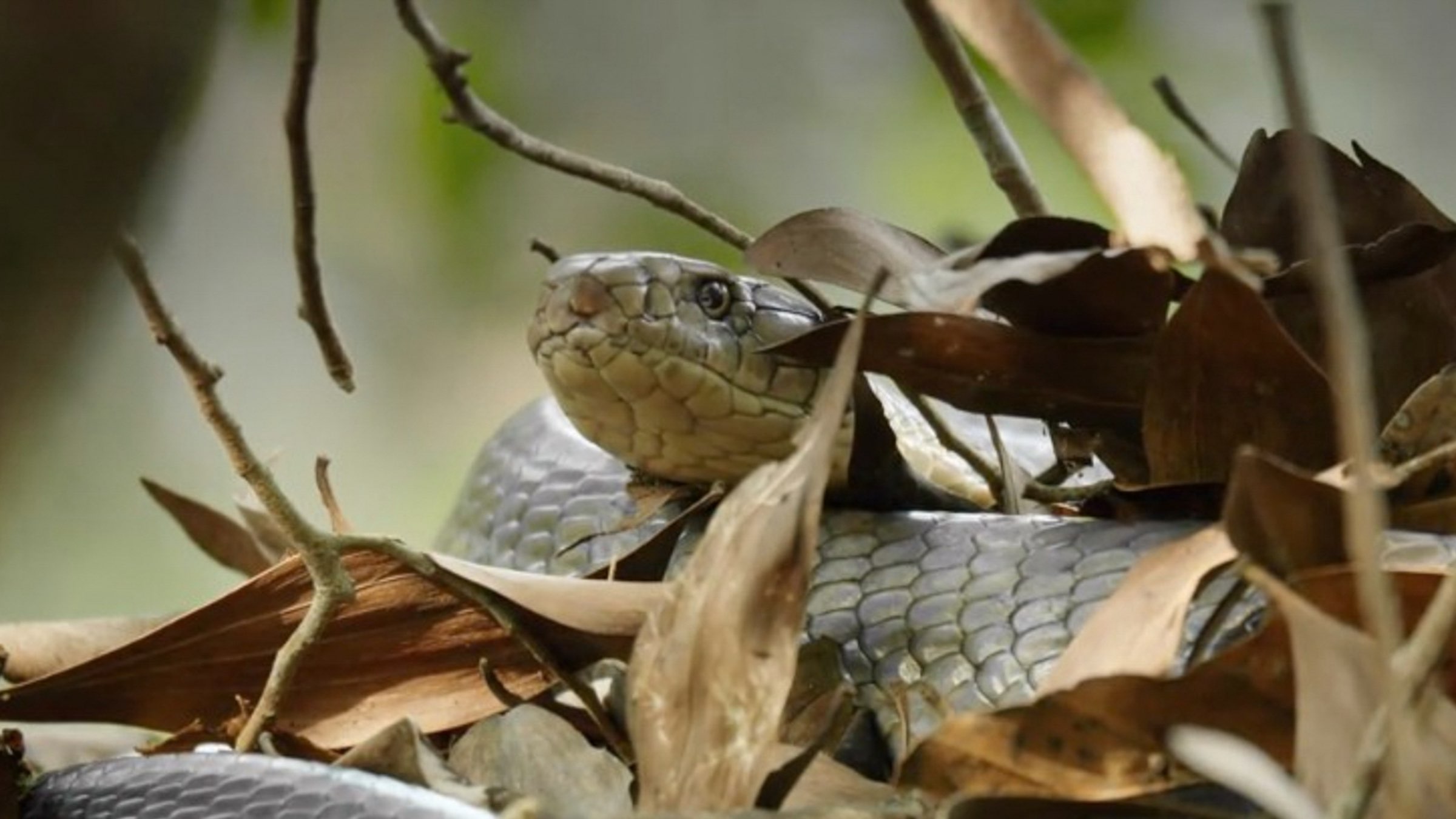
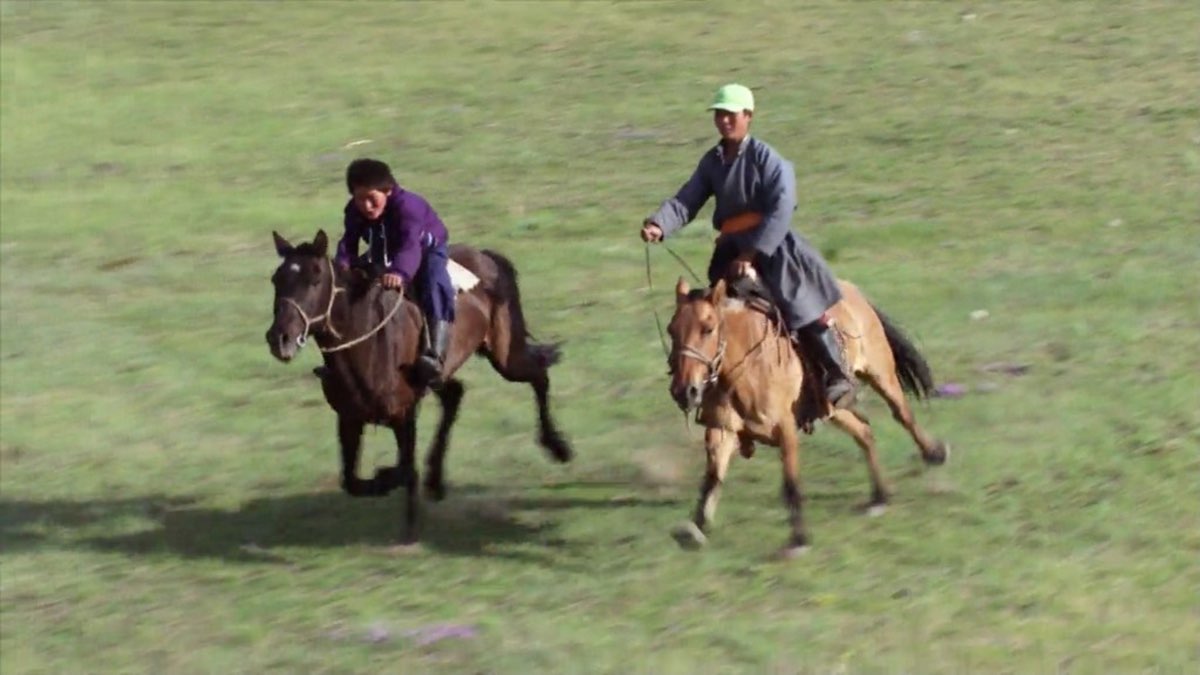
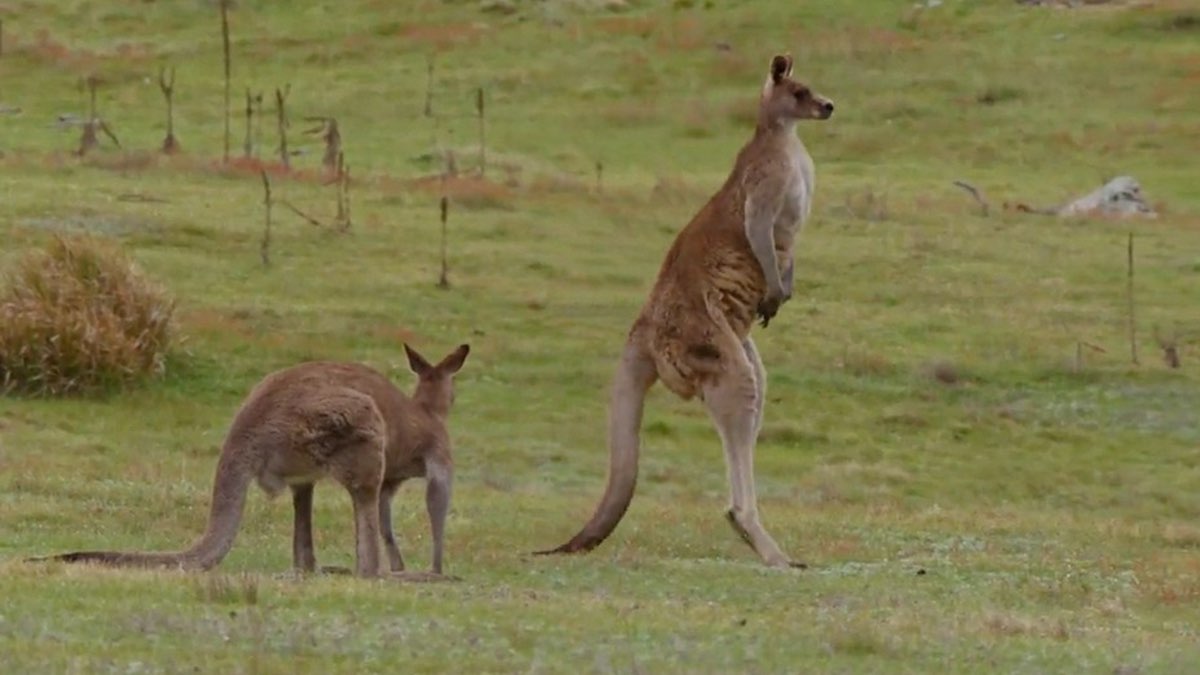
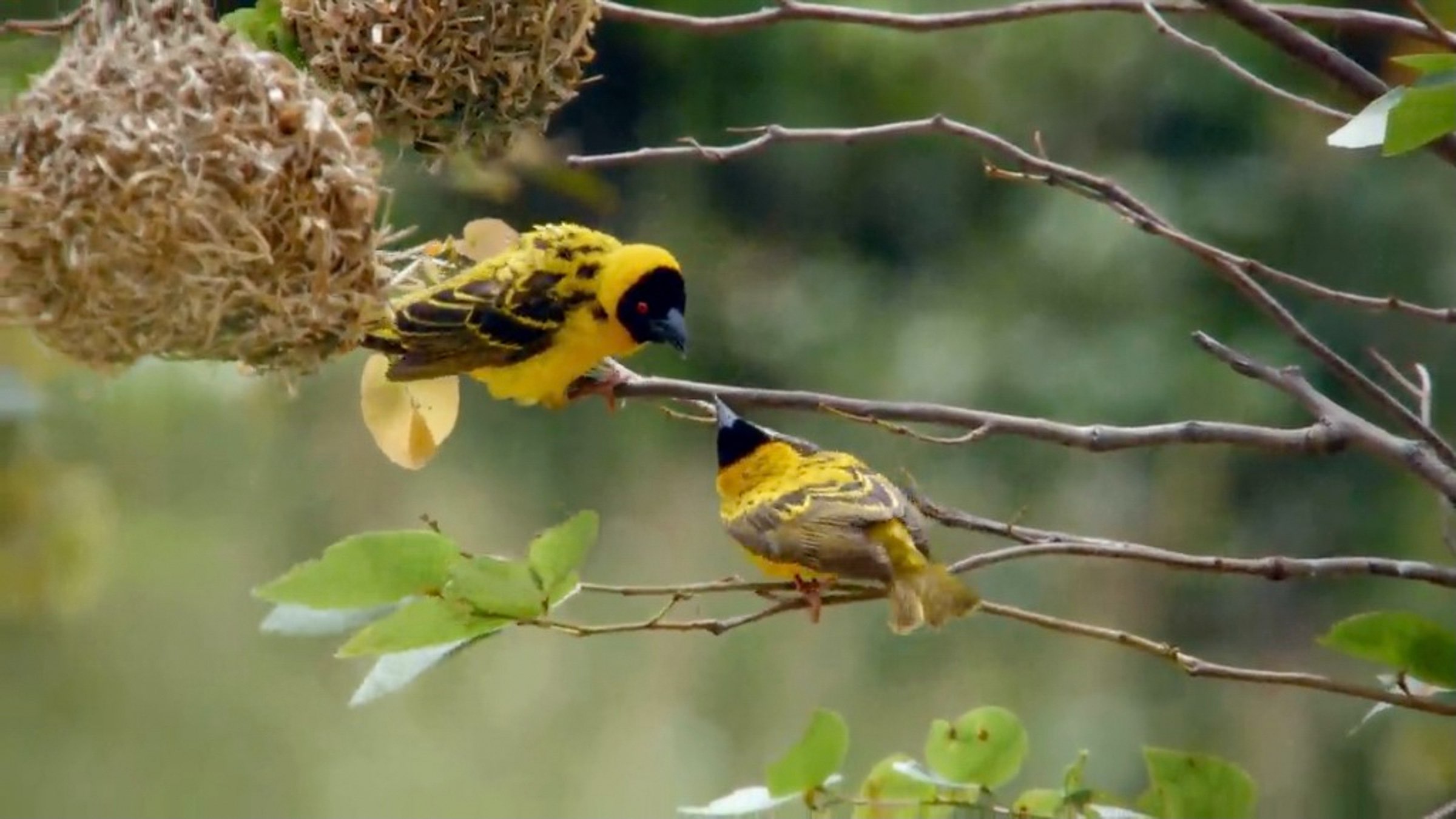
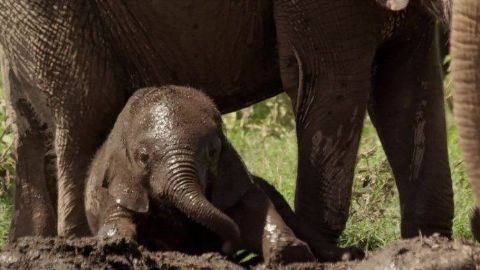
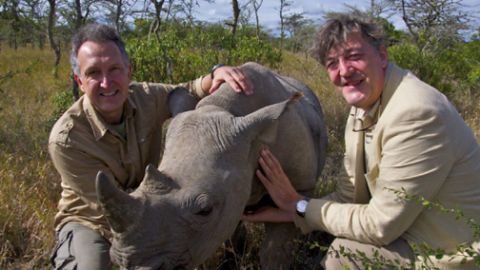
As the cycle completes, life begins anew, showing how resilience and adaptation sustain Earth’s wildlife year after year.
Hope you're finding these documentaries fascinating and eye-opening. It's just me, working hard behind the scenes to bring you this enriching content.
Running and maintaining a website like this takes time and resources. That's why I'm reaching out to you. If you appreciate what I do and would like to support my efforts, would you consider "buying me a coffee"?
BTC: bc1q8ldskxh4x9qnddhcrgcun8rtvddeldm2a07r2v
ETH: 0x5CCAAA1afc5c5D814129d99277dDb5A979672116
With your donation through , you can show your appreciation and help me keep this project going. Every contribution, no matter how small, makes a significant impact. It goes directly towards covering server costs.
As spring arrives, animals across the planet begin new life cycles, from births to migrations, taking advantage of fresh opportunities in a warming world.
2020 • Nature
Young animals face the harsh realities of survival as they grow, learning essential skills in a competitive and rapidly changing environment.
2020 • Nature
As temperatures peak, animals must endure extreme heat and scarcity, pushing their survival strategies to the limit.
2020 • Nature
With winter approaching, animals race to gather food, migrate, or prepare shelters in a critical fight for survival.
2020 • Nature
As the cycle completes, life begins anew, showing how resilience and adaptation sustain Earth’s wildlife year after year.
2020 • Nature
This instalment is the first of several to concentrate on mammals. The platypus and the echidna are the only mammals that lay eggs (in much the same manner of reptiles), and it is from such animals that others in the group evolved. Since mammals have warm blood and most have dense fur, they can hunt at night when temperatures drop. It is for this reason that they became more successful than their reptile ancestors, who needed to heat themselves externally. Much of the programme is devoted to marsupials (whose young are partially formed at birth) of which fossils have been found in the Americas dating back 60 million years.
9/13 • Life on Earth • 1979 • Nature
Deep beneath the water's surface, the world's largest predator -- the Mosasaurus -- lies in wait to ambush unsuspecting prey.
S2E4 • Prehistoric Planet • 2023 • Nature
Danielle Dufault from Animalogic ventures into the jungles of Costa Rica in search of its majestic wildlife. Come face to face with a Jaguar, a Margay, a Tapir, Sloths and so much more.
2019 • Nature
A look at what could make an animal vanish into thin air, what could cause the sea to take on an eerie glow, and what event would bring killer whales together in huge numbers.
S1E8 • Nature's Strangest Mysteries: Solved • 2019 • Nature
Traveling is extremely arduous for microscopic sperm -- think of a human trying to swim in a pool made of...other humans.
Sri Lanka, the tropical island lying off the southern coast of India, is home to its own special elephants. A subspecies of the Asian elephant, they have their own unique characteristics. In this programme, award-winning wildlife cameraman Martyn Colbeck of Echo of the Elephants fame travels to Sri Lanka to try and get to know them. Martyn has planned his arrival to coincide with the start of the monsoon, hoping it will be the best time to find and follow a newborn calf. By drawing on local knowledge, Martyn begins to unravel the complex social world of Sri Lanka's elephants - he witnesses a fight over a calf, a battle between two bulls in musk and, at an elephant sanctuary, befriends an orphaned elephant who sadly lost a leg to a snare and is facing an uncertain future.
Natural World • 2013 • Nature