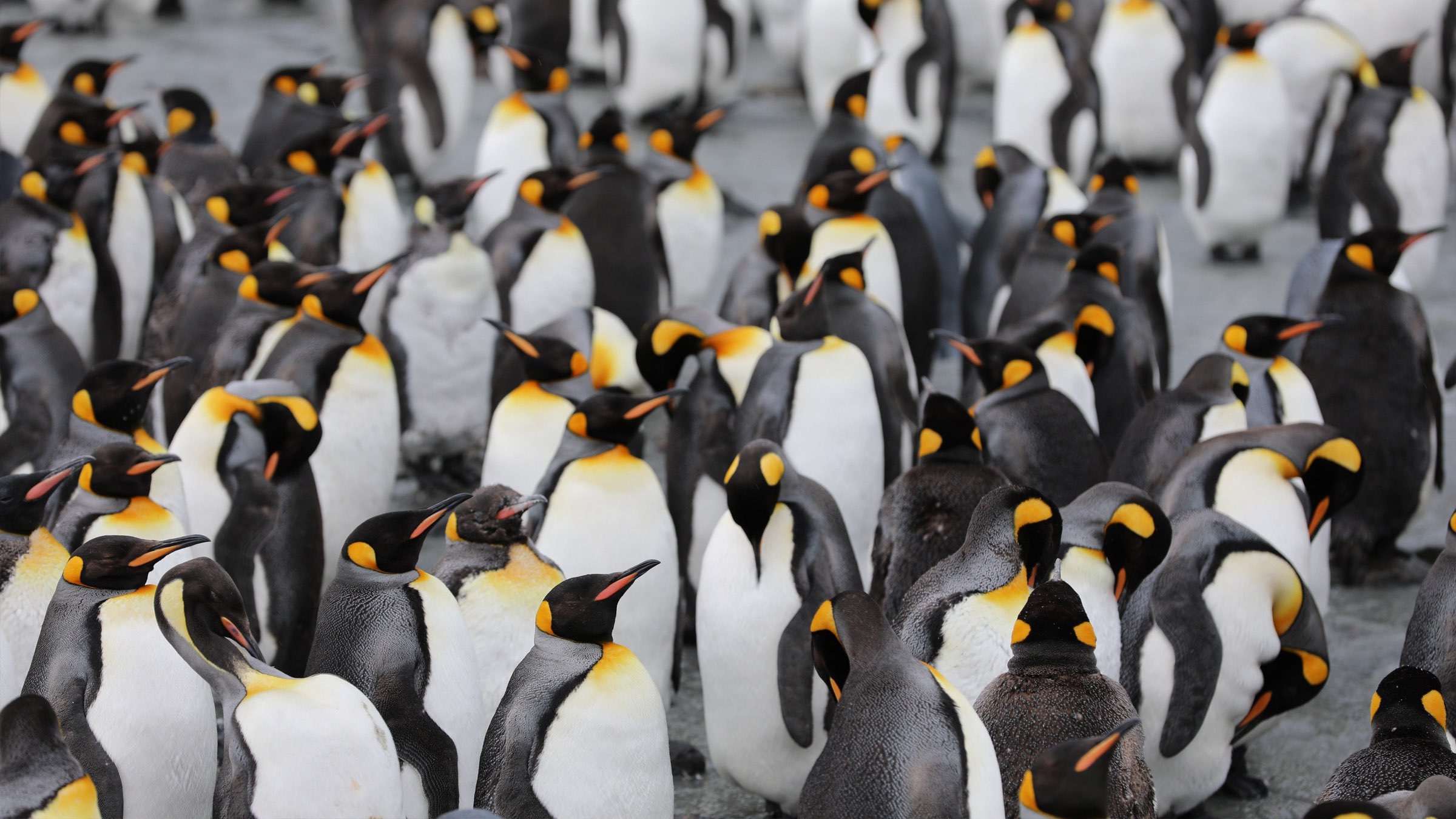
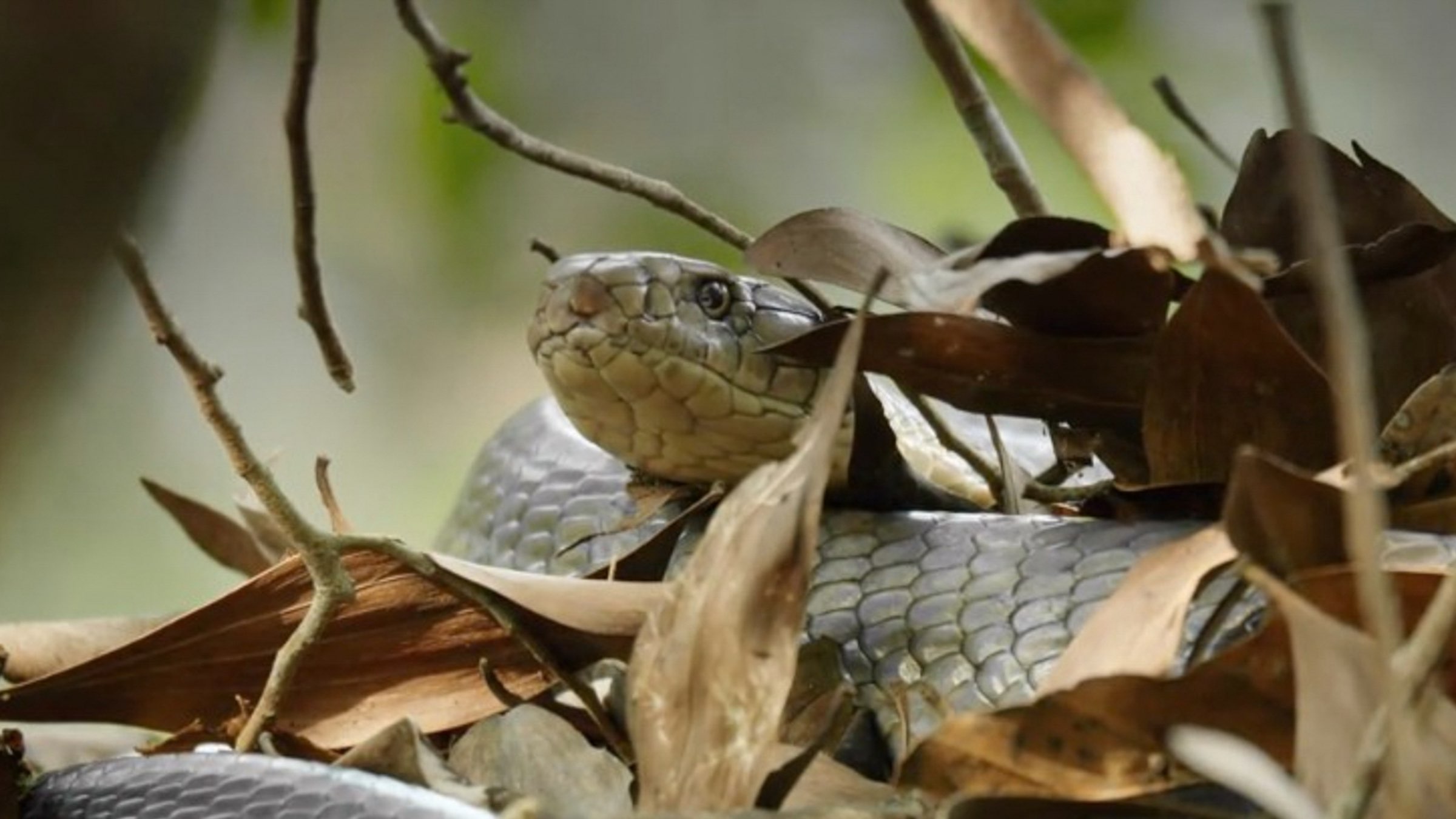
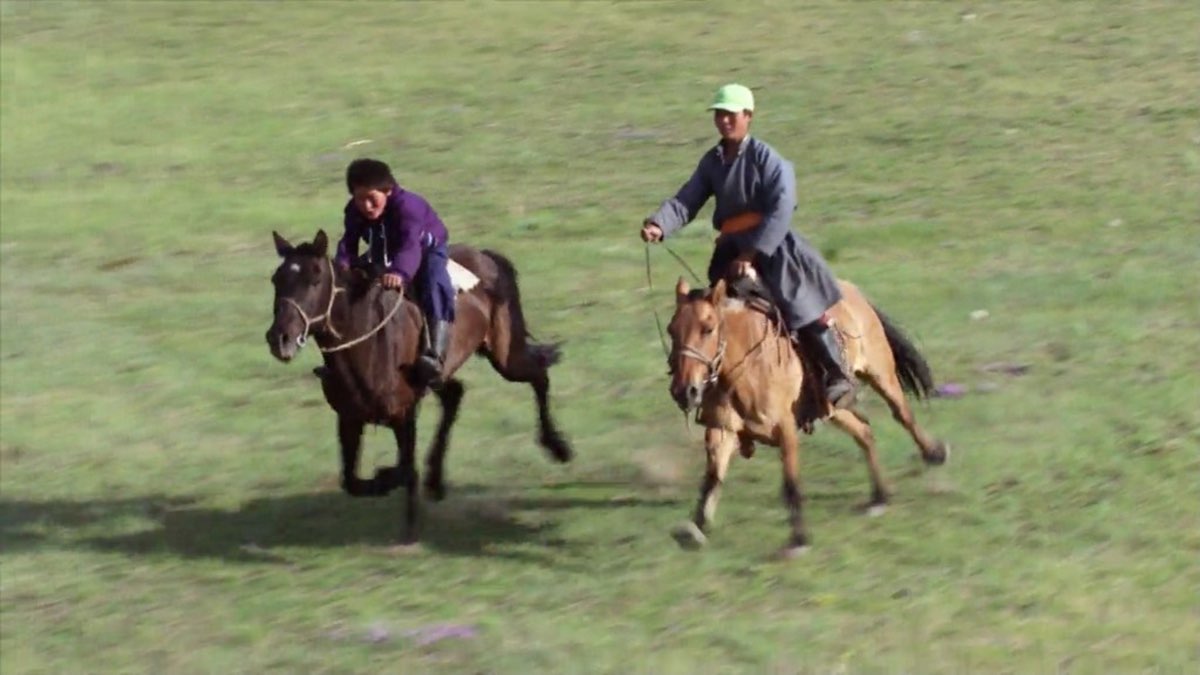
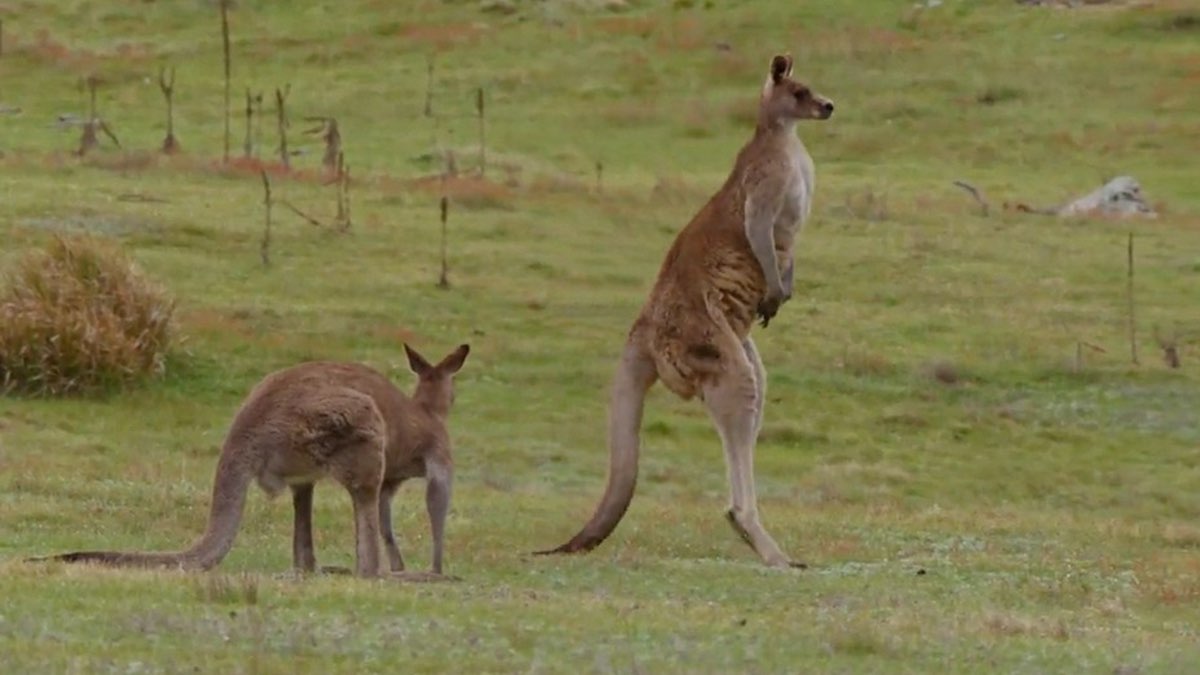
With winter approaching, animals race to gather food, migrate, or prepare shelters in a critical fight for survival.
Hope you're finding these documentaries fascinating and eye-opening. It's just me, working hard behind the scenes to bring you this enriching content.
Running and maintaining a website like this takes time and resources. That's why I'm reaching out to you. If you appreciate what I do and would like to support my efforts, would you consider "buying me a coffee"?
BTC: bc1q8ldskxh4x9qnddhcrgcun8rtvddeldm2a07r2v
ETH: 0x5CCAAA1afc5c5D814129d99277dDb5A979672116
With your donation through , you can show your appreciation and help me keep this project going. Every contribution, no matter how small, makes a significant impact. It goes directly towards covering server costs.
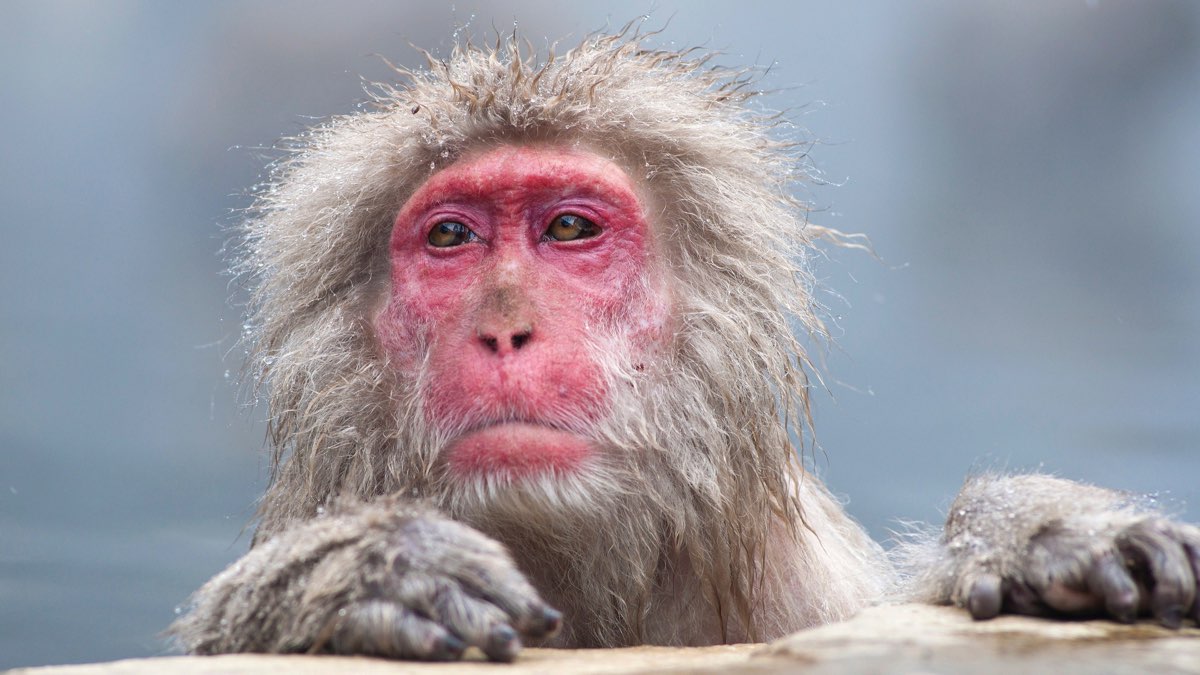
As spring arrives, animals across the planet begin new life cycles, from births to migrations, taking advantage of fresh opportunities in a warming world.
2020 • Nature
Young animals face the harsh realities of survival as they grow, learning essential skills in a competitive and rapidly changing environment.
2020 • Nature
As temperatures peak, animals must endure extreme heat and scarcity, pushing their survival strategies to the limit.
2020 • Nature
With winter approaching, animals race to gather food, migrate, or prepare shelters in a critical fight for survival.
2020 • Nature
As the cycle completes, life begins anew, showing how resilience and adaptation sustain Earth’s wildlife year after year.
2020 • Nature
The final episode deals with the evolution of the most widespread and dominant species on Earth: humans. The story begins in Africa, where, some 10 million years ago, apes descended from the trees and ventured out into the open grasslands in search of food. They slowly adapted to the habitat and grew in size. Their acute sense of vision led to them standing erect to spot predators, leaving their hands free to bear weapons. In addition, the primitive apemen also had stones that were chipped into cutting tools. Slowly, they grew taller and more upright, and their stone implements became ever more elaborate.
13/13 • Life on Earth • 1979 • Nature
In this film Brian asks how a lifeless cosmos can produce a planet of such varied biology.
S1E3 • Wonders of Life • Nature
In this final episode, Iolo explores bird design - from their ability to fly to the way that their beak design, colour and camouflage enable them to live in the many habitats Wales has to offer. Using ultra-slow motion photography, Iolo looks at how garden birds have such control over take off and landing, and explains why fulmars are one of our most supreme fliers.
S1E5 • Secret Life of Birds • 2012 • Nature
Explore Europe's last great wildernesses - full of a stunning and surprising explosion of life.
S1E5 • Wildest Europe • 2016 • Nature
Like most big cats, the leopard is a master of secrecy. It's one of the hardest of all big cats to see, let alone observe. This is mainly because leopards need absolute invisibility to hunt. This is why they're such good climbers and why they evolved to be so incredibly secretive.
S1E5 • The Secret Lives of Big Cats • 2019 • Nature
In the third episode, Iain discovers the remarkable impact of just one plant: grass. On the savannah of South Africa he sees how grass unleashed a firestorm to fight its greatest enemy, the forests. He shows how cutting your finger on a blade of grass shows us how it transformed life in the oceans. In Senegal, he meets the cleverest chimps in the world. And, in the ruins of the oldest temple on Earth, he tells the extraordinary story of how grass triggered human civilisation.
S1E3 • How to Grow a Planet • 2012 • Nature