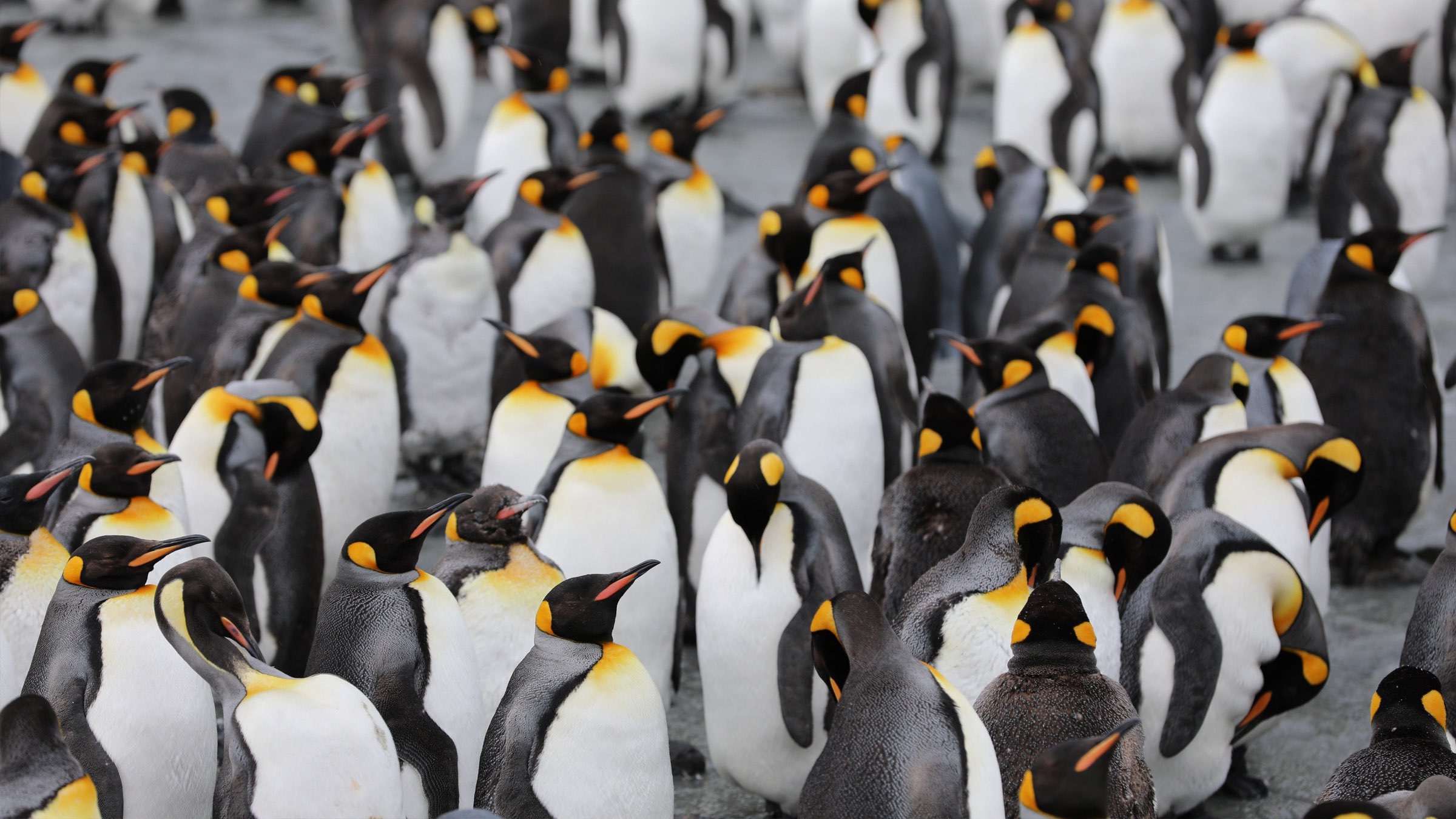
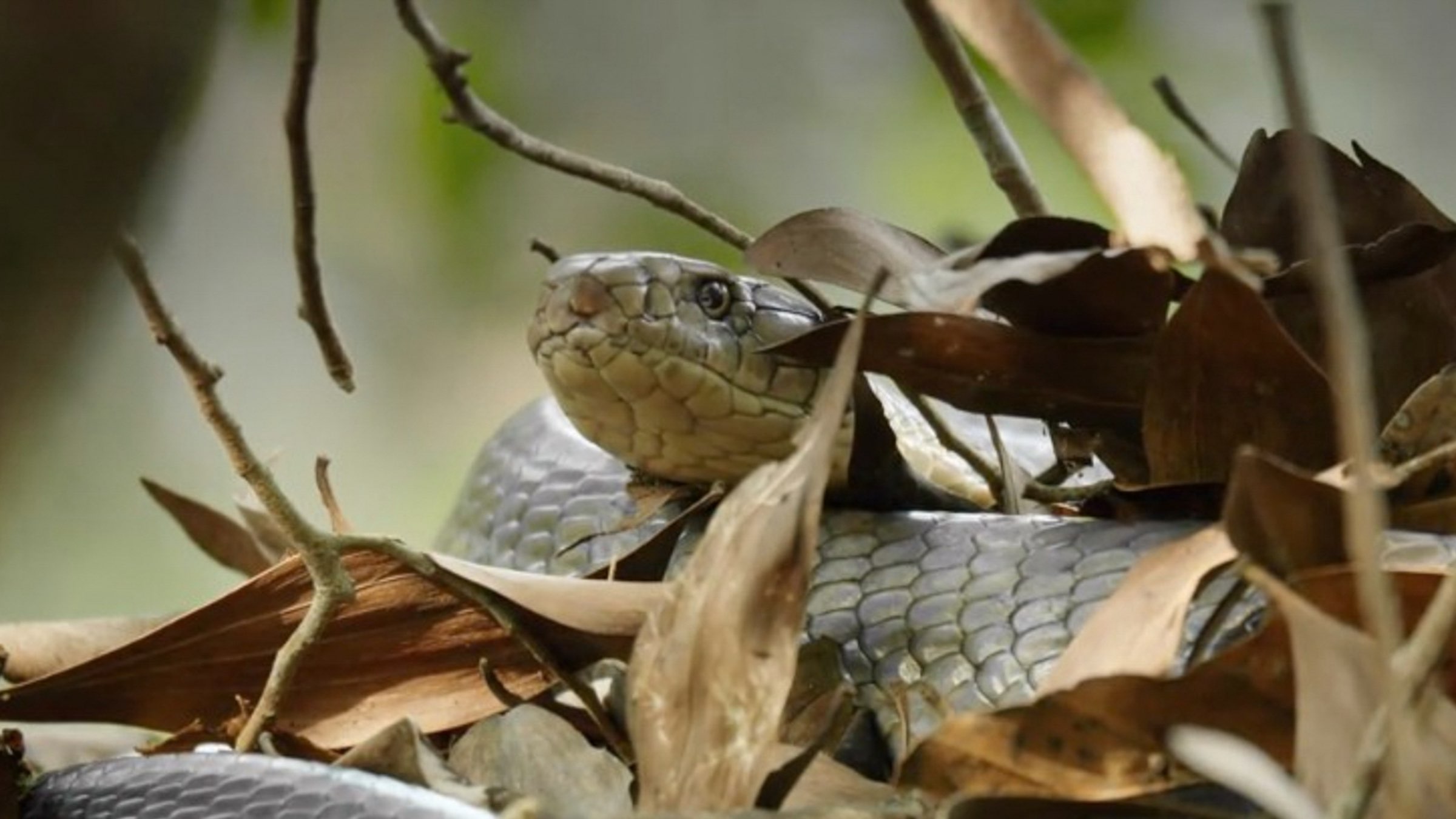
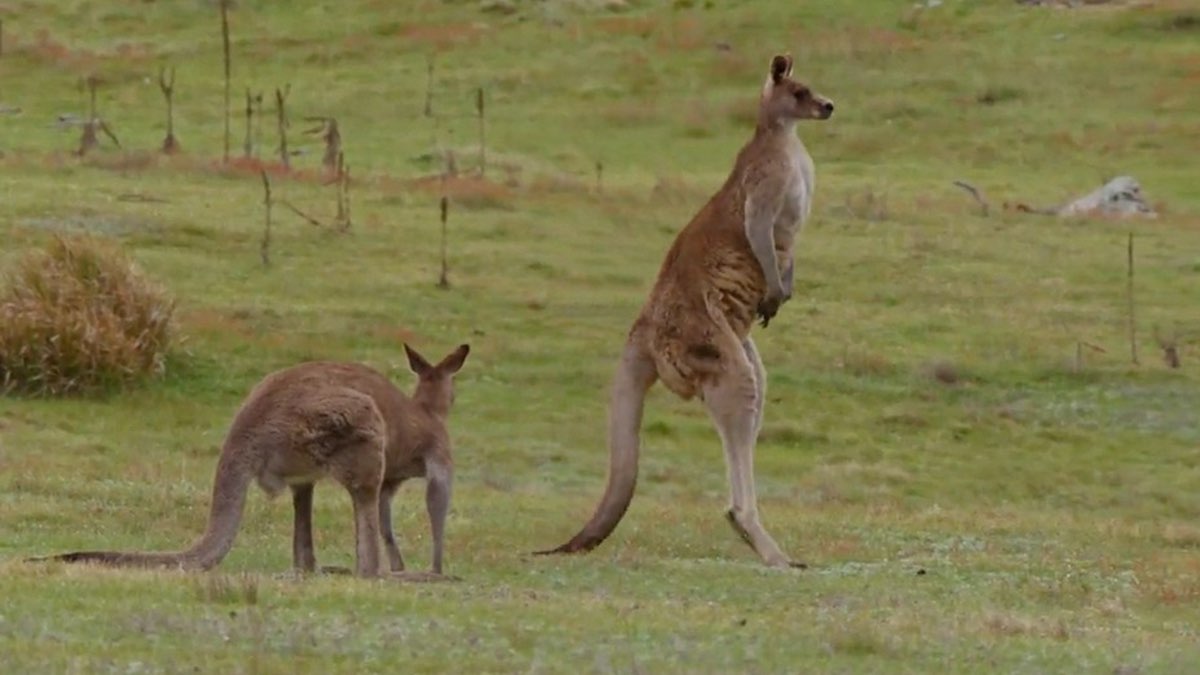
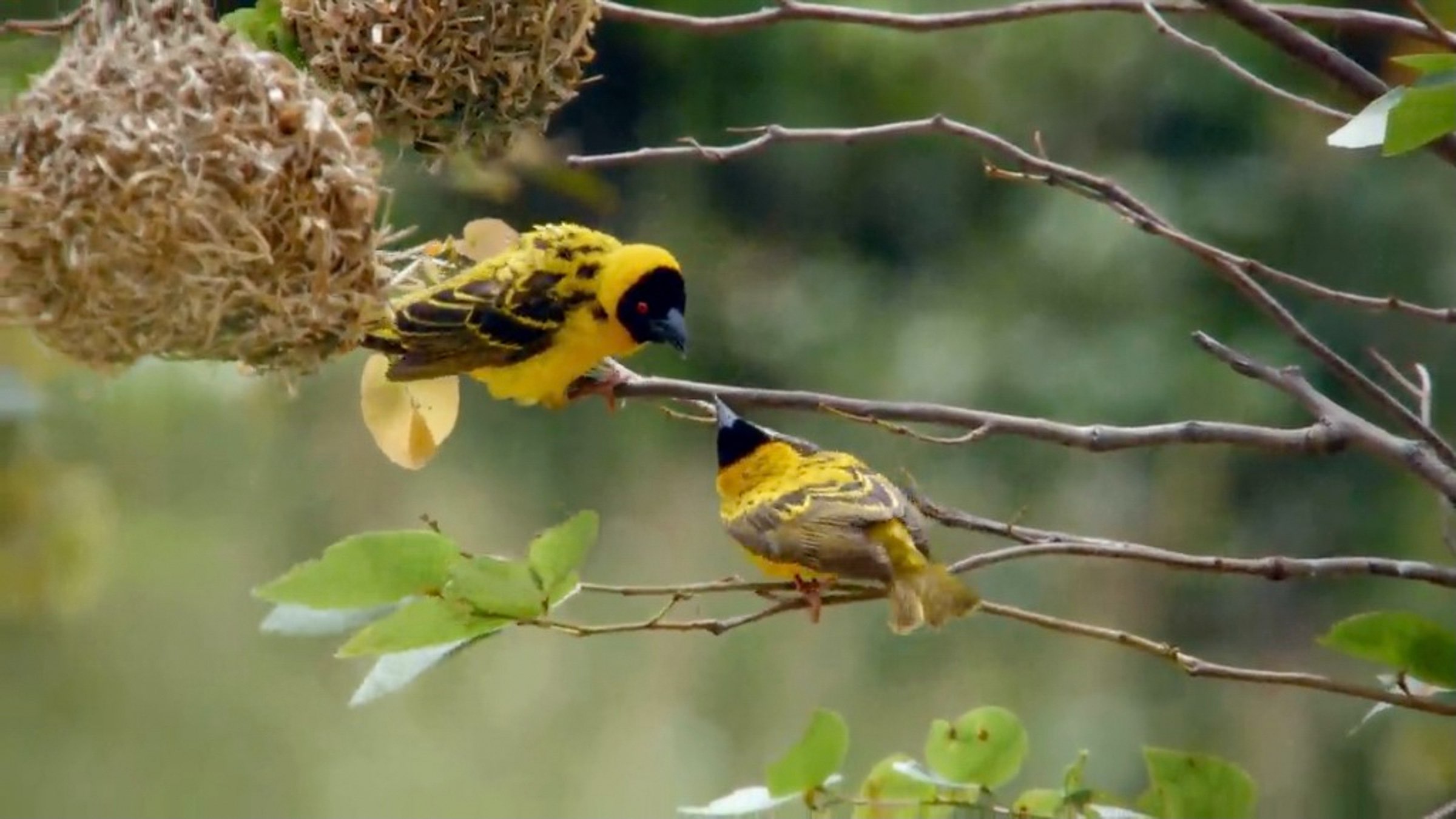
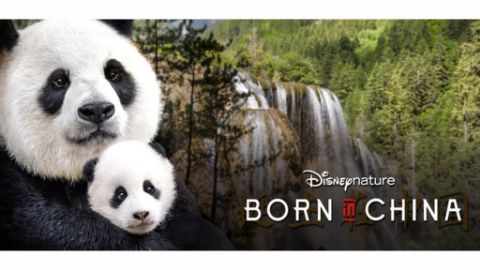
As spring arrives, animals across the planet begin new life cycles, from births to migrations, taking advantage of fresh opportunities in a warming world.
Hope you're finding these documentaries fascinating and eye-opening. It's just me, working hard behind the scenes to bring you this enriching content.
Running and maintaining a website like this takes time and resources. That's why I'm reaching out to you. If you appreciate what I do and would like to support my efforts, would you consider "buying me a coffee"?
BTC: bc1q8ldskxh4x9qnddhcrgcun8rtvddeldm2a07r2v
ETH: 0x5CCAAA1afc5c5D814129d99277dDb5A979672116
With your donation through , you can show your appreciation and help me keep this project going. Every contribution, no matter how small, makes a significant impact. It goes directly towards covering server costs.
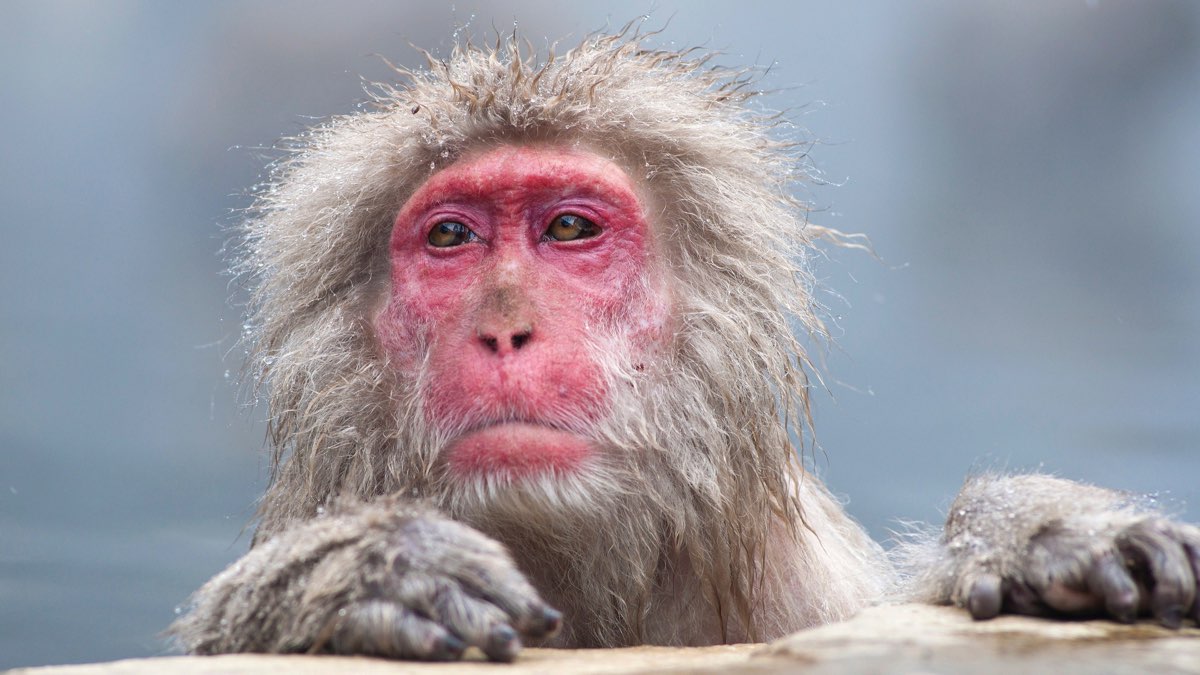
As spring arrives, animals across the planet begin new life cycles, from births to migrations, taking advantage of fresh opportunities in a warming world.
2020 • Nature
Young animals face the harsh realities of survival as they grow, learning essential skills in a competitive and rapidly changing environment.
2020 • Nature
As temperatures peak, animals must endure extreme heat and scarcity, pushing their survival strategies to the limit.
2020 • Nature
With winter approaching, animals race to gather food, migrate, or prepare shelters in a critical fight for survival.
2020 • Nature
As the cycle completes, life begins anew, showing how resilience and adaptation sustain Earth’s wildlife year after year.
2020 • Nature
More than a billion people around the world commute into cities each day, and they are not alone. The world's wildlife is commuting too. A steady flow of animals journey in and out of cities to find food and shelter or to start a family. Leaving the wilderness they must overcome the unique challenges that the urban world throws at them to benefit from the opportunities on offer. This episode explores whether the secret to an animal's success in this fast-changing world is to keep one foot in the wild and one in the city, becoming a wild commuter. It seems that all over the world animals are finding that the city can offer opportunities that are harder to come by in the natural world. Some, like African penguins, whose population has plummeted by 80 per cent in the last 50 years, find shelter in the city. By nesting in Cape Town they are safer from predators, and with relatively easy access to their fishing grounds they have the best of both worlds. Many other animals commute into cities because they are filled with food. In St Lucia, South Africa, that includes hippos. Able to eat up to fifty kilograms of grass in a single sitting, they have developed a taste for the short, manicured lawns and come to town every night to dine out. St Lucia's human residents have learnt to give the hippos the space they need during their night-time raids. Black bears need to eat more than 20,000 calories a day to survive their six-month hibernation through winter, and using their acute sense of smell they can easily track down leftovers. In North America they come into towns and cities in search of food. Many animals displaced from their natural habitat are now using their wild skill set in the city to help fulfill their needs. Could this be the beginning of a new and very modern migration?
S1E2 • Cities: Nature's New Wild • 2018 • Nature
As snow geese, antelope, army ants and gray whales dodge predators and pollution, get a closer look at how the modern world impacts animal migration.
S2E4 • Our Planet • 2023 • Nature
Howard Hall, one of the world's foremost underwater filmmakers, brings to NATURE a lifetime of insights into how life in the ocean really works - in surprisingly cooperative communities built on age-old partnerships. Coral reefs turn out to be cosmopolitan cities where relationships thrive: a specialist shrimp, a baby damsel fish, and a porcelain crab all share the protection of an anemone; an urchin and a crab form an unlikely pair; fan corals each support their own kind of seahorse. They're all part of a vast system that only exists because everything is connected. From great whales to turtles, to sharks and tiny blennies, the ocean is full of creatures that need and support each other.
2023 • Nature
While the pandemic restricts our movements, wildlife remains free. In this time of crisis, the natural world can be a source of solace and escape. In the most extreme of environments, from the hottest deserts to the freezing poles, from the highest mountains to underwater kingdoms, animals overcome adversity to survive and thrive, offering a message of hope to humanity. To raise our spirits, join Sir David Attenborough on a round-the-world trip to the wildest places on earth to see some of the most spectacular wildlife. The BBC Natural History Unit has brought together the most astounding stories from the Bafta-winning Planet Earth II and Blue Planet II to create the ultimate escape. The journey is accompanied by a thrilling new musical score, created by renowned composers Hans Zimmer and Jacob Shea, performed by the BBC Concert Orchestra and featuring Mercury Prize winner Dave on the piano.
2020 • Nature
Asia's jungles are exceptionally diverse, but whilst they provide shelter, food and opportunity, they are also full of dangers and hidden threats. In monsoon forests, tigers tenaciously hunt their prey, and prehistoric-looking rhinos play courtship games akin to kiss chase. In tropical rainforests, female orangutans must search far and wide to find their perfect mates. And in the little-known forests of Iraqi Kurdistan, a new Persian leopard population is growing amid minefields.