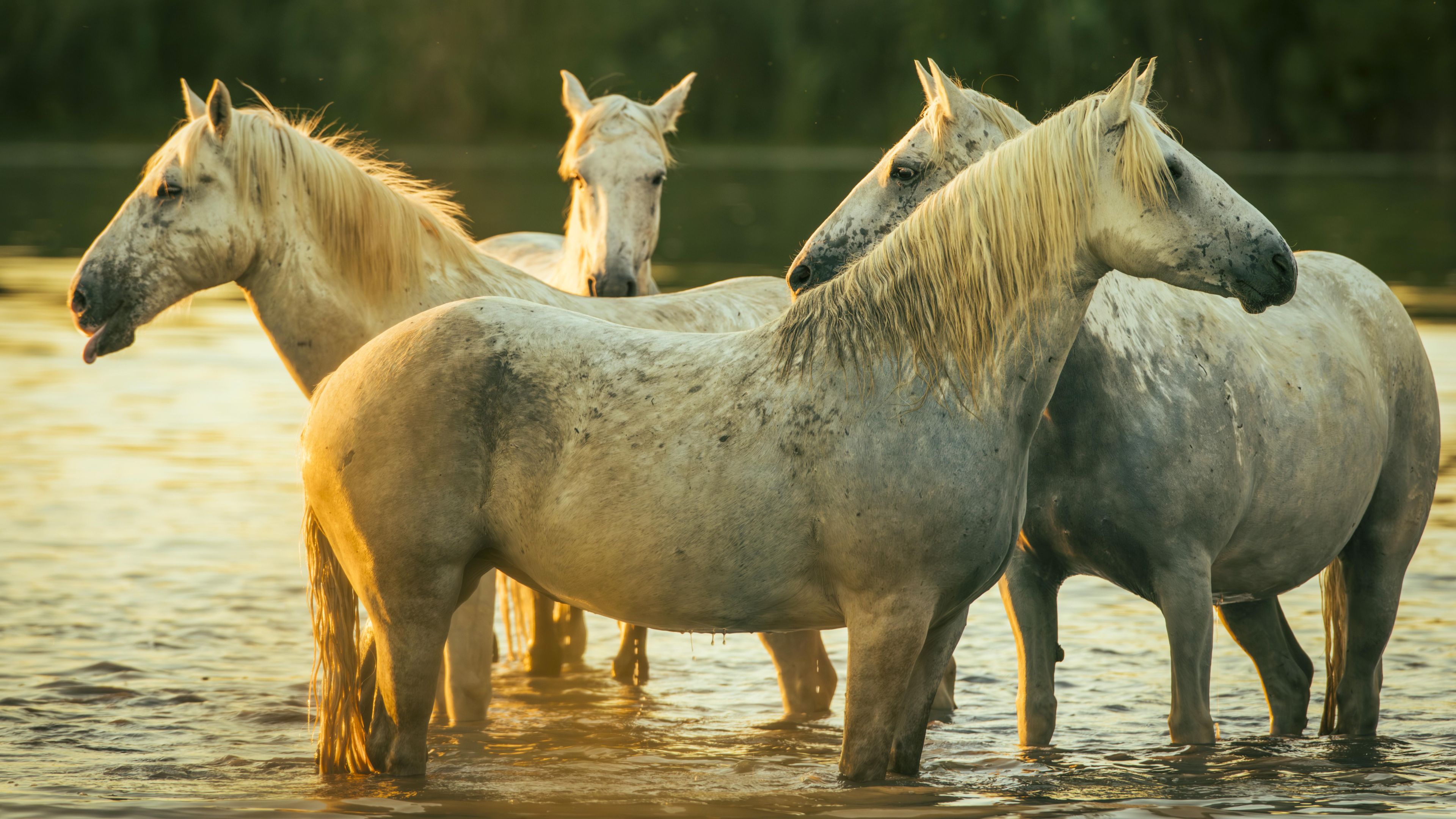
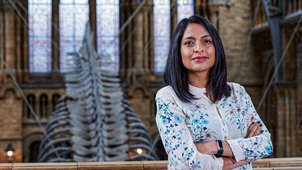
In the salt marshes of the Camargue, Chris explores the evolutionary beginnings of animal movement and how it reached its peak in one of the most elegant and athletic animals on Earth: the horse.
Hope you're finding these documentaries fascinating and eye-opening. It's just me, working hard behind the scenes to bring you this enriching content.
Running and maintaining a website like this takes time and resources. That's why I'm reaching out to you. If you appreciate what I do and would like to support my efforts, would you consider "buying me a coffee"?
BTC: bc1q8ldskxh4x9qnddhcrgcun8rtvddeldm2a07r2v
ETH: 0x5CCAAA1afc5c5D814129d99277dDb5A979672116
With your donation through , you can show your appreciation and help me keep this project going. Every contribution, no matter how small, makes a significant impact. It goes directly towards covering server costs.
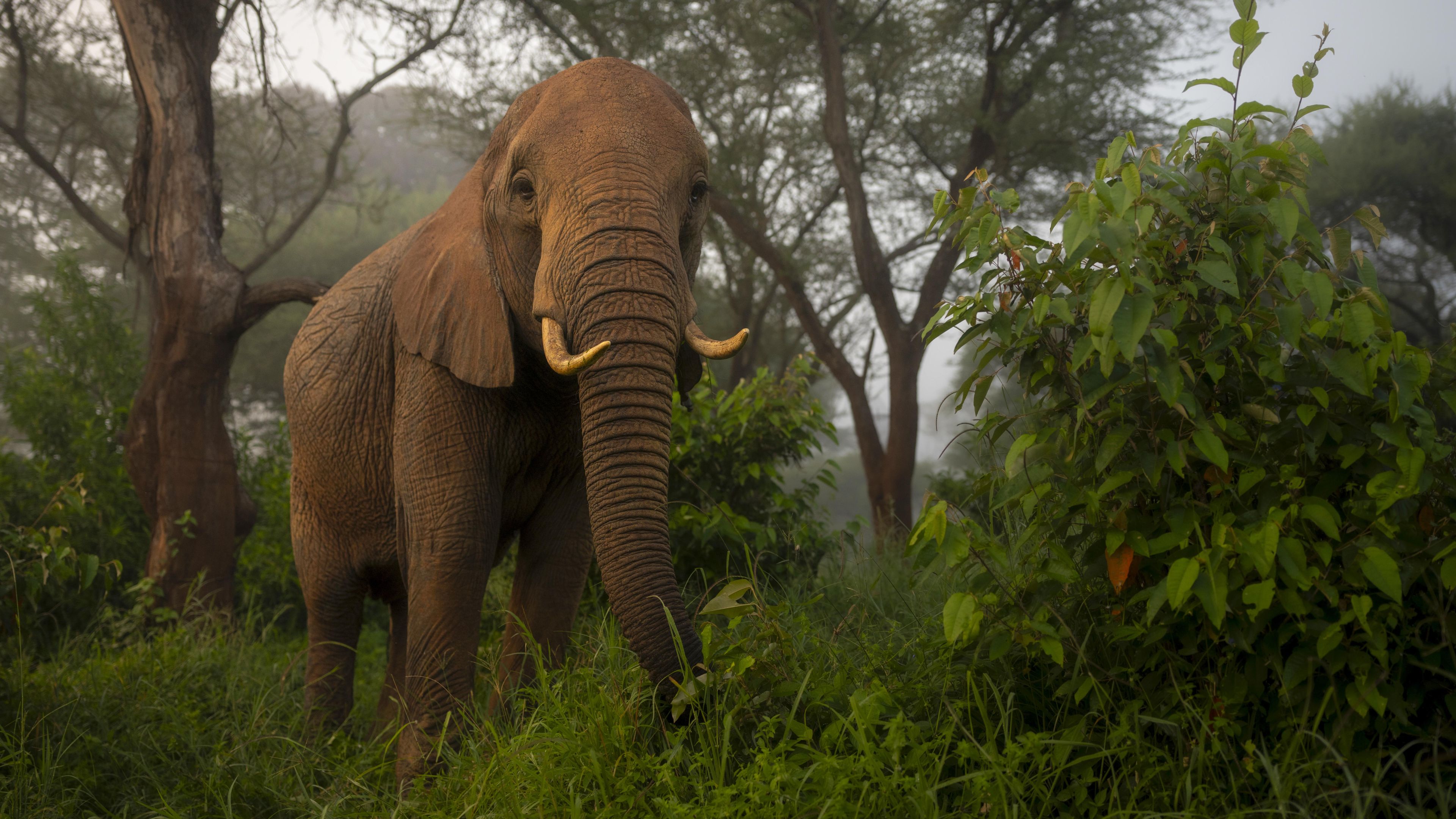
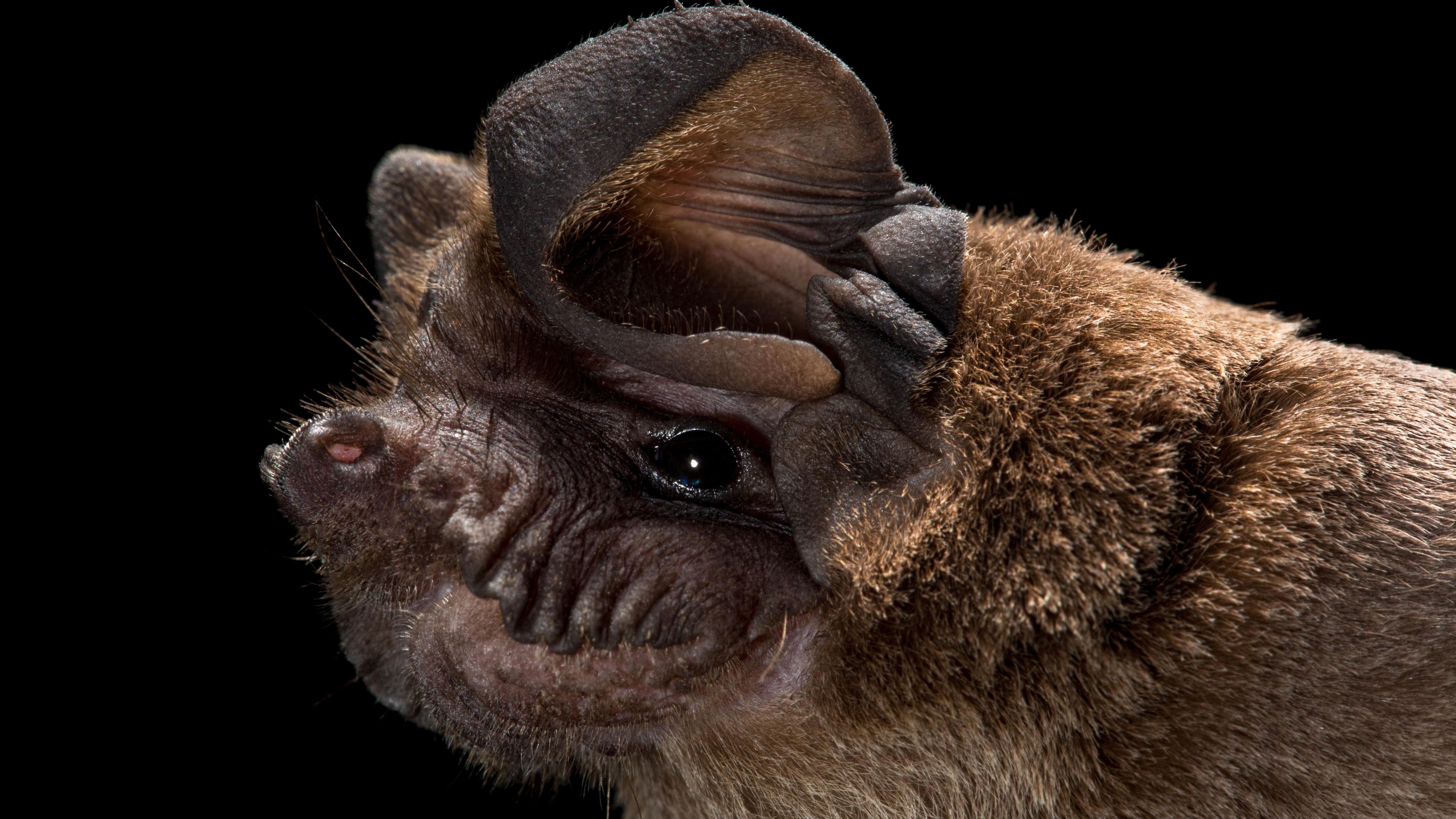
In Kenya, Chris embarks on a journey through time to uncover how a creature as vast, complex and charismatic as the elephant came to be. It's a story of innovations, lucky breaks and unlikely partnerships.
2026 • Nature
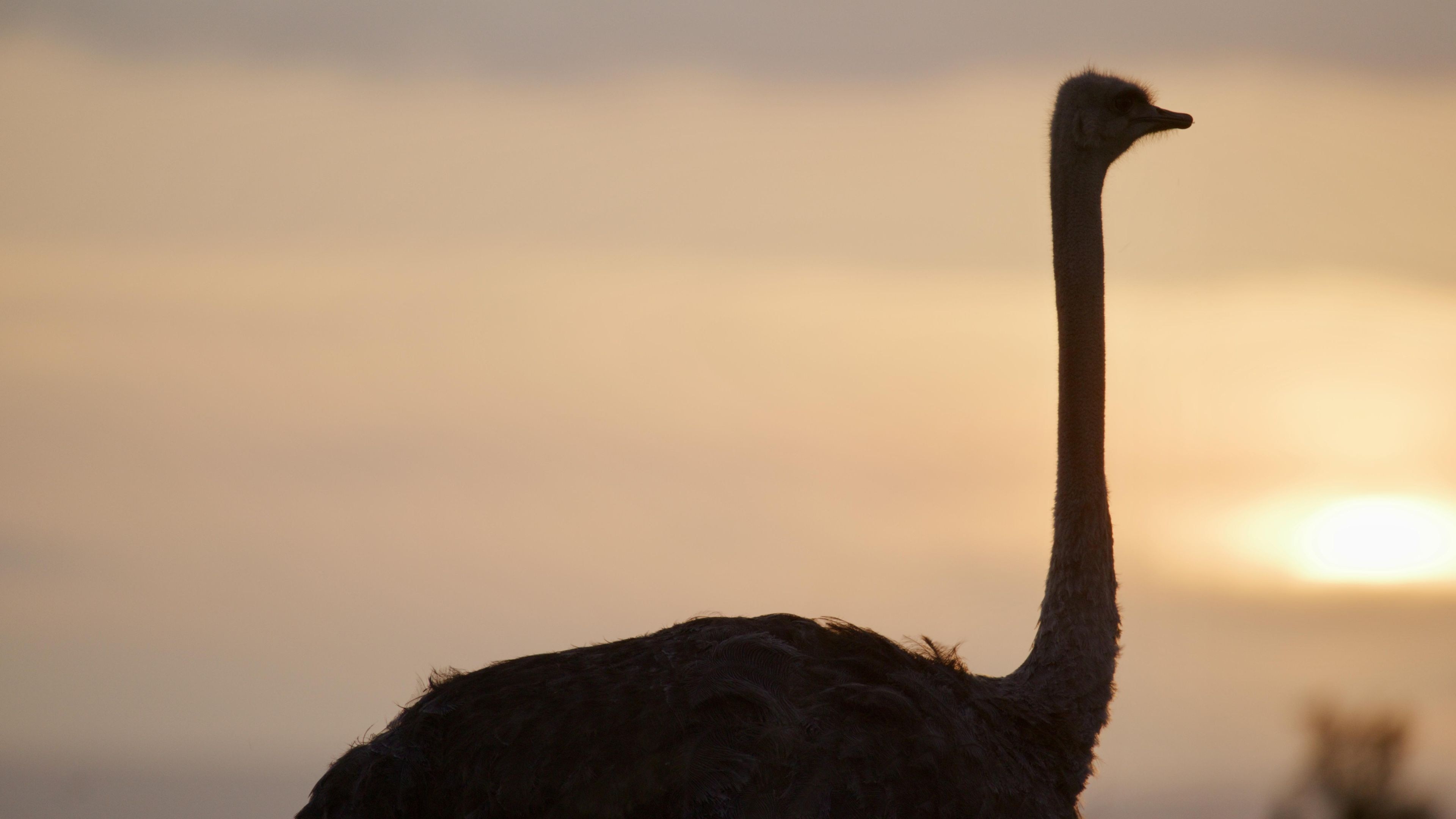
In South Africa, Chris finds out how reproduction has shaped life on Earth and the surprising evolutionary origins of sex, eggs and birds. This is a journey of innovation, adaptation and astonishing creativity.
2026 • Nature
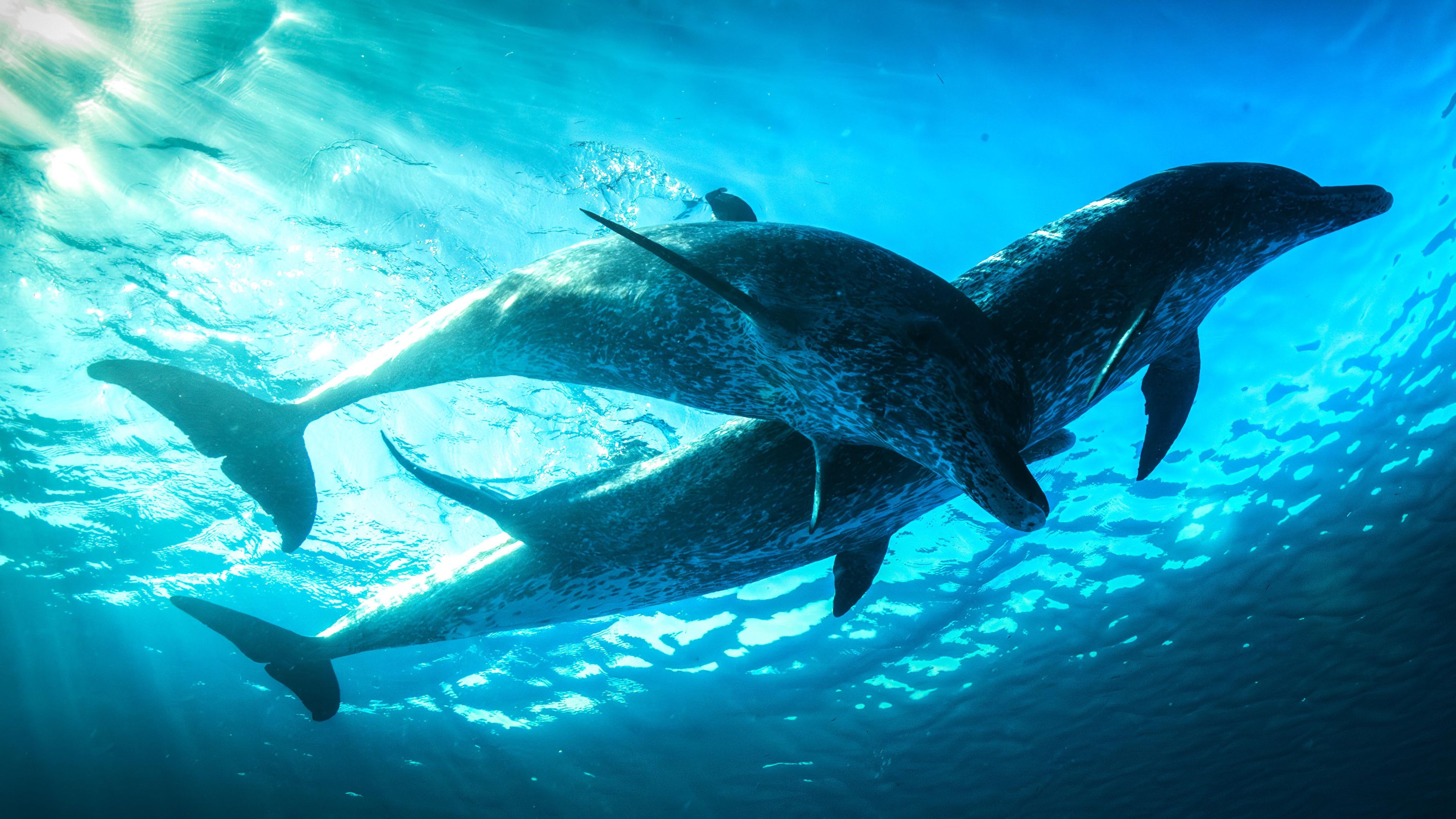
In the Bahamas, Chris dives into one of the biggest questions in nature - how intelligence itself evolved, and how it arose in the dolphin's mind. Inside each is the result of a three-billion-year journey.
2026 • Nature
Insects are very good at making more insects, but it's not easy. Insects are tiny creatures living in a big world. Partners must find each other to mate and the next generation must survive in a huge dangerous world.
S1E2 • Planet Insect • 2022 • Nature
Take a trip through the spectacularly diverse terrain of the Waterberg--a South African land so old it was formed before terrestrial life itself. Today, its sprawling grasslands are home to some of the most eclectic wildlife on Earth, all sustained by the region's abundant water supply.
S1E1 • Africa's Wild Horizons • 2017 • Nature
At the start of his journey, Attenborough meets some of the people and animals that have made their home along the river in Zambia. He is invited to witness the Kuomboka festival, featuring the Litunga, chief of the Lozi people of western Zambia, and his people. In the festival they migrate from Lealui to Limalunga, before Lealui is flooded by the Zambezi. The spectacular ceremony consists of a fleet of barges, many containing the Lotunga’s possessions, making the journey up the river accompanied by heavy drumming of the royal Maoma drums. Other highlights include David Attenborough joining the Litunga as he opens the court and presides over the inauguration ceremony.
The broadcaster continues his bug-eyed view of the world of creepy-crawlies, revealing how predators defuse the defences of their prey. Highlights include the cockroach wasp, busy preparing a tasty - and very live - treat for its young, the whirligig beetle, which employs a water-based radar system, and the jumping Portia spider, which feeds on other arachnids.
2 • Micro Monsters with David Attenborough • 2013 • Nature
Have you ever wondered what would happen to life on earth if a doomsday event killed every human on the planet?
Steve Backshall leads a team of elite explorers - including world leading underwater cave explorer Robbie Schmittner, former Royal Marine Aldo Kane and diving camera operator Katy Fraser - into the wilds of the Yucatan Peninsula in Mexico. Under the vast jungle here is the largest unexplored network of caves in the world, comprising thousands of kilometres of passageways. They are stunningly beautiful but incredibly dangerous - much of the system is under water. First the team must trek through tough, scorpion-infested jungle to camp alongside a giant sinkhole in the jungle floor - a dark gateway to an underworld full of nightmarish creatures.