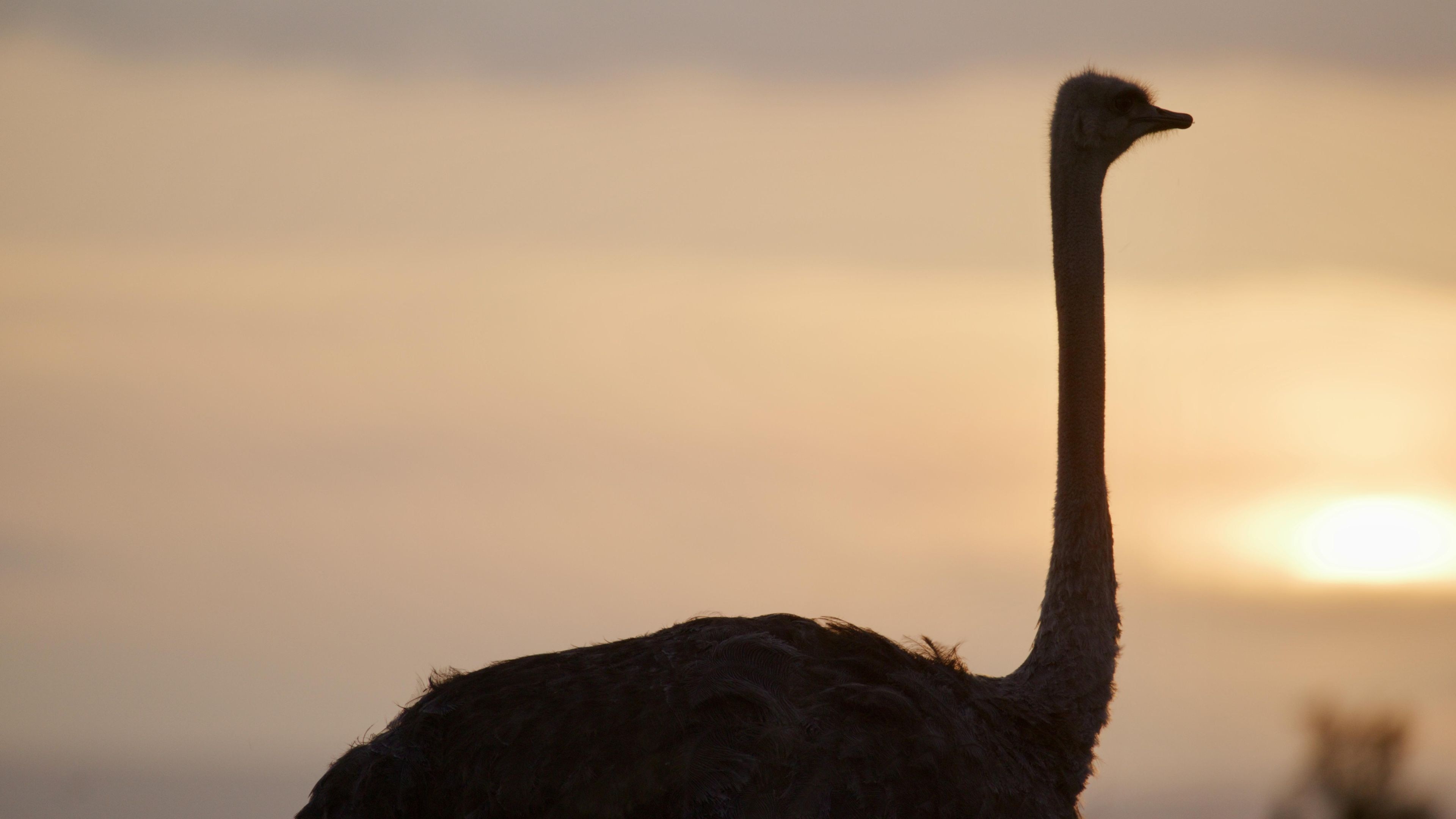
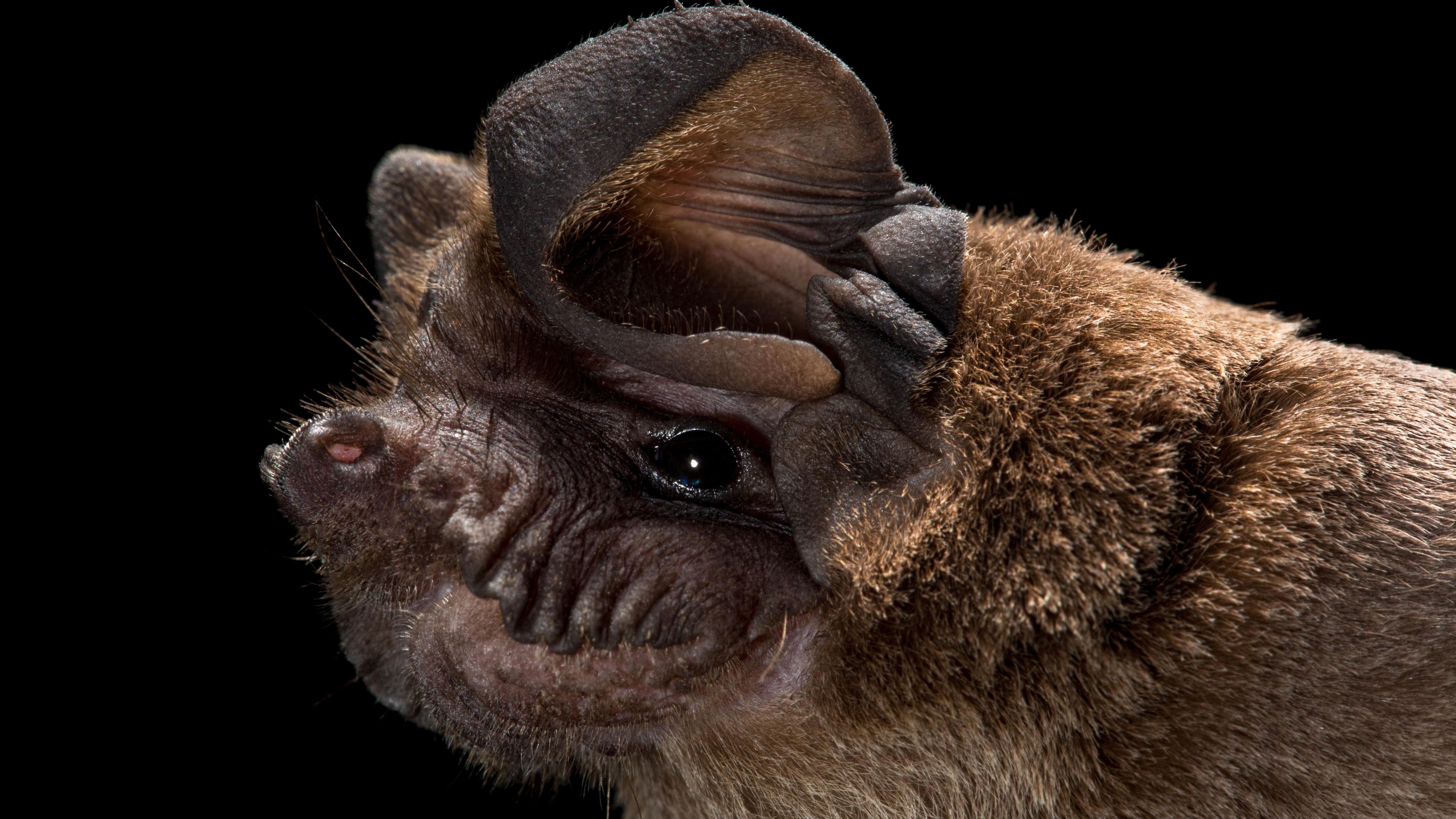
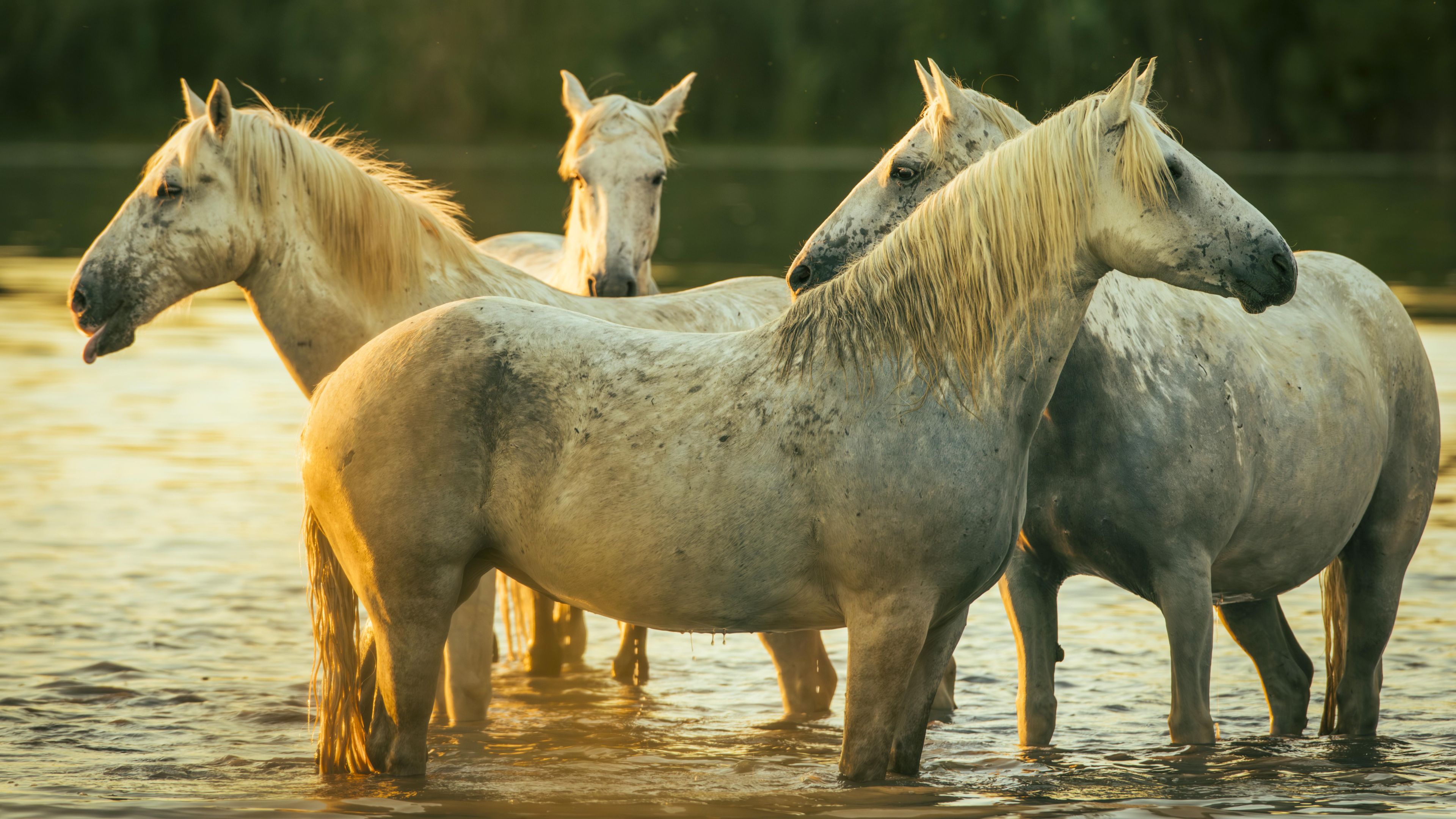
In South Africa, Chris finds out how reproduction has shaped life on Earth and the surprising evolutionary origins of sex, eggs and birds. This is a journey of innovation, adaptation and astonishing creativity.
Hope you're finding these documentaries fascinating and eye-opening. It's just me, working hard behind the scenes to bring you this enriching content.
Running and maintaining a website like this takes time and resources. That's why I'm reaching out to you. If you appreciate what I do and would like to support my efforts, would you consider "buying me a coffee"?
BTC: bc1q8ldskxh4x9qnddhcrgcun8rtvddeldm2a07r2v
ETH: 0x5CCAAA1afc5c5D814129d99277dDb5A979672116
With your donation through , you can show your appreciation and help me keep this project going. Every contribution, no matter how small, makes a significant impact. It goes directly towards covering server costs.
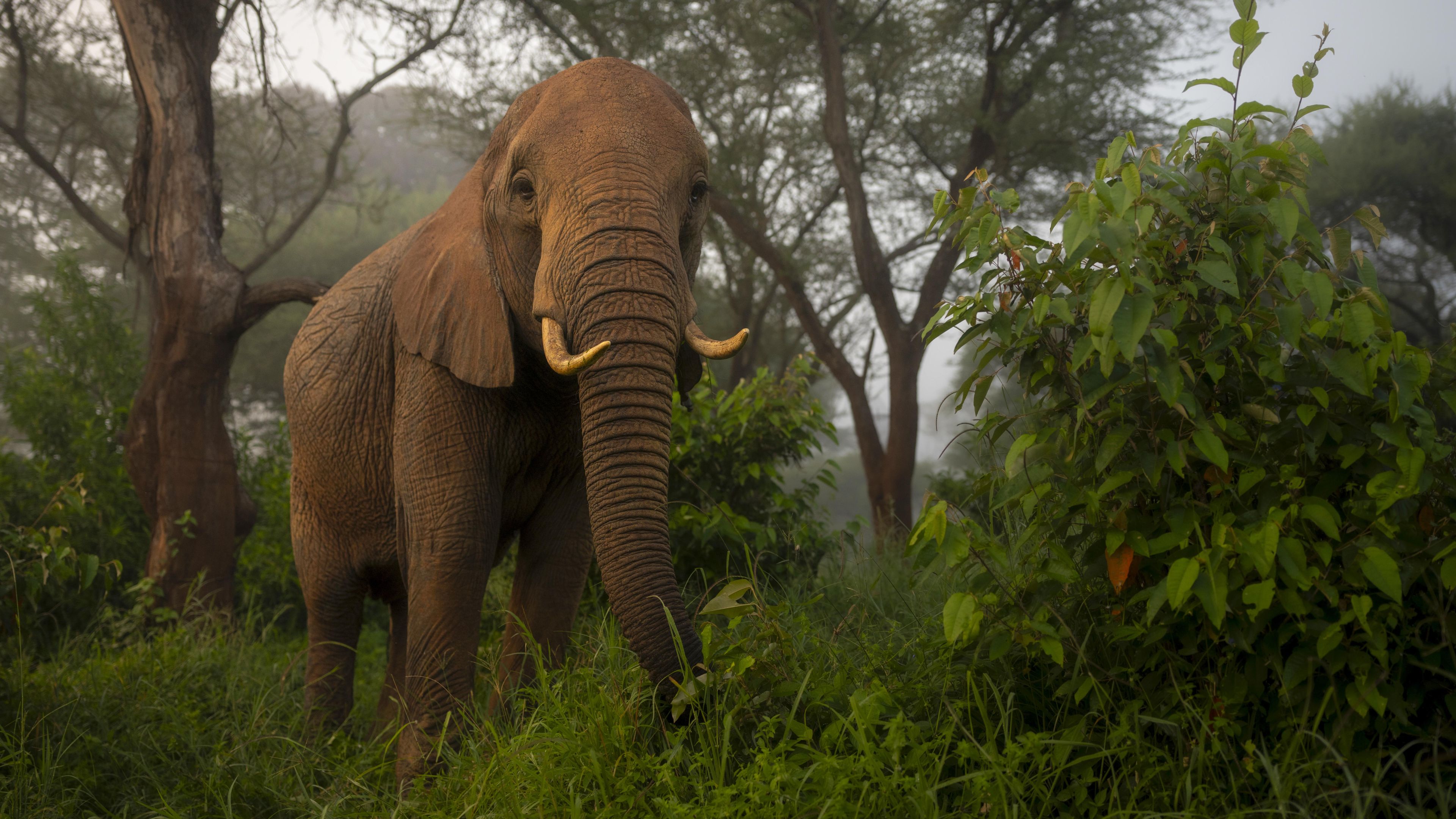
In Kenya, Chris embarks on a journey through time to uncover how a creature as vast, complex and charismatic as the elephant came to be. It's a story of innovations, lucky breaks and unlikely partnerships.
2026 • Nature
In South Africa, Chris finds out how reproduction has shaped life on Earth and the surprising evolutionary origins of sex, eggs and birds. This is a journey of innovation, adaptation and astonishing creativity.
2026 • Nature
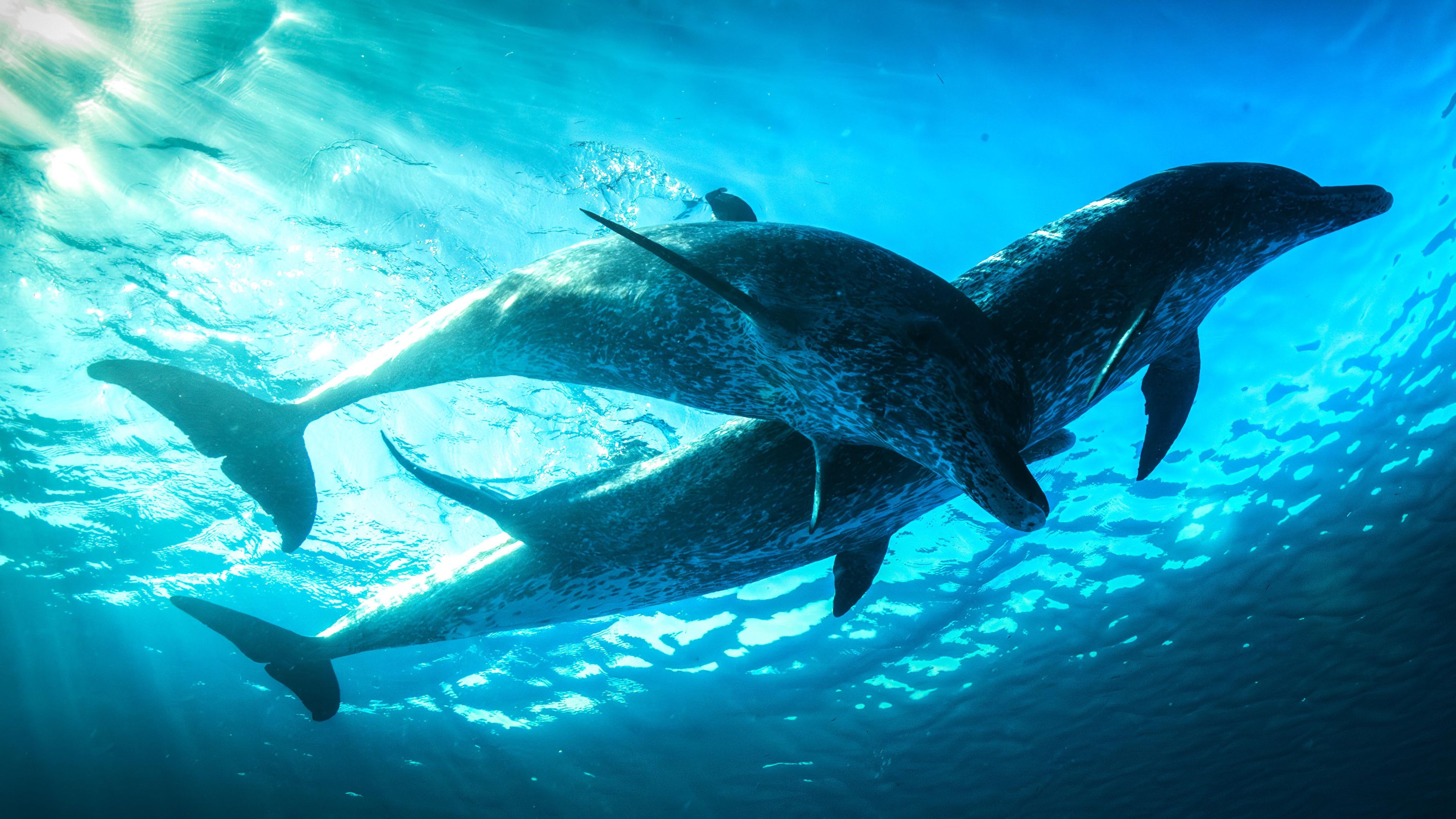
In the Bahamas, Chris dives into one of the biggest questions in nature - how intelligence itself evolved, and how it arose in the dolphin's mind. Inside each is the result of a three-billion-year journey.
2026 • Nature
The final episode deals with the evolution of the most widespread and dominant species on Earth: humans. The story begins in Africa, where, some 10 million years ago, apes descended from the trees and ventured out into the open grasslands in search of food. They slowly adapted to the habitat and grew in size. Their acute sense of vision led to them standing erect to spot predators, leaving their hands free to bear weapons. In addition, the primitive apemen also had stones that were chipped into cutting tools. Slowly, they grew taller and more upright, and their stone implements became ever more elaborate.
13/13 • Life on Earth • 1979 • Nature
The documentary series reveals the extraordinary riches and wonders of the Polar Regions that have kept people visiting them for thousands of years. Today, their survival relies on a combination of ancient wisdom and cutting-edge science. Most Arctic people live in Siberia, either in cities like Norilsk - the coldest city on earth - or out on the tundra, where tribes like the Dogan survive by herding reindeer, using them to drag their homes behind them. On the coast, traditional people still hunt walrus from open boats - it is dangerous work, but one big walrus will feed a family for weeks. Settlers are drawn to the Arctic by its abundant minerals; the Danish Armed Forces maintain their claim to Greenland's mineral wealth with an epic dog sled patrol, covering 2,000 miles through the winter. Above, the spectacular northern lights can disrupt power supplies so scientists monitor it constantly, firing rockets into it to release a cloud of glowing smoke 100 kilometres high. In contrast, Antarctica is so remote and cold that it was only a century ago that the first people explored the continent. Captain Scott's hut still stands as a memorial to these men. Science is now the only significant human activity allowed; robot submarines are sent deep beneath the ice in search of new life-forms, which may also be found in a labyrinth of ice caves high up on an active volcano. Above, colossal balloons are launched into the purest air on earth to detect cosmic rays. At the South Pole there is a research base designed to withstand the world's most extreme winters. Cut off from the outside world for six months, the base is totally self-sufficient, even boasting a greenhouse.
S1E6 • Frozen Planet • 2011 • Nature
Once life arrived in the Galapagos, it exploded into unique and spectacular forms. David Attenborough investigates the driving forces behind such evolutionary innovations. We learn that life must be able to adapt quickly in these ever-changing volcanic landscapes. It has resulted in species found nowhere else in the world, such as giant whale sharks and marine iguanas that can spit sea-salt from their noses, dandelion seeds that grow into tree-sized plants and spiders that can blend perfectly into the darkness. Adaptation has been the key to survival in these islands so far, but the story of life in the Galapagos doesn’t end here. The catalyst that triggers these explosions of life remains in place.
S1E2 • Galapagos with David Attenborough • 2010 • Nature
A journey through an underground cave in North America turns perilous when a young Triceratops is separated from its mother.
S1E5 • Prehistoric Planet • 2022 • Nature
There's a whole world, and more than one spectrum of sensations that animals are aware of, which surpass humans. There's a kind of "sixth sense" that some animals have, which still defies explanation. Call it extra-sensory perception animal abilities we can't entirely explain.
S1E6 • Animal Super Senses • 2020 • Nature
Slip through millennia-old caves in the Yucatan Peninsula of Mexico. These spooky, labyrinth-like places were considered magical as early as the Mayan era. Plus you can hitch a ride with sucker fish, dodge gigantic ocean devil fish and be entranced by the dance of a majestic 6-metre long manta ray.
Part 6 • The Magic of The Big Blue • 2011 • Nature