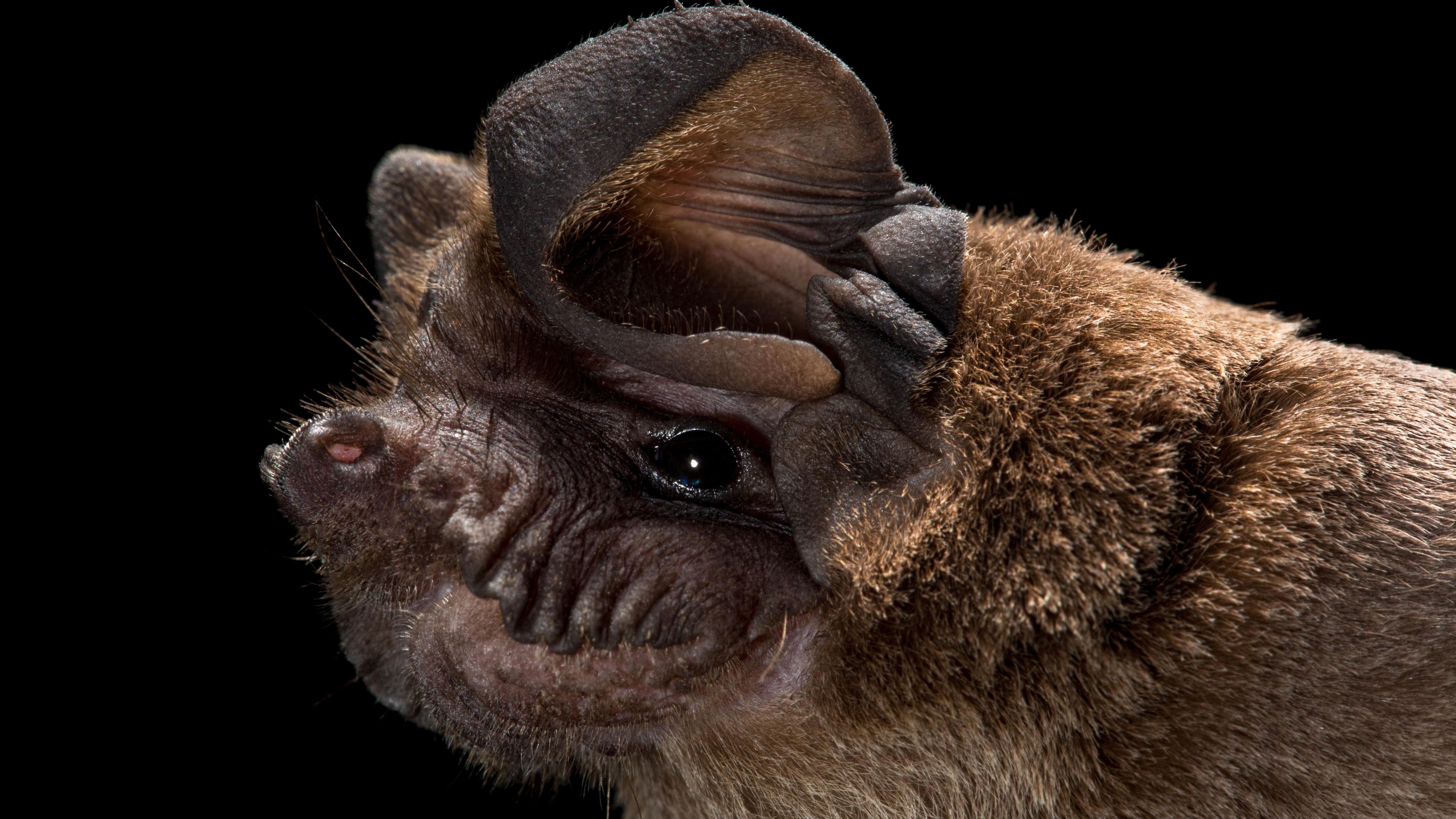
In Borneo, Chris sets out to answer a deceptively simple question: how the drive to find food shaped life on Earth, and gave rise to one of nature’s most insatiable feeders. This feeding frenzy has origins from half a billion years ago.
Hope you're finding these documentaries fascinating and eye-opening. It's just me, working hard behind the scenes to bring you this enriching content.
Running and maintaining a website like this takes time and resources. That's why I'm reaching out to you. If you appreciate what I do and would like to support my efforts, would you consider "buying me a coffee"?
BTC: bc1q8ldskxh4x9qnddhcrgcun8rtvddeldm2a07r2v
ETH: 0x5CCAAA1afc5c5D814129d99277dDb5A979672116
With your donation through , you can show your appreciation and help me keep this project going. Every contribution, no matter how small, makes a significant impact. It goes directly towards covering server costs.
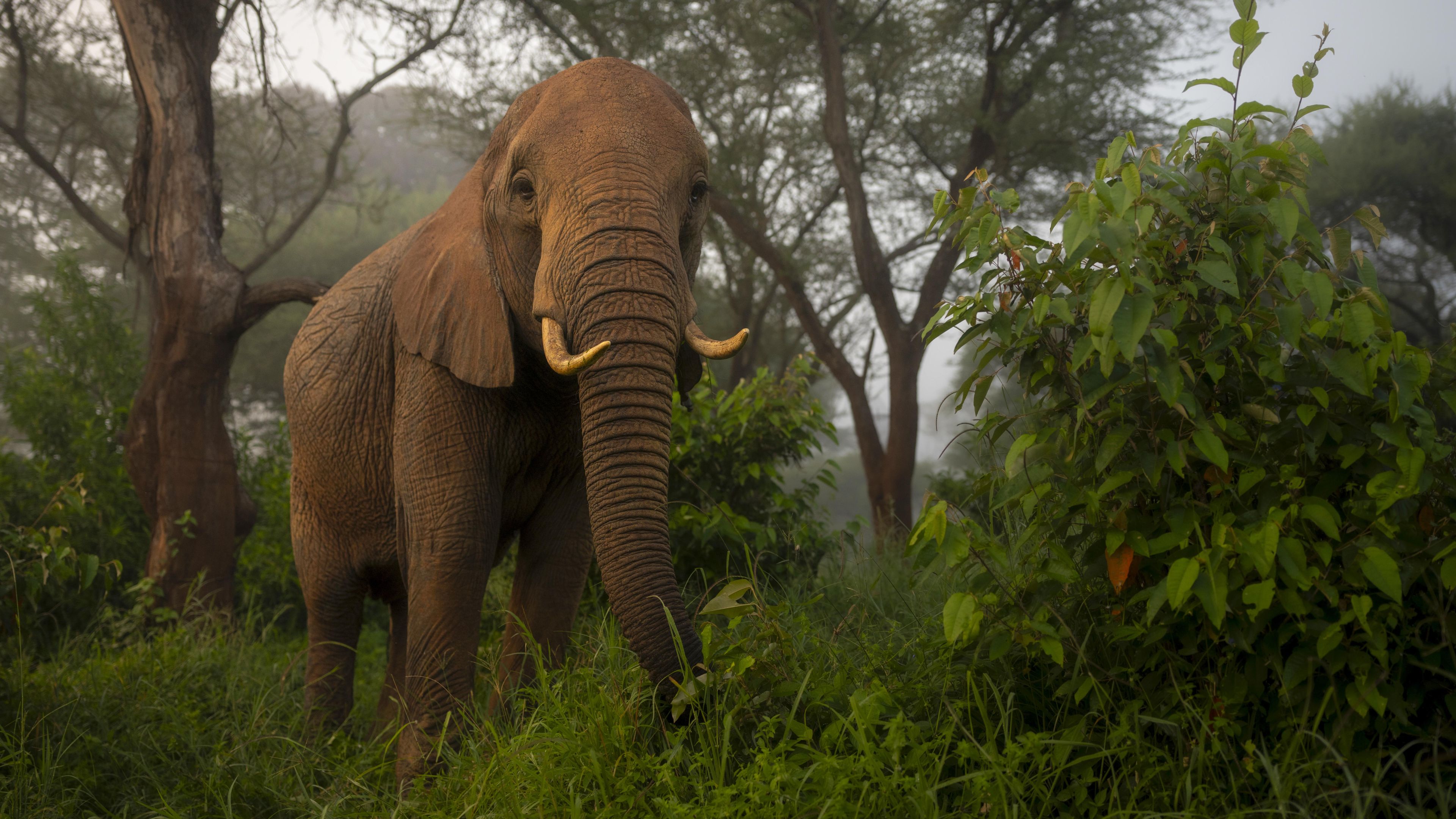
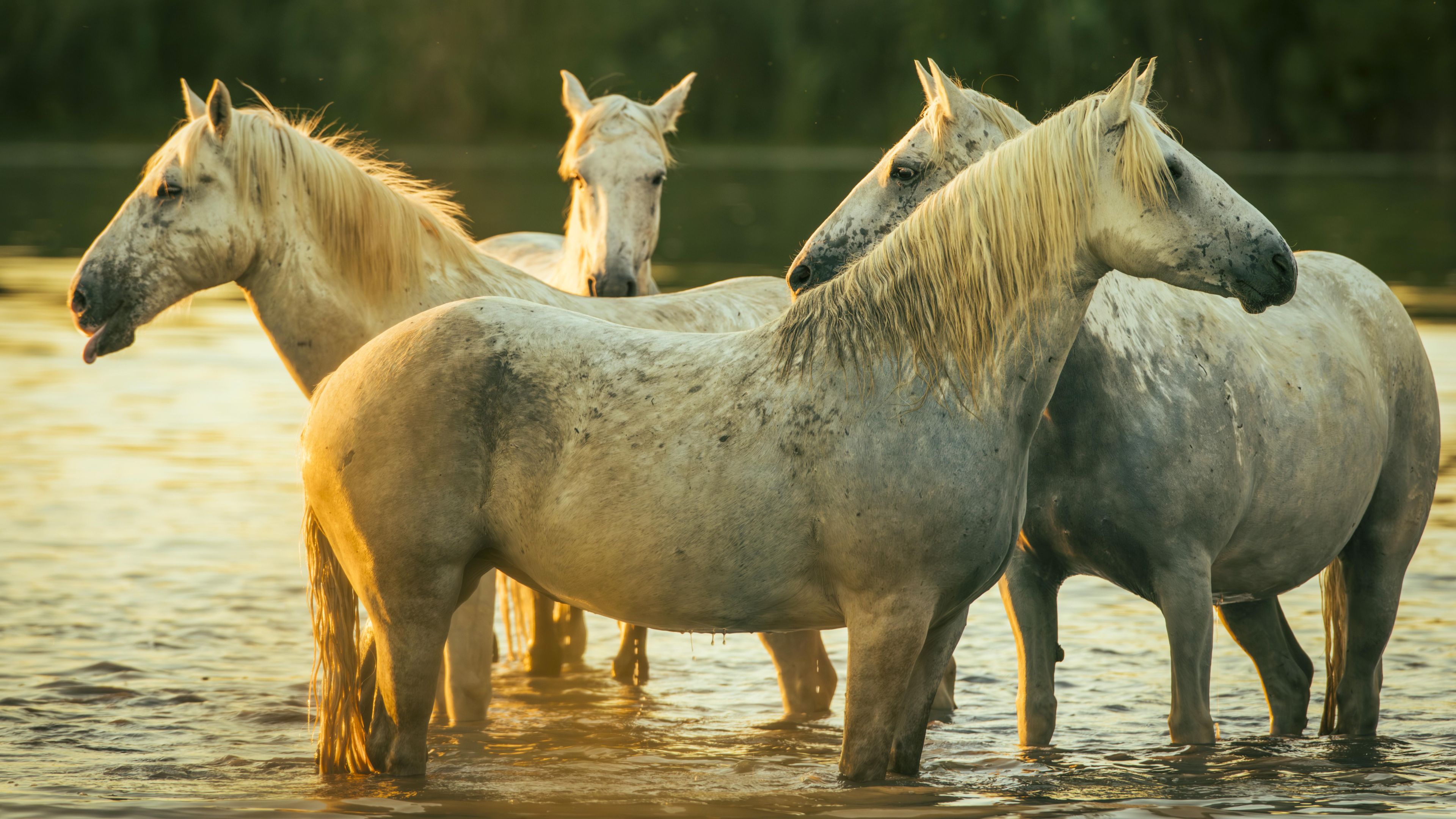
In Kenya, Chris embarks on a journey through time to uncover how a creature as vast, complex and charismatic as the elephant came to be. It's a story of innovations, lucky breaks and unlikely partnerships.
2026 • Nature
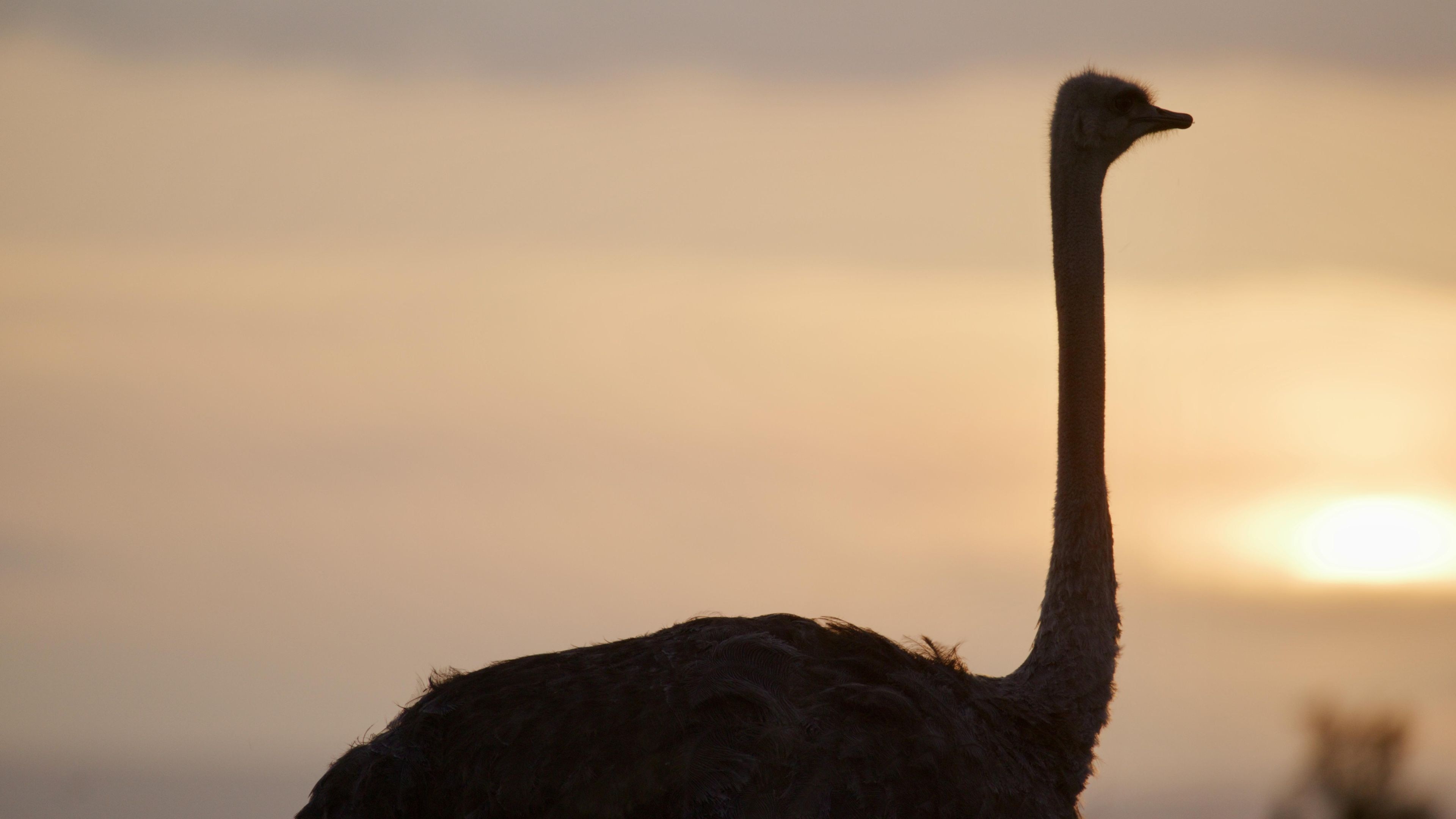
In South Africa, Chris finds out how reproduction has shaped life on Earth and the surprising evolutionary origins of sex, eggs and birds. This is a journey of innovation, adaptation and astonishing creativity.
2026 • Nature
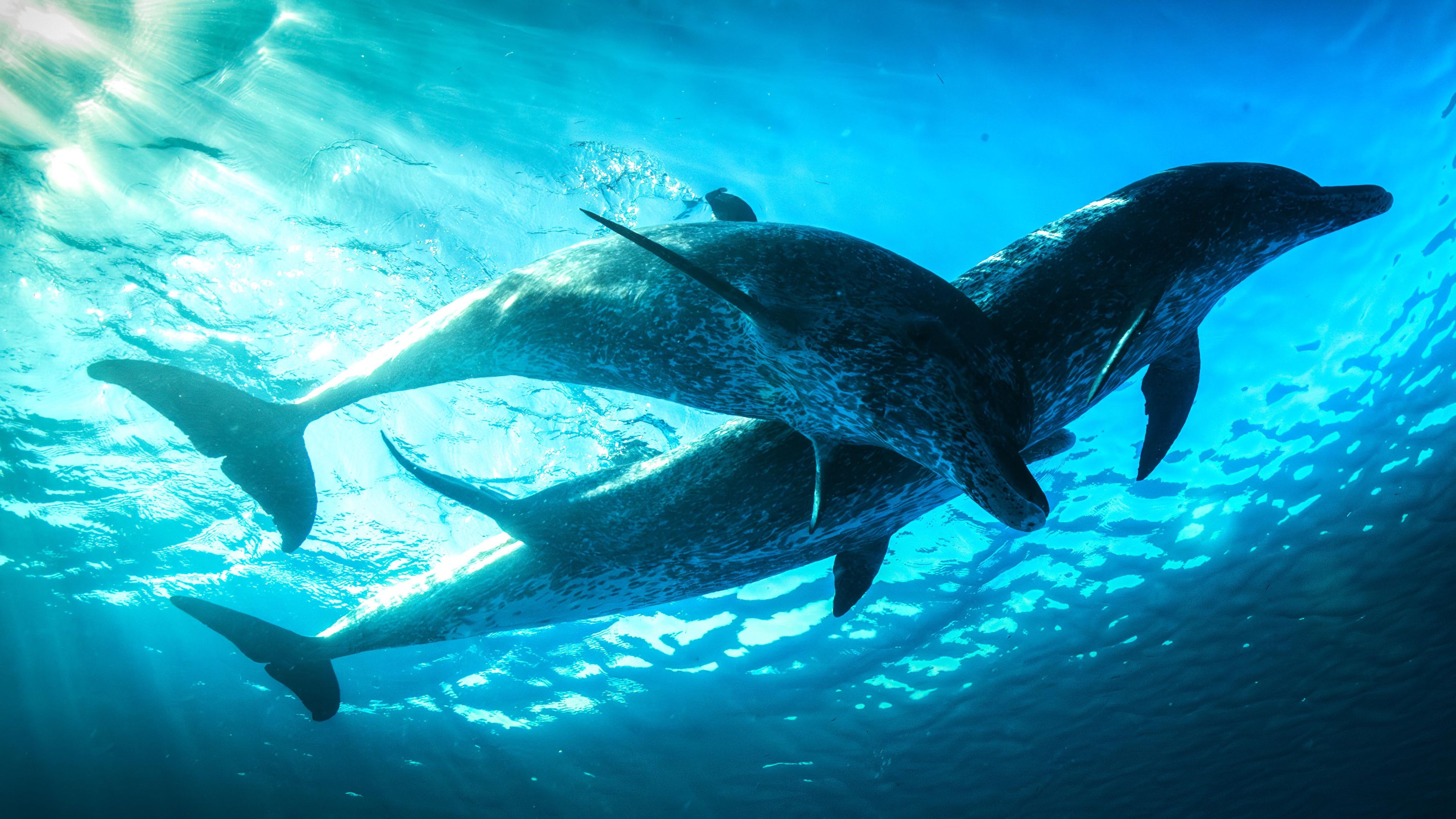
In the Bahamas, Chris dives into one of the biggest questions in nature - how intelligence itself evolved, and how it arose in the dolphin's mind. Inside each is the result of a three-billion-year journey.
2026 • Nature
Starts in NASA's gravity research aircraft to illustrate the effect of weightlessness. There are surprisingly many plants whose seeds are, in effect, lighter than air.
7/12 • The Living Planet • 1984 • Nature
The Maldives are the lowest country in the world-and getting lower, due to rising sea levels. Especially at risk is the island's reef system, the biggest in the Indian Ocean, with over 200 types of coral and thousands of tropical fish species. Witness the race to preserve this marine paradise from the ravages of climate change.
13 • Great Blue Wild • 2017 • Nature
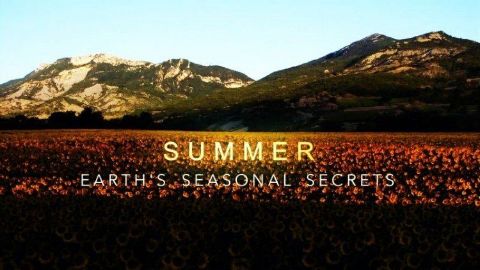
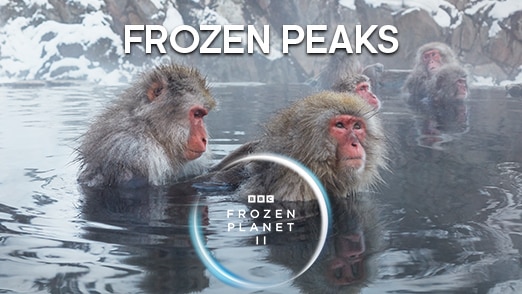
Andrew Scott narrates a special programme which celebrates winter and explores how animals and plants rise to the challenges it brings. With their world encased in snow and ice, animals must find the most inventive ways to survive and even benefit from the cold. Caribou become ice road travellers as it gets slippery underfoot, stoats make their own fur bedding, and snow monkeys find a warm bath. Emperor penguins are built for the cold weather, but even they must find their own tricks to endure the world's most savage winter.
S1E3 • Earth's Seasonal Secrets • 2016 • Nature
A seahorse blends perfectly into its coral surroundings, while a male day octopus hides to avoid the female's cannibalistic impulses. Meanwhile, cuttlefish change color to both attract mates and ward off rivals. Explore the Gulf of Oman, a kaleidoscope of color coordination, starring the dazzling masqueraders of the Arabian Sea.
S1E2 • Arabian Seas • 2018 • Nature
Steve Backshall leads a team of elite explorers - including world leading underwater cave explorer Robbie Schmittner, former Royal Marine Aldo Kane and diving camera operator Katy Fraser - into the wilds of the Yucatan Peninsula in Mexico. Under the vast jungle here is the largest unexplored network of caves in the world, comprising thousands of kilometres of passageways. They are stunningly beautiful but incredibly dangerous - much of the system is under water. First the team must trek through tough, scorpion-infested jungle to camp alongside a giant sinkhole in the jungle floor - a dark gateway to an underworld full of nightmarish creatures.
Chris Packham reveals that deceit is rife in the natural world – from cunning masters of disguise and sneaky thieves, to kidnapping otters and even femme fatale fireflies.
S1E5 • Chris Packham's Animal Einsteins • 2021 • Nature