A look at the possibility that zombie spiders are real and why would a pod of beluga whales adopt a unicorn of the sea.
Hope you're finding these documentaries fascinating and eye-opening. It's just me, working hard behind the scenes to bring you this enriching content.
Running and maintaining a website like this takes time and resources. That's why I'm reaching out to you. If you appreciate what I do and would like to support my efforts, would you consider "buying me a coffee"?
BTC: bc1q8ldskxh4x9qnddhcrgcun8rtvddeldm2a07r2v
ETH: 0x5CCAAA1afc5c5D814129d99277dDb5A979672116
With your donation through , you can show your appreciation and help me keep this project going. Every contribution, no matter how small, makes a significant impact. It goes directly towards covering server costs.
A look at what would dare take on the ocean's deadliest predator, why a spider lights up like a Christmas tree, and why a wild animal begins to deliver unwanted newspapers like a paperboy.
2019 • Nature
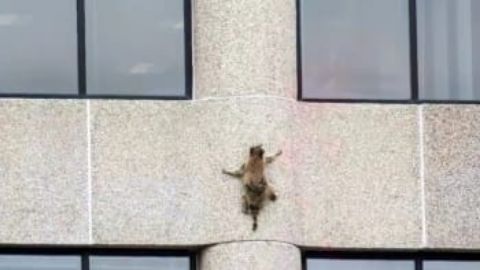
A look at why a raccoon would scale a 25-story skyscraper, why one mother duck would have a super-sized flock of 76 ducklings, and what would motivate a bird to feed a school of fish.
2019 • Nature
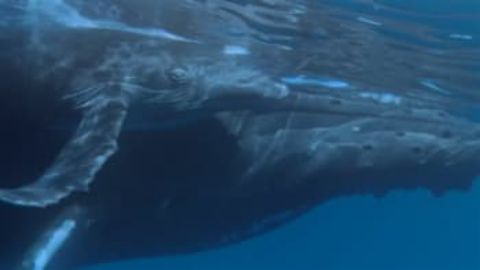
A look at why a humpback whale would hold a diver hostage, how a colony of 1.5 million animals hide from the world in plain sight, and how a surprising stash of acorns could disrupt a whole town.
2019 • Nature
A look at why a skunk would do a handstand, why 5,000 birds fell from the sky in Arkansas, and what would make a frog flash like a lighthouse.
2019 • Nature
A look at if fish really can predict earthquakes and why eggs are egg shaped.
2019 • Nature
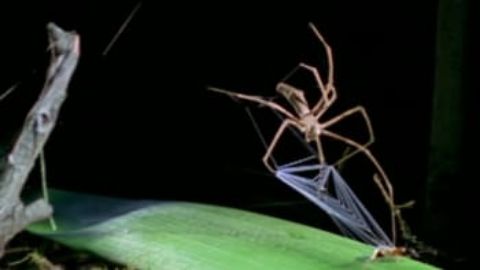
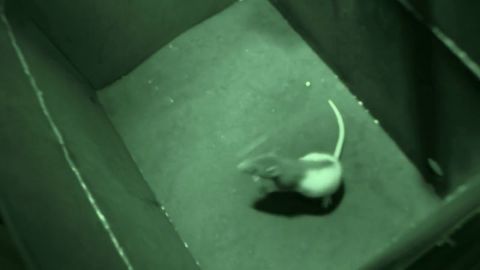
A look at the possibility that zombie spiders are real and why would a pod of beluga whales adopt a unicorn of the sea.
2019 • Nature
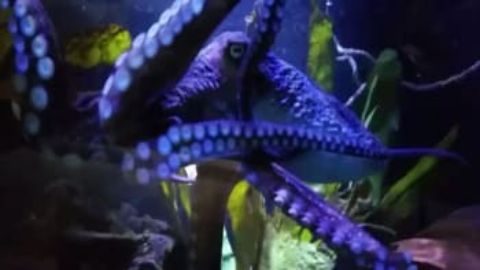
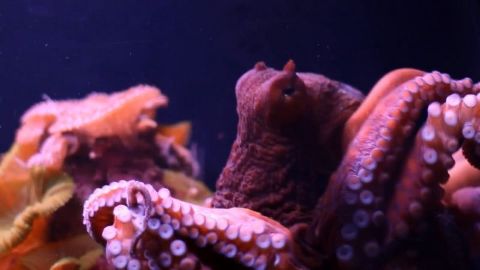
A look at how a bird could sing without using its voice and how an octopus could simply disappear from his aquarium tank.
2019 • Nature
A look at what could make an animal vanish into thin air, what could cause the sea to take on an eerie glow, and what event would bring killer whales together in huge numbers.
2019 • Nature
A look at what animals are breaking into thousands of cars every year, how ants form a ten-foot bridge using only their bodies, and why did the fish cross the road.
2019 • Nature
A look at how spiders covered a town in webs overnight and why a lake in South America is the lightning capital of the world.
2019 • Nature
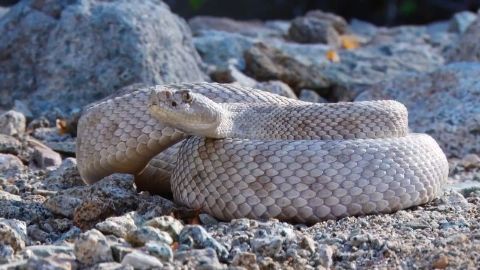
Is it possible that a snake could exist totally undetected? What has brought this big cat fight to ear piercing decibels? Why is this lone dolphin getting muddy?
2019 • Nature
How did a moose get stuck in an apple tree? Why is a crow snowboarding on a jam jar lid? Is Yellowstone's super volcano about to erupt?
2019 • Nature
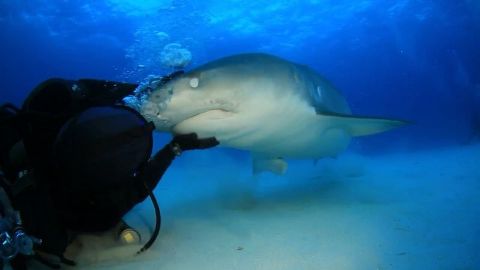
A look at what would cause a ferocious tiger shark to cuddle up with a diver and why pigs are swimming in the Caribbean; and what mysterious blobs have washed up by the thousands on the shores of Oregon.
2019 • Nature
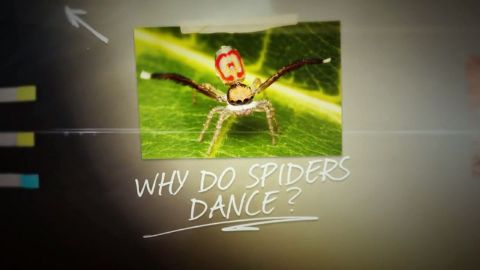
A look at why some spiders disco dance; a mysterious creature is preying on Europe's sheep; a whole town is engulfed by bubbling foam.
2019 • Nature
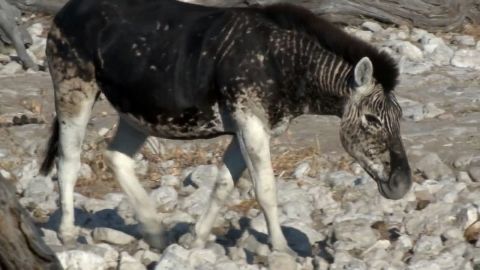
A look at why goats risk life and limb to climb an almost vertical dam wall; a zebra has no stripes; a school of fish swarm a diver.
2019 • Nature
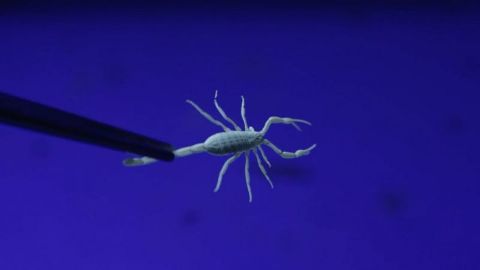
A look at why a leopard let its dinner escape; an ominous dark mass looming over an Icelandic lake; some scorpions glow in the dark.
2019 • Nature
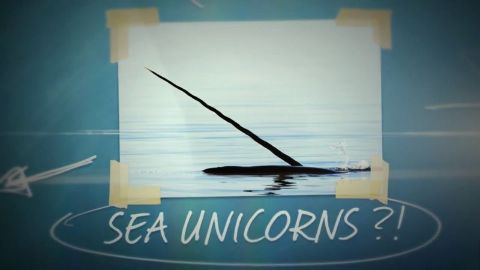
Narwhals are the unicorns of the sea, but what is the point of those tusks? What could swallow 50-foot trees in seconds? What animal has changed the face of Yellowstone?
2019 • Nature
Where would you go to find an enchanted underwater forest? How come some Mexican rattlesnakes have lost their rattle? And why does an Indian elephant look like its smoking cigarettes?
2019 • Nature
A look at why a seal throw an octopus at a kayaker; why a moth is drinking from the eye of a bird in the Amazon jungle and what surprising creature has been leaping out of the Irish Sea.
2019 • Nature
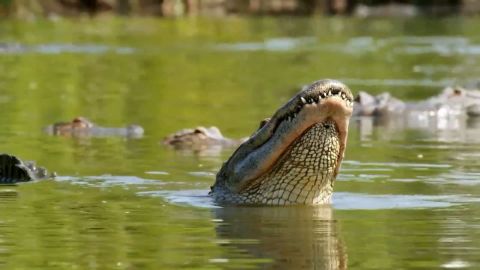
A look at how a dung beetle standing on its head can roll a ball in a straight line; if egrets ever regret hanging out next to hungry alligators; and what ghostly creature was caught on camera 3000 feet below the ocean's surface.
2019 • Nature
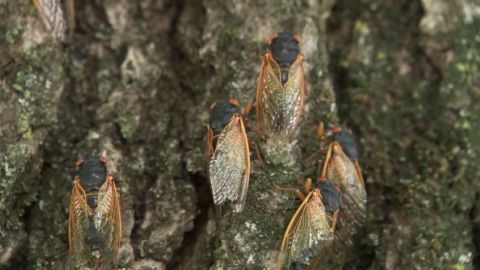
A look at how bats avoid bumping into each other at night; why a bottlenose dolphin seeks out the help of a scuba diver; are cicadas expert mathematicians.
2019 • Nature
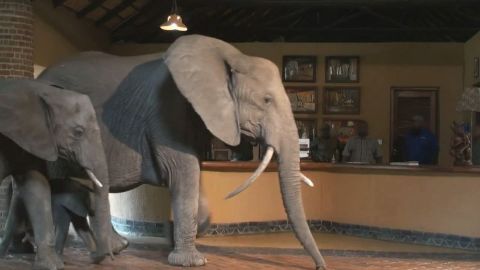
A look at why a herd of wild elephants check into the same hotel every year and what is causing giant bubble rings off the coast of Portland, Maine.
2019 • Nature
A look at which animals get the giggles; what would cause the sea lions of San Francisco to mysteriously swim away all at once, manta rays that synchronize swim.
2019 • Nature
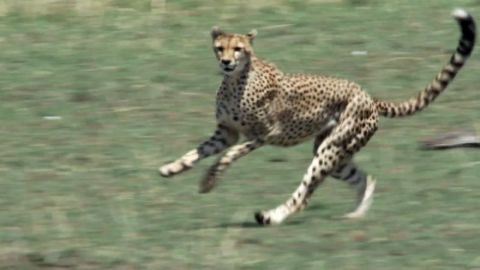
A look at what causes a pair of giraffes to turn white; why are millions of birds creating crazy patterns; why would the world's fastest land animal give up the hunt.
2019 • Nature
Sir David Attenborough joins an archaeological dig uncovering Britain’s biggest mammoth discovery in almost 20 years. In 2017, in a gravel quarry near Swindon, two amateur fossil hunters found an extraordinary cache of Ice Age mammoth remains and a stone hand-axe made by a Neanderthal. Professor Ben Garrod joins the team at DigVentures during the excavation as they try to discover why the mammoths were here and how they died. Could the Neanderthals have killed these Ice Age giants?
2021 • Nature
Discover a land of hauntingly beautiful coasts, magical forests, and volcanic and arctic extremes - and the lynx, orcas, puffins and wolves who call this frozen kingdom home. Chapter 1: Life on the Edge Wild and unpredictable, the Scandinavian coast is a place of haunting beauty and dangerous extremes - a journey from storm-swept islands crowded with seal pups to 3,000ft deep fjords where sea eagles fly and base jumpers parachute from the edge. In the far north, tropical currents and Arctic seas collide, creating riches - billions of herring tracked by orcas and humpback whales - while providing a home to thousands of seabirds, including the feisty puffin. Chapter 2: Heartlands Great forests form the heart of Scandinavia, stretching towards the Arctic and cutting through with a labyrinth of waterways. Incredible creatures like lynxes, wolves, bears and reindeer must survive the ever-changing seasons - from the chilling grip of winter to the warm riches of summer. Here, all life is deeply interconnected through surprising and ancient partnerships, creating a balance that has evolved over millennia. Chapter 3: Ice and Fire Scandinavia's northern extremes have been shaped by ice and fire, but it's the sun that reigns over these frozen kingdoms. Here, musk oxen, polar bears and arctic foxes must endure the long, dark polar night, but in spring, the sun's return ignites a dramatic transformation in the landscape and heralds the return of thousands of migrant visitors. Under the midnight sun, the north bursts into a sleepless rush of life and opportunity, a race against time to raise a family, but for some, it's the summer heat which brings the greatest dangers before the first frost and winter's welcome return.
2023 • Nature
In the misty and lush tropical forest surrounding South Africa's Soutpansberg Mountains, a 600-year-old outeniqua yellowwood tree reigns supreme. It's 115 feet tall, and a source of food and shelter for an array of plants and animals. Crowned eagles construct massive nests in her fold, and Samango monkeys take refuge in her branches. As if it wasn't unique enough, this ancient, endangered tree has no flowers, instead reproducing through male and female cones-a marvel of the natural world, and a true South African treasure.
The next programme deals with flying insects. It begins in Central Europe, where the Körös River plays host to millions of giant mayflies as they rise from their larval skins to mate. — the climax of their lives. Mayflies and dragonflies were among the first to take to the air about 320 million years ago, and fossils reveal that some were similar in size to a seagull. Damselflies are also looked at in detail.
Part 2 • Life in the Undergrowth • 2005 • Nature
In a dramatic conclusion to the series, the travellers have a close encounter with grey whales and meet the deadly Humboldt squid in a search for the mighty blue whale, the biggest creature that has ever lived.
S1E6 • Last Chance to See • 2009 • Nature
Fortey travels to Madeira to examine what happens to a volcanic island as it nears the end of its life-cycle and starts sinking back into the sea. Here, in the island's laurisilva forest, he examines the remains of an ancient forest that once carpeted all of Europe, finds island lizards that live to be four times older than their mainland counterparts, and meets a huge wolf spider. With the help of local divers, he also discovers an unexpectedly rich marine habitat populated by whales, dolphins and unusual deep-sea species that have much to tell us about the changing nature of our seas.
Part 3 • Nature's Wonderlands: Islands of Evolution • 2016 • Nature