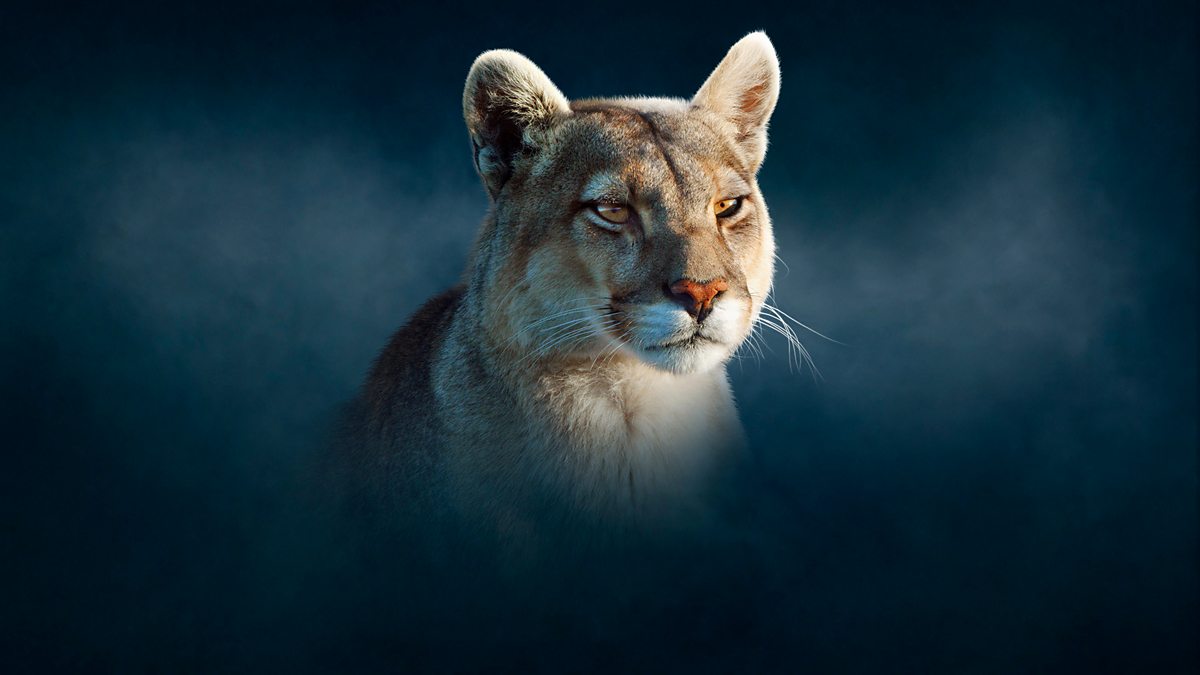
Big Cat Screaming Match • 2019 • episode "S1E11" Nature's Strangest Mysteries: Solved

Category: Nature | Torrent: | Subtitle:

Is it possible that a snake could exist totally undetected? What has brought this big cat fight to ear piercing decibels? Why is this lone dolphin getting muddy?

Make a donation

Buy a brother a hot coffee? Or a cold beer?

Hope you're finding these documentaries fascinating and eye-opening. It's just me, working hard behind the scenes to bring you this enriching content.

Running and maintaining a website like this takes time and resources. That's why I'm reaching out to you. If you appreciate what I do and would like to support my efforts, would you consider "buying me a coffee"?

Donation addresses

Buy Me a Coffee at ko-fi.com

patreon.com

BTC: bc1q8ldskxh4x9qnddhcrgcun8rtvddeldm2a07r2v

ETH: 0x5CCAAA1afc5c5D814129d99277dDb5A979672116

With your donation through , you can show your appreciation and help me keep this project going. Every contribution, no matter how small, makes a significant impact. It goes directly towards covering server costs.
Nature's Strangest Mysteries: Solved • 2019 • 24 episodes •

Sparkly Spider

A look at what would dare take on the ocean's deadliest predator, why a spider lights up like a Christmas tree, and why a wild animal begins to deliver unwanted newspapers like a paperboy.

2019 • Nature

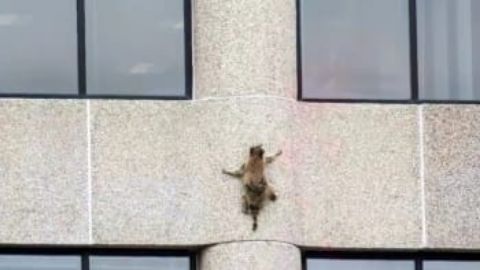
Skyscraper Raccoon

A look at why a raccoon would scale a 25-story skyscraper, why one mother duck would have a super-sized flock of 76 ducklings, and what would motivate a bird to feed a school of fish.

2019 • Nature

Held Hostage by a Humpback

A look at why a humpback whale would hold a diver hostage, how a colony of 1.5 million animals hide from the world in plain sight, and how a surprising stash of acorns could disrupt a whole town.

2019 • Nature

Aflocalypse Now

A look at why a skunk would do a handstand, why 5,000 birds fell from the sky in Arkansas, and what would make a frog flash like a lighthouse.

2019 • Nature

Unscrambling Eggs

A look at if fish really can predict earthquakes and why eggs are egg shaped.

2019 • Nature

Zombie Spider

A look at the possibility that zombie spiders are real and why would a pod of beluga whales adopt a unicorn of the sea.

2019 • Nature

Octopus Houdini

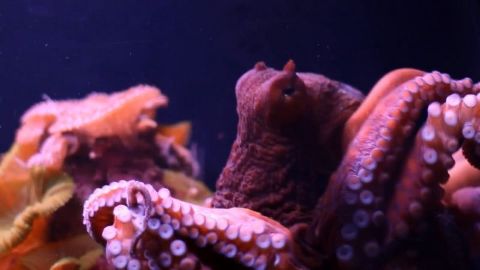
A look at how a bird could sing without using its voice and how an octopus could simply disappear from his aquarium tank.

2019 • Nature

Critter Culprit

A look at what could make an animal vanish into thin air, what could cause the sea to take on an eerie glow, and what event would bring killer whales together in huge numbers.

2019 • Nature

Animal Vandals

A look at what animals are breaking into thousands of cars every year, how ants form a ten-foot bridge using only their bodies, and why did the fish cross the road.

2019 • Nature

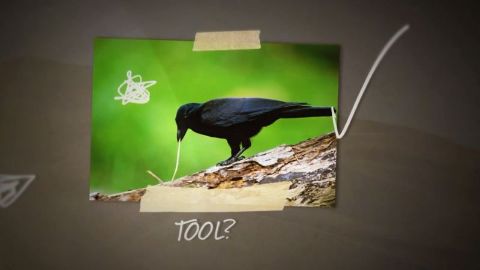
Crow Crime Scene

A look at how spiders covered a town in webs overnight and why a lake in South America is the lightning capital of the world.

2019 • Nature

Big Cat Screaming Match

Is it possible that a snake could exist totally undetected? What has brought this big cat fight to ear piercing decibels? Why is this lone dolphin getting muddy?

2019 • Nature

Snowboarding Crow

How did a moose get stuck in an apple tree? Why is a crow snowboarding on a jam jar lid? Is Yellowstone's super volcano about to erupt?

2019 • Nature

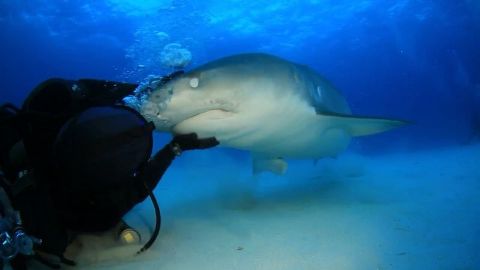
Cuddly Shark

A look at what would cause a ferocious tiger shark to cuddle up with a diver and why pigs are swimming in the Caribbean; and what mysterious blobs have washed up by the thousands on the shores of Oregon.

2019 • Nature

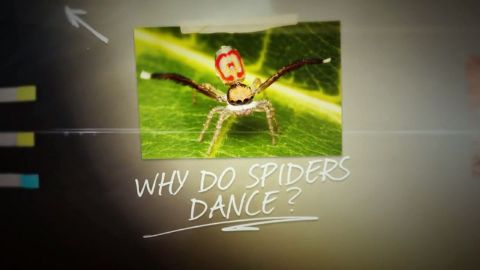
Disco Spider

A look at why some spiders disco dance; a mysterious creature is preying on Europe's sheep; a whole town is engulfed by bubbling foam.

2019 • Nature

Stripless Zebra

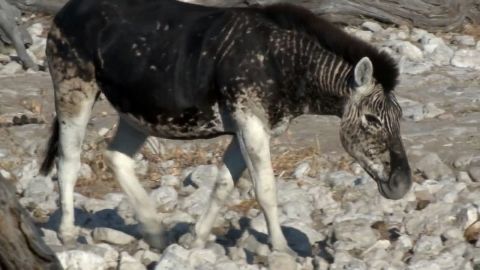
A look at why goats risk life and limb to climb an almost vertical dam wall; a zebra has no stripes; a school of fish swarm a diver.

2019 • Nature

Scorpion Night Lights

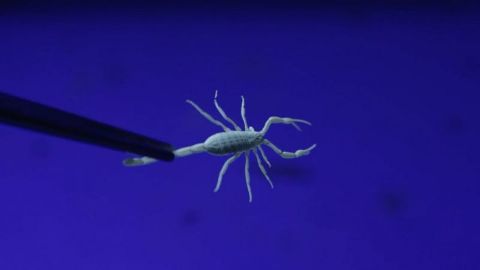
A look at why a leopard let its dinner escape; an ominous dark mass looming over an Icelandic lake; some scorpions glow in the dark.

2019 • Nature

Unicorn of the Sea

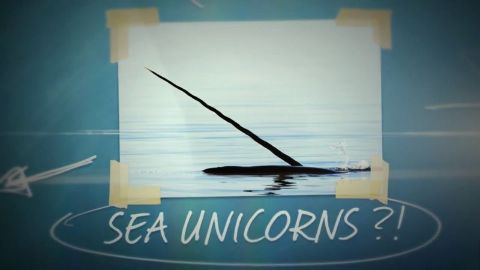
Narwhals are the unicorns of the sea, but what is the point of those tusks? What could swallow 50-foot trees in seconds? What animal has changed the face of Yellowstone?

2019 • Nature

Rattleless Rattlesnake

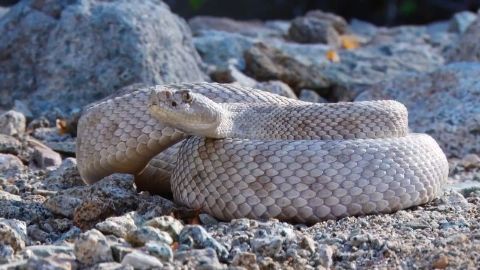
Where would you go to find an enchanted underwater forest? How come some Mexican rattlesnakes have lost their rattle? And why does an Indian elephant look like its smoking cigarettes?

2019 • Nature

Octopus Throwdown

A look at why a seal throw an octopus at a kayaker; why a moth is drinking from the eye of a bird in the Amazon jungle and what surprising creature has been leaping out of the Irish Sea.

2019 • Nature

Alligator Bodyguards

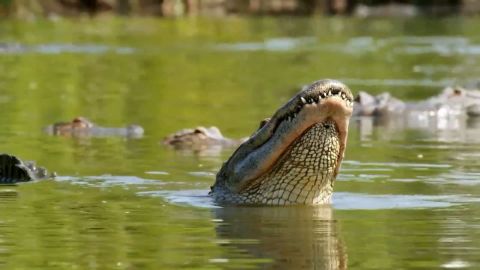
A look at how a dung beetle standing on its head can roll a ball in a straight line; if egrets ever regret hanging out next to hungry alligators; and what ghostly creature was caught on camera 3000 feet below the ocean's surface.

2019 • Nature

Bug Mathematician

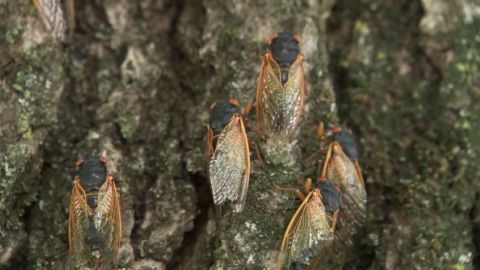
A look at how bats avoid bumping into each other at night; why a bottlenose dolphin seeks out the help of a scuba diver; are cicadas expert mathematicians.

2019 • Nature

Elephants in the Room

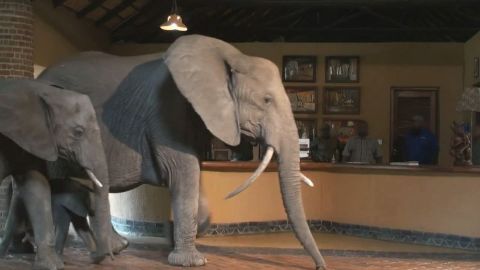
A look at why a herd of wild elephants check into the same hotel every year and what is causing giant bubble rings off the coast of Portland, Maine.

2019 • Nature

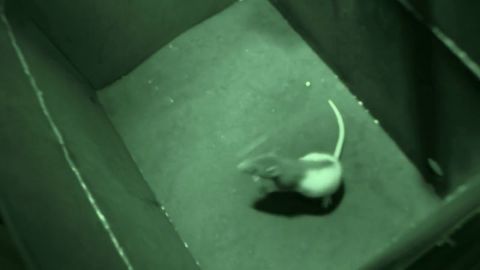
Giggling Rats

A look at which animals get the giggles; what would cause the sea lions of San Francisco to mysteriously swim away all at once, manta rays that synchronize swim.

2019 • Nature

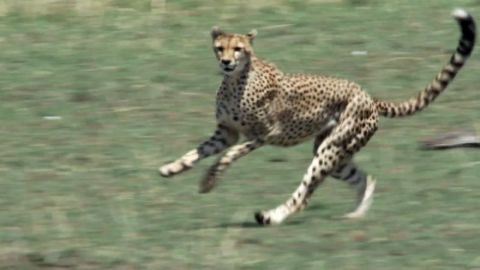
Hot Cheetah

A look at what causes a pair of giraffes to turn white; why are millions of birds creating crazy patterns; why would the world's fastest land animal give up the hunt.

2019 • Nature

You might also like

Fly on the Wall

Making Of (Special Fly On The Wall inserts at the end of each programme will explore, in greater detail, how the BBC's Natural History Unit was able to capture such stunning footage for the first time.)

ExtraLife in the Undergrowth • 2005 • Nature

Turtle / Eagle / Cheetah: A Slow Odyssey

Riding onboard with a cheetah, a green turtle and a white-tailed sea eagle as they show us around their respective homes. With natural sounds and elegant embedded graphics delivering information, this is an immersive journey into their world like no other. Each section rides onboard with one of the animals as it shows us around its world. Revealing how they go through their daily routines, journey across different parts of their homes and introduce us to the other animals they share them with, in this extraordinary immersive show. A trio of cheetahs hunting on the Namibian bushveld, a green turtle cruising the reefs of Indonesia and a white-tailed sea eagle as it soars above the west coast of Scotland. All the animals are part of ongoing scientific studies or research projects, they are habituated or trained to carry small, lightweight cameras capable of capturing images in high definition. With often bespoke technology developed and pioneered by research scientists and the teams from Blue Planet II and forthcoming series Animals With Cameras. This is the core of this immersive BBC Four series that reveals the natural world through the perspective of its subjects, and has afforded the scientific community an even deeper understanding of their subjects.

2017 • Nature

Livingstone's River

First transmitted in 1965, David Attenborough retraces the steps of the famous Scottish explorer Dr David Livingstone in the final part of his African adventure.David Attenborough starts his journey in Sesheke, on the northern bank of the Zambezi river in the Western Province of Zambia. Retracing Livingstone’s Zambezi expedition takes him from Sesheke to Victoria Falls, named by Livingstone in honour of Queen Victoria, through to Zumbo and Tete in Mozambique.Using extracts from Dr Livingstone’s journal David Attenborough revisits African traditions and ceremonies that shocked Livingstone at the time, such as a masked dance featuring the Makishi devil.

S1E3Zambezi • 1965 • Nature

Line of Fire

As drought grips the kingdom, mothers battle to save their young from a terrible fate.

S4E4Savage Kingdom • 2020 • Nature

Zoo Quest in Colour

Thanks to a recent remarkable discovery in the BBC's film vaults, the best of David Attenborough's early Zoo Quest adventures can now be seen as never before, in colour, and with it the remarkable story of how this pioneering television series was made. First broadcast in December 1954, Zoo Quest was one of the most popular television series of its time and launched the career of the young David Attenborough as a wildlife presenter. It completely changed how viewers saw the world, revealing wildlife and tribal communities that had never been filmed or even seen before. Broadcast ten years before colour television was seen in the UK, Zoo Quest was thought to have been filmed in black and white, until now. Using this extraordinary new-found colour film, together with new behind-the-scenes stories from David Attenborough and cameraman Charles Lagus, this special showcases the very best of Zoo Quest to West Africa, Zoo Quest to Guiana and Zoo Quest for a Dragon in stunning HD colour for the very first time.

2016 • Nature

The Last Frontier

The documentary series reveals the extraordinary riches and wonders of the Polar Regions that have kept people visiting them for thousands of years. Today, their survival relies on a combination of ancient wisdom and cutting-edge science. Most Arctic people live in Siberia, either in cities like Norilsk - the coldest city on earth - or out on the tundra, where tribes like the Dogan survive by herding reindeer, using them to drag their homes behind them. On the coast, traditional people still hunt walrus from open boats - it is dangerous work, but one big walrus will feed a family for weeks. Settlers are drawn to the Arctic by its abundant minerals; the Danish Armed Forces maintain their claim to Greenland's mineral wealth with an epic dog sled patrol, covering 2,000 miles through the winter. Above, the spectacular northern lights can disrupt power supplies so scientists monitor it constantly, firing rockets into it to release a cloud of glowing smoke 100 kilometres high. In contrast, Antarctica is so remote and cold that it was only a century ago that the first people explored the continent. Captain Scott's hut still stands as a memorial to these men. Science is now the only significant human activity allowed; robot submarines are sent deep beneath the ice in search of new life-forms, which may also be found in a labyrinth of ice caves high up on an active volcano. Above, colossal balloons are launched into the purest air on earth to detect cosmic rays. At the South Pole there is a research base designed to withstand the world's most extreme winters. Cut off from the outside world for six months, the base is totally self-sufficient, even boasting a greenhouse.

S1E6Frozen Planet • 2011 • Nature