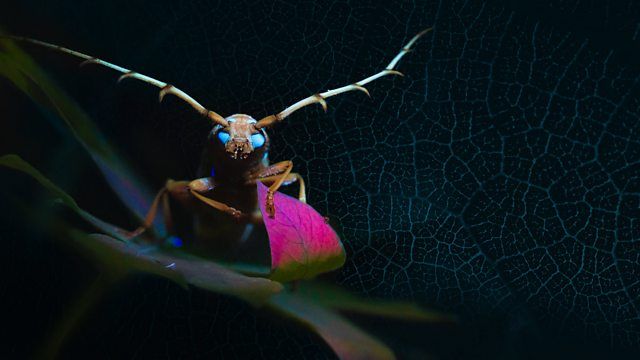
Plants and animals have some curious super senses that enable them to see, hear and feel things that are quite invisible to us.
Hope you're finding these documentaries fascinating and eye-opening. It's just me, working hard behind the scenes to bring you this enriching content.
Running and maintaining a website like this takes time and resources. That's why I'm reaching out to you. If you appreciate what I do and would like to support my efforts, would you consider "buying me a coffee"?
BTC: bc1q8ldskxh4x9qnddhcrgcun8rtvddeldm2a07r2v
ETH: 0x5CCAAA1afc5c5D814129d99277dDb5A979672116
With your donation through , you can show your appreciation and help me keep this project going. Every contribution, no matter how small, makes a significant impact. It goes directly towards covering server costs.
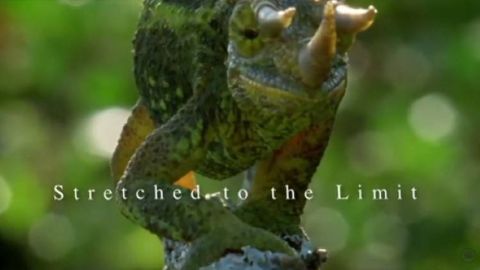
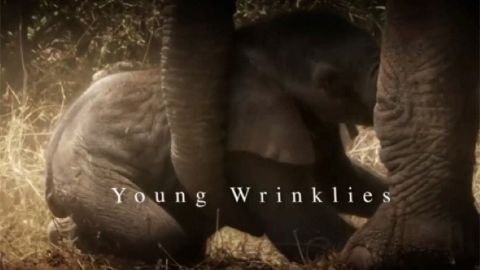
Some animals appear to have taken Nature’s gifts and stretched them to extreme limits. With these two natural curiosities one creature, the giraffe, has ended up with a super-stretched neck, the other, the chameleon, a super stretchy tongue. In both cases nature has found a way to turn the ordinary into the extraordinary.
David encounters two examples where Nature has tinkered with the aging process to alarmingly different effect – the first grows old while trapped in a young body while the second looks old from birth but might hold the key to a long life.
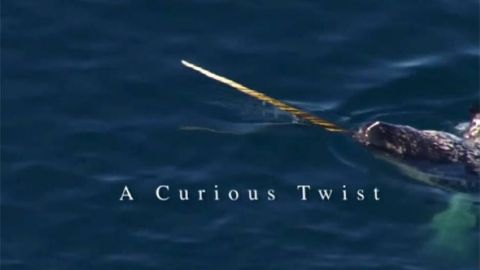
The single spiral tusk of the narwhal inspiration for tales of unicorns and the myriad variations on the twist of the snail shell have delighted and fascinated naturalists and artists since the dawn of civilization.
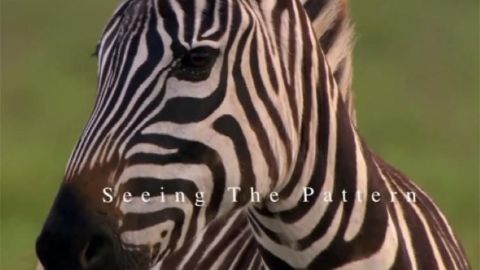
Zebra stripes vary subtly between the different species but there is one group of animals that has evolved colourful patterns of seemingly infinite variety, the butterflies. In this episode David looks at two examples of animal patterns that have bedazzled and baffled science for a long time, and uses modern tools to unlock their secrets.
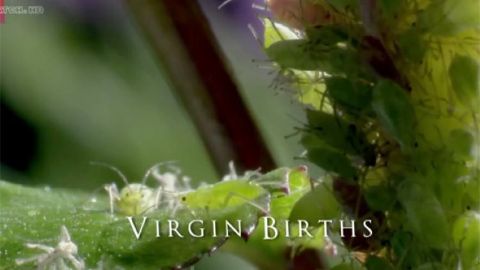
Sir David Attenborough uses this episode to investigate two animals who are capable of true virgin birth - the production of offspring without the need for sex.
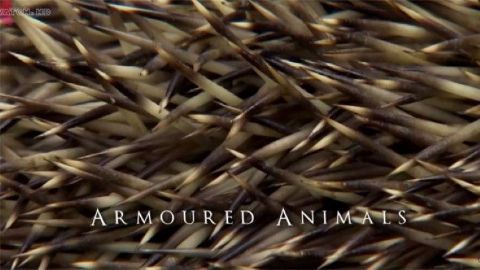
This episode explores the story of two animals that hide behind seemingly impregnable coat of arms. Can Sir David Attenborough get in behind their armour and reveal their mysteries?
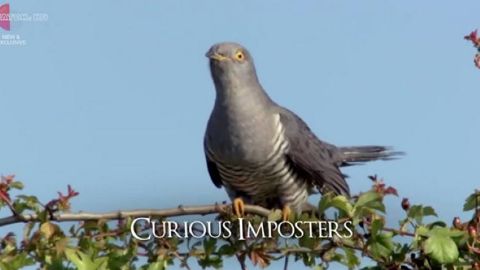
Here we discover that some animals are able to trick others into believing they are something that they are not. The art of deception is a powerful attribute for some.
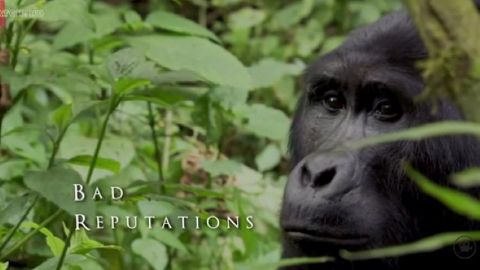
After initially gaining frightening reputations, it's now known that gorillas and bats are a lot gentler and considerate than their early reputations suggest.
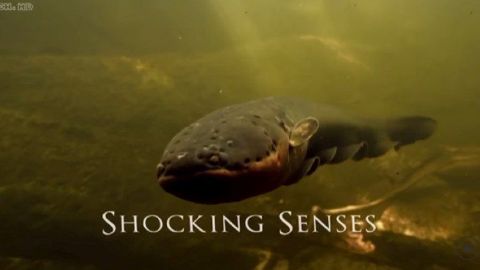
Plants and animals have some curious super senses that enable them to see, hear and feel things that are quite invisible to us.
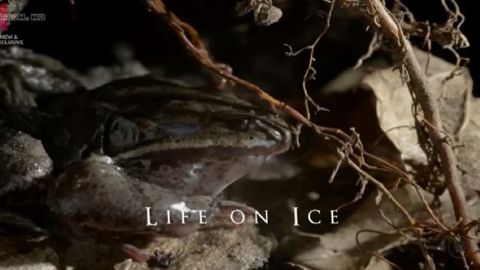
In this episode we explore the remarkable adaptations of two creatures that have evolved to survive the most challenging of conditions and seem to defy the laws of nature.
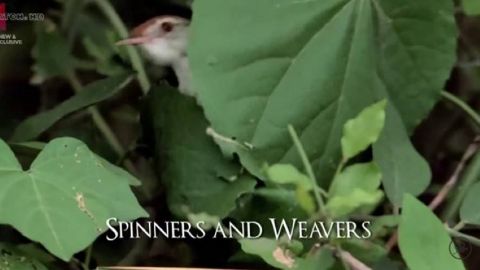
We'll find out how nature is incredibly inventive and has produced two unique mechanisms of natural construction that have fascinated scientists for centuries; weaving in birds and silk.
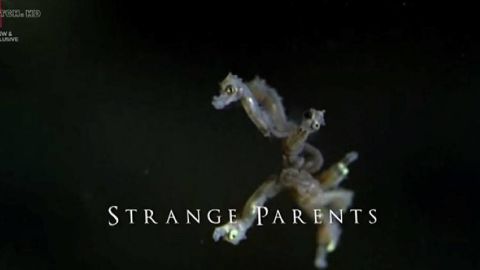
"Strange Parents" asks how we usually recognise animals as either male or female and how each sex normally plays a particular role in their own life cycle. However both hyenas and seahorses completely break the gender rules.
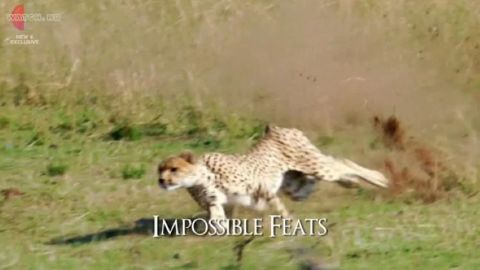
David Attenborough examines creatures that have baffled us for centuries. This episode looks at how fleas jump and tracks the true speed of a cheetah.
David Attenborough examines creatures that have baffled us for centuries. This episode looks at two animals that use tools, orangutans and crows.
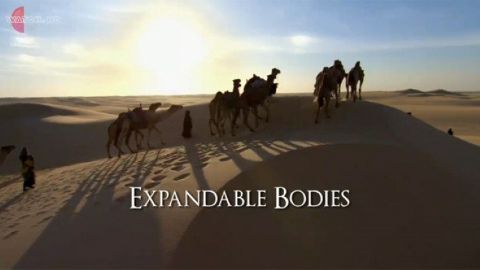
David Attenborough examines creatures that have fascinated us for centuries. This episode looks at the expandable bodies of anacondas and camels.
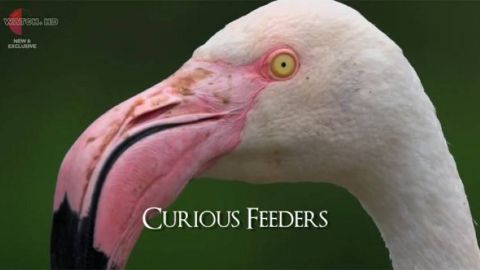
David Attenborough examines creatures that have fascinated us for centuries. A look at some species with unusual styles of consuming food.
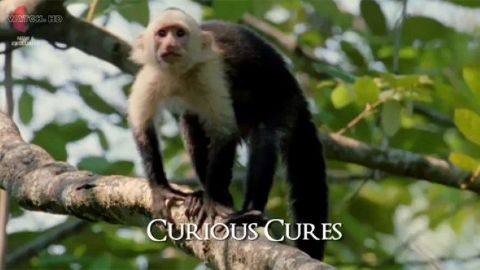
David Attenborough examines more creatures that have fascinated us for centuries. A look at some species with remarkable healing properties.
David Attenborough examines creatures that have fascinated us for centuries. A look at some species with remarkable regenerative powers.
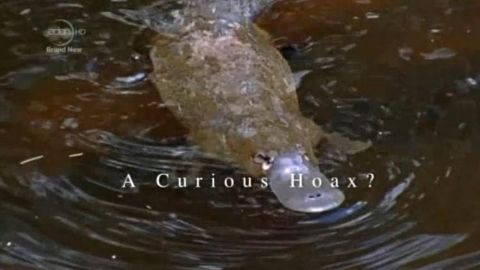
David Attenborough highlights the curiosities that have led to accusations of forgery, but have ultimately helped assist the rethinking of evolution. When early explorers brought the first specimen of a duck-billed platypus to England in 1799, it was considered so bizarre it was deemed a hoax. Similarly, the midwife toad became the centre of a scientific storm in the 1920s that led to accusations of fakery.
2013 • Nature
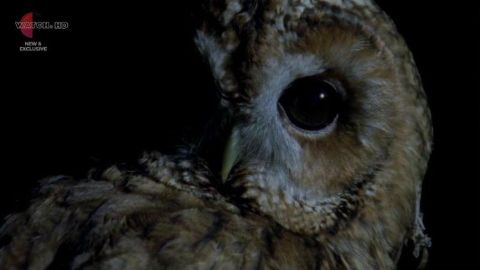
David Attenborough looks at the eyes of squid and owls and how they've managed to maximise their vision.
2014 • Nature
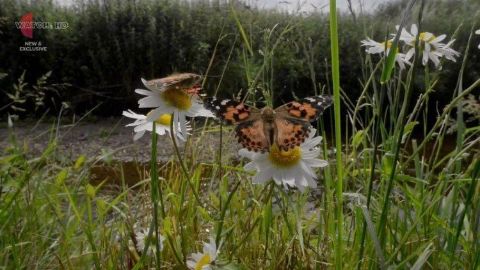
"Magical Appearances" explores how swallows magically appear each spring and asks how did complex and beautiful insects like butterflies suddenly arrive in the summer.The discovery of the swallow’s epic migration and the revelation that butterflies could metamorphose into totally different looking adults were scientific stories both cloaked in mystery and controversy.
2014 • Nature
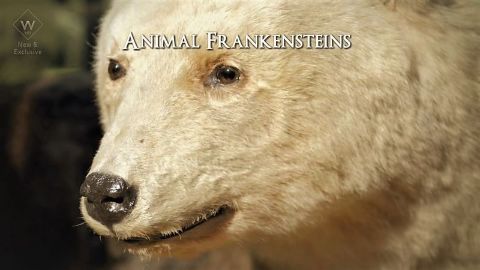
Hybrids can be bizarre and they can be deadly. We look at two hybrid animals that owe their existence to human interference - the pizzly bear (a cross between a polar bear and grizzly), which has come into being because of global warming, and the killer bee, brought into existence because of the transfer of African bees to South America.
2018 • Nature
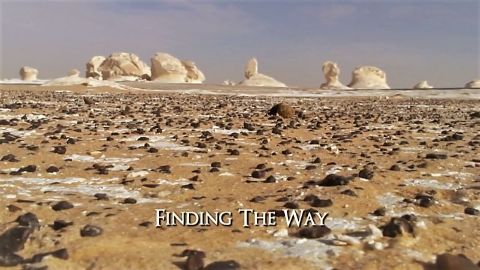
Some animals have an extraordinary ability to find their way. The dung beetle, an insect revered by ancient Egyptians, uses the sun, the moon and even the Milky Way to move its prized ball of dung in the right direction. Pigeons are often considered feeble birdbrains, but they have incredible memories that can recall several complex travel routes with amazing accuracy and they even use man-made roads and hedgerows to find the quickest way home.
2018 • Nature
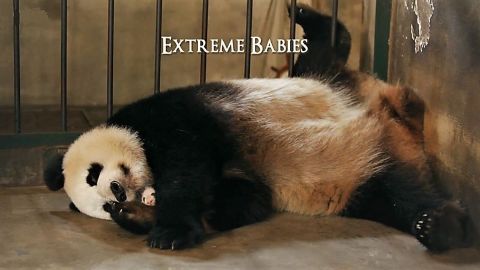
The giant panda gives birth to the smallest baby of any mammal and has to care for and protect it for many months. Why don't they give birth to more developed, robust young? The kiwi lays one of the largest eggs in the bird world, which produces a very well-developed chick. Why do kiwis produce a single egg that is a quarter of its body mass and almost too big to lay?
2018 • Nature
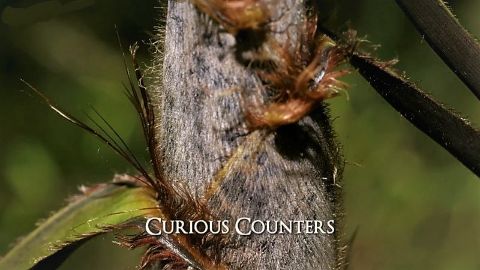
Can animals count? This is a question that has intrigued and fooled investigators for a long time. Just over 100 years ago, a German horse called Hans was declared a mathematical genius but all was not as it seemed. And strangely, some bamboos around the world flower exactly at the same no matter where they are. Are they counting down the years?
2018 • Nature
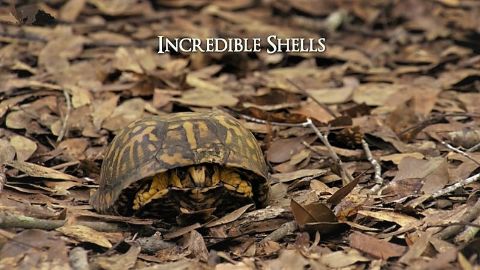
David Attenborough investigates two shells that have proved to be winners in evolution: the tortoise's shell and the shells of birds' eggs. The ostrich egg is so strong it is possible for a person to stand on it without it breaking, but how does the chick break out of this fortress? The evolution of the tortoise shell was for a long time a mystery and this bony box offers a lot more than just protection.
2018 • Nature
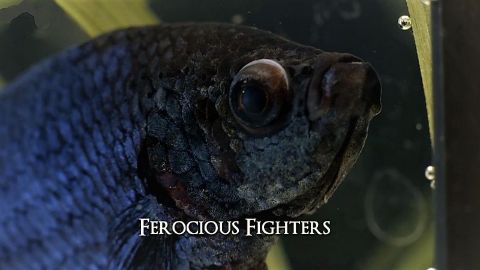
The Siamese fighting fish is so aggressive it will fight its own reflection until it is exhausted. Recent research shows that the fighting behaviour varies and depends on the personality of the fish! Male kangaroos were once pitted against humans in the boxing ring, with the most impressive male kangaroos being solid blocks of muscle with a kick that can kill. Why do they fight and what skills must a winner have?
2018 • Nature
Tsebe's cubs finally arrive but a fight between the Northern Brothers puts lives at risk.
S4E5 • Savage Kingdom • 2020 • Nature
First transmitted in 1965, David Attenborough retraces the steps of the famous Scottish explorer Dr David Livingstone in the final part of his African adventure.David Attenborough starts his journey in Sesheke, on the northern bank of the Zambezi river in the Western Province of Zambia. Retracing Livingstone’s Zambezi expedition takes him from Sesheke to Victoria Falls, named by Livingstone in honour of Queen Victoria, through to Zumbo and Tete in Mozambique.Using extracts from Dr Livingstone’s journal David Attenborough revisits African traditions and ceremonies that shocked Livingstone at the time, such as a masked dance featuring the Makishi devil.
Tells the story of life on earth in the course of one single day, narrated by Robert Redford and made by BBC Earth Films. This film features stunning visuals and scored a 100 per cent positive rating on the critical aggregator website Rotten Tomatoes. The family feature took three years to make, was filmed over 142 filming days in 22 countries and features 38 different species. It takes viewers up close and personal with a cast of unforgettable characters - a baby zebra desperate to cross a swollen river, a penguin who heroically undertakes a death-defying daily commute to feed his family, a family of sperm whales who like to snooze vertically, and a sloth on the hunt for love. 'As a storyteller and film-maker I often look to nature for sources of inspiration', said Robert Redford, narrator. 'In Earth: One Amazing Day, BBC Earth Films captured the natural world and its inhabitants using the perfect combination of storytelling and cutting-edge technology. The scenes and images are as inspirational as they are beautiful, and I was honoured to be a part of the film'. Told with humour, intimacy, emotion and a jaw-dropping sense of cinematic splendour, this film is a colourful, ultra-vivid family friendly adventure that spectacularly highlights how every day the natural world is filled with more unseen dramas and wonders than can possibly be imagined - until now.
2018 • Nature
After the murder of one of its own, the Makulu Pack of wild dogs looks to a new leader for salvation; the Western Pride is exiled to the fringes of the kingdom as it fights to protect its cubs; the marauding hyena clan commits the cruelest of acts.
S3E3 • Savage Kingdom • 2019 • Nature
Should a creature's bad reputation impact its survival prospects? As the venomous massasauga rattlesnake edges towards extinction and cormorants in Toronto destroy the trees they nest in, accommodating these misunderstood species has never been more important.
S1E4 • Great Lakes Wild • 2017 • Nature
Aerial predators like owls, falcons, and eagles have keen senses that allow them to see and hear things that would normally go unnoticed by other species. Fly alongside these magnificent raptors at the Canadian Raptor Conservancy in Ontario as they showcase the full range of their hunting abilities.
S1E2 • Attack and Defend • 2016 • Nature