Simon Reeve travels through the glorious Lake District and breathtaking Cumbria, revealing the secrets of this iconic part of Britain.
Hope you're finding these documentaries fascinating and eye-opening. It's just me, working hard behind the scenes to bring you this enriching content.
Running and maintaining a website like this takes time and resources. That's why I'm reaching out to you. If you appreciate what I do and would like to support my efforts, would you consider "buying me a coffee"?
BTC: bc1q8ldskxh4x9qnddhcrgcun8rtvddeldm2a07r2v
ETH: 0x5CCAAA1afc5c5D814129d99277dDb5A979672116
With your donation through , you can show your appreciation and help me keep this project going. Every contribution, no matter how small, makes a significant impact. It goes directly towards covering server costs.
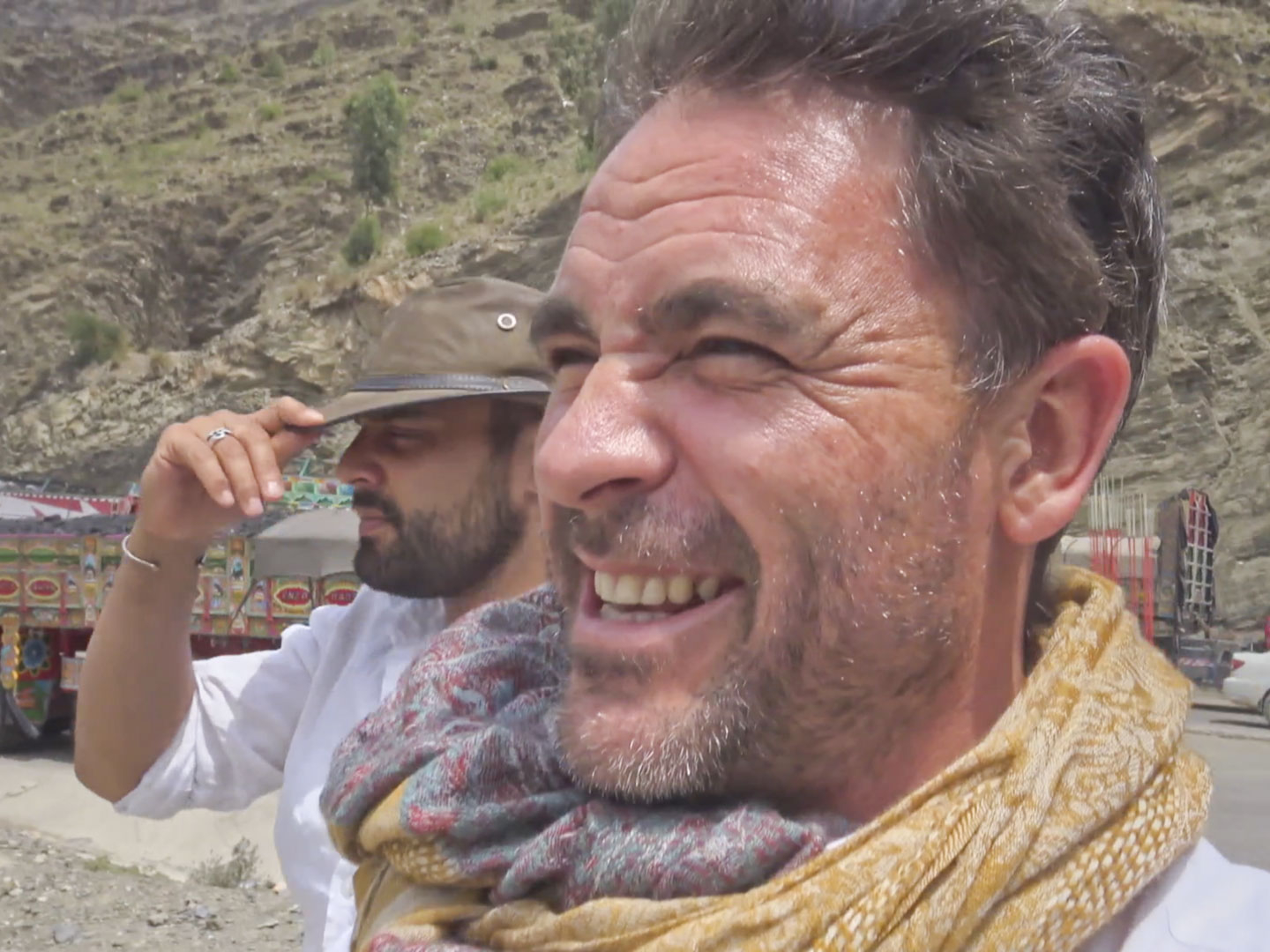
Four months into his journey, explorer Levison Wood arrives in the capital of the world's newest nation, South Sudan, only to be arrested by secret police. After several days' delay he and his guide Boston are allowed to continue onwards and soon enjoy a highlight of the trek - an encounter with members of the Mundari tribe. This community has set up a cattle camp on an island in the middle of the River Nile, where its members lead a very simple and sustainable existence of only drinking milk, burning cow dung, washing in cow urine and covering themselves in ash to ward off flies and mosquitos. After bidding them farewell, Lev finds himself caught up in the worsening civil war as his path winds through minefields and he witnesses increasing numbers of refugees fleeing in the opposite direction.
S1E2 • Walking the Nile with Levison Wood • 2015 • Travel
The final leg of Ade's tour of Africa sees him travelling from the beaches of Mozambique, through South Africa, before ending his entire trip in Zimbabwe. He begins on the golden sand beaches of Mozambique's Bazaruto Archipelago, one of Africa's highlights. At Paradise Island, he finds an abandoned hotel, a visual reminder of Mozambique's recent history - this place was once a high-end tourist destination, but 25 years of colonial and then civil war put a stop to development. But the local wildlife has benefited from the fact that so few tourists now come here, and Ade is able to snorkel with one of the world's most elusive sea creatures - a dugong. Since the wars, Mozambique has struggled to develop, and Ade meets someone for whom life is especially hard – a wheelchair user like himself. In a country where disability is viewed with fear and superstition – and believed by many to be contagious – even catching a bus proves impossible for Castigo. The best thing in his life is exactly the same thing that turned Ade's life around - wheelchair basketball - and Ade can't help getting carried away in a game. Along the coast, at one of Mozambique's largest ports, Ade finds out that China is investing a huge amount in Mozambique – and elsewhere across Africa. The money often comes with strings attached, but a poor country like Mozambique needs financial help, which has to come from somewhere. Ade's next stop is South Africa. The country is famous for its wildlife but Ade hears how Chinese influence is having a dramatic impact here – the country's rhino population has been decimated by poachers, driven by a demand for rhino horn in Chinese medicine. Ade follows rangers with a surprising way of tackling the problem - by cutting off the rhino horn themselves, they hope to deter poachers. Ade travels to Johannesburg to see how the country is faring 25 years after apartheid ended. On a tour of the city, he is upset to discover that although the black population now have voting rights, they are living in an economic form of apartheid, with 25% unemployed and many squatting on whatever land they can find. In an emotional scene, Ade visits a squatted piece of land, moments after the police have destroyed people's houses, to hear claims that Mandela's legacy has been forgotten. Land reform is the big political issue here today, with many calling for a redistribution of land from rich white farmers to the black population. The final stop on Ade's African adventure is Zimbabwe – where land reform has already happened, with disastrous results. Ade finds a country still struggling economically. His first stop is the Kariba dam, and a hair-raising boat ride on the vast and stunning Lake Kariba. Ade finds that locals are worried about the stability of the Kariba dam and work has begun to stabilize undermined foundations. The worrying decay of this crucial dam is a sign of how much this country suffered under the rule of Robert Mugabe. As Ade has seen so often on his trip around Africa, Zimbabwe is a country that should be rich. It has huge quantities of gold – enough, in theory, for the entire population to be a millionaire. But there isn't the infrastructure of investment to get at it - in a country dogged by poverty and corruption. But the departure of dictator Robert Mugabe brought a new optimism, and Ade meets gold miners who are willing to risk daily exposure to toxic mercury for every scrap of gold they can get and an entrepreneur who believes the industry can be transformed. Despite the return of violence and repression in Zimbabwe, Ade ends his journey on a high, visiting a remote hut that has been turned into the set of a music video. He joins UK indie musician Shingai Shoniwa as she shoots the video for her forthcoming debut single, Coming Home, in a country that she believes is on the up, and deserves a fresh chance.
S1E4 • Africa with Ade Adepitan • 2019 • Travel
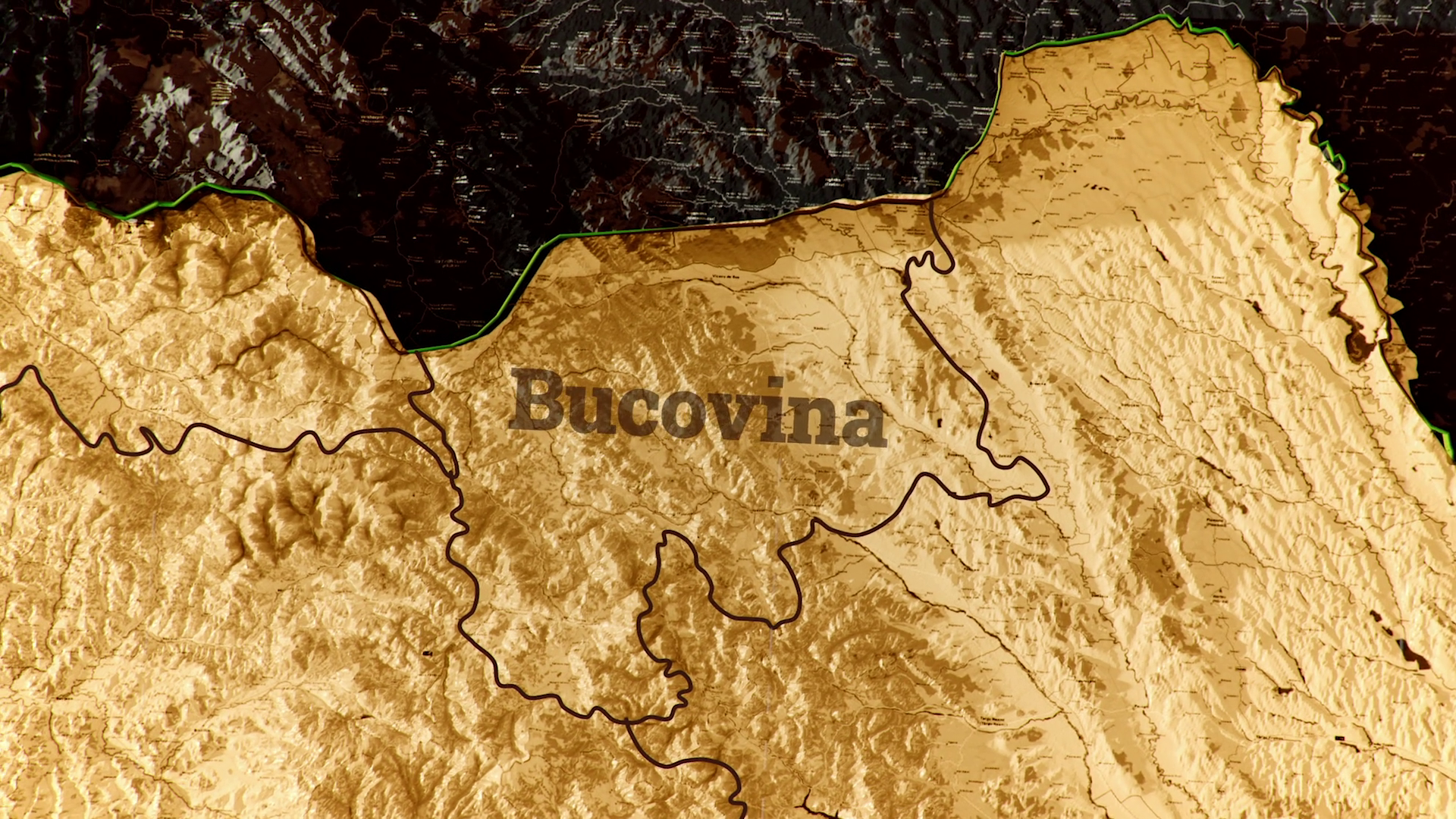
Charlie meets an architect trying to save the decaying spa at the Baile Herculane resort in Banat, then visits Timi?oara, Romania's "Little Vienna."
S2E6 • Flavours of Romania • 2023 • Travel
Adventurer and journalist Simon Reeve heads to Vietnam to uncover the stories behind the nation's morning pick-me-up. While we drink millions of cups of the stuff each week, how many of us know where our coffee actually comes from? The surprising answer is that it is not Brazil, Columbia or Jamaica, but Vietnam. Eighty per cent of the coffee we drink in Britain isn't posh cappuccinos or lattes but instant coffee and Vietnam is the biggest supplier. From Hanoi in the north, Simon follows the coffee trail into the remote central highlands where he meets the people who grow, pick and pack our coffee. Millions of small scale famers, each working two or three acres, produce most of the coffee beans that go into well known instant coffee brands. Thirty years ago Vietnam only produced a tiny proportion of the world's coffee, but after the end of the Vietnam war there was a widescale plan to become a coffee growing nation and Vietnam is now the second biggest in the world. It has provided employment for millions, making some very rich indeed, and Simon meets Vietnam's biggest coffee billionaire. But Simon learns that their rapid success has come at a cost to both the local people and the environment.
2014 • Travel
How to feed our ever growing, hungry planet? Populations continue to grow, but many food sources are finite, and dependent upon a delicate balance. With more than 2 BILLION people being added to the world's population by 2050, feeding the planet is one of the biggest challenges this generation has to face. Kari meets with people in the US with who have some innovative food solutions. From invigorating bee populations to edible insects she will seek out leaders answering the question: “How do we continue to feed our planet?”
S1E3 • Crash Test World • 2021 • Travel
Following the success of his world exclusive two-part series, this feature-length special edition is a chance to show Michael's extraordinary journey in its entirety, and includes new footage which hasn't been seen before.
Michael Palin in North Korea • 2018 • Travel