In the summer of 1950 fear gripped the residents of Wytheville, Virginia. Movie theaters shut down, baseball games were cancelled and panicky parents kept their children indoors — anything to keep them safe from an invisible invader. Outsiders sped through town with their windows rolled up and bandanas covering their faces. The ones who couldn't escape the perpetrator were left paralyzed, and some died in the wake of the devastating and contagious virus. Polio had struck in Wytheville. The town was in the midst of a full-blown epidemic. That year alone, more than 33,000 Americans fell victim — half of them under the age of ten.
Hope you're finding these documentaries fascinating and eye-opening. It's just me, working hard behind the scenes to bring you this enriching content.
Running and maintaining a website like this takes time and resources. That's why I'm reaching out to you. If you appreciate what I do and would like to support my efforts, would you consider "buying me a coffee"?
BTC: bc1q8ldskxh4x9qnddhcrgcun8rtvddeldm2a07r2v
ETH: 0x5CCAAA1afc5c5D814129d99277dDb5A979672116
With your donation through , you can show your appreciation and help me keep this project going. Every contribution, no matter how small, makes a significant impact. It goes directly towards covering server costs.
Explores the spread of Covid-19 across four continents during 2020. Featuring contributions from medical professionals, a look at the initial outbreak in China and suggestions that the authorities attempted to cover up the danger, and an examination of how the decisions taken by governments and public health officials helped shape the course of the infection.
2021 • Health
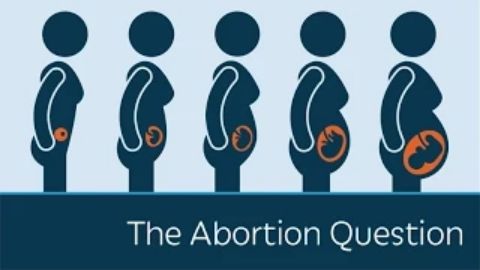
Is abortion right, or is it wrong? It's the big question that's lost in a societal debate that's mostly focused on legality. But, really, whether it's right or wrong is the most important question about abortion.
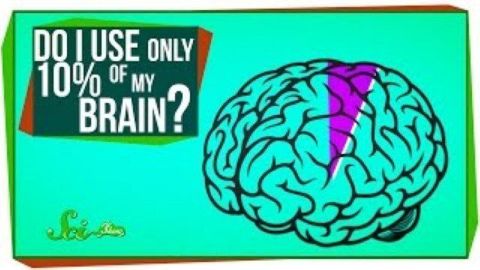
SciShow debunks the myth that you only use 10 percent of your brain. So, how much do you really use? And how do we know?
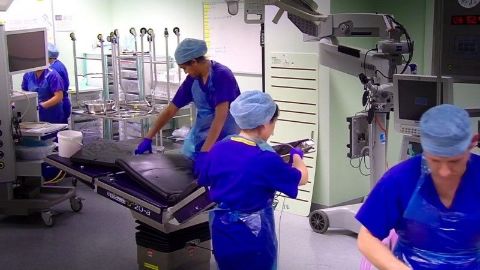
Specialist maxillofacial surgeons Tim Martin and Sat Parmar prepare for a marathon operation on 53-year-old Teresa. Four weeks ago, Teresa was diagnosed with a fast-growing cancerous tumour in her face and she will die within weeks unless it is removed. The procedure involves radical surgery to the entire right-hand side of her face, and means she will lose both her upper jaw and right eye. It is an enormous undertaking for Teresa, and for Tim and Sat, too. Using 3D imaging, the team plan how to remove the tumour and, most importantly, how they will rebuild Teresa's face. Tim and Sat are all too aware that whilst removing the tumour will save her life, it will be devastating if she is left disfigured and unable to face the world. To give her the best possible outcome, they intend to fill the cavity left in Teresa's face with a section of bone and muscle removed from her hip, using a 3D-printed plastic guide that helps them cut out the correct shape bone.
S1E1 • Surgeons: At the Edge of Life • 2018 • Health
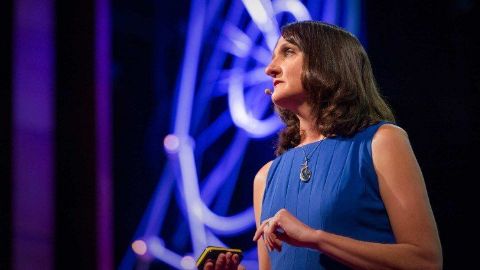
In the US, 80% of girls have been on a diet by the time they're 10 years old. In this honest, raw talk, neuroscientist Sandra Aamodt uses her personal story to frame an important lesson about how our brains manage our bodies, as she explores the science behind why dieting not only doesn't work, but is likely to do more harm than good. She suggests ideas for how to live a less diet-obsessed life, intuitively.
Youth may be wasted on the young, but luckily, you can buy it back. People are using everything from face-lifts to second skin tech to keep their youthful advantage. However, with so many unproven therapies on the market, how many actually work?
S1E2 • A User's Guide to Cheating Death • 2017 • Health