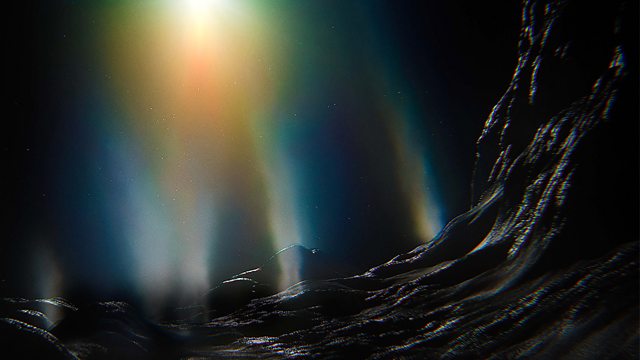
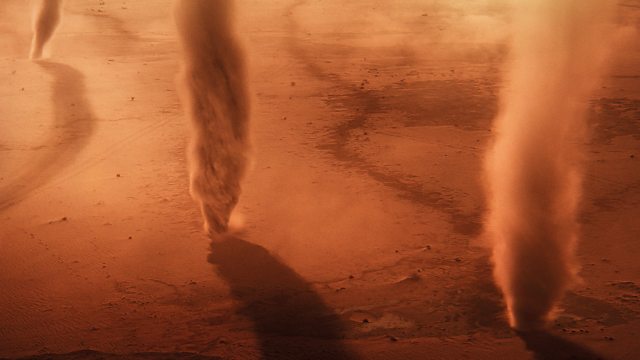
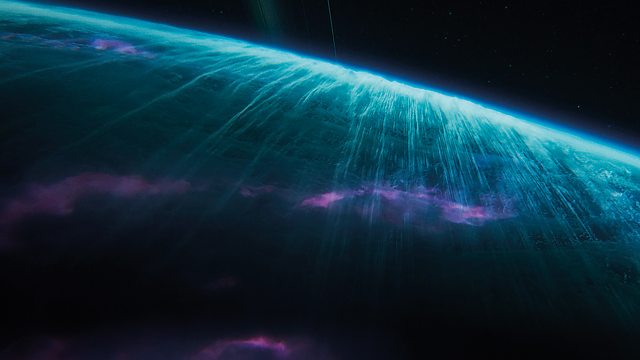
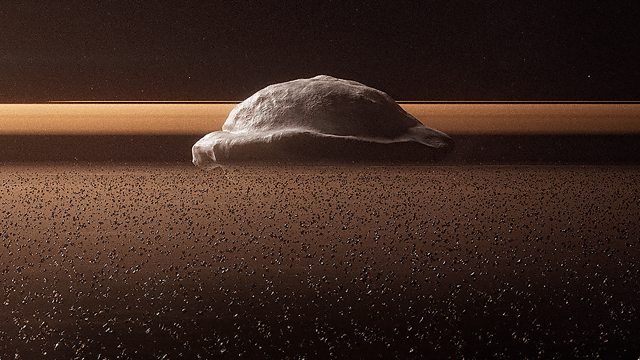
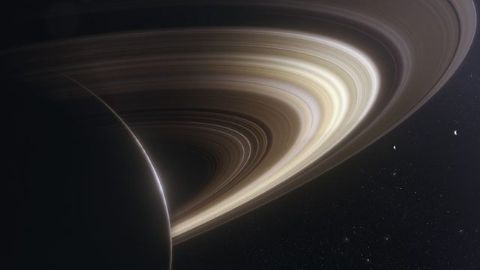
Professor Brian Cox journeys to the volcano worlds of the solar system and explore alien landscapes bursting with fire and ice. There are planets and moons covered in volcanoes, with eruptions so violent they reach into space. Understanding what makes these worlds active is critical in the search for life beyond Earth.
Hope you're finding these documentaries fascinating and eye-opening. It's just me, working hard behind the scenes to bring you this enriching content.
Running and maintaining a website like this takes time and resources. That's why I'm reaching out to you. If you appreciate what I do and would like to support my efforts, would you consider "buying me a coffee"?
BTC: bc1q8ldskxh4x9qnddhcrgcun8rtvddeldm2a07r2v
ETH: 0x5CCAAA1afc5c5D814129d99277dDb5A979672116
With your donation through , you can show your appreciation and help me keep this project going. Every contribution, no matter how small, makes a significant impact. It goes directly towards covering server costs.
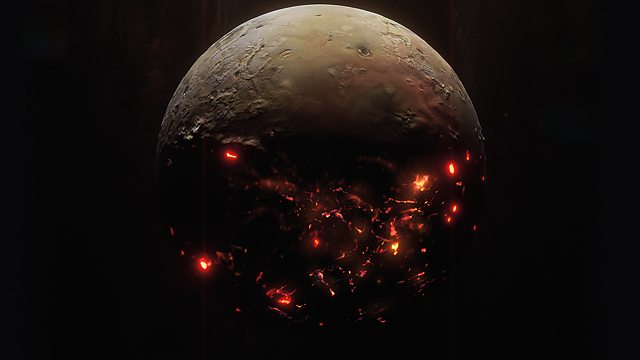
Professor Brian Cox journeys to the volcano worlds of the solar system and explore alien landscapes bursting with fire and ice. There are planets and moons covered in volcanoes, with eruptions so violent they reach into space. Understanding what makes these worlds active is critical in the search for life beyond Earth.
2024 • Astronomy
Professor Brian Cox explores the solar system’s hidden realms, between and beyond the planets, where countless worlds lie hiding in the darkness.
2024 • Astronomy
Professor Brian Cox explores the solar system’s wildest weather, encountering powerful lightning, strange metallic frosts and monsoon rains on a moon a billion kilometres from Earth.
2024 • Astronomy
Professor Brian Cox explores the solar system’s ice giants, frozen moons and worlds where ice behaves in unimaginable ways.
2024 • Astronomy
Professor Brian Cox explores the solar system’s misfits and oddballs, and investigates the forces that sculpted the bizarre features on these strange worlds.
2024 • Astronomy
The US efforts to colonize the Moon will follow the Lunar Exploration Roadmap, laid out with events taking place over decades. Other countries have plans as well. How will robots be deployed to work on the Moon? At what stage will people inhabit the environment? What minerals will be harvested?
S1E3 • Destination: Moon • 2016 • Astronomy
In the fall of 2020, a NASA spacecraft called OSIRIS-REx attempts to reach out and grab a piece of an asteroid named Bennu and bring it back to Earth. The OSIRIS-REx team has just three chances to extend its spacecraft's specialized arm, touch down for five seconds, and collect material from the surface of Bennu. Can they pull it off? NOVA takes you inside the mission as the team plans its approach: They must map the asteroid's surface, choose possible collection sites, and rehearse the risky maneuver. If the collection is successful, scientists could gain great insight into Earth's own origins—and even learn to defend against rogue asteroids that may one day threaten our planet.
New discoveries might finally reveal how supermassive black holes are made, and using the latest technology, experts are on the verge of understanding how these monsters grow and how they affect life on our planet.
Space's Deepest Secrets • 2019 • Astronomy
Brian Cox explores the ingredients needed for an intelligent civilisation to evolve in the universe - the need for a benign star, for a habitable planet, for life to spontaneously arise on such a planet and the time required for intelligent life to evolve and build a civilisation. Brian weighs the evidence and arrives at his own provocative answer to the puzzle of our apparent solitude.
S1E3 • Human Universe • 2014 • Astronomy
While much of the information on our universe that we have acquired through studying the stars ultimately leads to more questions, this program accurately conveys what information we've learned since we began using Hubble and other super telescopes to explore distant regions of space.
2016 • Astronomy
The sun. Smooth and round and peaceful. Except when it suddenly vomits radiation and plasma in random directions. These solar flares and coronal mass ejections, or CMEs can hit earth and have serious consequences for humanity.
In a Nutshell • 2020 • Astronomy