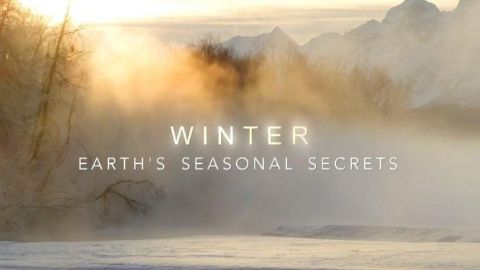
Andrew Scott narrates a special programme which celebrates winter and explores how animals and plants rise to the challenges it brings. With their world encased in snow and ice, animals must find the most inventive ways to survive and even benefit from the cold. Caribou become ice road travellers as it gets slippery underfoot, stoats make their own fur bedding, and snow monkeys find a warm bath. Emperor penguins are built for the cold weather, but even they must find their own tricks to endure the world's most savage winter.
Hope you're finding these documentaries fascinating and eye-opening. It's just me, working hard behind the scenes to bring you this enriching content.
Running and maintaining a website like this takes time and resources. That's why I'm reaching out to you. If you appreciate what I do and would like to support my efforts, would you consider "buying me a coffee"?
BTC: bc1q8ldskxh4x9qnddhcrgcun8rtvddeldm2a07r2v
ETH: 0x5CCAAA1afc5c5D814129d99277dDb5A979672116
With your donation through , you can show your appreciation and help me keep this project going. Every contribution, no matter how small, makes a significant impact. It goes directly towards covering server costs.
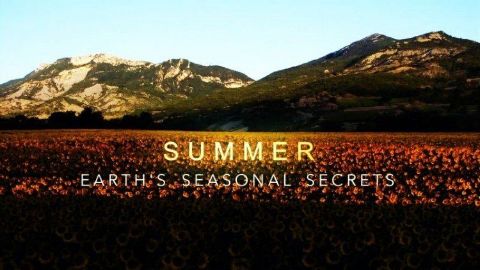
This programme, narrated by Andrew Scott, celebrates the glorious nature of summer on Earth and the extraordinary ways animals and plants rise to the challenges it brings. With the sun shining and the flowers blooming, this is the season of splendid abundance, and the long hours of daylight make life burst out in a riot of activity. But you have to find clever ways to get your share of the good times while they last, and as temperatures soar, everything has to deal with sweltering heat. For a whole range of animals, from sneaky ring-tailed lemurs to battling ibex, and from overheated penguins to astonishing colour-changing lizards, summer is a time when the living is not always easy.
2016 • Nature
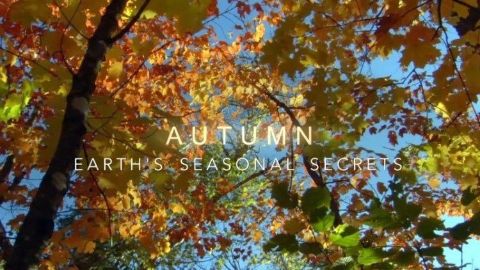
This special, narrated by Andrew Scott, celebrates the drama of Autumn and how animals and plants deal with the new challenges it brings. This is the time of year that brings the world's most spectacular transformations. With winter fast approaching, life has to get ready and that means feeding up while you can, fighting for the last chance to breed and rushing to grow up before the cold returns. While chipmunks and beavers dash to stash their winter supplies, many animals from musk oxen to beetles have to battle for mates and young gannets must face life's first dangerous challenges.
2016 • Nature
Andrew Scott narrates a special programme which celebrates winter and explores how animals and plants rise to the challenges it brings. With their world encased in snow and ice, animals must find the most inventive ways to survive and even benefit from the cold. Caribou become ice road travellers as it gets slippery underfoot, stoats make their own fur bedding, and snow monkeys find a warm bath. Emperor penguins are built for the cold weather, but even they must find their own tricks to endure the world's most savage winter.
2016 • Nature
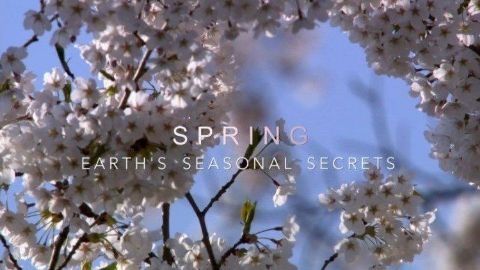
This special, narrated by Andrew Scott, celebrates spring on planet Earth, and the extraordinary tricks that animals and plants find to rise to the new challenges it brings. This magical season brings a burst of new life - but as soon as the air starts to warm, it's a race to wake up and get ahead of everyone else. For many, it's the perfect time to find a mate and raise babies - but for everything, from adventurous grizzly bear cubs and amorous dancing grebes, to flowers in the desert and swifts that fly marathons, spring is about rushing to make the most of the opportunities this busy season brings.
2016 • Nature
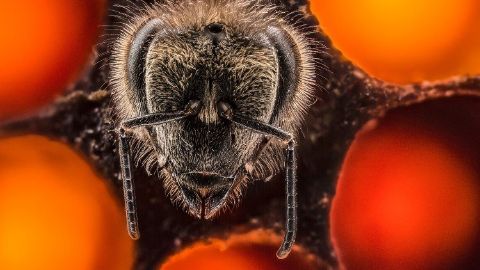
We’ve heard that bees are disappearing. But what is making bee colonies so vulnerable? Photographer Anand Varma raised bees in his backyard — in front of a camera — to get an up close view. This project, for National Geographic, gives a lyrical glimpse into a bee hive — and reveals one of the biggest threats to its health, a mite that preys on baby bees in the first 21 days of life.
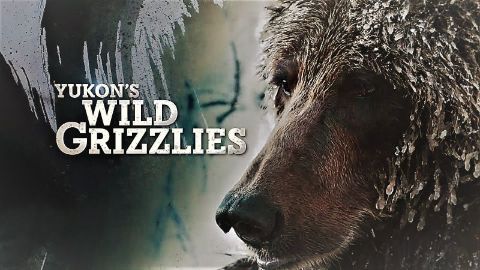
Filmed over two years in a remote part of the Canada. Cameras observe a young female grizzly as she grows into adulthood. Filmed over two years, the documentary features vistas of open plains on the Arctic Circle and frigid rivers in vast mountain ranges. Against the backdrop of the vast Yukon tundra, the climate changes from frigid winter to spring thaw with a brief sunny season in-between. The cast of characters features hulking male grizzlies, mothers and cubs socialising until the salmon runs begin. Female bears must consume enough salmon during this brief time in order to sustain the cubs that will be born during the winter.
2021 • Nature
Decades ago, Monterey Bay National Sanctuary was on the brink of ecological disaster. Today, it is a lush world of sandy sea floors and twisting seaweed jungles. Explore the home of 525 species of fish and 34 species of marine mammal, including the only species of sea lion with a growing population.
S1E3 • Ocean Parks • 2015 • Nature
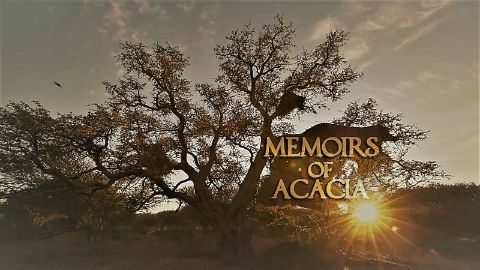
Across the dunes of the Kalahari, a towering, 200-year-old tree extends its branches to the heavens. This camel thorn Acacia is a secret refuge for those in the know. Colonies of sociable weavers use its branches for their oversized nests. Oryx, kudu, and other herbivores feed on her ripened pods, helping soften the seeds for germination. As the rainy season descends, its branches become draped with golden flowers, a magnet for pollinating insects. For many, the Acacia is a 'tree of life.' It's a relationship as old as the Kalahari itself.
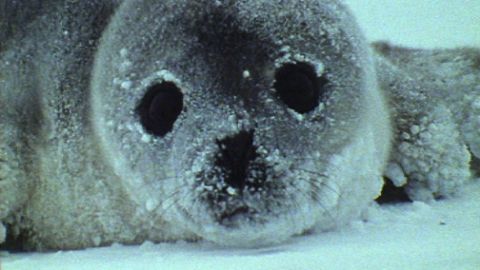
As almost all animal inhabitants of Antarctica are forced to migrate north, the sea underneath the frozen ice still provides a home to many specially adapted fish whose cells are protected from freezing through an "antifreeze" liquid. Many of them feed on the faeces of other animals. The most notable larger animal that does not migrate north is perhaps the Weddell Seal, which can be found as close as 1300 kilometres to the pole. Groups of seals tear holes into the ice to dive for food and come up to breathe. The females come back to the ice to give birth.
S1E5 • Life in the Freezer • 2003 • Nature
Life and Death explores the impact of Darwin’s ideas on our understanding of the meaning of extinction and the interconnections between all life on earth and the environment. Darwin learned many lessons from the giant fossils of extinct animals he found in Argentina and Chile. He eventually revealed to us the unpalatable truth that the logical conclusion to evolution is not perfection but extinction. The extinction of one species creates an environmental niche for new species to fill. Darwin’s theory also gives us vital knowledge we can use to help prolong the existence of our species by respecting the interconnections between all elements of the natural world and the environment. It’s a story in which Darwin’s ideas are taken up with great enthusiasm by his followers throughout the 20th century. But humanity misses one opportunity after another to acknowledge and reduce its destructive impact on the planet. As a result we have set in motion the sixth mass extinction of life on earth. And we are running out of time to do something about it by preserving ecological "hotspots" like certain rainforests which are some of the most productive cradles of evolution. This programme is a warning, but also a celebration, of the knowledge Charles Darwin gave us in his theory of evolution. It confirms that Darwin’s theory continues to inform our understanding of ourselves, our planet and the intricate interconnections between all life on earth.
S1E3 • Darwin's Dangerous Idea • 2009 • Nature