Age of Humankind • 2024 • episode "S1E5" Fateful Planet

Category: Nature | Subtitle:

Shortly after humans appear, they become the dominant species on Earth, but face threats from both above and below—including super volcanic eruptions and falling asteroids. Today, scientists around the world use the latest technology to mitigate future catastrophes.

Make a donation

Buy a brother a hot coffee? Or a cold beer?

Hope you're finding these documentaries fascinating and eye-opening. It's just me, working hard behind the scenes to bring you this enriching content.

Running and maintaining a website like this takes time and resources. That's why I'm reaching out to you. If you appreciate what I do and would like to support my efforts, would you consider "buying me a coffee"?

Donation addresses

Buy Me a Coffee at ko-fi.com

patreon.com

BTC: bc1q8ldskxh4x9qnddhcrgcun8rtvddeldm2a07r2v

ETH: 0x5CCAAA1afc5c5D814129d99277dDb5A979672116

With your donation through , you can show your appreciation and help me keep this project going. Every contribution, no matter how small, makes a significant impact. It goes directly towards covering server costs.
Fateful Planet • 2024 • 5 episodes •

Dramatic Birth

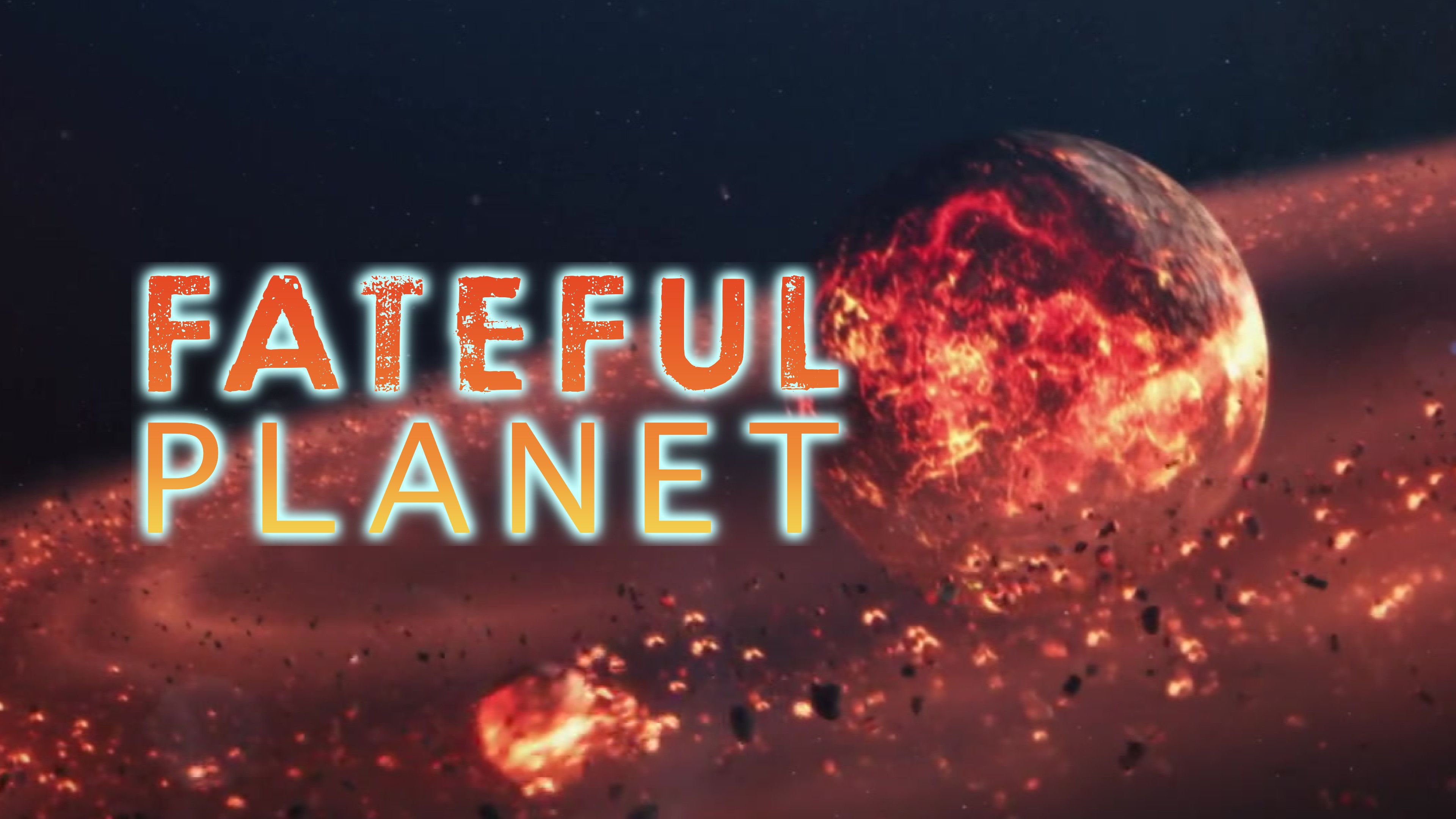
Our planet has had a difficult and violent past. The potential for life all begins when Earth collides with another protoplanet, the size of Mars, shortly after the formation of our solar system. The impact nearly destroys our home, but Earth survives. And in the end a new world was created: The moon. Although it causes a lot of trouble on Earth, it is the moon that plays an important role in the story of how life ultimately came to be on our planet.

2024 • Nature

Snowball Earth

Temperatures are about to plummet as our planet heads straight into a period known as 'Snowball Earth'. Throughout its history, Earth has continuously fluctuated between greenhouse and icehouse. But this particular icehouse phase is the most extreme period of cold our planet has ever witnessed, with ice encasing Earth from the poles to the equator. Life, which had only recently developed on the planet, seems doomed to extinction, but somehow manages to survive.

2024 • Nature

Great Dying

540 million years ago, the ancestors of modern complex organisms suddenly emerge in the Cambrian seas. Evolution progresses and even manages to make the leap onto land. But 250 million years ago, massive volcanic eruptions trigger the most severe mass extinctions in Earth’s history.

2024 • Nature

Doom of the Dinosaurs

In the Triassic period, dinosaurs rise to dominate our planet for 150 million years. 66 million years ago, the dinosaurs vanish—along with 75% of all species. Did an asteroid cause the last mass extinction? Experts are using the latest scientific methods to discover what killed the dinosaurs.

2024 • Nature

Age of Humankind

Shortly after humans appear, they become the dominant species on Earth, but face threats from both above and below—including super volcanic eruptions and falling asteroids. Today, scientists around the world use the latest technology to mitigate future catastrophes.

2024 • Nature

You might also like

The Door Closes

This episode describes the migration of most animals northwards (some from the Antarctic continent, others from the few islands surrounding it) as the continent and surrounding sea freeze over at the end of summer. It shows how young penguins often fall prey to Leopard Seals as they try to make their way across the already partially frozen water and how their stripped remains become food for isopods and meter-long nemerteans (ribbon worms). Before going to the sea, however, the adult penguins must shed their coats (molting).

S1E4Life in the Freezer • 2003 • Nature

Meat Eaters

Birds eat more than berries; this episode takes a look at birds that eat meat.

S1E4The Life of Birds • 1998 • Nature

Age of Ice and Fire

As the Ice Age thawed, humans rose above the rest. But the possibility of a sixth mass extinction now looms: Has our ingenuity caused our downfall?

S1E8Life on Our Planet • 2023 • Nature

Snow Animals

Liz Bonnin introduces a cast of charismatic animals to reveal the remarkable strategies they use to survive, and even thrive, in winter. For animals this is the toughest time of year, and preparations start early. In autumn, Siberian chipmunks collect food in their cheek pouches to stockpile in their burrows, while caribou make an epic journey to new feeding areas away from the worst weather. With the arrival of winter, the American bobcat has to find its prey beneath deep snow, while an Arctic fox must sniff out its very own frozen ready meal. A sea otter mum keeps her cub warm by blowing air into its coat, while some animals turn white to blend in with the snowy world around them. As winter begins to loosen its grip, an Arctic ground squirrel stirs from an eight-month hibernation and has to woo its mate in just twelve hours, and baby animals emerge to play in the snow before spring's imminent arrival. Along the way, Liz meets some of our most iconic winter animals to uncover the secrets behind their seasonal success stories.

2019 • Nature

The Goby Effect

The Lake Erie water snake, once on the brink of extinction, now looks to be rebounding--thanks mainly to the invasive goby fish that's wreaking havoc on the Great Lakes ecosystem. Can scientists studying this environmental anomaly find a healthy ecological balance?

S1E3Great Lakes Wild • 2017 • Nature

Super Senses

Discover how plants sense, communicate, and make complex decisions, revealing a hidden intelligence that challenges what we think life is capable of.

S1E1The Secret Genius of Plants • 2024 • Nature