Our planet has had a difficult and violent past. The potential for life all begins when Earth collides with another protoplanet, the size of Mars, shortly after the formation of our solar system. The impact nearly destroys our home, but Earth survives. And in the end a new world was created: The moon. Although it causes a lot of trouble on Earth, it is the moon that plays an important role in the story of how life ultimately came to be on our planet.
Hope you're finding these documentaries fascinating and eye-opening. It's just me, working hard behind the scenes to bring you this enriching content.
Running and maintaining a website like this takes time and resources. That's why I'm reaching out to you. If you appreciate what I do and would like to support my efforts, would you consider "buying me a coffee"?
BTC: bc1q8ldskxh4x9qnddhcrgcun8rtvddeldm2a07r2v
ETH: 0x5CCAAA1afc5c5D814129d99277dDb5A979672116
With your donation through , you can show your appreciation and help me keep this project going. Every contribution, no matter how small, makes a significant impact. It goes directly towards covering server costs.
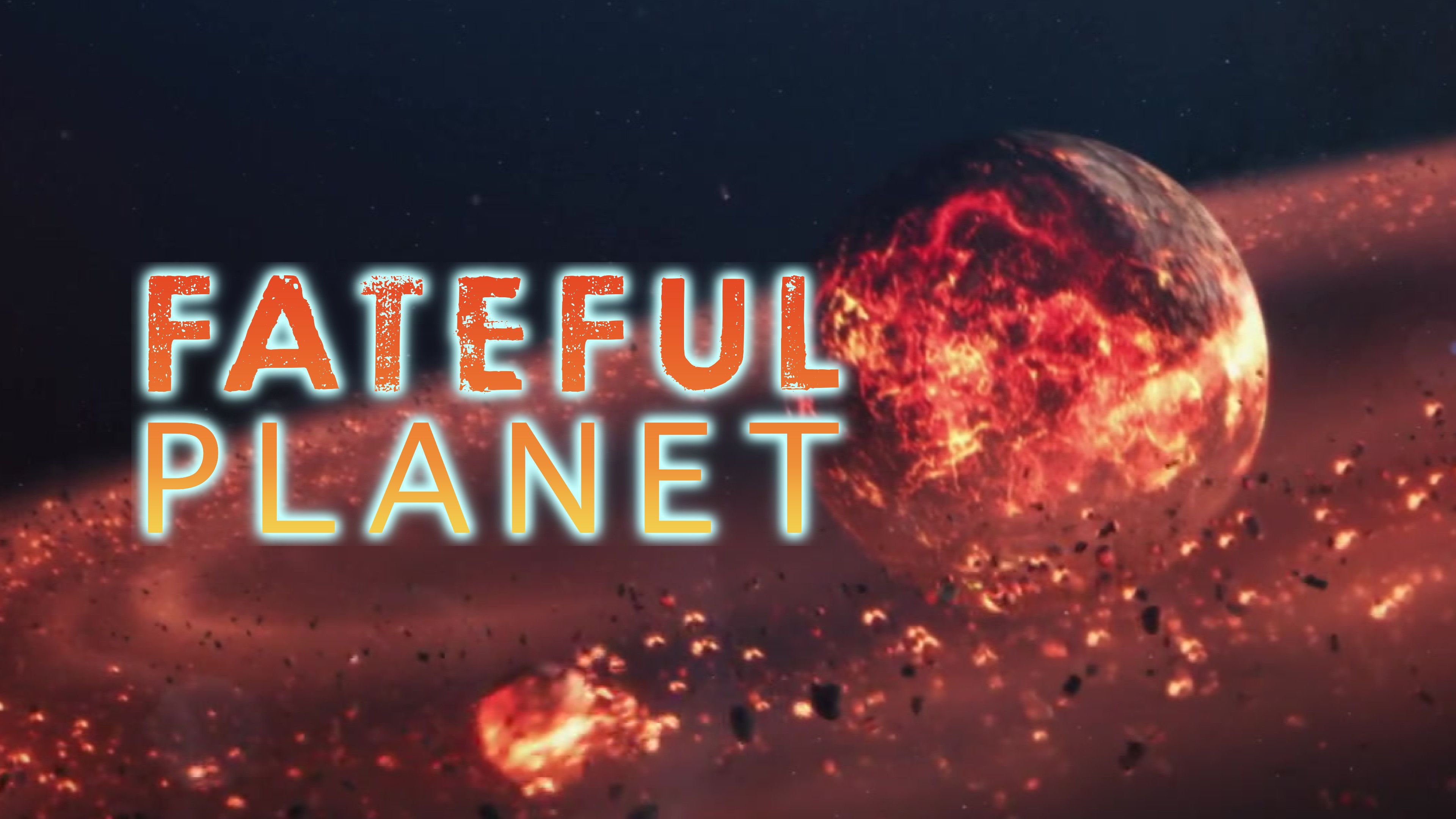
Our planet has had a difficult and violent past. The potential for life all begins when Earth collides with another protoplanet, the size of Mars, shortly after the formation of our solar system. The impact nearly destroys our home, but Earth survives. And in the end a new world was created: The moon. Although it causes a lot of trouble on Earth, it is the moon that plays an important role in the story of how life ultimately came to be on our planet.
2024 • Nature
Temperatures are about to plummet as our planet heads straight into a period known as 'Snowball Earth'. Throughout its history, Earth has continuously fluctuated between greenhouse and icehouse. But this particular icehouse phase is the most extreme period of cold our planet has ever witnessed, with ice encasing Earth from the poles to the equator. Life, which had only recently developed on the planet, seems doomed to extinction, but somehow manages to survive.
2024 • Nature
540 million years ago, the ancestors of modern complex organisms suddenly emerge in the Cambrian seas. Evolution progresses and even manages to make the leap onto land. But 250 million years ago, massive volcanic eruptions trigger the most severe mass extinctions in Earth’s history.
2024 • Nature
In the Triassic period, dinosaurs rise to dominate our planet for 150 million years. 66 million years ago, the dinosaurs vanish—along with 75% of all species. Did an asteroid cause the last mass extinction? Experts are using the latest scientific methods to discover what killed the dinosaurs.
2024 • Nature
Shortly after humans appear, they become the dominant species on Earth, but face threats from both above and below—including super volcanic eruptions and falling asteroids. Today, scientists around the world use the latest technology to mitigate future catastrophes.
2024 • Nature
Join us as we fly the skies of Zambia. Explore natural wonders, sacred places, and one of Africa's most pristine wildlife sanctuaries. We also delve into the nation's complex past and its transformation into a proudly independent African nation.
S1E6 • Aerial Africa • 2017 • Nature
From around three months old, the animal babies can all get around on their own, but that means the impact of their environment and the struggle to find food really begin to hit home.
S1E2 • Animal Babies: First Year on Earth • 2019 • Nature
Blue Planet II explores parts of the ocean that nobody has ever visited, encountered extraordinary animals, and discovered new insights into life beneath the waves. In Our Blue Planet, Sir David Attenborough examines the impact of human life on life in the ocean. In this final episode, we uncover the impact that our modern lives are having on our best-loved characters from across the series, including devoted albatross parents unwittingly feeding their chicks discarded plastic and mother dolphins potentially exposing their newborn calves to pollutants through their contaminated milk. Scientists have even discovered that increasing noise levels may stop baby clownfish finding their way home.
S1E7 • Blue Planet II • 2017 • Nature
It's death on an unimaginable scale, when a majority of Earth's species quickly die out. It's called "mass extinction," and it's happened at least five times before. Cataclysms, such as supervolcanoes or asteroids, are thought to cause these events, but some experts believe a man-made mass extinction could be next. Is our planet in trouble? And if so, is there anything we can do to stop the next catastrophic annihilation? Experts are traveling the world, performing groundbreaking scientific detective work to answer these very questions.
2014 • Nature
This episode follows the animals of Argentina, living life at the mercy of the Andean mountains. These peaks dictate a hard existence for every living creature from their summits to the very edge of the Patagonian steppe, forcing even the cutest resident to turn carnivore.
S1E1 • Wild Argentina • 2017 • Nature
Ancient footprints in New Mexico’s White Sands National Park reveal new evidence of Ice Age humans that walked the land alongside enormous ground sloths and mammoths—thousands of years earlier than archaeologists thought people were in the Americas.