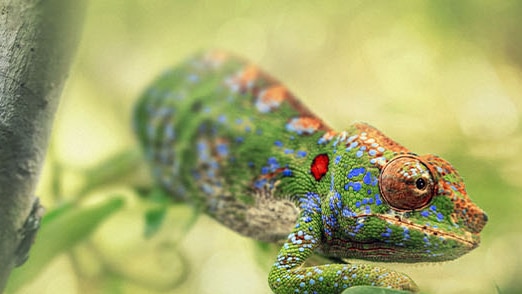
A Madagascan chameleon and a Scottish water vole travel to secure their bloodline.
Hope you're finding these documentaries fascinating and eye-opening. It's just me, working hard behind the scenes to bring you this enriching content.
Running and maintaining a website like this takes time and resources. That's why I'm reaching out to you. If you appreciate what I do and would like to support my efforts, would you consider "buying me a coffee"?
BTC: bc1q8ldskxh4x9qnddhcrgcun8rtvddeldm2a07r2v
ETH: 0x5CCAAA1afc5c5D814129d99277dDb5A979672116
With your donation through , you can show your appreciation and help me keep this project going. Every contribution, no matter how small, makes a significant impact. It goes directly towards covering server costs.
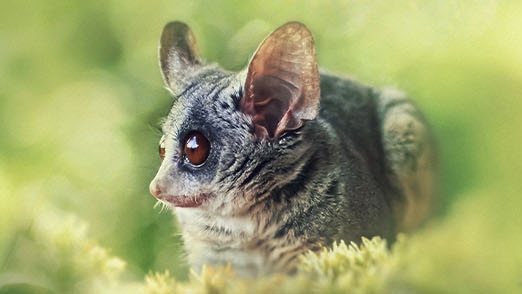
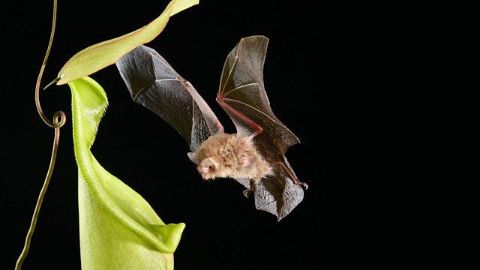
A baby turtle in Canada and a young bushbaby in South Africa search for a safe new home.
2023 • Nature
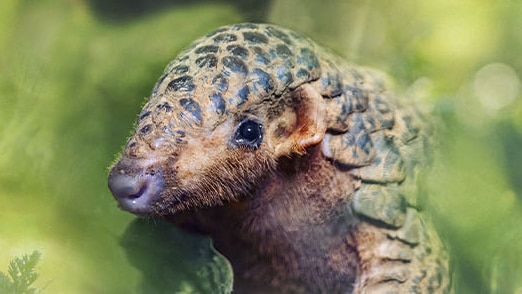
A Taiwanese pangolin and a Brazilian lion tamarin family travel to a strange new world.
2023 • Nature
A Madagascan chameleon and a Scottish water vole travel to secure their bloodline.
2023 • Nature
Begins in northern Norway, 500 kilometres north of the Arctic Circle. Here, there is only just enough light for the pine trees to survive, but it is extremely cold during the winter. Pine cone seeds provide one of the few foods available at this time of year, and large herbivores such as the moose must also rely on their fat reserves.
3/12 • The Living Planet • 1984 • Nature
This episode is devoted to the evolution of reptiles. They are not as restricted as their amphibian ancestors, since they can survive in the hottest climates. The reason is their scaly, practically watertight skin. The scales protect the body from wear and tear and in the case of some species of lizard, such as the Australian thorny devil, serve to protect from attack. The horned iguana from the West Indies is also one of the most heavily armoured. The skin is rich in pigment cells, which provide effective means of camouflage, and the chameleon is a well-known example. Temperature control is important to reptiles: they cant generate body heat internally or sweat to keep cool.
7/13 • Life on Earth • 1979 • Nature
Sri Lanka, the tropical island lying off the southern coast of India, is home to its own special elephants. A subspecies of the Asian elephant, they have their own unique characteristics. In this programme, award-winning wildlife cameraman Martyn Colbeck of Echo of the Elephants fame travels to Sri Lanka to try and get to know them. Martyn has planned his arrival to coincide with the start of the monsoon, hoping it will be the best time to find and follow a newborn calf. By drawing on local knowledge, Martyn begins to unravel the complex social world of Sri Lanka's elephants - he witnesses a fight over a calf, a battle between two bulls in musk and, at an elephant sanctuary, befriends an orphaned elephant who sadly lost a leg to a snare and is facing an uncertain future.
Natural World • 2013 • Nature
Chris Packham aims to raise enough money to plant 100,000 trees across Britain, by asking viewers to contribute to The Woodland Trust. Martin Hughes-Games, JB Gill and Clare Nasir also take a closer look at the science of trees, exploring how they can lower carbon emissions, fight flooding and reduce pollution.
2019 • Nature
Venture into the lush confines of the Brazilian Pantanal, host to an assortment of unusual creatures with similarly strange habits. Among these, you'll encounter the piraputanga fish that leaps out of the water to pluck fruit off low-hanging branches and the lowland tapir--the largest land mammal in South America--who can eat up to 100 lbs. of vegetation each day.
1 • Brazil Untamed • 2016 • Nature