A baby turtle in Canada and a young bushbaby in South Africa search for a safe new home.
Hope you're finding these documentaries fascinating and eye-opening. It's just me, working hard behind the scenes to bring you this enriching content.
Running and maintaining a website like this takes time and resources. That's why I'm reaching out to you. If you appreciate what I do and would like to support my efforts, would you consider "buying me a coffee"?
BTC: bc1q8ldskxh4x9qnddhcrgcun8rtvddeldm2a07r2v
ETH: 0x5CCAAA1afc5c5D814129d99277dDb5A979672116
With your donation through , you can show your appreciation and help me keep this project going. Every contribution, no matter how small, makes a significant impact. It goes directly towards covering server costs.
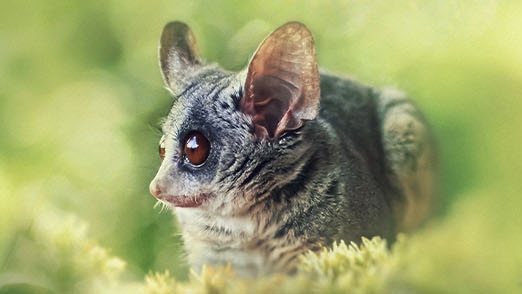
A baby turtle in Canada and a young bushbaby in South Africa search for a safe new home.
2023 • Nature
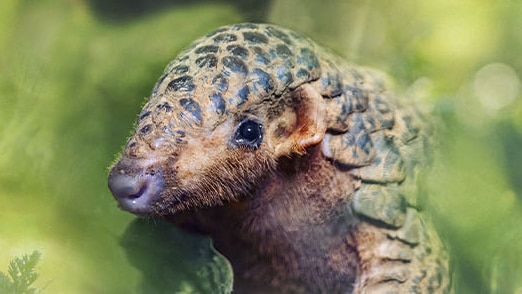
A Taiwanese pangolin and a Brazilian lion tamarin family travel to a strange new world.
2023 • Nature
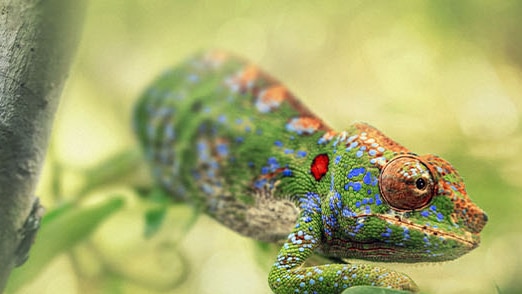
A Madagascan chameleon and a Scottish water vole travel to secure their bloodline.
2023 • Nature
Sir David Attenborough chooses his favourite recordings from the natural world that have revolutionised our understanding of song. Each one - from the song of the largest lemur to the song of the humpback whale to the song of the lyrebird - was recorded in his lifetime. When Sir David was born, the science of song had already been transformed by Charles Darwin’s theory of sexual selection: singing is dangerous as it reveals the singer’s location to predators, but it also offers the male a huge reward, the chance to attract a female and pass on genes to the next generation. Hence males sing and females don't. Today, new science in the field of birdsong is transforming those long-held ideas. Scientists are discovering that, in fact, in the majority of all songbird species, females sing - and it is only now they are being properly heard. Through this revelation and others, we can understand that animal songs are marvelous examples of the spectacular survival strategies that species have developed in order to stay alive.
2021 • Nature
From the stealthy tarantula to the prehistoric Komodo dragon to the deceptive mosquito--one of the more prolific modern predators--killers come in all shapes and sizes. Join us as we examine the deadly adaptations of these cold-blooded culprits.
S1E4 • Attack and Defend • 2016 • Nature
A look at how forest ecosystems reduce global carbon levels and effect climate, meeting the people working to improve biodiversity, saving keystone species and using Indigenous wisdom to rebuild and restore our forests.
S1E3 • The Future of Nature • 2025 • Nature
With coastal mangrove forests, seagrass beds, and vibrant coral reefs, the Florida Keys are home to a wealth of underwater environments, all connected by what scientists have dubbed the 'Corridor of Life.' Take a journey through the vital underwater sanctuaries that preserve these delicate ecosystems.
S1E2 • Ocean Parks • 2015 • Nature
David Attenborough attempts to animate the life of the ichthyosaur whose 200-million-year-old fossil remains were found on Britain's Jurassic coast. Using state-of-the-art imaging technology and CGI, the team reconstruct the skeleton and create the most detailed animation of an ichthyosaur ever made. Along the way, they stumble into a 200-million-year-old murder mystery - and only painstaking forensic investigation can unravel the story of this extraordinary creature's fate.
2018 • Nature
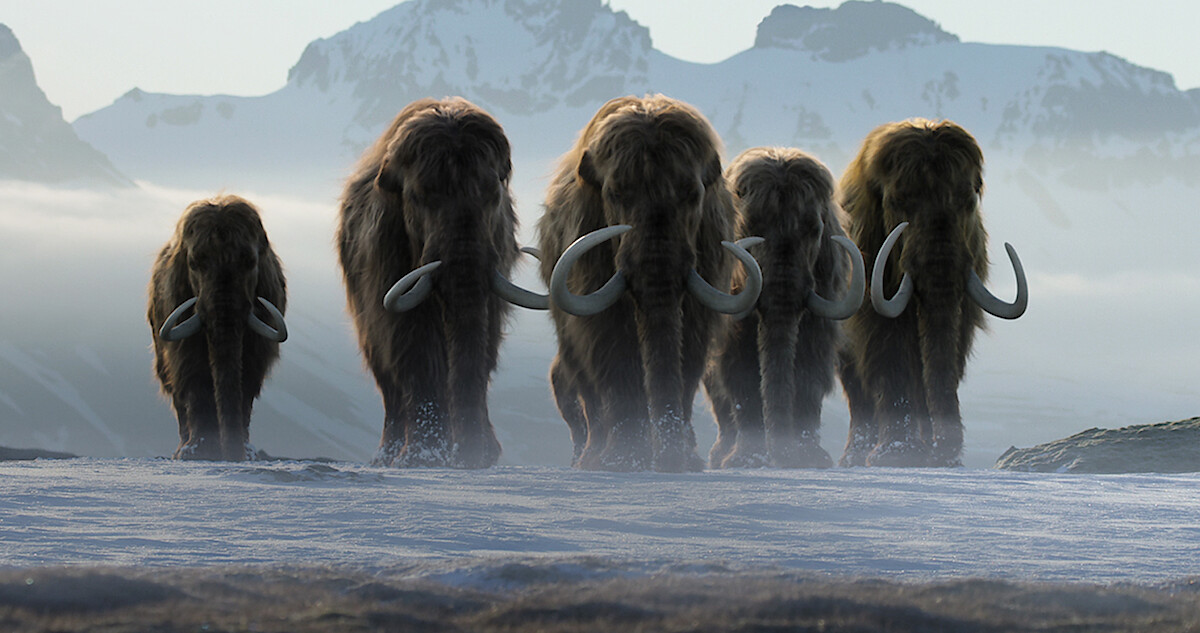
After Earth's third mass extinction, mammals' surviving ancestors ruled the supercontinent Pangea. But lizards soon ushered in the age of reptiles.
S1E4 • Life on Our Planet • 2023 • Nature