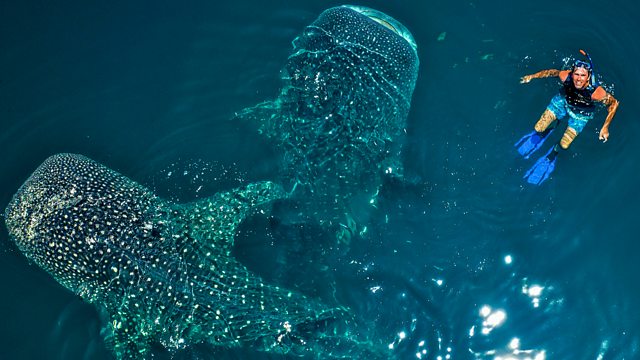
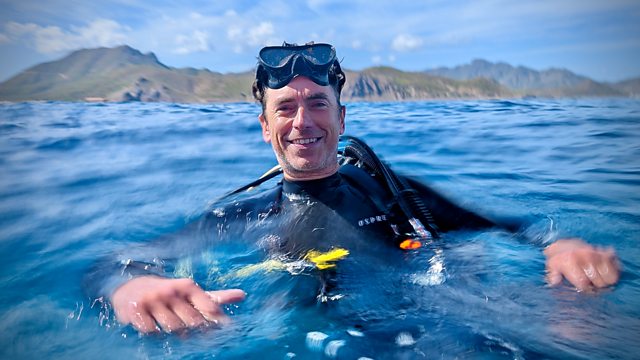
Simon Reeve voyages across the Coral Triangle, a remote wilderness of tropical reefs and jungle-clad islands described as the Amazon of the seas.
Hope you're finding these documentaries fascinating and eye-opening. It's just me, working hard behind the scenes to bring you this enriching content.
Running and maintaining a website like this takes time and resources. That's why I'm reaching out to you. If you appreciate what I do and would like to support my efforts, would you consider "buying me a coffee"?
BTC: bc1q8ldskxh4x9qnddhcrgcun8rtvddeldm2a07r2v
ETH: 0x5CCAAA1afc5c5D814129d99277dDb5A979672116
With your donation through , you can show your appreciation and help me keep this project going. Every contribution, no matter how small, makes a significant impact. It goes directly towards covering server costs.
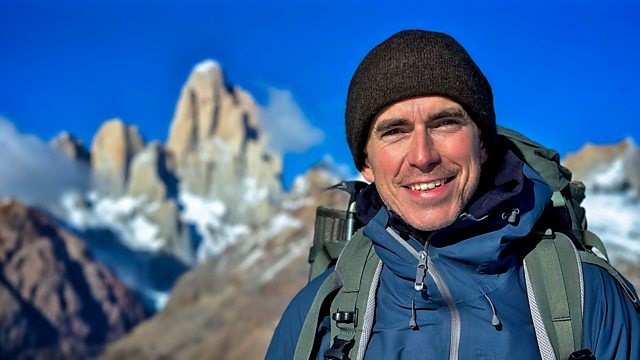
Simon Reeve travels through wilderness of Patagonia, at the foot of the South American continent. A beautiful and rugged land of mountains, ice and endless wild grasslands, Patagonia is whipped by wind, rain, and snow. Simon's journey takes him up to the huge south Patagonian ice field, through the foothills of the Andes towards the great Grey Glacier of eastern Chile - coming face to face with pumas and riding with gauchos.
2024 • Nature
Simon Reeve voyages across the Coral Triangle, a remote wilderness of tropical reefs and jungle-clad islands described as the Amazon of the seas.
2024 • Nature
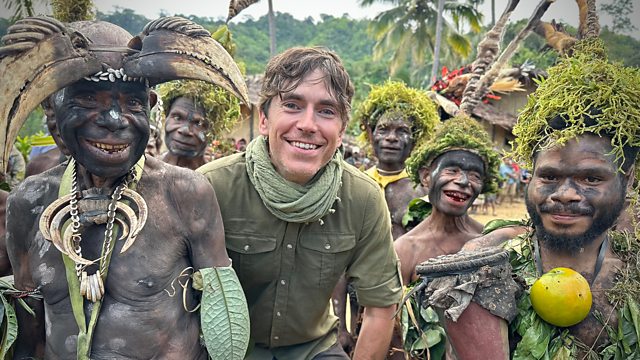
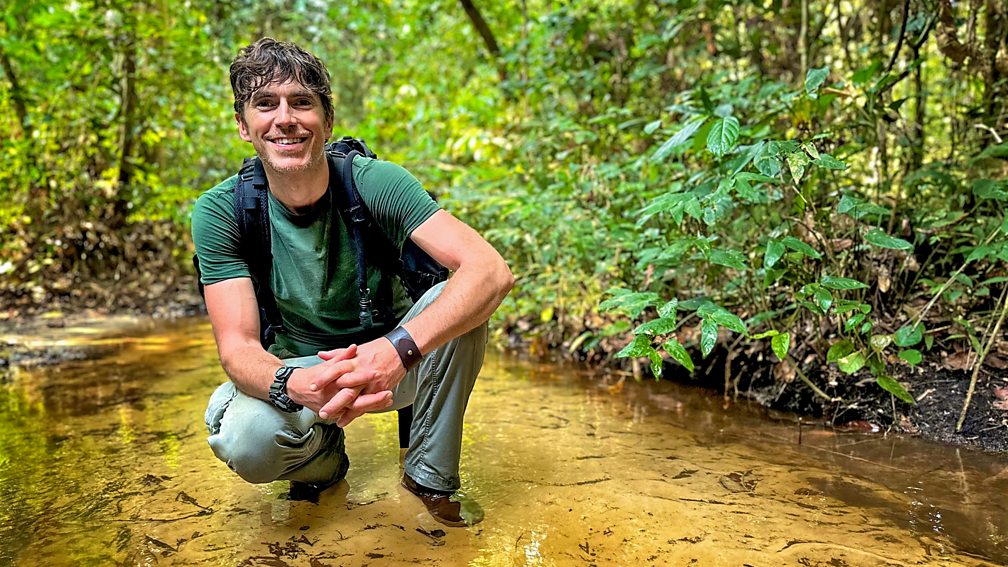
Simon Reeve journeys through the lost world of Papua New Guinea’s tropical rainforest in search of the tenkile tree kangaroo, one of the rarest animals on Earth.
2026 • Nature
Simon Reeve voyages across Mexico’s beautiful and remote Sea of Cortez, known as the 'aquarium of the world', to dive with rare and dangerous sharks.
2026 • Nature
Captured in a single, animated time lapsed shot, and based on archeological findings, we trace our epic journey from the first spark of life billions of years ago up to our present status as the most successful species on the planet. Humans are the pinnacle of a chain of species that has survived by way of evolution, natural selection, adaptation, and pure luck. From the formation of primordial genetic material to the development of speech, this is the improbable story of the incredible set of circumstances that led to human existence.
Naked Science • 2015 • Nature
In South Africa, Chris finds out how reproduction has shaped life on Earth and the surprising evolutionary origins of sex, eggs and birds. This is a journey of innovation, adaptation and astonishing creativity.
Nearly twice the size of the United States, Russia is the biggest country on Earth. From the subtropics to the arctic and the Atlantic Ocean to the Pacific; giant lakes, active volcanoes and endless forests.
2020 • Nature
In this episode, Professor Brian Cox shows how Earth's basic ingredients, like the pure sulphur mined in the heart of a deadly volcano in Indonesia, have become the building blocks of life. Hidden deep in a cave in the Dominican Republic lies a magical world created by the same property of water that makes it essential to life. Clinging to a precipitous dam wall in Italy, baby mountain goats seek out Earth's chemical elements essential to their survival. In the middle of the night in a bay off Japan, Brian explains how the dazzling display of thousands of glowing squid shows how life has taken Earth's chemistry and turned it into the chemistry of life.
Part 3 • Forces of Nature With Brian Cox • 2016 • Nature
David Attenborough employs the latest technologies to explore the violence, rivalries and deadly weaponry existing within the world of bugs. This first episode examines the survival tactics of its terrifying residents including killer ants, trap-setting spiders and beetles with the ability to shoot boiling chemicals at their enemies.
1 • Micro Monsters with David Attenborough • 2013 • Nature
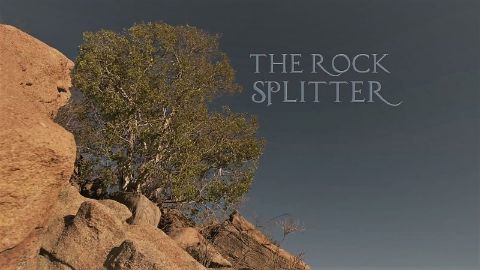
The Namaqua rock fig is known as the rock splitter. It's not just a testament to its ability to withstand the dry conditions, but a literal tribute to its powerful root system, which extends 200 feet into the Earth in search of water. Besides the army of wildlife who rely on it for survival, the rock splitter has a unique relationship with its own species of miniature wasp that help pollinate its tiny flowers. As temperatures soar each passing year, this ultimate survivor reaches deeper to squeeze every drop of water from the parched land.