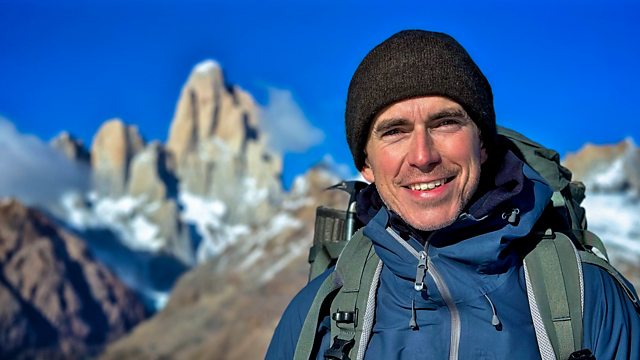
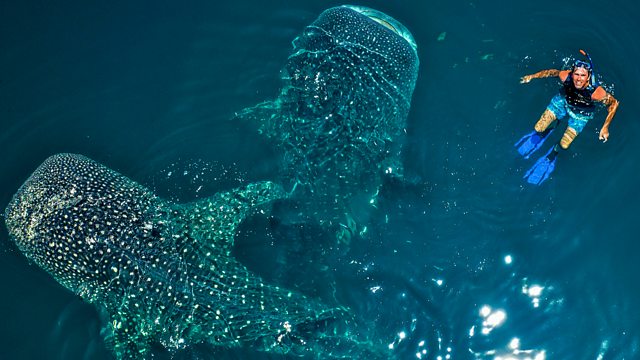
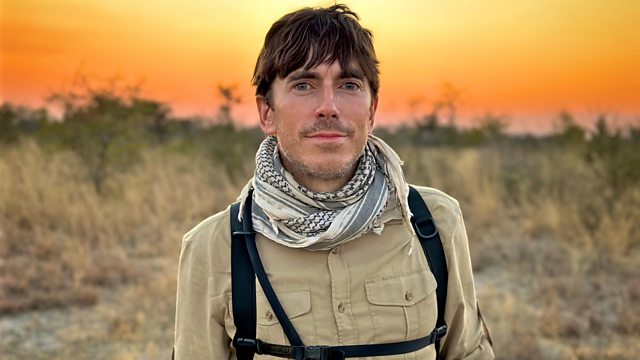
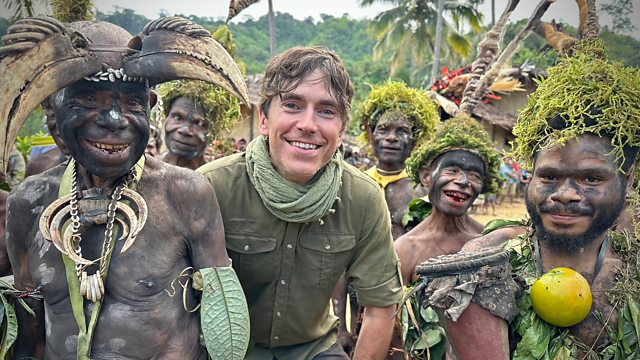
Simon Reeve travels through wilderness of Patagonia, at the foot of the South American continent. A beautiful and rugged land of mountains, ice and endless wild grasslands, Patagonia is whipped by wind, rain, and snow. Simon's journey takes him up to the huge south Patagonian ice field, through the foothills of the Andes towards the great Grey Glacier of eastern Chile - coming face to face with pumas and riding with gauchos.
Hope you're finding these documentaries fascinating and eye-opening. It's just me, working hard behind the scenes to bring you this enriching content.
Running and maintaining a website like this takes time and resources. That's why I'm reaching out to you. If you appreciate what I do and would like to support my efforts, would you consider "buying me a coffee"?
BTC: bc1q8ldskxh4x9qnddhcrgcun8rtvddeldm2a07r2v
ETH: 0x5CCAAA1afc5c5D814129d99277dDb5A979672116
With your donation through , you can show your appreciation and help me keep this project going. Every contribution, no matter how small, makes a significant impact. It goes directly towards covering server costs.
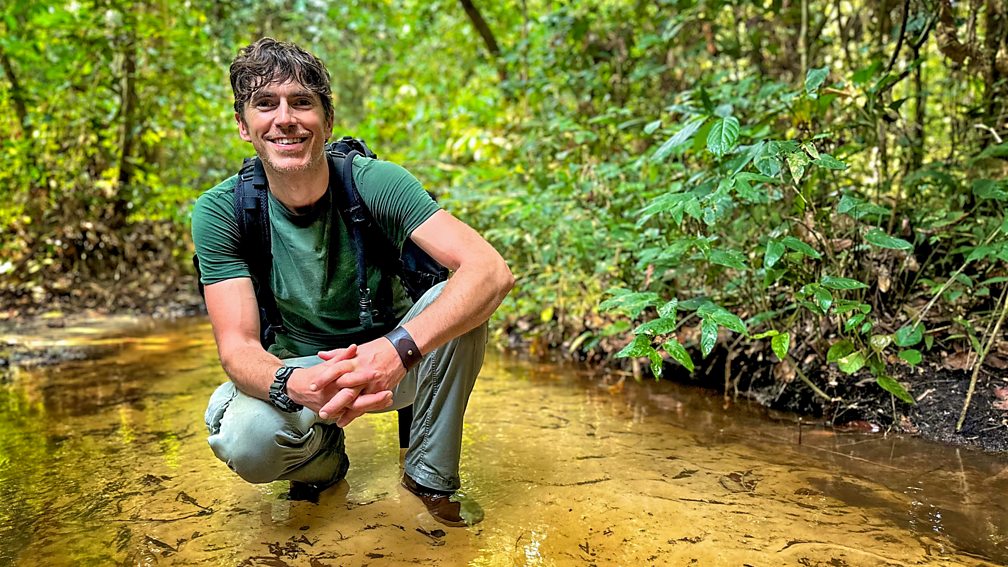
Simon Reeve travels through wilderness of Patagonia, at the foot of the South American continent. A beautiful and rugged land of mountains, ice and endless wild grasslands, Patagonia is whipped by wind, rain, and snow. Simon's journey takes him up to the huge south Patagonian ice field, through the foothills of the Andes towards the great Grey Glacier of eastern Chile - coming face to face with pumas and riding with gauchos.
2024 • Nature
Simon Reeve voyages across the Coral Triangle, a remote wilderness of tropical reefs and jungle-clad islands described as the Amazon of the seas.
2024 • Nature
Simon Reeve journeys through the lost world of Papua New Guinea’s tropical rainforest in search of the tenkile tree kangaroo, one of the rarest animals on Earth.
2026 • Nature
Simon Reeve voyages across Mexico’s beautiful and remote Sea of Cortez, known as the 'aquarium of the world', to dive with rare and dangerous sharks.
2026 • Nature
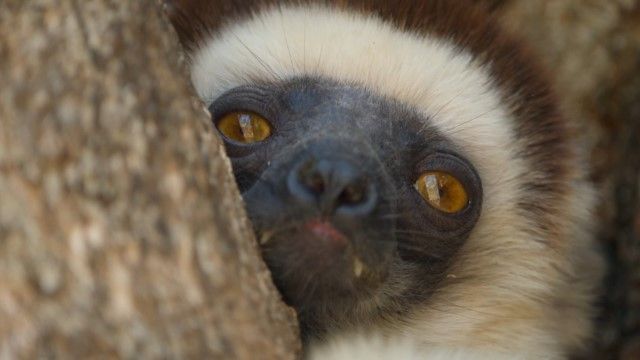
David Attenborough reveals how, by pushing themselves and their bodies to the limit, mammals have found remarkable ways to survive in the hottest places on earth. In South America, thirsty capuchins need all their natural curiosity as they search for water on the forest floor. Camels roam the vast outback of Australia, where they can go for weeks without water thanks to their distinctive hump as an energy store. White sifaka lemurs hug trees to avoid the heat in Madagascar's spiny forest and the echidna has an even stranger way of keeping cool - it blows snot bubbles.
S1E5 • Mammals with David Attenborough • 2024 • Nature
Chris investigates how nature's masterminds measure up against human brain power. Looking at a variety of animals, such as ravens, crows, bees and starlings, Chris explores how different animals can use tools, solve complex puzzles, recognise themselves in mirrors and even reason like humans.
S1E1 • Chris Packham's Animal Einsteins • 2021 • Nature
David Attenborough concludes his documentary series with a programme about our closest animal relatives, the intelligent great apes, and finds out how their large brains enabled one of their kind, an upright ape, to go on to dominate the planet. David travels to the forests of Borneo to meet a remarkable orangutan with a passion for DIY and a talent for rowing boats. He shifts continent to Africa and takes part in a special nut-cracking lesson with a group of chimps learning survival skills. He discovers how food - and the ways apes find it - has been key to the evolution of our large brains.
S1E10 • The Life of Mammals • 2008 • Nature
Cats are said to hate water, crave warmth and only eat meat. But in episode three, Super Cats, viewers are introduced to the wild cats that break all the feline rules. From jaguars with sub-aqua skills to tigers that can survive temperatures of minus forty, the programme reveals how cats have developed super powers to survive in the most unlikely landscapes. As well as the iconic big cats, in this final episode viewers get a glimpse into the lives of the most rare and strange cats of all – including a real-life Garfield recently discovered living high in the Himalayas. It’s revealed how the cats’ ability to adapt to extremes has made them some of the most successful predators on the planet.
S1E3 • The Story of Cats • 2016 • Nature
In the second of this two-part series, Colin Stafford-Johnson continues his journey in Cuba, one of the most captivating islands in the world. Here, he encounters bats emerging from a labyrinth of limestone caves to feed on nectar from giant hibiscus flowers, and tiny frogs, smaller than a fingernail, living in patches of hidden emerald forest. And on the white sand beaches, baby green turtles emerge from their nests to make their way to the sparkling Caribbean Sea.
S1E2 • Natural World • 2020 • Nature
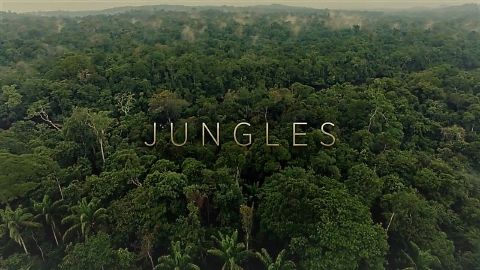
Jungles comprise the most diverse habitats on Earth in which only the most resilient species triumph; the fiercest jungle species include jaguars, caimans, gibbons, orangutans, spectral tarsiers, hummingbirds, and parasites.
S1E4 • Hostile Planet • 2019 • Nature