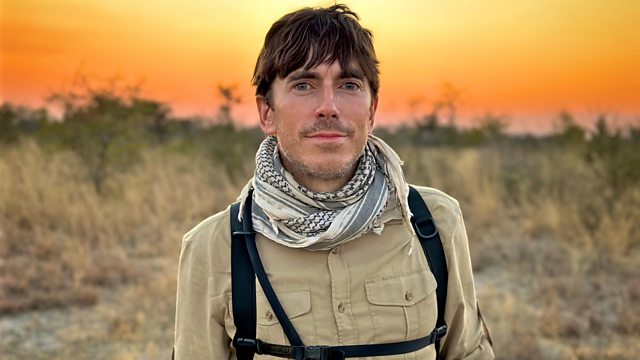
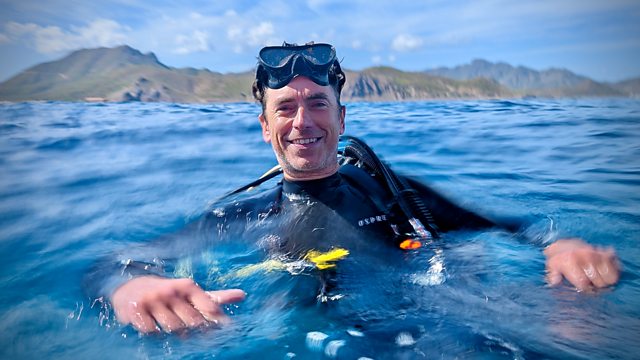
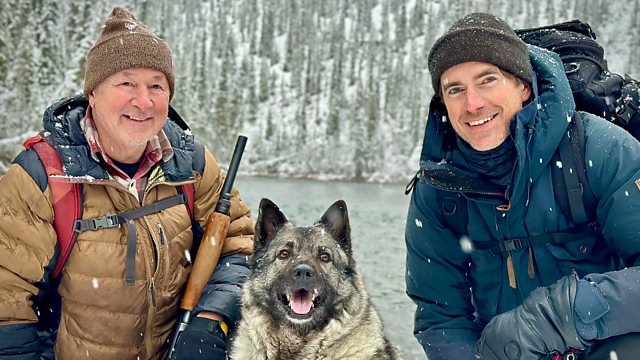
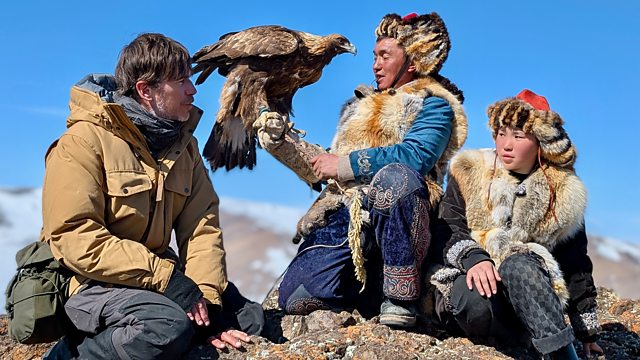
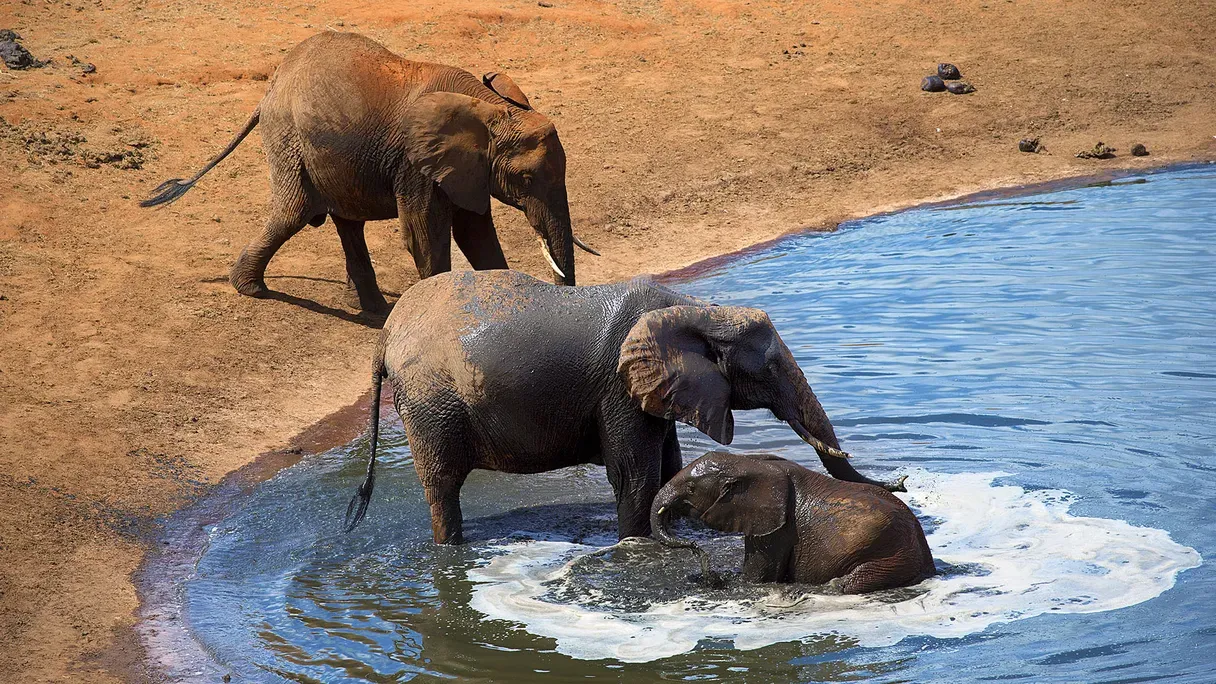
Simon Reeve crosses the parched desert of southern Africa, tracking wildebeest with the famous hunter-gatherers of the Kalahari, before heading to the oasis of the Okavango Delta.
Hope you're finding these documentaries fascinating and eye-opening. It's just me, working hard behind the scenes to bring you this enriching content.
Running and maintaining a website like this takes time and resources. That's why I'm reaching out to you. If you appreciate what I do and would like to support my efforts, would you consider "buying me a coffee"?
BTC: bc1q8ldskxh4x9qnddhcrgcun8rtvddeldm2a07r2v
ETH: 0x5CCAAA1afc5c5D814129d99277dDb5A979672116
With your donation through , you can show your appreciation and help me keep this project going. Every contribution, no matter how small, makes a significant impact. It goes directly towards covering server costs.
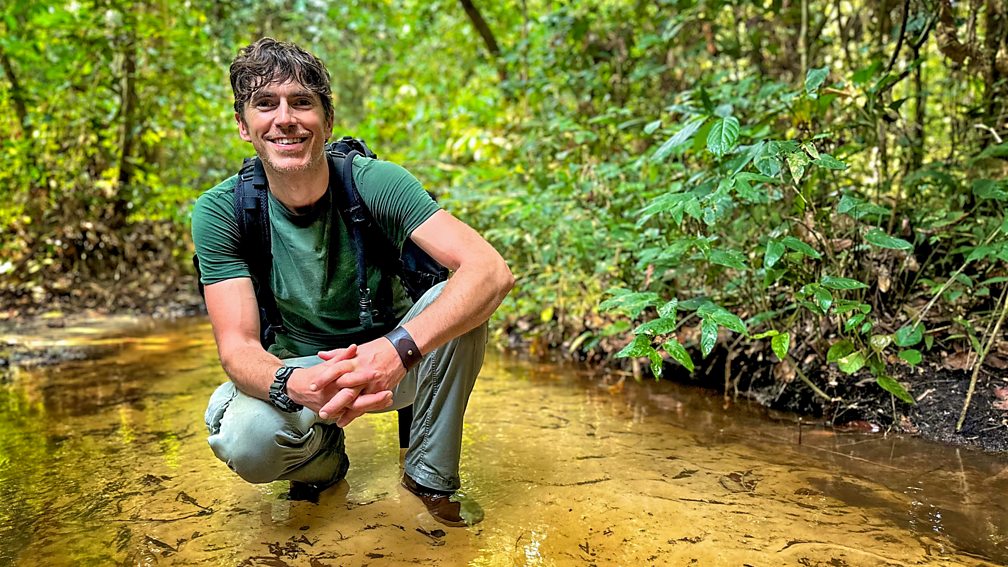
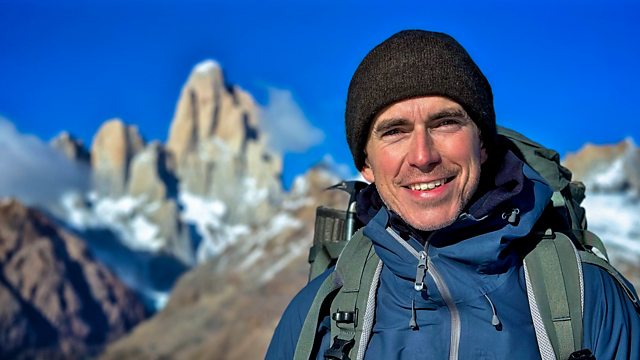
Simon Reeve travels through wilderness of Patagonia, at the foot of the South American continent. A beautiful and rugged land of mountains, ice and endless wild grasslands, Patagonia is whipped by wind, rain, and snow. Simon's journey takes him up to the huge south Patagonian ice field, through the foothills of the Andes towards the great Grey Glacier of eastern Chile - coming face to face with pumas and riding with gauchos.
2024 • Nature
Simon Reeve voyages across the Coral Triangle, a remote wilderness of tropical reefs and jungle-clad islands described as the Amazon of the seas.
2024 • Nature
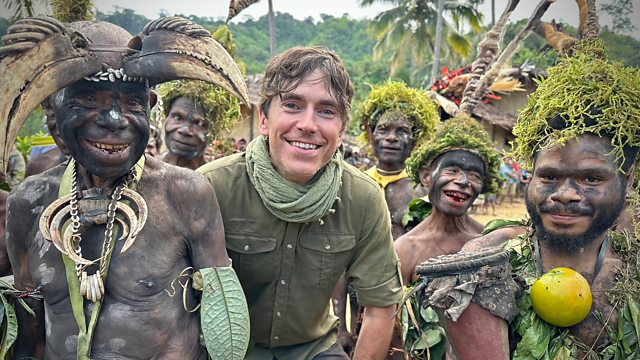
Simon Reeve journeys through the lost world of Papua New Guinea’s tropical rainforest in search of the tenkile tree kangaroo, one of the rarest animals on Earth.
2026 • Nature
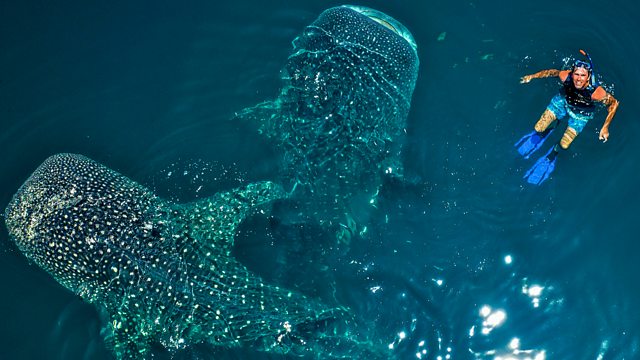
Simon Reeve voyages across Mexico’s beautiful and remote Sea of Cortez, known as the 'aquarium of the world', to dive with rare and dangerous sharks.
2026 • Nature
As almost all animal inhabitants of Antarctica are forced to migrate north, the sea underneath the frozen ice still provides a home to many specially adapted fish whose cells are protected from freezing through an "antifreeze" liquid. Many of them feed on the faeces of other animals. The most notable larger animal that does not migrate north is perhaps the Weddell Seal, which can be found as close as 1300 kilometres to the pole. Groups of seals tear holes into the ice to dive for food and come up to breathe. The females come back to the ice to give birth.
S1E5 • Life in the Freezer • 2003 • Nature
Siberian tigers are the largest of all cats. In historic times, the tiger's range was vast, covering much of Asia. Over the last century, they've experienced an almost total population crash, and at least 97% of those tigers have gone.
S1E1 • The Secret Lives of Big Cats • 2019 • Nature
Decades ago, Monterey Bay National Sanctuary was on the brink of ecological disaster. Today, it is a lush world of sandy sea floors and twisting seaweed jungles. Explore the home of 525 species of fish and 34 species of marine mammal, including the only species of sea lion with a growing population.
S1E3 • Ocean Parks • 2015 • Nature
Dolphins have been a source of curiosity to humans and have appeared in our stories and myths for thousands of years. What is the link between our two species? Why do we seem to be so interested and curious about each other?
S1E1 • Conversations with Dolphins • 2016 • Nature
A look at how forest ecosystems reduce global carbon levels and effect climate, meeting the people working to improve biodiversity, saving keystone species and using Indigenous wisdom to rebuild and restore our forests.
S1E3 • The Future of Nature • 2025 • Nature
This episode examines how plants either share environments harmoniously or compete for dominance within them. It looks at the ways in which plants have to fight to survive, using any means available, be it excessive growth, capitalizing on disaster or even courting.
S1E4 • Private Life of Plants • 1995 • Nature